Health Benefits of Caraway
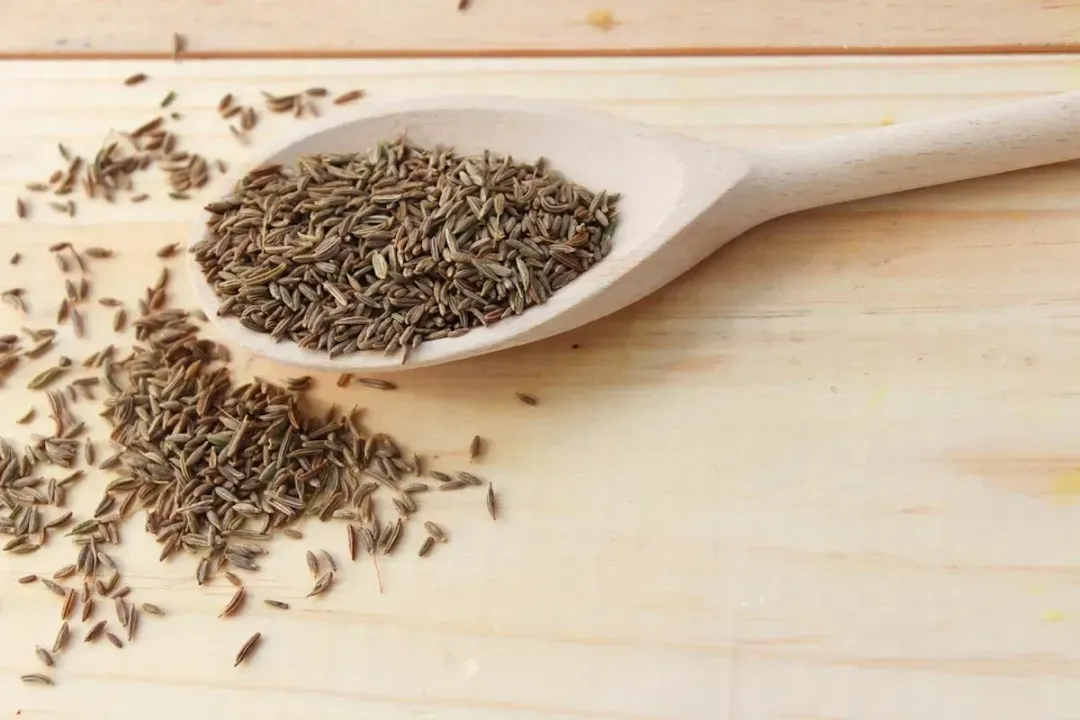
Caraway, known scientifically as Carum carvi, is often recognized instantly by the distinct, slightly sharp aroma it lends to dark rye breads and certain aged cheeses. Yet, reducing this ancient spice to merely a flavoring agent overlooks a significant history tied to wellness and digestion spanning centuries. [1][2] This small, crescent-shaped seed, often confused with its botanical cousins like cumin or fennel, packs a surprising nutritional density and potent natural compounds that support various aspects of health, particularly concerning the digestive tract. [1][5][9] Its traditional use in folk medicine continues to find modern validation through ongoing scientific interest in its essential oils and mineral content. [5]
# Digestive Aid
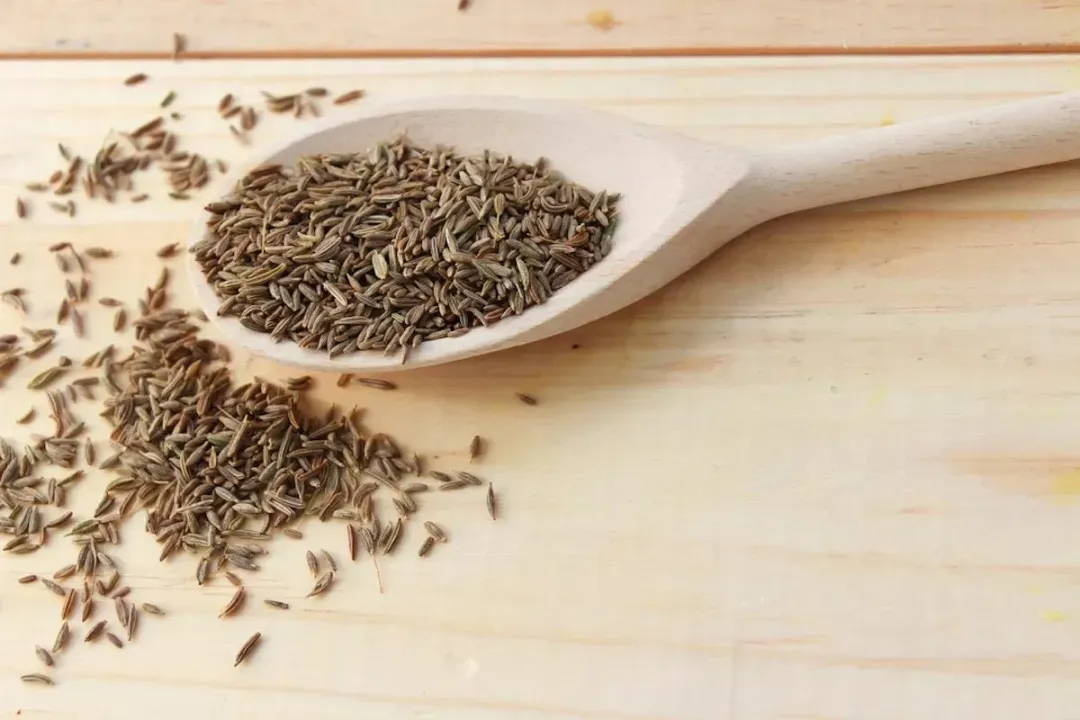
The most established and widely recognized benefit of incorporating caraway seeds into the diet relates directly to gut health. [4][5] Caraway is celebrated for its carminative properties, meaning it helps prevent the formation of gas in the gastrointestinal tract and can alleviate uncomfortable bloating and fullness after a meal. [1][2][4] This action is primarily attributed to the volatile essential oils present in the seeds, chief among them being carvone and limonene. [1][2]
These active components appear to soothe the digestive system in a dual manner. Firstly, they help relax the smooth muscles of the gut, which can ease cramping and allow trapped wind to pass more comfortably. [4] Secondly, caraway oil has been shown to stimulate the secretion of digestive juices, which aids in the breakdown of food more efficiently. [1] This effect makes it a valuable natural remedy for issues like indigestion, heartburn, and even symptoms associated with irritable bowel syndrome (IBS) in some cases. [2][5] For instance, some research suggests that applying caraway oil topically or ingesting it can help reduce spasms in the gut, offering relief where conventional remedies might focus solely on neutralizing acid. [5]
# Seed Composition
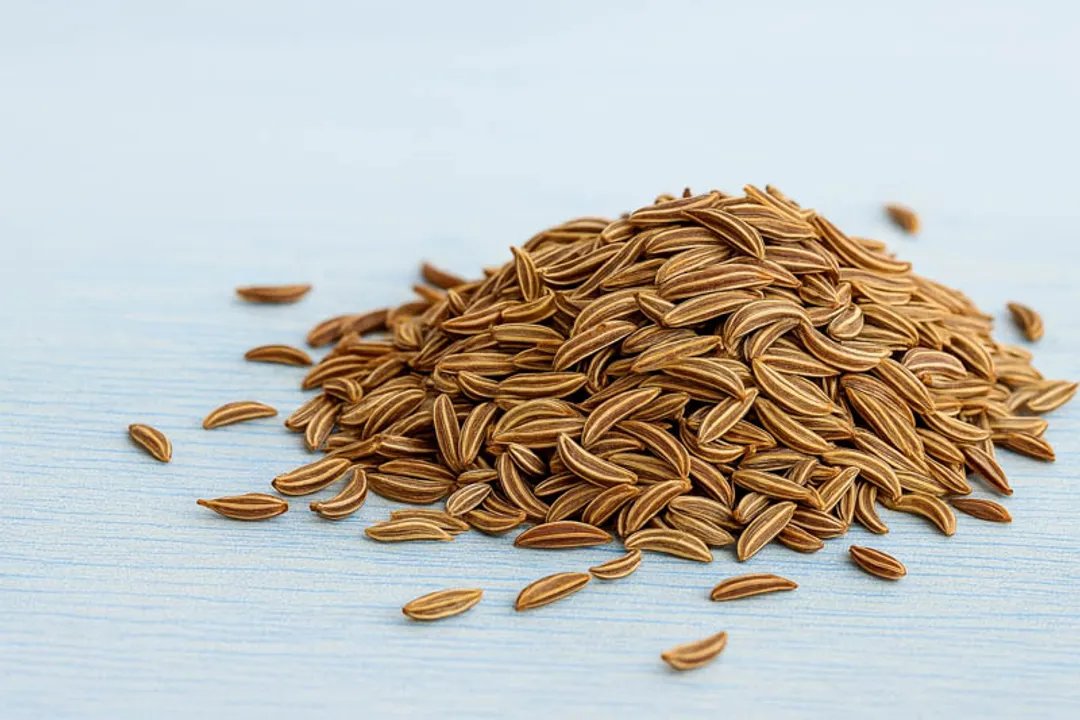
Beyond its immediate effects on digestion, the caraway seed offers a respectable profile of essential micronutrients, making it a beneficial addition to any culinary repertoire. [1][2] Although consumed in small quantities, these seeds contribute meaningfully to daily intake of several vital minerals. [2]
The nutritional breakdown shows good concentrations of iron, crucial for oxygen transport in the blood, and copper, which assists with iron absorption and energy production. [1][2] Furthermore, caraway is a source of calcium for bone health, magnesium involved in hundreds of bodily processes, and potassium, important for blood pressure regulation. [1]
| Nutrient Category | Key Components | Primary Benefit |
|---|---|---|
| Essential Oils | Carvone, Limonene | Digestive relaxation, antimicrobial [1][2] |
| Minerals | Iron, Copper, Calcium, Magnesium | Energy, Blood Health, Bone Structure [1][2] |
| Fiber | Dietary Fiber | Bowel regularity [2] |
The concentration of fiber in caraway is also noteworthy, supporting regular bowel movements and contributing to overall satiety when seeds are chewed or ground into food. [2]
# Antioxidant Strength
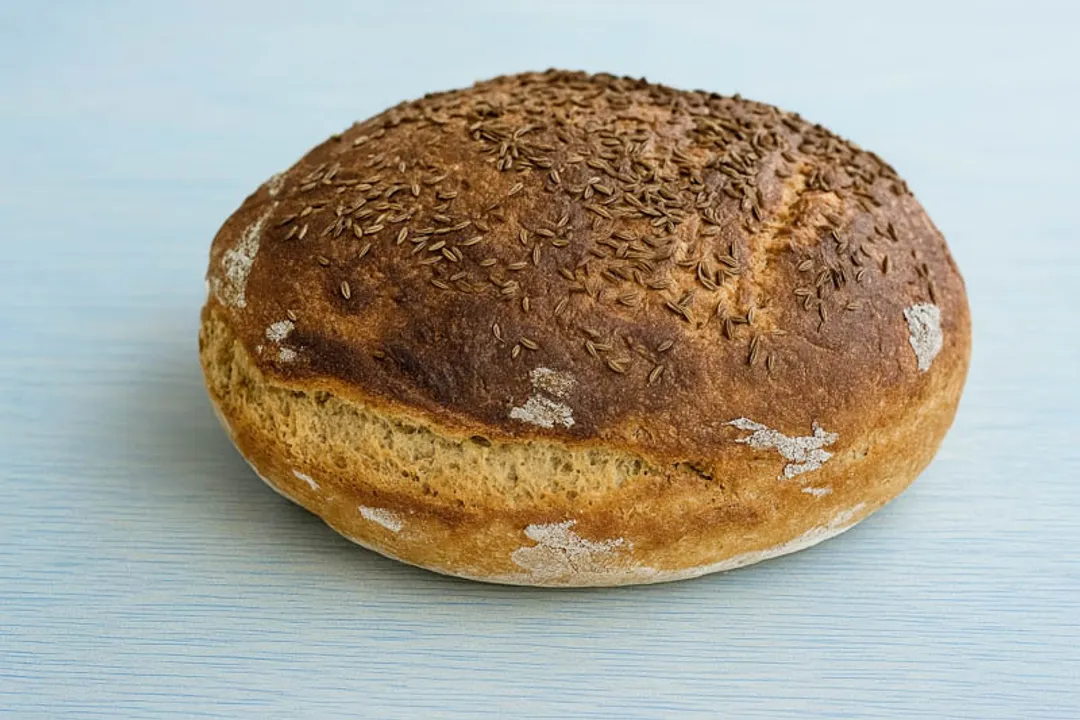
Like many potent spices, caraway seeds are rich in plant compounds known as antioxidants, which help protect the body from damage caused by unstable molecules called free radicals. [1] Oxidative stress is linked to the development of chronic diseases, so increasing dietary sources of antioxidants is a proactive health measure. [1]
The specific antioxidants found in caraway include various flavonoids and phenolic compounds. [1] While the exact potency can vary based on growing conditions, the presence of these phytochemicals suggests a role in supporting cellular health. When comparing it to other common European spices, caraway often shows a higher concentration of certain phenolic acids than spices like standard black pepper, though it may be slightly lower in total antioxidant capacity than high-potency items like cloves. [1] Understanding that these protective compounds are present, even in small amounts used for seasoning, underscores the value of regularly including the spice in your cooking. [1]
# Microbial Defense
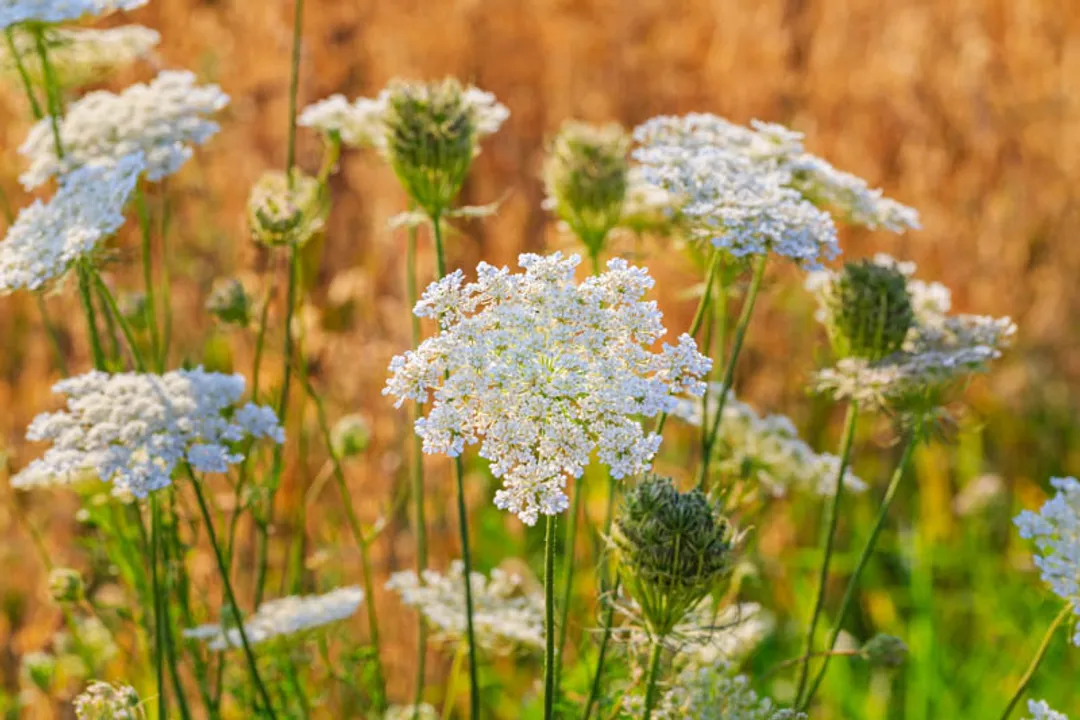
The essential oils that give caraway its signature flavor also possess properties that can inhibit the growth of certain microorganisms. [5] Studies have investigated caraway oil’s potential effectiveness against various strains of bacteria and fungi. [5] This inherent antimicrobial nature is one reason why caraway has been historically used as a natural preservative in foods, particularly those high in fat, as it can slow down spoilage processes. [5]
While this does not suggest it should replace necessary medical treatments, the intrinsic ability of the seed's extracts to challenge microbial activity is an interesting area of study. [5] For the home cook, this activity reinforces the traditional wisdom of pairing caraway with rich foods; it aids the digestion of heavy items while offering a natural barrier against unwanted microbial changes in the food itself. [5]
# Culinary Integration
In the kitchen, caraway seeds are prized for their unique profile: warm, slightly bitter, pungent, and distinctly aromatic, often featuring notes reminiscent of anise or dill. [9] This complexity allows it to pair exceptionally well with specific ingredients, moving beyond its most famous pairing with rye bread. [9]
It blends beautifully with root vegetables, especially cabbage, sauerkraut, and potatoes, where its sharpness cuts through richness. [9] It is also a common ingredient in certain cheese recipes, like the Dutch Leyden cheese, and is frequently used to season soups, stews, and meat dishes, particularly those featuring pork or duck. [9] When comparing its profile to cumin, which is generally earthier and warmer, caraway stands out for its distinctly sharp, almost minty-anise quality, making it less interchangeable than one might assume when swapping spices in a savory blend. [9]
For home cooks looking to maximize the flavor of this spice, preparation matters. For baking bread or slow-simmering stews, gently dry-toasting whole caraway seeds in a pan for just two minutes before grinding releases a deeper aromatic profile than simply adding them raw; however, be cautious not to overheat them, as the delicate carvone can turn acrid quickly. [1][5]
# Traditional Applications
Across various cultures, caraway has held roles beyond simple seasoning. It has been used in traditional practices to address issues such as poor appetite and general digestive discomfort. [4] Its use in tea form is common in many herbal traditions to settle the stomach after a heavy meal. [4]
Furthermore, caraway seeds have a history of use in applications aimed at supporting respiratory health, sometimes chewed to freshen breath or used in remedies aimed at clearing chest congestion, though scientific backing for these specific uses is less pronounced than for its gastrointestinal benefits. [3] In some historical texts, it was even incorporated into external preparations, though its primary modern medicinal association remains internal digestion. [3]
# Safety Considerations
Caraway seeds are generally recognized as safe when consumed in amounts typically found in food. [1][8] Because of their long history of use in cooking and traditional remedies, they possess a high degree of trust for general consumption. [8]
However, as with any concentrated botanical product, moderation is key, especially when considering medicinal amounts or concentrated oil. [8] Some sources advise caution regarding caraway use during pregnancy due to historical concerns about concentrated extracts, although normal culinary use is generally not restricted. [3] Individuals with specific allergies to plants in the Apiaceae family (which includes celery, anise, and fennel) might experience cross-reactivity, so introducing caraway should be done carefully in such cases. [8] If you are considering using caraway oil or high-dose supplements for therapeutic reasons, consulting with a healthcare provider is the most prudent step to ensure it aligns safely with your current health status and any medications you may be taking. [8]
Related Questions
#Citations
Caraway: Nutrients, Benefits, and Uses - Healthline
Caraway: Is It Good for You? - WebMD
Caraway as Important Medicinal Plants in Management of Diseases
Caraway: 8 Health Benefits & How to Use (Tea, Essential Oil & Spice)
Caraway Seeds Support Weight Loss, Blood Sugar & More - Dr. Axe
Caraway (Carum carvi): Benefits, Uses, and Growing Tips
Caraway Seeds: Combination of Original Taste and Healthy Properties
Caraway: Health Benefits, Side Effects, Uses, Dose & Precautions
What are Caraway Seeds: Uses, Substitute and Recipes - McCormick
Caraway – Health Information Library | PeaceHealth