Health Benefits of Cactus pear
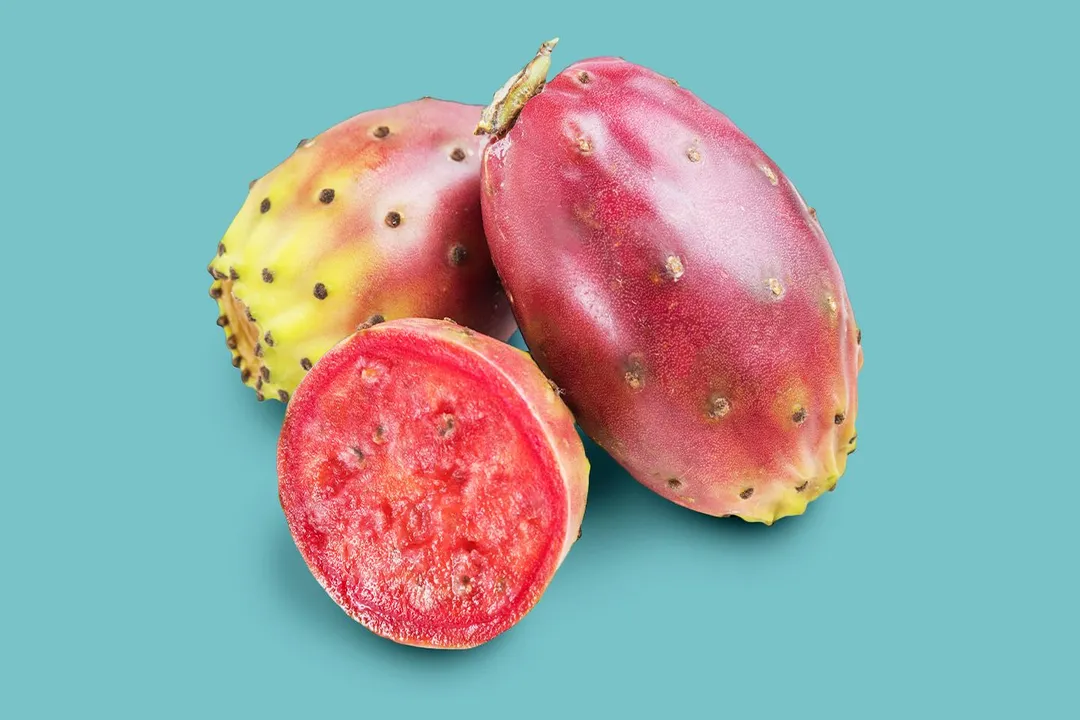
The prickly pear cactus fruit, sometimes called tuna fruit or barbary fig, has quietly moved from the arid landscapes and specialized markets into the mainstream, partly due to its surprisingly sweet, melon- or berry-like taste and its dense nutritional makeup. This fruit, which grows on the flat pads (nopales) of the Opuntia species, offers a unique way to ingest essential vitamins and powerful plant compounds, making it more than just a novelty in desserts or cocktails.
# Nutritional Profile
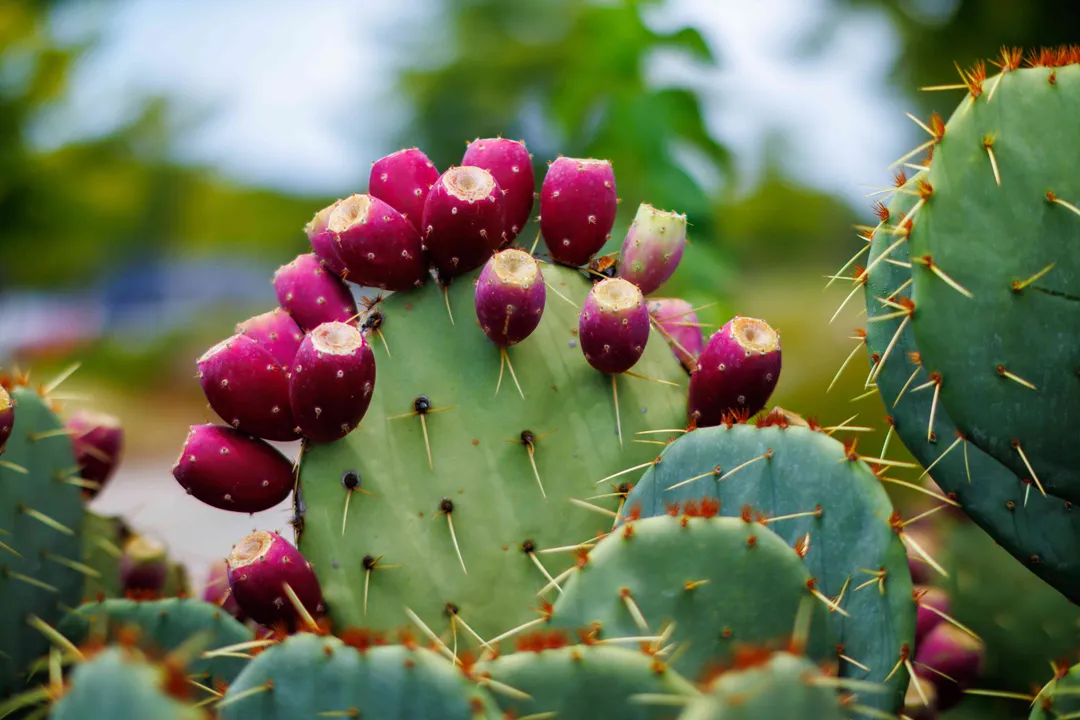
When examining what this fruit brings to the table, the calorie count is pleasantly low, with about 61 calories in a one-cup serving. This modest caloric load delivers a significant punch of micronutrients. For instance, a single cup can provide roughly 23% of the recommended Daily Value for Vitamin C, crucial for immune function and skin health. Beyond Vitamin C, prickly pear is an excellent source of minerals that many modern diets lack. A serving delivers about 30% of the DV for magnesium, a mineral essential for processes ranging from blood pressure regulation to stress response. It also contributes notable amounts of potassium (around 7% DV) and copper (around 13% DV). Carbohydrate-wise, it is relatively low, containing about 14 grams per cup, but crucially, it packs in about 5 grams of dietary fiber, offering a mix of both soluble and insoluble types important for digestion.
# Inflammation Defense
One of the most consistently highlighted attributes of cactus pear is its significant anti-inflammatory potential. Chronic inflammation is implicated in numerous long-term health issues, including arthritis and heart disease. Research suggests that consuming the fruit pulp can lead to measurable reductions in inflammatory markers such as C-reactive protein and tumor necrosis factor-alpha in humans. This effect is largely credited to the wealth of natural antioxidants present, including vitamins, carotenoids, flavonoids, and especially the potent pigments known as betalains. Betalains are the water-soluble pigments responsible for the vibrant red-purple coloring in some varieties, and they have been shown to interact beneficially with pathways involved in inflammation. In one study, participants who consumed prickly pear pulp twice daily saw greater decreases in inflammatory markers compared to those eating the same amount of other common fruits like apples or strawberries.

# Cardiovascular Support
The nutritional synergy in prickly pear points toward tangible benefits for the heart system. Reviews of existing research indicate that regular consumption of the fruit is associated with reductions in total cholesterol and LDL, often termed "bad" cholesterol. Furthermore, the minerals it contains, like potassium and magnesium, are well-established contributors to healthy blood pressure management. Beyond systemic markers, preliminary human studies involving athletes suggested that prickly pear juice could help lessen the heart’s overall stress response to intense physical exertion. In one small trial, athletes drinking prickly pear juice experienced reductions not only in circulating lipids but also in malondialdehyde (MDA), a marker that spikes to indicate oxidative stress after strenuous activity. The presence of pectin, a type of soluble fiber, is also thought to contribute to beneficial effects on blood fat levels.
# Blood Sugar Regulation
Prickly pear has a history in traditional medicine for addressing issues related to blood sugar, and some modern trials offer support for this application. The soluble fiber component, pectin, is believed to play a role in slowing down sugar absorption, which can help stabilize glucose levels. A randomized, controlled study demonstrated that participants with impaired fasting glucose—a state often preceding Type 2 diabetes—saw significant drops in their fasting blood glucose levels after a 12-week period of consuming an Opuntia ficus-indica extract. Interestingly, the extract in this context even improved blood lipids and regulated glucose more effectively, even at low concentrations, than resveratrol, a well-known antioxidant. This information strongly suggests dietary inclusion could be supportive, though it is always wise for individuals managing diagnosed diabetes to consult their physician before making significant dietary changes involving concentrated fruit products.
# Cellular Protection
Moving beyond typical dietary support, some specialized research has delved into the fruit's ability to guard the very building blocks of life. Using a complex in vivo model in mice, researchers evaluated the fruit’s potential to protect against damage caused by a known mutagen, methyl methanesulfonate (MMS). This type of study examines anticlastogenic potential—the ability to prevent breaks or damage to chromosomes. The results were compelling: the red-purple variety of prickly pear juice (PPRP) demonstrated a significant, dose-dependent reduction in the frequency of micronuclei (indicators of genetic damage) in the mice when administered before the mutagen. This protective effect was observed to be proportional to the dose administered, suggesting that the high concentration of bioactive compounds, particularly betalains and flavonoids present in the red-purple flesh, provide a direct shield against chemically induced genotoxicity. It is noteworthy that the juice itself was confirmed to be non-genotoxic, supporting the idea that these vibrant compounds offer defense without introducing harm.
# Gut Balance
A healthy gut microbiome is increasingly recognized as central to overall wellness, and prickly pear shows promise in influencing this delicate ecosystem. One clinical trial specifically investigated the impact of an Opuntia ficus-indica extract on adults struggling with gut bacteria imbalance. After eight weeks of daily supplementation, participants showed positive shifts in their gut microbiota, characterized by an increased abundance of beneficial bacteria and a decrease in those associated with inflammation. This change in internal balance seemed to correlate with real-world relief, as the same group reported an improvement in common gastrointestinal symptoms like bloating and general pain. The fruit’s fiber content naturally supports digestion, but the impact of its bioactive compounds on microbial populations appears to be a distinct benefit.

# Preparation Nuances
While the benefits are clear, enjoying prickly pear requires respecting its defensive exterior. Both the fruit and the flat pads (nopales) are covered in tiny, hair-like spines called glochids that are extremely irritating and must be removed entirely before consumption. When dealing with the fruit, wearing gloves and using tongs is essential for handling. A common method for removing glochids involves briefly passing the fruit over an open flame or scrubbing them off with a vegetable brush before slicing the skin away. If you are sourcing the flat pads (nopales) for savory dishes like tacos or eggs, they must also be scraped clean and peeled.
Here is a practical consideration for maximizing the intake of protective compounds: since the study indicated that the red-purple variety of juice provided the highest in vitro antioxidant activity due to its higher betanin content, readers aiming for the most potent anti-inflammatory or anticlastogenic boost should prioritize seeking out the deep red or purple fruits over the lighter yellow or white ones. While all colors offer nutrients and fiber, the color itself is an indicator of the most powerful pigment compounds. For consumption, the fresh fruit pulp can be enjoyed raw, blended into smoothies, or made into jams, while the nopales are excellent grilled or sautéed.
The traditional uses and modern research converge on the idea that the cactus pear is a functional food, rich in compounds that go beyond basic sustenance to actively support health maintenance. Integrating this fruit, with careful preparation to remove its spines, offers a delicious way to access significant amounts of Vitamin C, magnesium, and powerful, color-derived antioxidants that work to reduce systemic inflammation and protect cellular structures.
Related Questions
#Citations
Science-Backed Benefits of Prickly Pear Cactus - Healthline
Learn About the Health Benefits of Cactus Fruit
What Happens to Your Body When You Add Prickly Pear to Your Diet
Antioxidant and Anticlastogenic Capacity of Prickly Pear Juice - PMC