Health Benefits of Pear

The humble pear, often overshadowed by flashier fruits, possesses a remarkable nutritional profile that merits closer attention. It is more than just a sweet, crisp snack; it is a compact source of essential compounds that actively support long-term health, from maintaining a happy gut to safeguarding the cardiovascular system. [1][3] The enjoyment of this fruit begins with its texture—whether you prefer the granular crunch of a firm Bartlett or the buttery softness of a well-ripened Comice—and this textural experience often dictates how we consume its inherent goodness. [2]
# Fiber Content
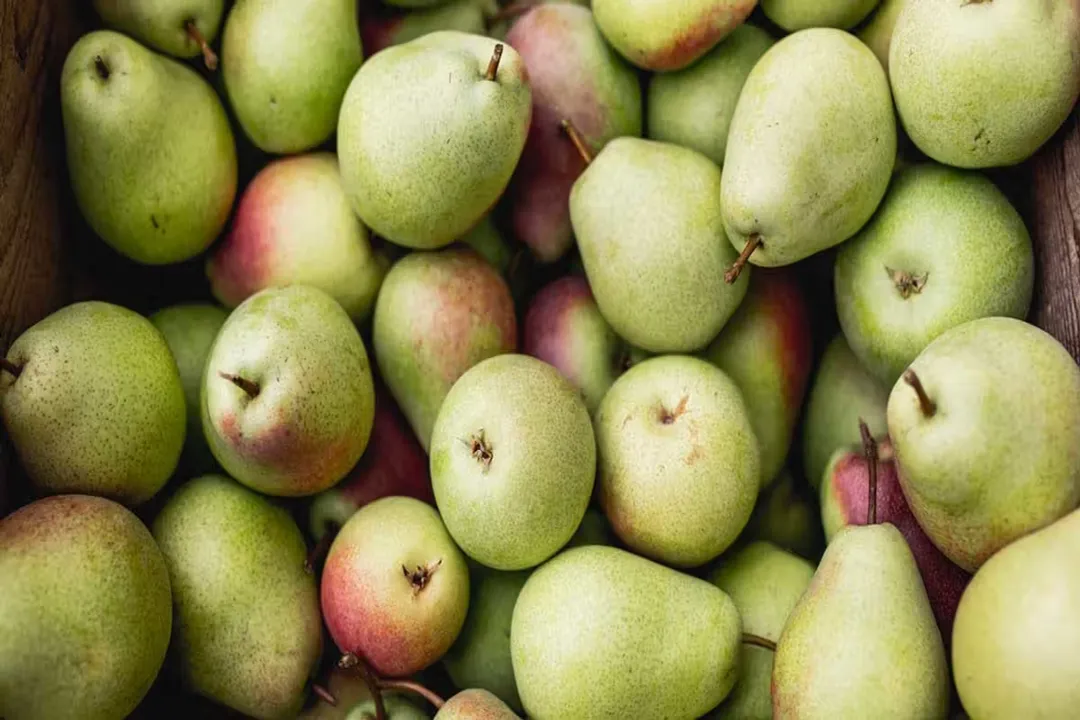
Pears stand out significantly in the produce aisle due to their exceptionally high dietary fiber content. [1][7] A single medium-sized pear can supply about six grams of fiber, contributing substantially toward the recommended daily intake for adults. [4][7] This fiber isn't monolithic; it comes in both soluble and insoluble forms, each serving a distinct purpose within the body. [1]
Insoluble fiber provides the necessary bulk, aiding in the smooth, regular transit of food through the digestive tract, effectively helping to prevent constipation. [1] The soluble fiber component, however, is where pears truly shine for metabolic health. This type of fiber includes pectin, which is particularly noteworthy. [1] Pectin acts as a prebiotic, meaning it is fermented by the beneficial bacteria residing in your large intestine. [3] This fermentation process yields short-chain fatty acids (SCFAs) that nourish the gut lining and influence wider systemic health. [3] Consuming enough fiber daily, which pears readily offer, is a simple yet powerful dietary action to maintain digestive harmony. [4]
# Heart Support
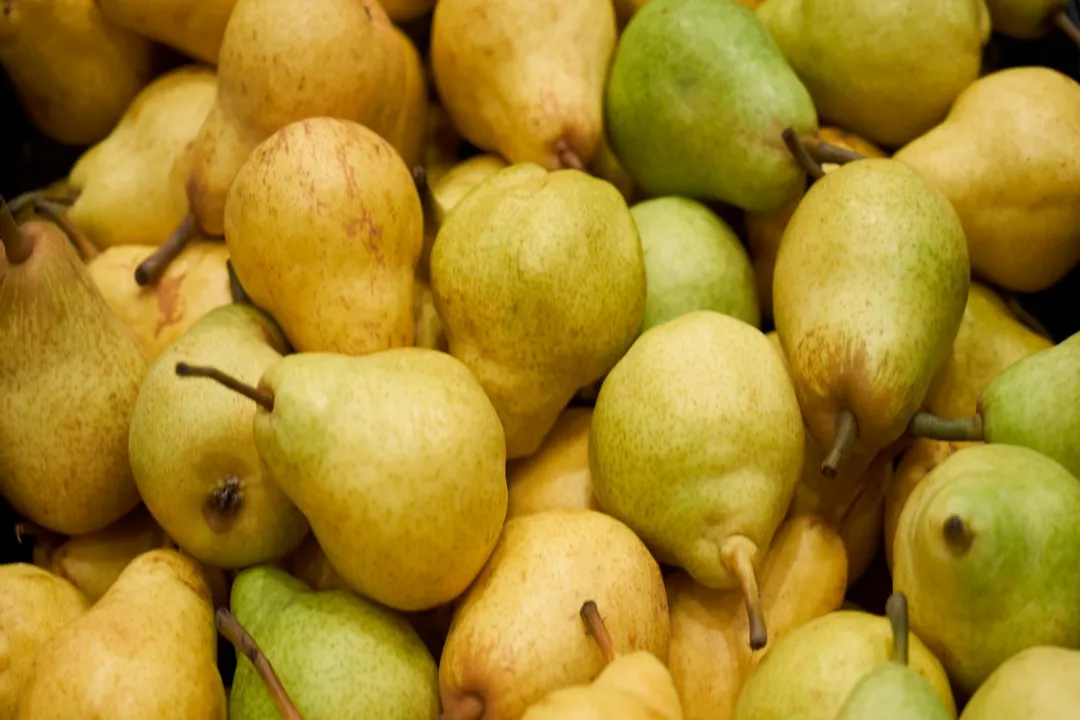
The contribution of pears to cardiovascular wellness stems primarily from their fiber content working in tandem with their rich array of phytonutrients. [1][8] As mentioned, the soluble fiber, pectin, is particularly effective at lowering levels of LDL or "bad" cholesterol. [1] It achieves this by binding to the cholesterol in the digestive tract, preventing its absorption into the bloodstream and facilitating its excretion from the body. [1]
Beyond structural fiber, pears are loaded with polyphenols and other antioxidant compounds. [3][8] These plant chemicals play a protective role by counteracting the damaging effects of oxidative stress and inflammation, factors strongly implicated in the development of heart disease. [3][8] The skin of the pear, in particular, concentrates many of these beneficial flavonoids, reinforcing the advice to consume the fruit unpeeled whenever possible. [1] Furthermore, some studies suggest that regular intake of high-polyphenol fruits like pears can contribute to better blood pressure regulation due to their impact on vascular health. [8]

# Blood Sugar Balance
For individuals managing blood glucose levels, such as those with diabetes, the pear is often viewed as a safer and more supportive fruit choice compared to many others. [9][2] This favorable profile is directly linked to its high fiber structure and its resulting Glycemic Index (GI). [9] Pears generally rank low on the GI scale, meaning they cause a slower, more gradual increase in blood sugar after consumption rather than a sharp spike. [9][2]
This gradual absorption is a direct benefit of the fiber matrix. [9] When you eat a pear, the fiber acts like a physical barrier, slowing down the enzymatic action required to break carbohydrates into simple sugars that enter the blood. [9] The fiber content also contributes to satiety, which can indirectly help manage overall carbohydrate intake throughout the day. [1]
Consider the texture when selecting your fruit for optimal blood sugar management. A slightly firmer pear, where the fiber structure is more intact, may offer a marginally slower sugar spike than one that is fully soft and mushy, as the physical structure of the fruit resists immediate breakdown in the mouth and stomach. [5] While pears are nutritious, it is important to pair them with protein or healthy fats, especially if you are monitoring your intake strictly, to further modulate the absorption rate. [9]
# Potent Antioxidants
Pears are truly a powerhouse when it comes to antioxidant capacity, often rivaling well-known "superfoods". [3] The primary protective elements found in pears are the flavonoids. [8] These compounds are key players in neutralizing free radicals—unstable molecules that can cause cellular damage and contribute to chronic diseases. [8]
One fascinating area of research involves the specific pigments found in certain cultivars. Red pears, for instance, contain anthocyanins, the same vibrant pigments responsible for the color in blueberries and red cabbage. [8] These anthocyanins are associated with significant antioxidant and anti-inflammatory effects. [8] The concentration of these powerful agents means that eating a pear contributes meaningfully to the body's overall defense system against cellular aging and oxidative damage. [3] While peeling removes a significant portion of these benefits, the flesh itself still retains substantial nutritional value. [1]
# Essential Micronutrients
While often celebrated for fiber and antioxidants, pears also serve as a reliable source of several vital vitamins and minerals necessary for daily bodily functions. [4][7]
# Bone and Clotting Support
Pears are an excellent source of Vitamin K. [7] This fat-soluble vitamin is indispensable for the body’s ability to properly clot blood following an injury. [4] Beyond immediate repair, Vitamin K is also increasingly recognized for its role in bone metabolism, helping to direct calcium to the skeletal structure and potentially reducing the risk of fractures. [4] For older adults, ensuring adequate Vitamin K intake through foods like pears can be a proactive step toward maintaining bone density. [7]
# Immune Function
They also deliver a respectable amount of Vitamin C. [4] Vitamin C is perhaps the most famous water-soluble antioxidant, crucial for supporting the immune system by aiding various cellular functions within the body. [4] Though perhaps not as high as citrus fruits, the contribution from a daily pear adds up, especially when consumed regularly throughout the year. [7]
# Weight Management
Managing a healthy weight often comes down to controlling hunger between meals, and this is where the composition of the pear proves beneficial. [1] Because they are high in fiber and water, pears have a low energy density. [1] Energy density refers to the number of calories packed into a given weight of food. Fruits with low energy density, like pears, take up more volume in the stomach for fewer calories, leading to a faster and longer-lasting sensation of fullness, or satiety. [1]
Incorporating a pear into a mid-morning snack, for example, can curb the desire to reach for higher-calorie, nutrient-poor options later in the day. [1] This satiety effect is a natural mechanism for appetite control, requiring no complicated counting or restriction beyond choosing naturally filling foods. [1]

# Practical Choices and Preparation
Understanding how to select and prepare pears can maximize their health impact. Pears do not ripen well when picked prematurely and left on the counter; they ripen best when picked at maturity and allowed to soften slightly off the tree. [2] This ripening process converts starches to natural sugars, which is why a rock-hard pear tastes less sweet than one that yields gently to pressure. [2]
While pears are wonderful year-round, remembering that local, seasonal varieties—often found at farmer's markets—tend to have higher initial nutrient content than those shipped long distances can influence your choice. Opting for a crisp Bosc or Anjou when Gala apples are out of season provides a distinct textural and nutritional alternative in your fruit bowl, offering different amounts of specific antioxidants depending on the cultivar. [8] Because the majority of antioxidants reside in or just beneath the skin, eating them whole is the simplest way to ensure you ingest the maximum possible benefit. [1] If peeling is necessary due to texture preference or specific dietary needs, consider lightly steaming the pear afterward; while some water-soluble vitamins may leach, the remaining structure still offers significant fiber and mineral content. [5]
# Comparisons with Other Fruits
To appreciate the pear's unique standing, it helps to see how it compares to common alternatives. While berries often get attention for their anthocyanin content, pears offer a superior dose of dietary fiber per serving compared to many common berries like strawberries. [7] Furthermore, while bananas are popular for potassium, pears often contain a slightly higher concentration of Vitamin K. [4][7]
In terms of glycemic impact, pears maintain a favorable standing. When compared to fruits like dried figs or even overripe bananas, the pear maintains a lower average GI score, provided it has not been processed into jam or canned in heavy syrup, which strips away the beneficial structure. [9] For someone looking to swap out a common, sugary breakfast item—say, a sugary breakfast cereal—replacing it with a medium pear provides comparable carbohydrates but delivers six grams of beneficial fiber, an amount that the cereal likely lacks entirely. [4]
The versatility in texture is another benefit that encourages regular consumption. A person might tire of the uniform texture of an apple but find that the pear's ability to shift from firm to yielding provides variety in their daily intake, reducing diet fatigue. [2] This variety helps ensure dietary adherence over time, which is arguably the most important factor in achieving long-term health gains from any food. [1]
Related Questions
#Citations
9 Health and Nutrition Benefits of Pears - Healthline
6 Reasons to Eat More Pears | Hartford HealthCare
Systematic Review of Pears and Health - PMC - PubMed Central
5 Reasons Pears Are Good for You - Health Cleveland Clinic
[PDF] The Health Benefits of Pears
5 ways pears boost your health. - YouTube
Top 5 health benefits of pears - BBC Good Food
Nutrients, bioactives, health-promoting effects, and related products ...
Pears and Diabetes: Benefits, Risks, and Nutrition - WebMD