Health Benefits of Arame
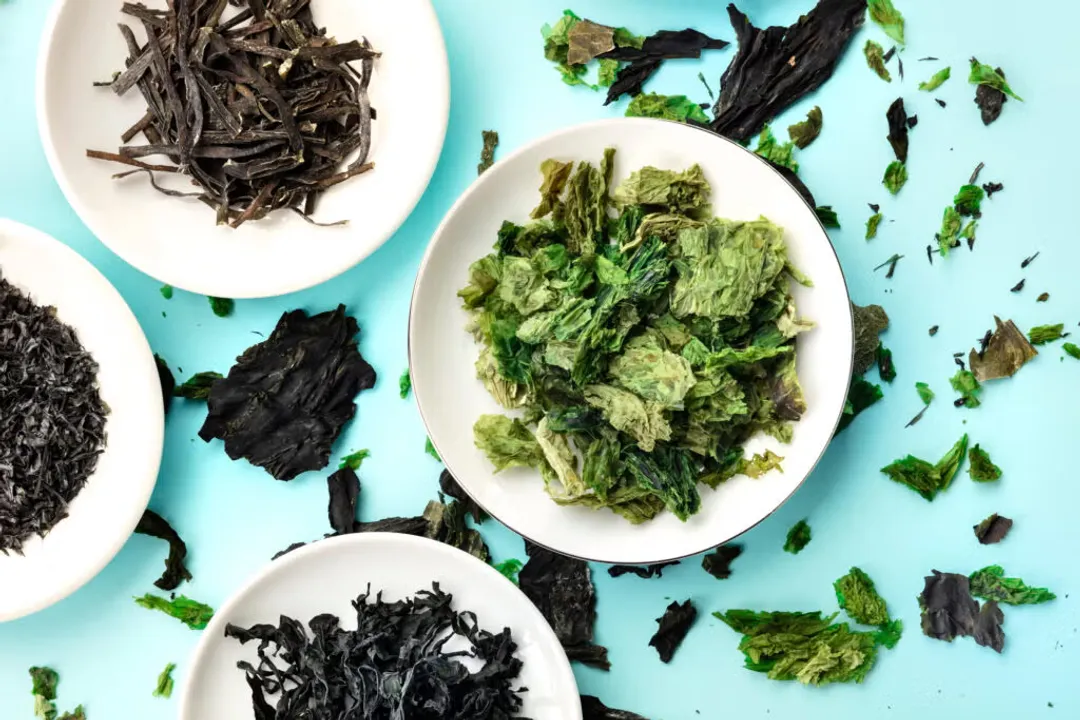
Arame, often appearing as long, delicate brown strands alongside sushi or as a subtle garnish, is a brown seaweed belonging to the kelp family, scientifically known as Eisenia bicyclis. [7] While many in Western diets only recognize familiar sea vegetables like nori or wakame, arame has been a valued component of traditional East Asian diets for centuries, prized not just for its subtle, slightly sweet flavor and unique texture but also for its dense nutritional composition. [6][7] Historically, this unassuming sea plant was integrated into folk remedies, often associated with supporting thyroid function and providing a gentle means of detoxification. [7]
# Arame Identity
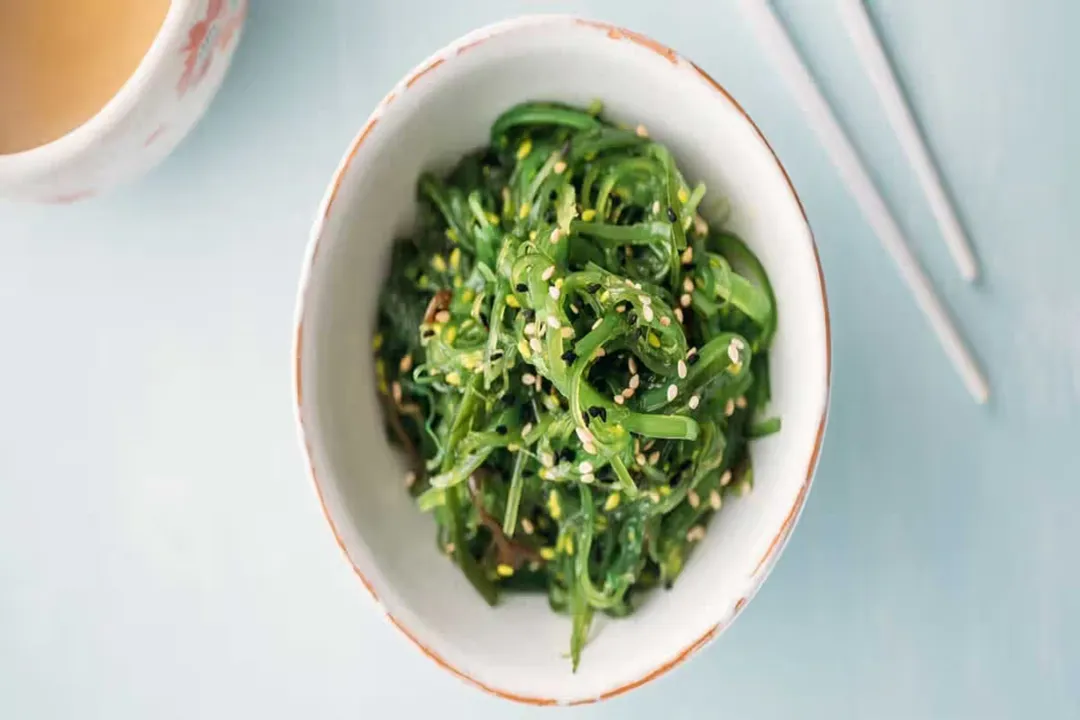
Arame is typically sourced from the cool waters of the Pacific, particularly around Japan and Korea, though it is now cultivated widely. [7] In its processed form, it is often sold shredded, air-dried, and cooked, requiring only a quick rehydration soak to become tender and ready for culinary use. [6] Unlike its relative kombu, which has a powerful umami flavor, arame is milder, making it exceptionally versatile in the kitchen, suitable for adding texture to salads, soups, and stir-fries. [6][7]
# Nutrient Profile

The main draw of including arame—and sea vegetables generally—in the diet is the concentration of vitamins and minerals absorbed from the ocean environment. [1][5] Arame is noted for being rich in several key elements, including iodine, calcium, magnesium, and iron. [7]
This dense mineral profile is complemented by other beneficial compounds also found across the broader seaweed spectrum:
- Fiber: Arame provides fiber, which is essential for enhancing digestive health by promoting a faster transit for waste material. [6]
- Vitamins: It contains Vitamin A, known for aiding skeletal maintenance and vision. [6] Other seaweeds generally offer vitamins A, C, E, B vitamins, copper, and magnesium. [1]
- Antioxidants: Sea vegetables contain protective compounds like polysaccharides (e.g., alginates) and polyphenols, which help shield cells from damaging free radicals. [1][5]
While arame is a good source of minerals, the exact nutrient content varies significantly based on the species, the location and season of harvest, and how the seaweed is processed. [5]

# Thyroid Support Iodine
Iodine is arguably the most significant mineral contribution from sea vegetables, as the body cannot produce it and must acquire it through diet. [3][4] Arame is abundant in iodine. [7] This trace mineral is critical for the proper functioning of the thyroid gland, which governs metabolism, energy conversion at the cellular level, growth, and repair. [4][6] Tyrosine, an amino acid also found in seaweed, works alongside iodine to synthesize the key thyroid hormones T3 and T4. [4]
The benefit of iodine is dose-dependent. The Recommended Daily Allowance (RDA) for adults is around daily, with a Tolerable Upper Intake Level (UL) set at . [4] Seaweeds like kelp (kombu) can contain thousands of percentage points of the RDA in a small serving, which is generally beneficial for populations at risk of deficiency, such as those following vegan diets. [4][7] For arame specifically, while it is iodine-rich, traditional preparation methods or reasonable portions are vital to stay within safe limits. [6][7] Given that many common sea vegetables can contribute iodine levels that might exceed the UL if eaten daily, consuming them intermittently is often the safer approach. [2][4] Cooking, such as boiling, can reduce the iodine content, which is one way consumers can manage their intake if they are concerned about thyroid sensitivity. [4]
# Digestive Tract Health
The high fiber content in arame is a key factor in its support for the digestive system. [6] Dietary fiber resists human digestion and instead acts as a prebiotic, serving as food for the beneficial bacteria in the large intestine. [3][5] This fermentation process by gut microbes produces beneficial compounds like short-chain fatty acids (SCFAs), which nourish the cells lining the gut. [4][5]
Arame, as a brown seaweed, contains specific polysaccharides like alginates. [1][5] Alginates are recognized for potentially offering a protective effect on the gastrointestinal system. [1] In a broader sense, sea vegetables rich in fiber are also associated with promoting satiety and slowing down the speed of digestion, which can aid in overall metabolic regulation. [4] Historically, arame was sometimes used in broths to soothe digestive complaints due to its naturally mucilaginous texture. [7]

# Metabolic Functions
Beyond direct gut support, the bioactive compounds in sea vegetables are being studied for their broader influence on metabolic health, which encompasses the function of the thyroid, pancreas, and cardiovascular system. [1]
The fiber and polysaccharides in seaweeds, including those in arame, are linked to helping stabilize blood sugar levels. [2][4] Compounds like alginate may reduce how quickly sugar is absorbed into the bloodstream, while other components, such as fucoxanthin (found in brown seaweeds like arame), have been associated in some studies with improving insulin resistance. [4] Furthermore, research on whole seaweeds suggests potential benefits for maintaining healthy lipid levels and supporting weight management, partly by improving satiety. [1]
Cardiovascular benefits are also suggested. The soluble fiber and omega-3 fatty acids common in sea vegetables may support heart health. [2] Moreover, specific compounds like fucans may help prevent excessive blood clotting, and peptides have shown potential in animal models to block pathways that raise blood pressure. [4]
# Potential Risks Moderation
While the nutritional profile is compelling, incorporating arame and other sea vegetables requires awareness of potential risks, primarily revolving around mineral concentration and contamination. [8]
# Sodium and Heavy Metals
Because sea vegetables absorb compounds directly from the seawater, they can accumulate salt. [6] Arame, in particular, can be high in sodium, which is a concern for anyone monitoring salt intake, although some manufacturers offer lower-sodium options. [6]
A more serious consideration is the presence of heavy metals. [4] Seaweeds can absorb metals like cadmium, mercury, and lead from contaminated waters. [3][8] The key differentiator between safe seaweeds and those to avoid often comes down to the type of contaminant and the specific species. For example, the brown seaweed hijiki is widely cautioned against in several countries due to high levels of inorganic arsenic, which is toxic. [3][8] In contrast, studies characterizing arame suggest that while its total arsenic concentration might be higher than dulse or nori, the amount of the harmful inorganic form is generally found to be low, suggesting it remains a safer choice among the group, provided it is sourced responsibly. [8]
A Practical Note on Sourcing: Since heavy metal accumulation depends entirely on the water quality, one of the most important yet overlooked steps for regular consumers is verifying the source. If you plan to consume arame frequently, opting for organic certification or products that disclose their harvesting location helps mitigate the risk associated with unmonitored environmental contamination. [2][3]
# Iodine Balance
As noted in the thyroid section, the iodine in seaweed is a double-edged sword. While essential, consuming high amounts regularly can disrupt thyroid hormone production, potentially leading to hypothyroidism, which shares symptoms with deficiency, such as fatigue or neck swelling. [4] While some studies show that sea vegetables can improve iodine status in deficient individuals, consuming certain varieties (like kelp) daily can push intake well above the upper limit. [4][8]

# Culinary Integration
Incorporating arame into your diet is straightforward given its mild taste, which doesn't overpower a dish. [6] It needs to be rehydrated before use, typically becoming tender after soaking. [6] Beyond traditional Asian applications like soups or salads, look for ways to blend it into familiar preparations.
For instance, since arame has a subtle flavor, it can be finely chopped after soaking and folded into a simple vegetarian scramble or mixed into a savory, creamy dip, perhaps substituting for milder greens to introduce extra minerals without a strong marine taste. [1][6] Another excellent approach, inspired by traditional recipes, involves using rehydrated, finely minced arame as a topping. Try sprinkling the softened strands over avocado toast, alongside a fried egg, or mixed into cooked grains like quinoa or brown rice before serving, allowing the natural minerals to season the base ingredients. [1] This method allows you to enjoy the nutritional boost with minimal preparation effort.
Ultimately, the general guideline suggested for enjoying sea vegetables is to consume them regularly but in moderation. [4] Given the advice that seaweed consumption should perhaps be limited to once a week due to iodine variability, [2] balancing arame's nutritional contribution with the need to avoid excessive intake of minerals like iodine and sodium is key to maximizing its health-supportive role. [6][8]
Related Questions
#Citations
7 Surprising Health Benefits of Eating Seaweed - Healthline
Health Benefits of Seaweed - WebMD
Seaweed - The Nutrition Source
Risks and benefits of consuming edible seaweeds - PMC
The Nutrition of Arame / Nutrition / Healthy Eating - FitDay
Ingredient: Arame - Caring Sunshine
The health benefits of seaweed - BBC Good Food
Benefits of Sea Vegetables for Health, Climate, & More - Gaia Herbs