Health Benefits of Anise

Anise, a spice renowned for its distinct sweet, licorice-like aroma and flavor, has been valued for centuries, not just in the kitchen but also in traditional medicine cabinets across the globe. [5][7] While it shares a name and flavor profile with other aromatics like fennel and tarragon, true anise, derived from the seeds of the Pimpinella anisum plant, holds a unique chemical composition that contributes to its various potential health effects. [5] Even its popular counterpart, star anise (Illicium verum), which is botanically different, shares some of these same beneficial properties due to similar active compounds, though careful differentiation is key when discussing specific medicinal applications. [1][9]
# Flavor History
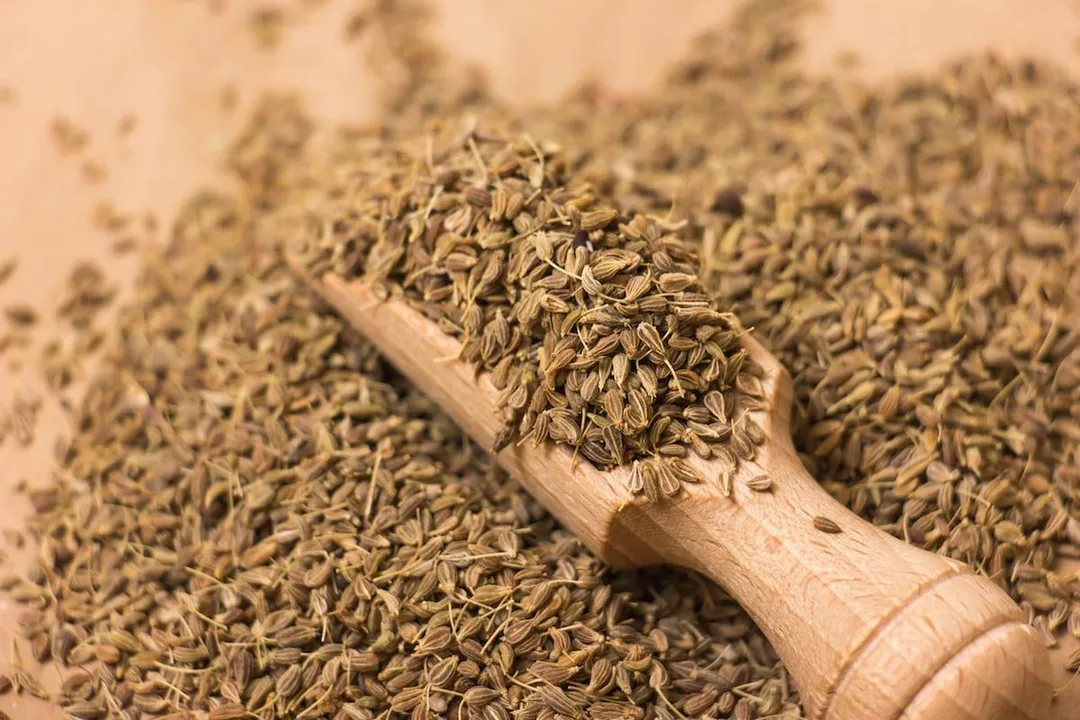
The story of anise stretches back into antiquity, with records showing its use by ancient Egyptians, Greeks, and Romans. [5] Its versatility allowed it to transition smoothly from being a digestive aid used in bread and confectionery to a key flavoring agent in beverages like absinthe. [5] This long history of consumption speaks volumes about its acceptance and perceived safety within culinary traditions, suggesting a long-standing human experience with its properties. [5]
# Active Components
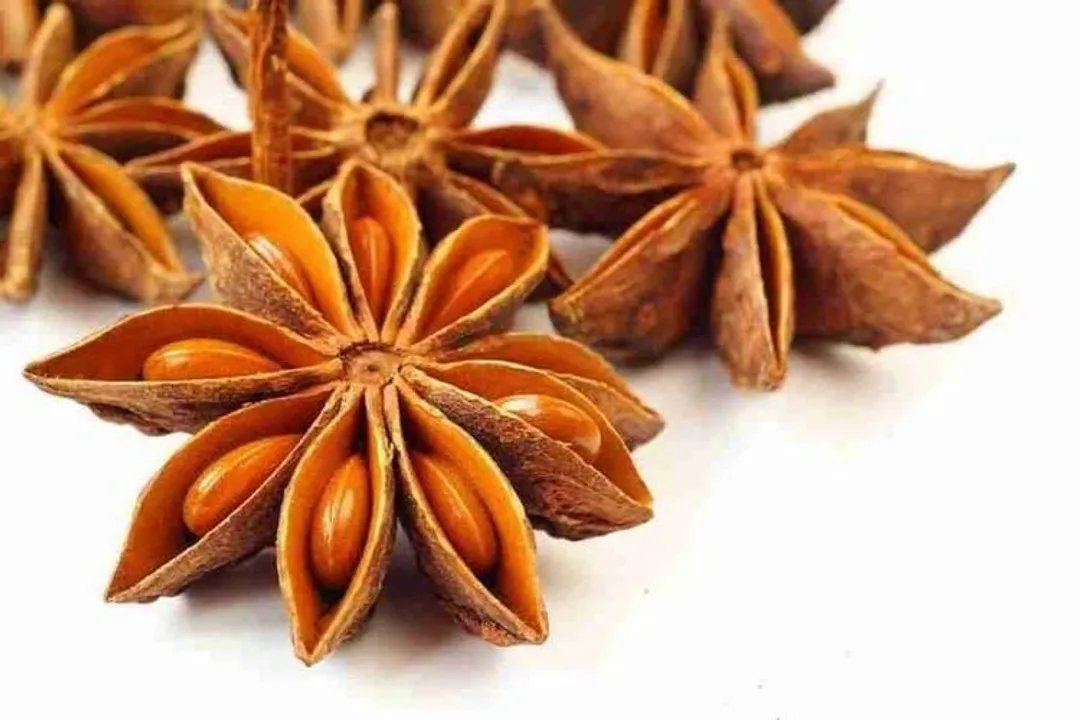
Much of the medicinal interest in anise centers on its essential oil, which is rich in a compound called anethole. [1][4][6][8] Anethole is primarily responsible for that characteristic sweet flavor. [1][4] Beyond anethole, anise seeds contain several other beneficial components, including vital minerals, fiber, and various compounds that possess antioxidant activity. [1][8] For example, research indicates that extracts from anise exhibit high levels of polyphenols, which are known plant compounds that help protect cells from damage caused by free radicals. [1][8] This wealth of bioactive constituents forms the basis for many of its traditional uses, from settling the stomach to providing respiratory relief. [3][4]

# Digestive Support
Perhaps one of the most commonly cited historical uses for anise involves soothing the digestive tract. [2][10] Many people turn to anise tea or consume anise-flavored foods after a heavy meal hoping to alleviate discomfort. This benefit is often attributed to the spice’s carminative properties, meaning it can help relieve gas and bloating. [3][5] By helping to reduce gas buildup, anise may also ease the symptoms of indigestion. [2][10] Some scientific investigation suggests that anise may encourage the production of digestive enzymes, which aids in the overall breakdown of food and nutrient absorption. [4]
It can be insightful to observe how different cultures integrate this digestive benefit. In many Mediterranean and Middle Eastern baking traditions, anise is incorporated into biscuits or bread intended to be consumed after large, rich meals, serving as a gentle, proactive measure rather than just a reactive remedy. [5] If you are using anise specifically for digestive calmness, consider brewing a cup of plain anise tea shortly after eating to allow the volatile oils to work directly on the stomach, rather than relying solely on a highly processed baked good where the concentration might be lower.
# Respiratory Comfort
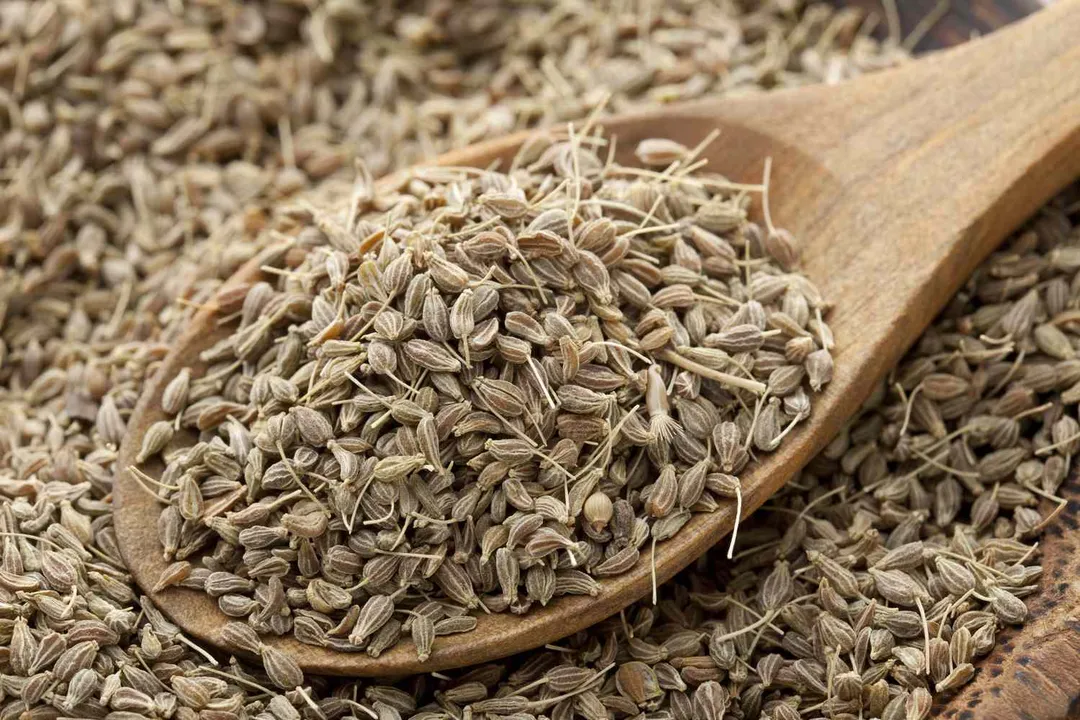
The warm, pungent nature of anise lends itself well to remedies aimed at the upper respiratory system. [3] It has historically been employed to address coughs, bronchitis, and general throat irritation. [1][3] Due to its chemical makeup, anise is thought to possess expectorant qualities, which means it can help loosen and expel mucus from the airways, thereby easing congestion. [3] This application makes it a frequent, though often unsung, component in many older cough syrups and throat lozenges. [1][3]
# Blood Sugar Effects
Modern research has begun to look closely at anise's potential role in metabolic health, particularly concerning blood sugar regulation. [1][4][6] Studies suggest that anethole and other components found in anise may mimic the actions of insulin or enhance the body’s sensitivity to insulin. [6] This property hints at a possible role in helping to manage blood glucose levels, which is a significant area of interest for those monitoring their sugar intake or managing diabetes risk. [1][4] It is important to note that while these findings are promising from a research perspective, they are not a substitute for prescribed medical treatment for blood sugar conditions. [6]
# Hormonal Balance
Another area where anise has shown potential is in supporting hormonal health, particularly for women. [1][4] Anise contains phytoestrogens—plant compounds that can weakly mimic the effects of the hormone estrogen in the body. [1][4][6] This mild estrogenic activity may translate into relief from certain symptoms associated with menopause, such as troublesome hot flashes. [1][4] Furthermore, traditional uses often point toward anise’s ability to help regulate menstrual cycles and alleviate the cramping and discomfort associated with menstruation. [3][5] This complex interaction with the endocrine system requires careful consideration, especially for individuals on hormone-sensitive medications. [4]
# Defense Mechanisms
The protective aspects of anise extend beyond internal support to potential external defenses as well. Studies have indicated that extracts from anise seeds can exhibit notable antimicrobial and antifungal activities. [1][4][6] The essential oil, rich in anethole, has been shown in laboratory settings to inhibit the growth of various types of bacteria and fungi. [1][6] While this doesn't translate directly to curing infections in the human body, it suggests the spice possesses natural properties that can inhibit microbial proliferation, which may contribute to its use as a natural preservative in some food preparations. [4]
# Culinary and Preparation Methods
Anise finds its way into the diet through several different forms, allowing for varied exposure to its beneficial compounds. [7] The seeds themselves can be chewed whole, ground into a powder for baking, or steeped to make a tea. [7]
| Form of Anise | Primary Use | Key Benefit Highlighted |
|---|---|---|
| Whole Seeds | Baking, brewing, seasoning | Flavor and mild digestive aid [7] |
| Ground Powder | Spice rubs, baked goods | Easy integration into recipes [7] |
| Essential Oil | Diluted topical use, flavoring | High concentration of anethole |
| Tea Infusion | Beverage | Direct delivery for digestion/respiratory support |
When making an infusion, the concentration of the beneficial oils will vary based on the steeping time and water temperature. For general wellness, steeping about one teaspoon of crushed seeds in a cup of hot water for ten minutes is a common starting point. [7] If you are preparing anise for respiratory purposes, try infusing it with other traditional soothing herbs like ginger or mint; the combined action might provide greater comfort than anise alone, which is an ancient concept of synergistic herbalism. [3]
# Distinctions in Use and Safety
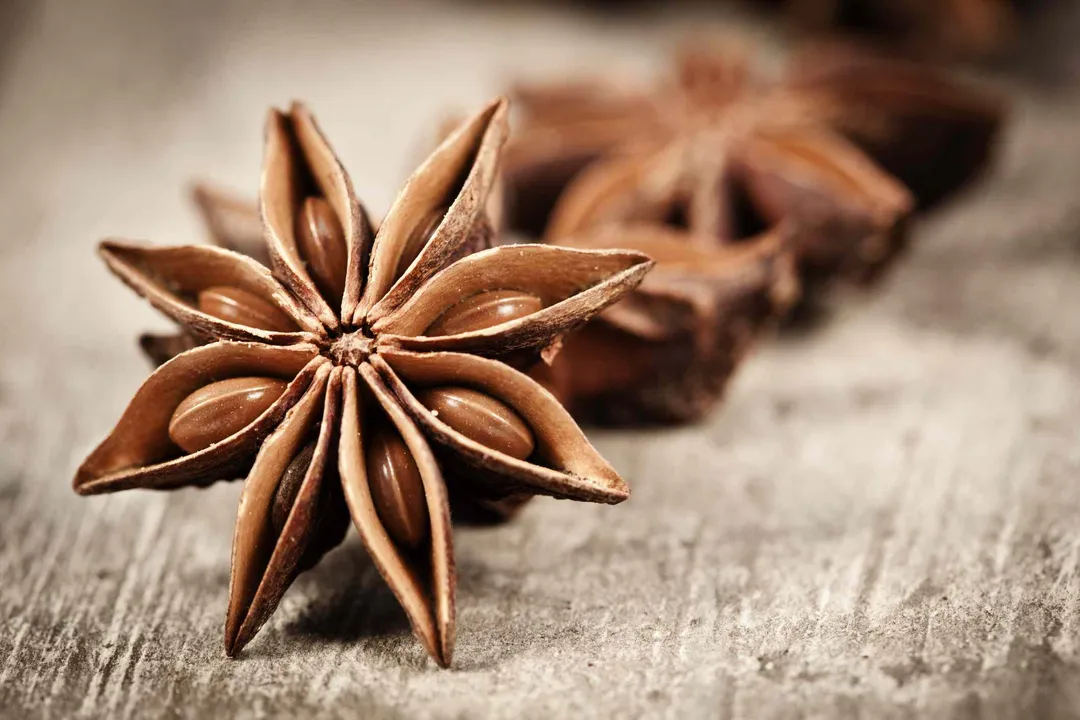
It is crucial to recognize the difference between true anise (Pimpinella anisum) and star anise (Illicium verum), as their chemical profiles are not identical, though they share anethole. [1][9] Star anise is the main source of shikimic acid, a compound that was critically important during the production of the antiviral drug Tamiflu. [9] True anise, derived from the seed, is often preferred in European and Middle Eastern cooking and remedies. [5]
While anise is generally considered safe when consumed in food amounts, high doses of the concentrated essential oil can be toxic. [10] Furthermore, individuals who are allergic to plants in the Apiaceae family, such as fennel, celery, or caraway, should exercise caution, as cross-reactivity with true anise is possible. [4][10] Because of its mild hormonal activity, pregnant or breastfeeding women, or those with hormone-sensitive conditions, should consult a healthcare provider before using anise extracts or supplements regularly. [1][4] Always source your star anise carefully; Japanese star anise (Illicium anisatum) is highly toxic and should never be confused with the edible Illicium verum. [9] This critical safety distinction underscores why relying on commercially prepared teas or verified spice sources is advisable over foraging or relying on incorrectly labeled imports. [9]
Related Questions
#Citations
7 Health Benefits and Uses of Anise Seed - Healthline
Health Benefits of Anise - WebMD
7 Health Benefits and Uses of Anise Seeds | Vinmec
Surprising Ways Anise Can Boost Your Health
How to Grow Anise Herb: The Benefits & Medicinal Properties
Anise: Potential Health Benefits - Nutrition Today
10 Health Benefits of Anise Seeds You Must Know - the spice trader
Anise Potential Health Benefits - McCormick Science Institute
Star Anise: 5 Key Benefits, Uses, and Possible Risks - Health
Anise: Health Benefits, Side Effects, Uses, Dose & Precautions - RxList