Health Benefits of Ackee

The ackee fruit, the national fruit of Jamaica, offers a fascinating blend of unique flavor and significant nutritional value when consumed correctly. This tropical treasure, botanically known as Blighia sapida, is much more than just an ingredient in the famous Jamaican dish, Ackee and Saltfish; it represents a dense source of essential macronutrients and micronutrients. [3][4] Understanding its composition reveals why cultures that feature it prominently place such high regard on its dietary role.
# Nutritional Density
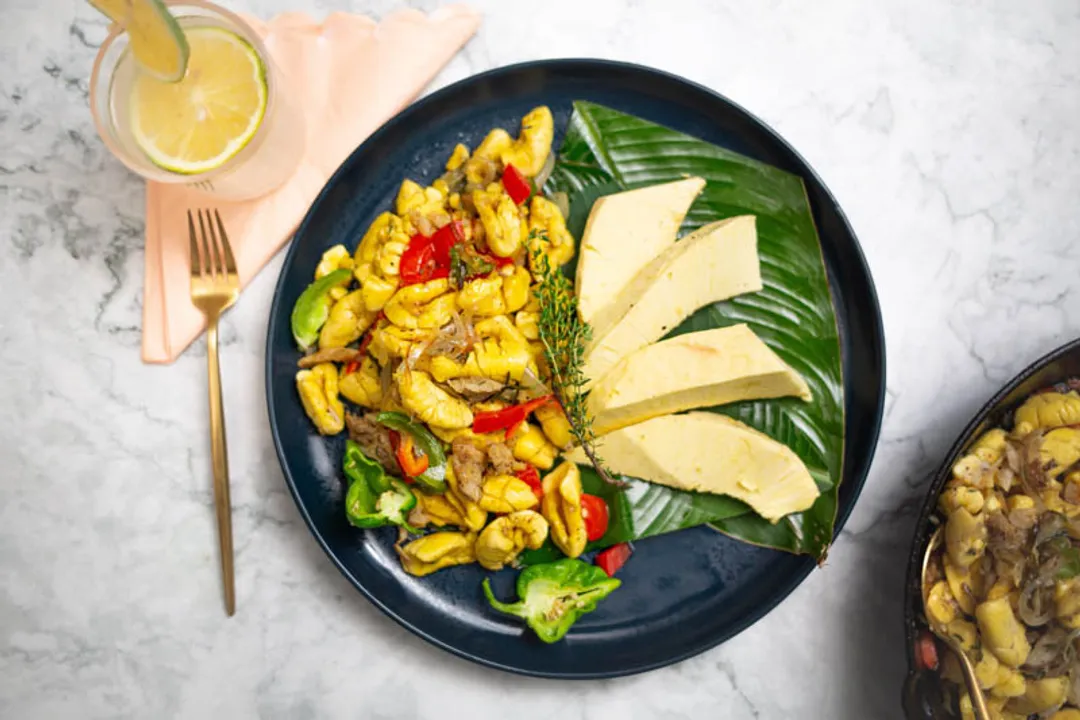
Ackee presents a surprisingly robust nutritional makeup for a fruit, differentiating itself from many other common fruit varieties. It is particularly noteworthy for its healthy fat content, a characteristic often unexpected in the fruit category. [1][4][6] While most fruits are primarily carbohydrate-based, ripe ackee provides a substantial energy boost due to its richness in lipids, primarily unsaturated fats. [4][6] This fat profile includes oleic acid, which is also the main component of olive oil, making ackee a valuable contributor to dietary fat intake from a heart-healthy perspective. [6]
Beyond the fats, ackee is a commendable source of protein, which, when combined with its energy content, makes it a very satiating food item. [1][4] For those accustomed to traditional Western breakfasts high in processed grains or refined sugars, incorporating ripe ackee is akin to swapping out a light, sugary cereal for a combination of avocado and eggs in terms of sustained energy release and nutrient density. It provides a good balance of energy providers in one package. [4]
In terms of micronutrients, ackee supplies a spectrum of important vitamins and minerals. It is an excellent source of potassium, a mineral critical for maintaining proper fluid balance and blood pressure regulation. [1][4] Furthermore, the fruit contains significant amounts of Vitamin C, vital for immune function, and Vitamin A, which supports good vision. [1][4] Several B-complex vitamins are also present, contributing to overall metabolic processes within the body. [1] It also contributes essential minerals like iron and magnesium to the diet. [4]
To put its energy contribution into perspective, a standard serving of cooked ackee is quite calorie-dense relative to, say, an apple or a cup of berries, primarily due to that significant lipid content. [4] This caloric contribution is key to understanding its historical and modern placement in diets requiring sustained energy, such as those of laborers or athletes. [7]
# Cardiovascular Support
One of the most frequently cited health advantages of including ripe ackee in one's diet relates to cardiovascular health. This benefit is strongly tied to its high potassium levels. [1][4] Potassium acts as a crucial electrolyte, counterbalancing the negative effects of excessive sodium intake, thereby aiding in the maintenance of healthy blood pressure levels. [4] High blood pressure is a major risk factor for serious heart conditions, so dietary sources of potassium are consistently recommended for heart maintenance. [1]
The type of fat present also plays a supportive role. As noted, the unsaturated fats found in ackee are generally considered beneficial for heart wellness. [4][6] When consuming ackee prepared traditionally, perhaps sautéed with a little oil, the focus should remain on the quality of the added fat, as the fruit itself already brings healthy options to the table. [6] The combination of healthy fats, fiber (though the exact content varies based on preparation), and essential minerals like potassium creates a synergistic effect that supports the entire circulatory system. [1][4]

# Energy and Metabolism
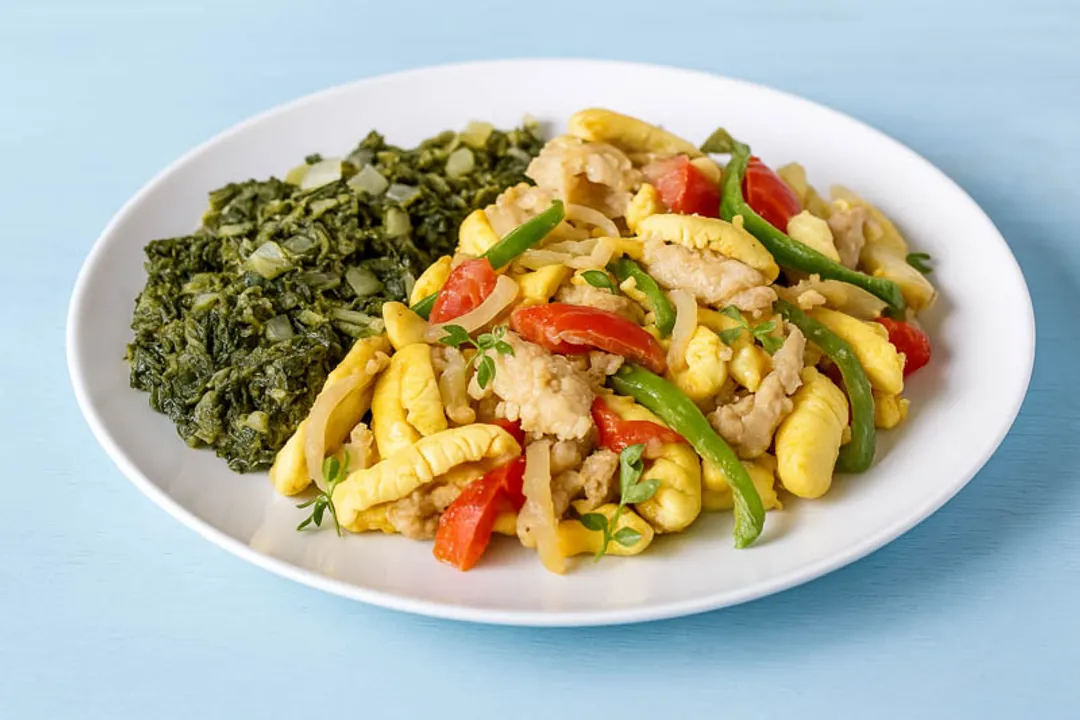
Ackee is often recognized for its energy-yielding properties, which might explain its reputation as a fuel source for physical activity. [7] The fruit delivers a solid foundation of calories from its fats and carbohydrates. [4] This is not just raw energy, however; the presence of B-vitamins helps ensure that the body efficiently converts this fuel into usable energy through various metabolic pathways. [1]
For athletes or individuals with physically demanding jobs, consuming a meal incorporating ripe ackee provides a more sustained release of energy compared to foods that cause rapid blood sugar spikes and subsequent crashes. This sustained availability of fuel is what some observers point to when discussing the renowned energy levels of populations where ackee is a staple food. [7] It’s a classic example of slow-burning fuel provided naturally.
# Vision and Immunity
The protective role of ackee extends to cellular health and defense mechanisms through its vitamin content. The presence of Vitamin A directly benefits ocular health. Vitamin A is a necessary component for the production of rhodopsin, a pigment in the eyes required for low-light vision. [4] Consistent intake of Vitamin A-rich foods helps safeguard against conditions related to Vitamin A deficiency, such as night blindness. [1]
Simultaneously, Vitamin C acts as a primary antioxidant, helping to protect the body's cells from damage caused by free radicals. [1][4] By supporting the function of the immune system, regular, safe consumption of ripe ackee can contribute to the body’s overall ability to fight off common illnesses. While it is not a cure-all, integrating nutrient-dense foods like ackee is a fundamental strategy for maintaining robust health defenses. [4]
# Critical Safety: The Toxicity Factor
It is impossible to discuss the health benefits of ackee without addressing its most critical aspect: extreme toxicity if improperly handled or consumed unripe. This warning is non-negotiable for anyone considering eating this fruit. [1][5] The unripe fruit, and specific parts of the ripe fruit, contain toxins called hypoglycin A and hypoglycin B. [1][5]
Consuming these toxins, even in small amounts, can lead to a severe and potentially fatal condition known as Jamaican Vomiting Sickness (JVS). [1][2][5] JVS is characterized by severe vomiting, convulsions, coma, and dangerously low blood sugar levels (hypoglycemia). [1][2] The primary mechanism involves these toxins inhibiting the body's ability to release stored glucose (glycogen) from the liver, leading to rapid and dangerous drops in blood sugar, particularly in children or those who haven't eaten recently. [1][7]
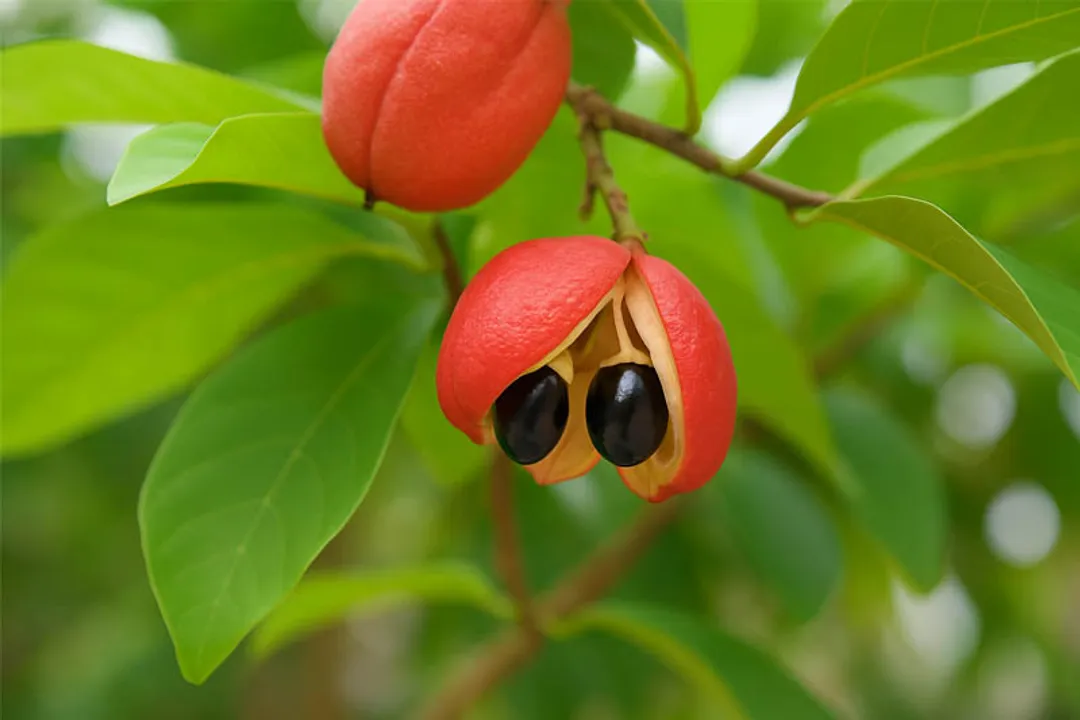
The only safe part to eat is the yellow, fleshy aril that surrounds the large black seed, and only when the fruit has opened naturally on the tree. [5] The fruit must be picked after it has fallen or fully split open to indicate ripeness. [5] Green or unopened ackees must be discarded entirely, as they contain the highest concentration of the toxic compounds. [5] When preparing ackee, one should inspect the arils carefully, ensuring they are fully yellow/orange and that the seeds are easily separable, indicating full maturity. [5]
If you are preparing ackee, the process must confirm ripeness: the fruit opens itself when ready. The seeds are typically black and shiny inside the yellow flesh. [3] Never force open an ackee that has not naturally split, and never consume the seeds or any part of a fruit that appears greenish or unripe. [5]
For an actionable step in safe preparation, always visually inspect every piece of aril you intend to cook. If any part of the aril retains a slightly whitish or greenish tint, or if it seems tough or fails to easily separate from the seed, it should be discarded immediately. Relying on the natural dehiscence of the fruit—the way it splits open—is the most reliable field indicator of safety, far surpassing color alone, though color is a secondary visual cue. [5]
# Preparing Ackee Safely
Understanding how ackee is prepared highlights the cultural knowledge required to safely enjoy its benefits. In traditional Jamaican cooking, the ripe arils are separated from the seeds and then usually boiled or steamed briefly before being sautéed with ingredients like onions, tomatoes, and saltfish. [4] This initial cooking step helps further reduce any residual compounds and sets the texture. [4]
When sourcing ackee, especially outside of its native growing regions, the safest option is often the canned variety. [1] Canned ackee has been processed under controlled conditions to ensure that only the safe, ripe arils are packaged, and the toxins have been neutralized or removed during processing. [1] This provides an accessible and significantly safer entry point for those wishing to try the fruit without the risks associated with harvesting and improper ripening checks in the field. [1]
Considering the high stakes involved with toxicity, a comparison of consumption methods is informative. Freshly picked ackee requires expert knowledge of the local tree and weather patterns to determine the precise moment of safe harvest. Canned ackee, conversely, requires trust in the manufacturing and quality control of the producer, but it removes the immediate, on-site judgment call regarding ripeness. [1] For the average consumer outside of Jamaica, canned ackee is the pragmatic choice to gain the nutritional advantages without incurring the health risks associated with the hypoglycins. [5]
In summary, ackee is a powerful food item, offering healthy fats, essential vitamins, and minerals that support heart function, energy levels, and immunity. [1][4] Its nutritional profile is distinct among fruits, making it a dense addition to any diet. [6] However, this powerful nutritional cargo comes tethered to a severe safety requirement. The wisdom surrounding ackee is thus twofold: appreciate its goodness, but treat its preparation with absolute, non-negotiable respect for the potent toxins present in the unripe fruit. [2][5]
Related Questions
#Citations
Ackee: Overview, Uses, Health Benefits, Nutrition, Side Effects and ...
Ackee: Health Benefits, Side Effects, Uses, Dose & Precautions
Ackee (Blighia sapida): Health Benefits, Uses, Growing Tips
Health Benefits of Ackee - Medindia
Jamaican Ackee Benefits - Healthier Steps
What is Jamaican Ackee Good For? Unlocking the Nutritional ...
We May Have Uncovered Why Jamaicans Are So Fast. Ackee!
7 Wonderful Benefits of Ackee Fruit | Organic Facts
Ackee (Blighia sapida K.D. Koenig) Leaves and Arils Methanolic ...
Ackee - Uses, Side Effects, and More - WebMD