Do muntjac taste good?
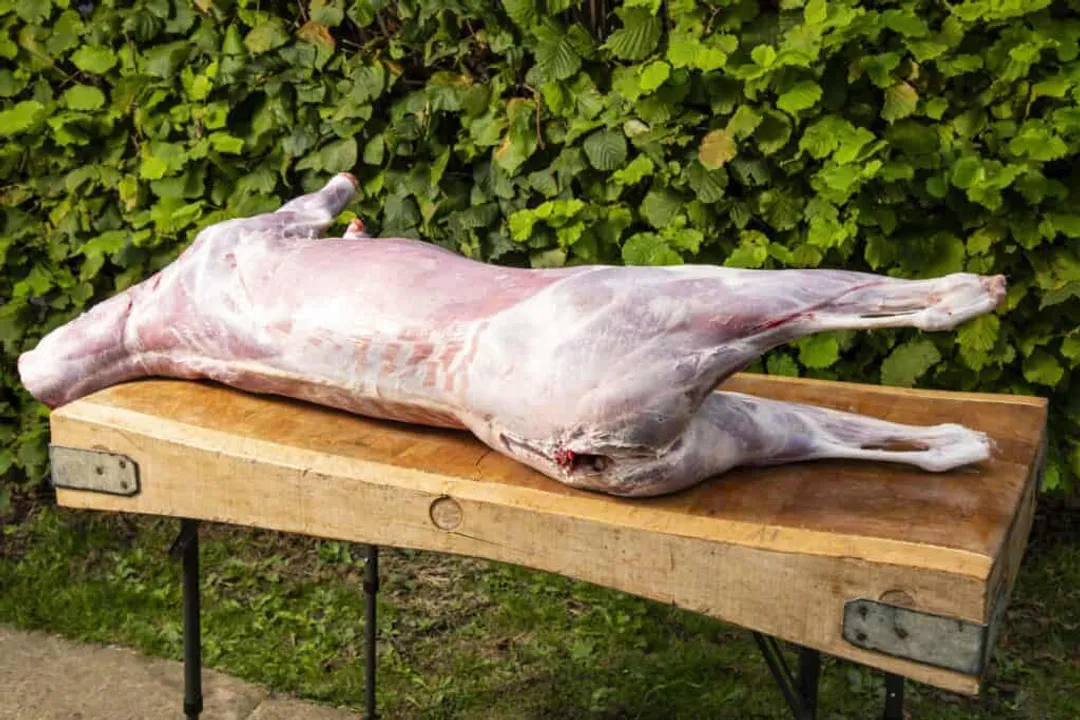
The culinary curiosity surrounding muntjac venison is growing, often driven by its status as a lesser-known, smaller deer species now present across the UK landscape. For those unfamiliar with it, the first question invariably circles back to flavor: is this small deer meat worth seeking out over traditional fare like red or roe venison? The general consensus emerging from chefs, stalkers, and home cooks who have processed and eaten this meat suggests a positive experience, though it certainly has its own distinct profile that sets it apart from its larger cousins. [7][9]
# Taste Descriptors

The most common observation about muntjac meat is its relatively mild flavor profile compared to other venison varieties. Where red deer can carry a deeper, more pronounced "gamey" flavor, muntjac is often described as being softer or sweeter on the palate. [9][10] Some describe it as being akin to a rich, high-quality beef or even veal in certain cuts, rather than the heavy game flavor some associate with wild venison. [5]
One source explicitly claims that muntjac is perhaps the best venison to eat, suggesting its flavor is superior due to its subtlety and tenderness. [9] This mildness is often attributed to the deer’s smaller size and potentially different diet compared to larger herbivores that roam wilder areas. [5][10] When properly prepared, the meat is said to be very tender. [1][9] For instance, one home cook noted that roasting a whole, spatchcocked muntjac resulted in meat that was tender and surprisingly non-gamey, closer to high-quality pork or lean lamb than traditional venison. [2]
It is important to note the difference in fat compared to other game. Muntjac fat tends to be minimal, and the meat itself is extremely lean, which influences how it tastes and cooks. [6][8] This leanness means that without careful cooking, it can dry out, but when treated correctly, the inherent flavor is delicate and clean. [7]
# Venison Ranking
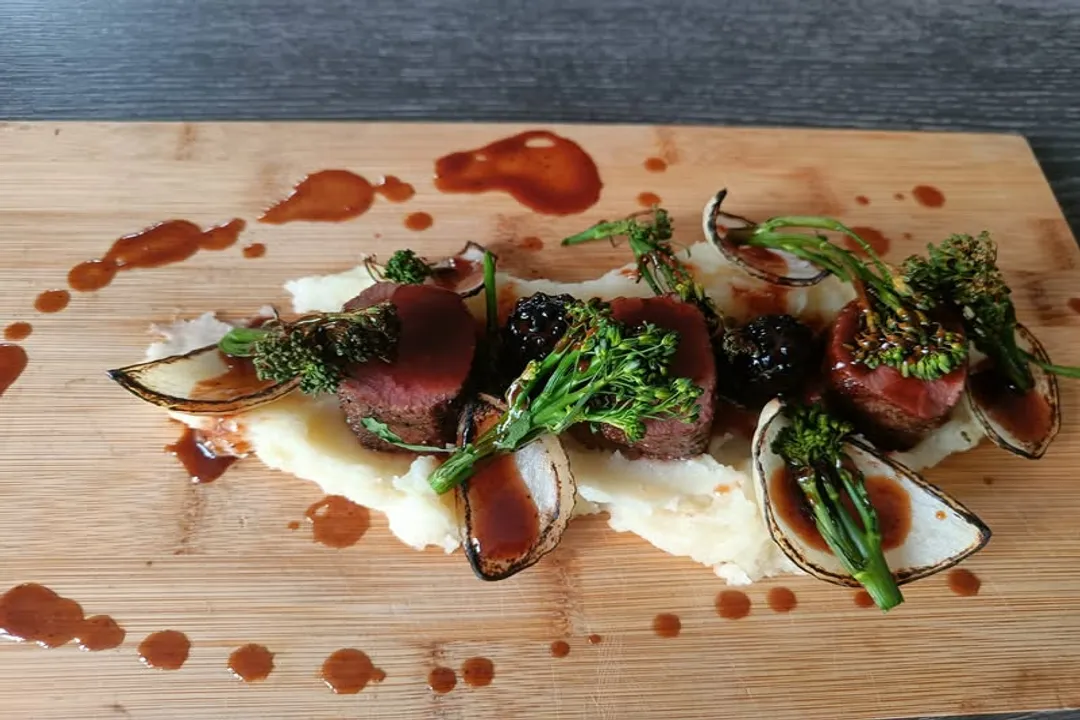
When placed on a spectrum with other UK deer species, muntjac generally occupies a spot known for delicacy rather than intensity. [10] A comparison often seen among those who process various types of deer suggests a general hierarchy based on flavor intensity and texture:
| Species | General Flavor Intensity | Typical Texture Note |
|---|---|---|
| Red Deer | Strongest/Most Pronounced Game | Robust, hearty |
| Fallow Deer | Medium Game Flavor | Tender, versatile |
| Roe Deer | Mild to Medium | Very fine grain, lean |
| Muntjac | Mildest/Sweetest | Fine, often very tender |
| Sika Deer | Moderate to Strong | Varies significantly |
Forum discussions among stalkers frequently position muntjac as being closer to roe deer in terms of palatability for those new to game, but often slightly milder. [6] Roe deer is often held as the benchmark for mild flavor among the native species, making muntjac a strong contender in that category. [10] The key differentiator seems to be the low level of "gamey" flavor that some diners find off-putting in larger stags. [9]
This comparison highlights an important factor for consumers: if you enjoy the classic, strong flavor of wild red deer, muntjac might be perceived as lacking depth. Conversely, if you prefer game meat that easily substitutes for high-quality beef or pork in recipes without dominating the dish, muntjac is an excellent choice. [5]
When we consider the sourcing, the environment plays a role. While the flavor is generally mild, the diet of the animal certainly affects the final product. A muntjac feeding in a well-managed park or woodland with a varied, clean diet is likely to produce meat superior to one browsing heavily on less desirable forage, although the inherent species characteristic remains mild. [7]
It is fascinating to observe the dual drivers behind muntjac consumption. On one hand, high-end butchers and farm shops market it as a fine, delicate product suitable for upscale dining, suggesting its flavor profile alone justifies its price and availability. [7] On the other hand, its presence as an invasive species in the UK has spurred a cultural movement encouraging people to eat them as a method of population control—the "eat them to beat them" mantra. [3] This means the perceived value is split between genuine culinary quality and an ecological mandate. A truly great game meat should satisfy both; muntjac appears to succeed because its inherent mildness appeals to a wider modern palate while its abundance makes it a practical target for control efforts. [3][9]

# Kitchen Handling
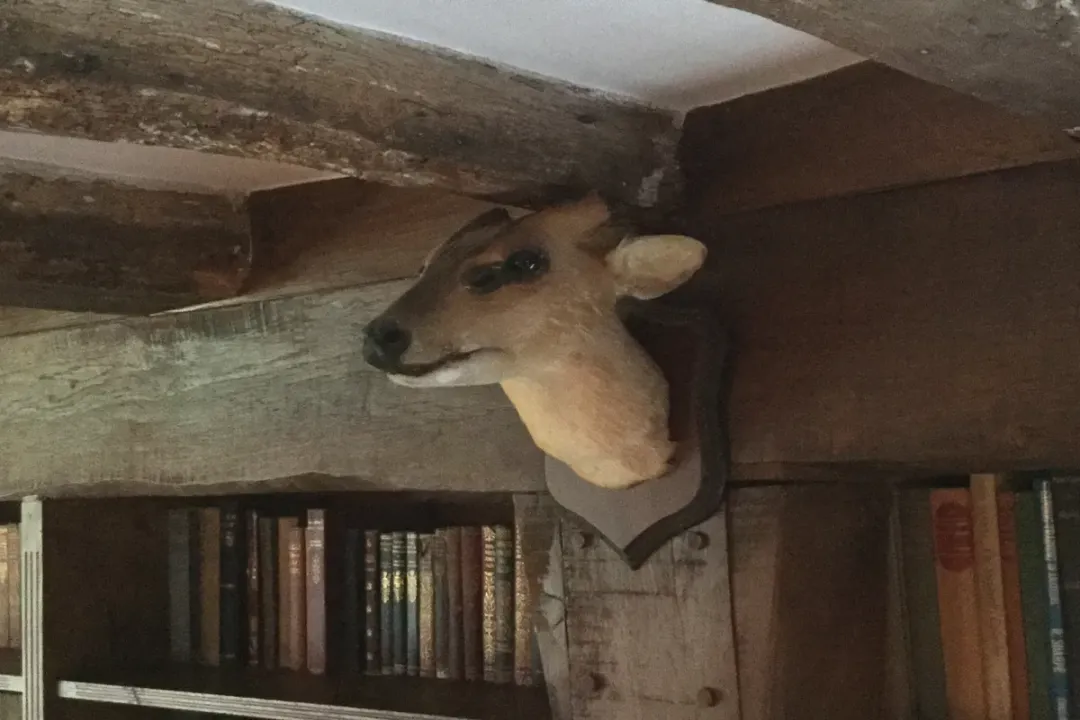
Given that muntjac is exceptionally lean, the primary concern in the kitchen is preventing it from becoming dry or tough. This lean quality requires cooking techniques that either retain moisture or utilize external fats. [6][8]
For cuts like the loin or haunch, searing quickly and finishing at a lower temperature is often recommended, much like preparing a tender pork fillet. [7] If roasting, as one user described with a whole animal, brining or basting is crucial to maintain succulence. [2] Low-and-slow cooking methods, such as braising or stewing, are also highly effective for transforming tougher cuts while infusing flavor, though the natural tenderness of muntjac often means it doesn't require long slow cooking unless the cut is particularly tough or from an older animal. [1]
Muntjac lends itself well to quick preparations because of its fine grain. Minced muntjac is frequently praised as an excellent, low-fat alternative in burgers or meatballs, where it reportedly mixes well and retains flavor without becoming overly gamey. [4] Ground meat from any deer, including muntjac, requires a fat additive if the final product is to be grilled or pan-fried without significant success, as the natural fat content is too low to prevent sticking or drying out completely. [6]
Another point to consider, often discussed in hunting circles, relates to age and sex. While we generalize about muntjac flavor, maturity matters. Like most deer, a young muntjac, or kid, will inherently taste milder and more delicate than a mature buck, which might have a slightly stronger, more musky flavor due to diet and rutting activity. [6][8] Therefore, when sourcing, asking if the venison is from a young animal can predict an even milder eating experience, aligning perfectly with those who prefer veal-like qualities over traditional game intensity. [5]
# Ecological Role
The conversation around eating muntjac cannot be separated from its ecological standing in areas like the UK. Muntjac deer were introduced from Asia and have established significant, sometimes problematic, populations, making them an invasive species. [3] This status directly influences their availability and how they are promoted culinarily.
The proposition of "Eat them to beat them" suggests that increased consumption helps manage their numbers, which can otherwise cause significant damage to ground flora in woodlands, impacting biodiversity. [3] Unlike native species where strict quotas and seasons apply to ensure population stability, the availability of muntjac is often less restricted, driven by control efforts rather than traditional conservation cycles. [3][5] This means that, theoretically, one might find muntjac venison available more consistently throughout the year from licensed processors who are actively managing local populations. [5] This reliable supply, combined with the high quality praised by chefs, makes it an increasingly attractive option for sustainable, local protein sourcing. [7]
Ultimately, the answer to whether muntjac tastes good is a resounding yes, provided the diner appreciates a mild, fine-grained venison profile that leans closer to premium pork or beef than heavy game. Its mildness is its strength for new eaters, and its ecological abundance makes it a responsible choice for the environmentally conscious consumer. [3][9]
Related Questions
#Citations
Foodie boy | Life and style
Last weekend I roasted a whole spatchcocked muntjac ...
Eat Them to Beat Them: Invasive Species | Blog
What's people's thoughts on venison? My first try of muntjac ...
Muntjac Deer
Venison for the table... Rank deer by species?
Wild Muntjac Venison
Muntjac - Cooking On The Wild Side
Muntjac is the best venison to eat - arabella's ambrosia
Wild Venison Species Taste Guide