What to eat on a low budget?

Managing food costs without sacrificing nutrition requires a shift in focus from pre-packaged convenience to foundational ingredients and smart planning. The core challenge for anyone on a tight budget—whether a student, a family on a temporary constraint, or someone actively saving—is maximizing nutrient density per dollar spent. This isn't about eating ramen every night; it's about understanding which whole foods offer the most energy and sustenance for the least amount of money.
# Core Foods
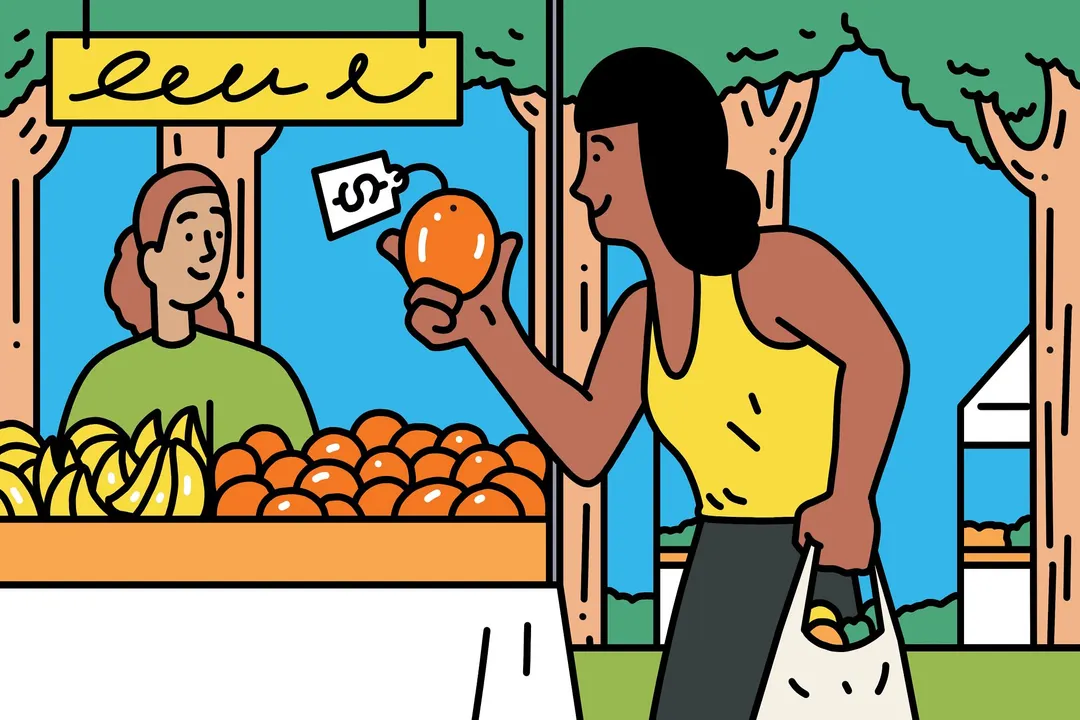
Building a budget-friendly kitchen starts with establishing a roster of inexpensive, versatile staples. These form the bedrock of nearly every affordable meal and should be prioritized in any weekly shop. Many staples that are cheap also happen to be highly nutritious, offering significant amounts of protein, fiber, and essential vitamins.
# Protein Sources
Affordable protein is often the most significant budget hurdle, but several excellent options exist. Eggs are frequently mentioned as a must-have; they are inexpensive and incredibly versatile, offering high-quality protein that can be incorporated into breakfast, lunch, or dinner. Similarly, legumes—dried or canned beans, lentils, and chickpeas—are superstars of budget eating. Dried beans are usually the cheapest per serving, though canned versions offer convenience and are still very cost-effective. Lentils, in particular, cook quickly even without soaking, making them excellent for weeknight meals. For non-plant-based proteins, canned fish like tuna or sardines offer excellent value and long shelf life. When it comes to meat, chicken thighs are often cited as a more economical cut compared to breasts and can be used in slow-cooked meals or large batch cooking. Ground meats, such as ground turkey or beef, also feature heavily in budget recipe collections because they stretch well when mixed with grains or vegetables.
# Grains and Starches
Grains and starches provide necessary bulk and energy. Rice, especially in large bags, is exceptionally cheap per serving. While brown rice offers more fiber, white rice is often even cheaper, and either works well as a base for lentil stews or bean dishes. Oats are perhaps the most inexpensive breakfast staple available, providing sustained energy when made into simple oatmeal. They can also be ground into flour for baking inexpensive breads or thickeners. Potatoes and sweet potatoes are nutritional powerhouses that are very cheap when bought in bulk. They keep well for extended periods, which is a major benefit when shopping infrequently to save money.
# Produce Essentials
While fresh produce can sometimes cause budget creep, certain items offer high returns on nutrition and cost. Bananas and apples are repeatedly listed as the cheapest fruits available. On the vegetable side, canned or frozen vegetables are crucial for budget planning. Frozen options, such as broccoli, peas, or mixed vegetables, are often picked at peak ripeness, locking in nutrients, and they eliminate waste since you only use what you need. For fresh vegetables that last, cabbage and carrots are often recommended due to their long shelf lives and low cost.
| Food Category | Budget Staple Examples | Budget Benefit |
|---|---|---|
| Protein | Eggs, Dried Beans, Lentils, Canned Tuna | High nutrient density, versatile |
| Grains/Carbs | Rice (bulk), Oats, Potatoes | Excellent energy source, very low cost per meal |
| Produce | Frozen Vegetables, Cabbage, Bananas | Reduced spoilage, high vitamin retention |
# Meal Construction
Knowing the ingredients is only half the battle; putting them together into satisfying meals is the next step. The key to saving money through meals is minimizing waste and maximizing ingredients across multiple servings, often through batch cooking.
# Dinner Variety
Several classic, budget-conscious dinner concepts appear consistently across inexpensive recipe guides. Chili is a prime example; by substituting some of the ground meat with beans or lentils, you can create a hearty, protein-packed meal that yields large leftovers. Similarly, simple pasta dishes can be stretched far. For instance, a basic tomato sauce can be enhanced with whatever cheap vegetables are on hand, or small amounts of browned meat or canned tuna can be added for flavor and protein.
Another popular concept involves the "casserole" or "bake" approach. Recipes like a simple shepherd's pie, using mashed potatoes as the topping over a filling of ground meat and mixed frozen vegetables, are both filling and economical for feeding a family or preparing for the week. Many budget-friendly recipes for two focus on maximizing inexpensive sides while keeping the protein portion small but flavorful, such as pairing chicken thighs with large servings of rice and roasted root vegetables.
# Breakfast and Lunch Focus
The midday and morning meals should prioritize low-cost fuel. As mentioned, oatmeal is the undisputed champion here. To keep it interesting, one can alternate toppings: a spoonful of peanut butter adds satisfying fat and protein, while a little cinnamon and sugar (bought in bulk) changes the flavor profile without adding significant cost.
For lunch, repurposing dinner leftovers is essential for true budget adherence. If that's not possible, simple sandwich alternatives work well. A can of tuna or a few hard-boiled eggs can be quickly mixed with a bit of mayonnaise or mustard for a filling spread, served on inexpensive bread or eaten alongside crackers. Bean salads, made using rinsed canned beans, onion, and a simple vinaigrette, also make excellent, nutrient-rich, no-cook lunches.
It is worth noting that when you compare a store-bought, single-serving breakfast bar (often costing 0.25 per serving), the cost differential over a month becomes substantial. This simple substitution can easily save over forty dollars a month just on one meal.
# Smart Shopping

The biggest savings often happen before you even start cooking, right there in the grocery aisle or market. Effective budget eating relies heavily on strategic purchasing habits.
# Bulk Buying and Storage
Purchasing staples in larger quantities almost always results in a lower unit price. This applies most strongly to dry goods like rice, oats, and dried beans. The upfront cost is higher, but the long-term savings are significant. This strategy is less effective for items that spoil quickly, which is why prioritizing shelf-stable ingredients like canned goods, potatoes, and frozen vegetables is smart for those who cannot shop weekly.
When you are shopping with a strict weekly limit, like a student might face, look closely at the cost-per-ounce displayed on the shelf tag, not just the sticker price. A slightly more expensive package might actually be cheaper when broken down per unit weight.
# Examining Meat Purchases
Meat is typically the largest variable expense. Comparing different cuts is important. While chicken breasts are popular, chicken thighs or whole chickens, which you butcher yourself, offer better value. If you find a good sale on a less popular cut, like pork shoulder, planning a slow-cooker meal that provides enough meat for several days—perhaps for tacos one day and shredded meat sandwiches the next—is a proven cost-saving tactic often shared in community groups. Cooking meat sparingly and treating it more as a flavoring agent or an addition to a massive vegetable and grain base, rather than the main focus of the plate, is a common technique in tight-budget cooking.
# Planning Ahead
A shopping list generated after meal planning is non-negotiable for staying on budget. Before setting foot in the store, review what you already have—pantry items, spices, and frozen goods—and plan meals around using those items first. This prevents duplicate purchases and ensures older stock gets used before it expires.
Consider the local context of your shopping. In some regions, buying a whole head of cabbage might cost half what a bag of pre-cut lettuce costs, even though both serve the same purpose in a salad. If you live near a large discount store, compare their prices on staples like dried beans and rice against your standard supermarket; the bulk prices might justify an extra trip. This localized comparison of unit prices is a simple yet powerful way to shave off unexpected costs weekly.
# Maximizing Nutrition on Pennies
The perception that healthy eating must be expensive is one of the biggest hurdles to overcome. The reality is that many of the cheapest foods available are also incredibly nutrient-dense, providing excellent value in terms of vitamins, minerals, and fiber.
# The Power of Pulses
Lentils and beans are nutritional powerhouses that are incredibly cheap, especially when purchased dried. Beyond being affordable protein sources, they are packed with fiber, which aids in satiety—meaning you feel fuller for longer. This feeling of fullness is a secret weapon on a budget, as it naturally reduces the urge to snack on less healthy, pre-packaged items between meals. For example, a cup of cooked lentils provides significant amounts of iron and folate. While cooking dried beans requires advance planning (soaking), the time investment is minimal compared to the long-term savings over buying canned versions constantly.
# Frozen vs. Fresh
It is a common misconception that only fresh produce counts toward daily nutrient goals. For items that are not in season or are expensive when fresh (like berries or certain greens), frozen alternatives are often superior for budget eaters. Frozen vegetables are harvested at their peak and flash-frozen, which often preserves vitamins better than produce that has traveled for a week to reach the store shelf. Relying on a rotation of frozen spinach, broccoli, and peas can ensure a steady supply of Vitamin C and Vitamin K regardless of the outdoor weather or the current sales flyers.

# Cooking Tactics
The techniques you use in the kitchen directly impact how far your budget stretches. Simple methods often yield the best results when cost is the primary constraint.
# Batch Cooking Basics
Cooking large quantities of staple ingredients at once saves time, energy (electricity/gas), and often money, as bulk cooking usually involves cheaper ingredients. Make a very large pot of brown rice or lentils on Sunday. This pre-cooked base can then be quickly transformed throughout the week:
- Monday: Rice base for a quick lentil curry.
- Tuesday: Leftover rice mixed with an egg and frozen peas for fried rice.
- Wednesday: Lentils used as a meat extender in a simple spaghetti sauce.
This method requires very little active cooking time on busy weeknights. Furthermore, consider making one large batch of a dish that freezes well, such as soup or stew. Freezing food in single-serving containers prevents waste and provides an emergency meal that costs nothing more than the original ingredients.
# Flavor Without Expense
Stretching meals doesn't mean sacrificing taste, but it does mean being mindful of expensive flavor boosters. Rely on common, inexpensive spices like garlic powder, onion powder, cumin, and dried oregano. Vinegar and soy sauce are also extremely potent, low-cost additions that can add depth to beans and rice dishes. A small amount of peanut butter or tomato paste can add richness to a thin vegetable broth, making a watery soup taste much heartier without adding expensive meat products.
The most crucial aspect of budget eating is consistency in planning and preparation. By focusing on nutrient-dense staples, making intentional choices at the grocery store, and maximizing leftovers through batch cooking, anyone can maintain a healthy diet without overspending. It’s about choosing ingredients that work hard for your dollar, like oats for breakfast and beans for dinner, day after day.
#Videos
Eating on $12 a Week | Easy, Healthy & Cheap Recipes ... - YouTube
Related Questions
#Citations
Eating on $12 a Week | Easy, Healthy & Cheap Recipes ... - YouTube
What's a list of essential but very minimal food items to eat in a day ...
72 Cheap Dinner Ideas for Weeknight Meals - Taste of Home
50 Cheap Meal Ideas That Actually Taste Good (Budget-Friendly ...
If a person has a rather tight budget for a weekly food shop ... - Quora
Healthy meal ideas on a tight budget? - Facebook
28 Healthy Foods That Are Incredibly Cheap - Healthline
11 Ways to Eat Well at Home on a Budget - AARP
My 20-Ingredient Grocery List Makes 15 (!) Cheap & Easy Dinners ...