What are the challenges in the current food system?
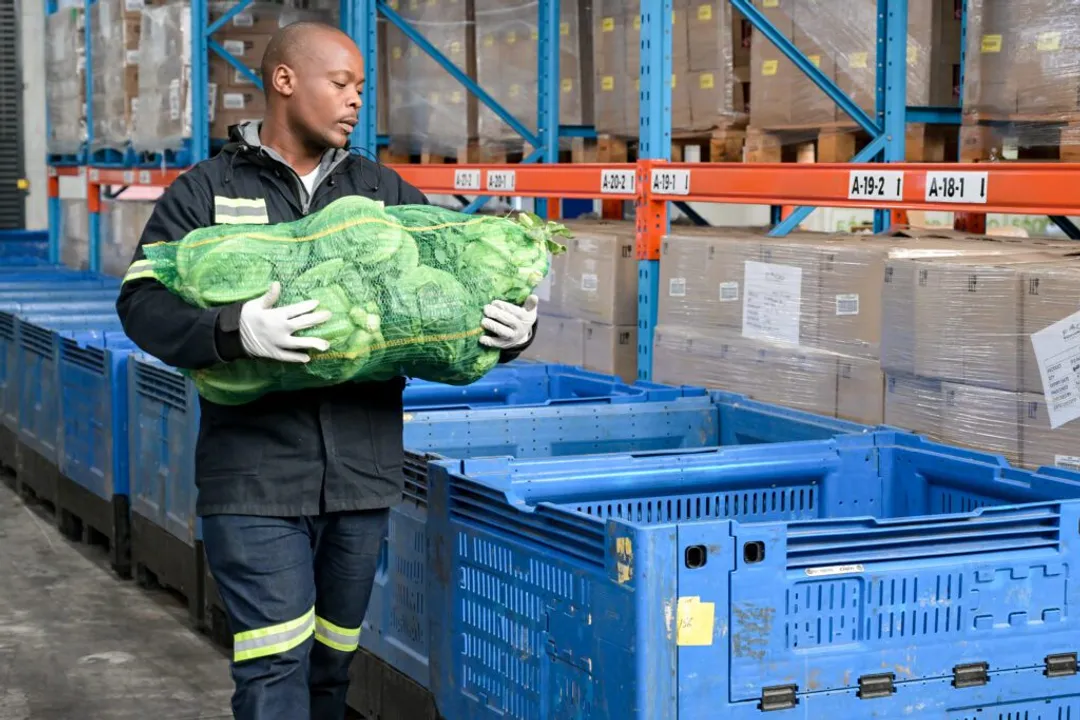
The modern food system, a marvel of global logistics that keeps grocery aisles stocked year-round, is simultaneously buckling under significant, interconnected pressures. While it has succeeded in feeding a rapidly growing world and delivering unparalleled convenience in many places, this very structure obscures a very high environmental price tag and exposes deep societal fault lines. Experts suggest that current global food systems are no longer fully fit for purpose, struggling to meet the needs of their communities while facing escalating demands from climate change, deteriorating health outcomes, and fundamental issues of equity and resilience.
The challenges are systemic, spanning from the farm gate to the consumer’s plate and beyond to waste disposal. They are not isolated; a problem in one area—like governance—can cascade into setbacks across nutrition, livelihoods, and the environment. For many observers, the COVID-19 pandemic and subsequent geopolitical shifts acted as a stress test, revealing inherent weaknesses in systems built on efficiency and lean, just-in-time operations. Understanding these challenges requires looking at them through several critical lenses: the planet’s health, systemic planning failures, social justice, human well-being, and market structure.
# Environmental Impact
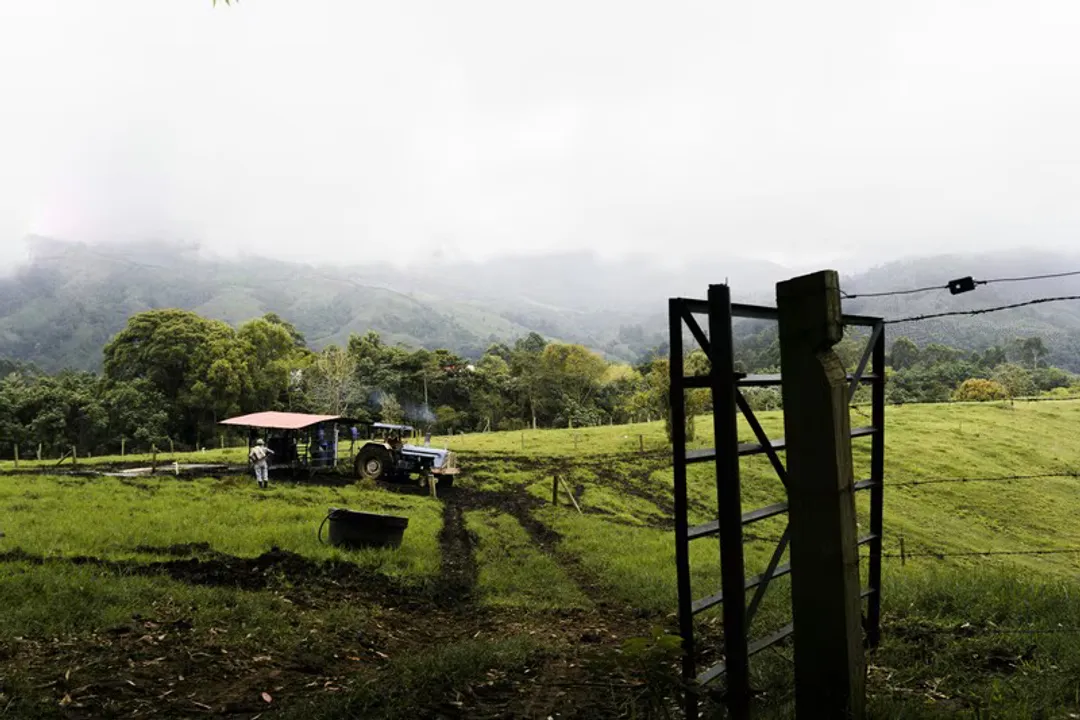
Food systems are both a primary victim of, and a major contributor to, the climate crisis. Global food system activities—including land use shifts, livestock rearing, and waste generation—are responsible for roughly 21–37% of all global greenhouse gas emissions. Crucially, these systems contribute the largest share of methane and nitrous oxide, gases with far greater warming potential than carbon dioxide. If fossil fuel emissions stopped today, emissions from food systems alone could still push the world past the critical 1.5° Celsius warming threshold in the near term.
This environmental toll is mirrored by resource degradation. Agriculture consumes about 40% of arable land and 70% of freshwater resources globally. As the planet warms, the systems relying on stable conditions become less reliable. Increasing temperatures negatively affect crop yields worldwide. Furthermore, many major global breadbaskets face threats from increasing drought, heat, and water stress. In coastal and aquatic sectors, warming oceans, acidification, and increased storm intensity threaten marine ecosystems, forcing species to shift their distribution northward and stressing traditional fisheries.
Locally, in regions like New England, the risks manifest as extreme rainfall and hurricanes, which can devastate farmland and infrastructure. The decline in agricultural land is another critical thread. From 1945 to 2012, the New England region lost nearly 5 million acres of cropland and grassland—a staggering 73% decrease. While the rate of loss has slowed since the 1980s, development pressures, population growth, and the demand for second homes continue to convert this vital acreage. To illustrate the scale mismatch: a regional goal to source 30% of food locally by 2030 might require adding nearly 590,000 additional acres of land into production, even if eating patterns become healthier. The current trend, however, projects a net loss of hundreds of thousands of acres across the region under a "Business as Usual" scenario. It becomes clear that achieving increased regional self-reliance depends not only on how we farm but also on whether we can halt the conversion of our finite agricultural resources to other uses, such as housing or commercial development.
# System Fragility
A key structural vulnerability in the current food environment is the lack of dedicated, long-term planning. Unlike water or energy systems, where robust planning bodies exist, the food system often relies on the market to self-correct for future supply needs. USDA projections, for instance, often serve as a "neutral benchmark" assuming normal weather, offering no explicit contingency for climate shocks. This approach is increasingly tenuous when the Intelligence Community warns that climate change, demographic shifts, and economic disruptions will interact in unpredictable ways to trigger instability globally.
The fragility was highlighted by the pandemic, which showed how a sudden shift in demand—from restaurants to home grocery shopping—stressed industrial supply chains, resulting in publicized instances of milk dumping and unharvested crops. The reliance on concentrated, global supply chains means that regional shocks, such as the conflict in Ukraine impacting wheat supplies, can quickly translate into acute food insecurity for dependent nations. The focus on efficiency through globalization has come at the expense of resilience to disruption.
The Dutch model offers a counterpoint: driven by post-war famine fears, they committed to producing twice as much food using half the resources, investing heavily in research, technology (like vertical farming), and coordinated public-private partnerships. While New England cannot become "New Holland," the Dutch example proves that a common agenda backed by government foresight can achieve significant, rapid transformation. In the US context, many regional planning efforts, like the New England Feeding New England initiative, are one of the first regional attempts to address this planning deficit.
# Worker Exploitation
The economic structure of the food system overwhelmingly prioritizes low consumer prices and corporate returns over fair compensation for the people who actually produce, process, and serve the food. Across the US, including New England, food system workers—especially in food service and retail—experience some of the lowest median wages among occupational categories.
Wage inequality has been a defining feature of the US labor market for four decades. While the top 1% of earners saw real annual earnings increase by over 200% between 1979 and 2021, the bottom 90% saw only a 28.7% increase. This stagnation is linked to factors like globalization, automation, and employer concentration (monopsony power). Declining union membership in private sectors, including food and beverage manufacturing, further erodes worker leverage.
In Connecticut, for example, median hourly wages for major occupations like "Food Preparation and Serving" (17.47) are barely above the state's $15.00 minimum wage, and both fall short of a calculated living wage. Over two decades (2002–2022), the median wage for food preparation occupations increased by about 11%, but at an average inflation rate of 2.46% per year, the real value of that wage likely declined. The consequences are stark: many full-time food system workers still rely on federal assistance programs like Medicaid and SNAP just to meet basic needs.
Racial and gender disparities cut across these low wages. Restaurant work is often segregated, with women more likely to hold lower-paid front-of-house roles, and Black and Hispanic/Latino workers concentrated in the lowest-paid positions like cashiers and dishwashers. Farmworkers, the backbone of production, face similar risks, being 35 times more likely to die from heat exposure than other workers. The persistence of wage gaps—the Black-White gap remaining virtually unchanged since 1973, and the Hispanic-White gap actually widening—underscores how systemic inequities are baked into the employment structure.
# Dietary Problems
Despite record production, the quality of the diet consumed by many is a major challenge, contributing to a syndemic of poor health outcomes. Poor diet is the leading cause of illness and death in the US, significantly associated with deaths from heart disease, stroke, and Type 2 diabetes. The hidden costs, including medical expenses and productivity loss related to diet-driven conditions like obesity, are estimated in the trillions annually.
The industrial food system has incentivized the "McDonaldization of society"—a focus on efficiency, calculability, predictability, and control—leading to the ubiquity of ultra-processed foods. These foods, high in sugar, fat, and sodium, now comprise an estimated 58% of caloric intake in the United States. They are often described as "predigested," making them hyper-palatable and easy to overconsume. While they contribute to high rates of obesity across demographics, Black, Hispanic/Latino, and Indigenous Americans are disproportionately affected.
Globally, this caloric focus means that 60% of dietary energy comes from just three crops: rice, maize, and wheat. This over-reliance neglects nutrient-rich foods like fruits, vegetables, and pulses. For many, healthy diets remain unaffordable; globally, nearly 40% of people cannot afford a healthy diet because nutrient-dense foods are inherently more expensive to produce, store, and transport than starchy staples. This means that low income and structural barriers create food deserts and food swamps (areas with an overabundance of unhealthy retailers) that disproportionately affect non-White and low-income communities. The ability to eat healthily is not purely an individual choice but is constrained by the very food environments that corporate practices and historical segregation have created.

# Market Concentration
The economic reality for many small and midsize food producers is one of competition against massive, consolidated entities. The acceleration of mergers and acquisitions since the 1980s means that a few corporations dominate nearly every aspect of the agri-food chain, from inputs to retail.
In the US grocery retail sector, the top four chains controlled 34% of sales in 2019, up from 15% in 1990. These large retailers exert market power, often leading to reduced choices for consumers, higher prices, and barriers for new brands trying to secure shelf space due to requirements like stocking fees. Similarly, restaurant sectors are dominated by major chains that expanded their footprint by buying up commercial real estate abandoned by independent restaurants during the pandemic. This consolidation limits market access for smaller, regional producers who value independent stores or direct sales channels.
This structural pressure is acutely felt at the farm level. In New England, while the majority of farms (about 78%) had sales under 10,422** in 2017, meaning more than two-thirds of farm businesses were losing money after expenses. Farmers are price takers, unable to pass on increasing input costs (fertilizer, energy) while retailers face political pressure to keep consumer prices down. This scale asymmetry and financial pressure contribute to the aging of the producer base, as the next generation faces high barriers to entry related to land and capital access.
# Wasted Food
The inefficiency inherent in the system is perhaps best quantified by the sheer volume of food that is lost or wasted. Globally, an estimated one-third of all food produced is never eaten, squandering the land, water, energy, and labor used to create it. In New England, food waste is estimated to be over 22% of the municipal solid waste stream.
In the US, the primary management pathway for this surplus food is landfilling (38.1% in 2019), followed by recycling methods like animal feed and composting. New England shows a more favorable deviation from the national norm; it landfills a lower percentage of surplus food but directs a higher portion toward composting. The EPA’s Food Recovery Hierarchy prioritizes source reduction—preventing waste through things like better portion control or standardized date labeling—as the most preferred action.
This massive waste occurs while millions face food and nutrition insecurity. Globally, 673 million people were undernourished in the past year, though progress has been uneven. In the US, food insecurity rates have not meaningfully declined over the past two decades, despite the country producing more than enough food overall. This suggests that the challenge is less about production volume and more about access, distribution, and waste management—a logistics and equity failure.
If every region focused intensely on reducing loss, the environmental benefits would be substantial, cutting greenhouse gas emissions equivalent to shutting down dozens of coal-fired power plants, just from managing the wasted food better. This offers a direct, quantifiable pathway to reduce system-wide impact without requiring new agricultural land or breakthroughs in production technology.
Moving beyond the local New England data, it is instructive to observe the broader systemic tension: the drive for efficiency results in incredible waste, yet this waste coexists with people going hungry, suggesting a disconnect where the logistical infrastructure fails to connect surplus to need. For instance, while food banks are community-based and essential for immediate relief, their CEO notes that if supply chain actors recognized food banks as integral components for meeting their own waste-reduction and climate targets, the impact could be radically scaled up. This systemic failure—where externalities like waste and malnutrition persist despite abundance—suggests the current economic model requires these outcomes to maintain its structure. A truly resilient system would integrate the highest levels of the food recovery hierarchy—source reduction and edible food rescue—as primary business functions, not merely charitable add-ons. Furthermore, as regional food systems attempt to increase production, like the push for 30% self-reliance in New England, minimizing the nearly 4% of surplus food estimated to come directly from farms through not harvesting or spoilage represents a quick gain in resource utilization. This means that for planners, the 'how' of consumption and disposal (desirability and waste management) is just as complex and challenging as the 'what' and 'where' of production (availability).
Related Questions
#Citations
New report highlights critical food system trends and challenges in ...
The Biggest Challenges Facing Our Food Systems, and How Food ...
9 ways food systems are failing humanity - UNEP
[PDF] Common food system Challenges
Sustainable food systems and nutrition in the 21st century
Food systems - OECD
Food Security | Food Insecurity Statistics & Solutions - World Bank
How organizations can help build a resilient food system