Health Benefits of Zucchini

This unassuming summer squash, often called a "courgette" in other parts of the world, manages to pack a surprisingly dense nutritional punch into its mild, slightly sweet flesh. While many people default to thinking of zucchini only as a low-carb noodle substitute or a sneaky way to add vegetables to baked goods, its contribution to daily wellness goes much deeper than just filling up dinner plates with minimal calories. [2][6] It is a watery, tender vegetable that offers significant amounts of essential vitamins and minerals, making it an excellent addition to nearly any dietary plan. [1]
# Nutrient Density
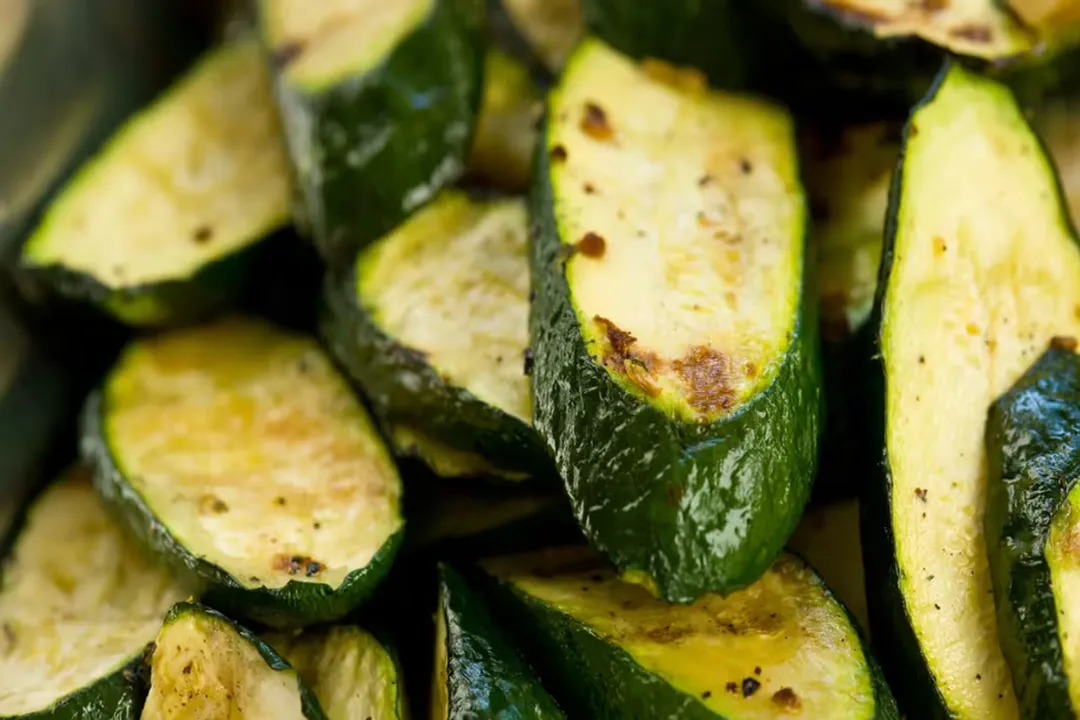
Zucchini shines because of what it contains and, perhaps more importantly, what it lacks. It is notably low in calories, meaning you can consume a substantial volume without significantly impacting your daily energy intake. [3][6] A single cup of cooked zucchini, for instance, provides only about 20 calories. [6]
When looking closer at the micronutrients, zucchini is a good source of Vitamin C, a potent antioxidant vital for immune function and collagen production. [1][8] It also delivers a healthy dose of Vitamin A, which supports vision and immune defense. [1] Beyond these headline vitamins, it supplies various B vitamins, including folate, which is necessary for cellular function and DNA synthesis. [1][7]
If you look at the mineral profile, potassium stands out as a key component. [1] This essential electrolyte is critical for maintaining proper fluid balance and healthy blood pressure. [3] Furthermore, zucchini contains smaller but significant amounts of manganese, magnesium, and copper, which all play roles in bone health and metabolic processes. [1]
# Digestive Support

The fiber content in zucchini plays a substantial role in supporting the digestive tract. [2] While perhaps not as famously high in fiber as legumes or whole grains, the fiber present in zucchini, especially when eaten with the skin on, contributes to regularity and overall gut health. [1][7]
Fiber helps regulate bowel movements by adding bulk to the stool, which can prevent constipation. [1] Moreover, soluble fiber, which is present in squash, acts as a prebiotic, feeding the beneficial bacteria in your gut microbiome. [7] A healthy gut environment can influence everything from mood to nutrient absorption. [7] Think of zucchini as a gentle facilitator for smooth digestion; its high water content also ensures that the fiber can move through the system effectively. [1]

# Heart Health
Maintaining a healthy cardiovascular system requires a delicate balance of electrolytes, antioxidants, and healthy fats (though zucchini itself is low in fat). [3] Zucchini directly supports this through its potassium content. [1][3] Potassium helps counteract the negative effects of high sodium intake by promoting the excretion of excess salt, thereby easing tension in blood vessel walls and supporting healthy blood pressure levels. [3]
Zucchini also contains antioxidants that offer protective benefits against cellular damage linked to heart disease. [3] Specifically, the vibrant green skin is rich in carotenoids like lutein and zeaxanthin. [3] These compounds are known for their anti-inflammatory properties, which can reduce chronic inflammation—a known underlying factor in many chronic illnesses, including heart disease. [3][1]
# Blood Sugar Balance
For anyone focused on keeping their blood sugar steady, zucchini is an excellent vegetable choice due to its low impact on glycemic response. [2][4] It is a low-carbohydrate vegetable. [2] This low carbohydrate load, combined with its fiber content, means that zucchini has a minimal effect on blood sugar levels after consumption. [2][4]
Because it is low in both carbohydrates and starch, it makes for a fantastic alternative in recipes where one might otherwise use higher-carb ingredients, such as pasta or flour-based products. [2][5] This substitution capability is where zucchini's utility truly expands for those managing diabetes or simply seeking to avoid energy spikes and crashes. [4]
# Practical Kitchen Adaptation
When substituting zucchini for higher-carb items, it is crucial to manage its natural moisture content. Since zucchini is about 95% water, [1] if you plan to use it in baked goods—like bread, muffins, or even savory pancakes—the raw grated zucchini must be thoroughly squeezed using a clean kitchen towel or cheesecloth after salting it lightly for ten minutes. If you skip this step, the excess liquid will throw off the texture of your batter, leading to a dense, soggy result, regardless of the quality of your dry ingredients. [1] This preparation step is non-negotiable for successful baking substitutions.
# Skin and Eye Wellness
The visible color of zucchini, particularly the dark green skin, signals the presence of beneficial compounds that support long-term health, especially for the eyes and skin. [3] Zucchini is a worthwhile source of lutein and zeaxanthin. [1][3]
These two carotenoids are famous for their roles in eye health, acting as a natural shield against harmful blue light and reducing the risk of age-related macular degeneration (AMD) and cataracts. [1][3] While they are found in other dark leafy greens, zucchini offers a gentle, digestible way to include them in the diet, especially for those who find raw spinach difficult to consume in large quantities. [7]
For skin health, the Vitamin C content supports the synthesis of collagen, the structural protein that keeps skin firm and elastic. [8] Furthermore, the antioxidants generally present in zucchini work to combat free radicals, environmental aggressors that contribute to visible signs of aging over time. [3]
# Weight Management Aid
Zucchini’s profile makes it a silent champion for weight management goals. [6] Its low calorie count is the primary factor, allowing for large, satisfying portions that promote fullness without adding significant energy to the meal. [6] Eating higher volumes of low-energy-density foods is a well-established strategy for healthy eating. [3]
The vegetable is also hydrating, thanks to its high water content. [1][6] Staying well-hydrated is often tied to better satiety signals from the brain, meaning you feel full sooner and stay full longer. [1] This combination—volume, water, and fiber—helps manage appetite naturally. [3]

# Culinary Versatility
One of zucchini’s greatest strengths is its chameleon-like nature in the kitchen. [5] It possesses a very mild flavor profile, which means it easily absorbs the tastes of whatever it is cooked with, whether it’s garlic and herbs in a sauté or sweet spices in a quick bread. [5]
It can be spiralized into "zoodles" as a direct replacement for pasta. [2][5] It can be grilled, roasted, sautéed, steamed, or even eaten raw in salads or as crudités. [2][4] This adaptability means it can fit into almost any cuisine or preparation style without overpowering other ingredients. [5]
When considering its nutritional delivery across different cooking methods, remember that some nutrients are heat-sensitive. For instance, the beneficial Vitamin C content may decrease slightly when zucchini is boiled or overcooked. [1][8] To maximize nutrient retention, quick cooking methods like steaming, microwaving, or light sautéing are often preferable to long simmering times. [1] This preference for rapid cooking methods allows you to enjoy the flavor absorption without sacrificing too many water-soluble vitamins.
# Antioxidant Spectrum
While zucchini is often celebrated for its potassium and fiber, its antioxidant capacity deserves closer attention. [3] It contains various beneficial plant compounds, including the previously mentioned carotenoids, as well as polyphenols. [1][3]
These antioxidants are crucial because they neutralize unstable molecules called free radicals, which cause oxidative stress and cellular damage in the body. [3] Oxidative stress is linked to aging and the development of numerous chronic diseases. [3] While powerhouse vegetables like spinach or kale often lead the conversation on antioxidants, zucchini provides a more accessible, less texturally challenging source for many people, especially when trying to increase vegetable intake subtly. [7] Integrating zucchini into meals daily ensures a steady, low-effort intake of these protective elements, supporting systemic health without requiring complex dietary overhauls.
Related Questions
#Citations
12 Health and Nutrition Benefits of Zucchini
Zucchini: Health Benefits, Nutrients, Preparation, and More
5 Health Benefits of Zucchini
Health Benefits of Zucchini
How Healthy Is Zucchini?
Zucchini: Benefits, Nutrition, and Risks
Health Benefits of Zucchini
6 Health Benefits Of Zucchini, According To Experts