Health Benefits of Topinambur
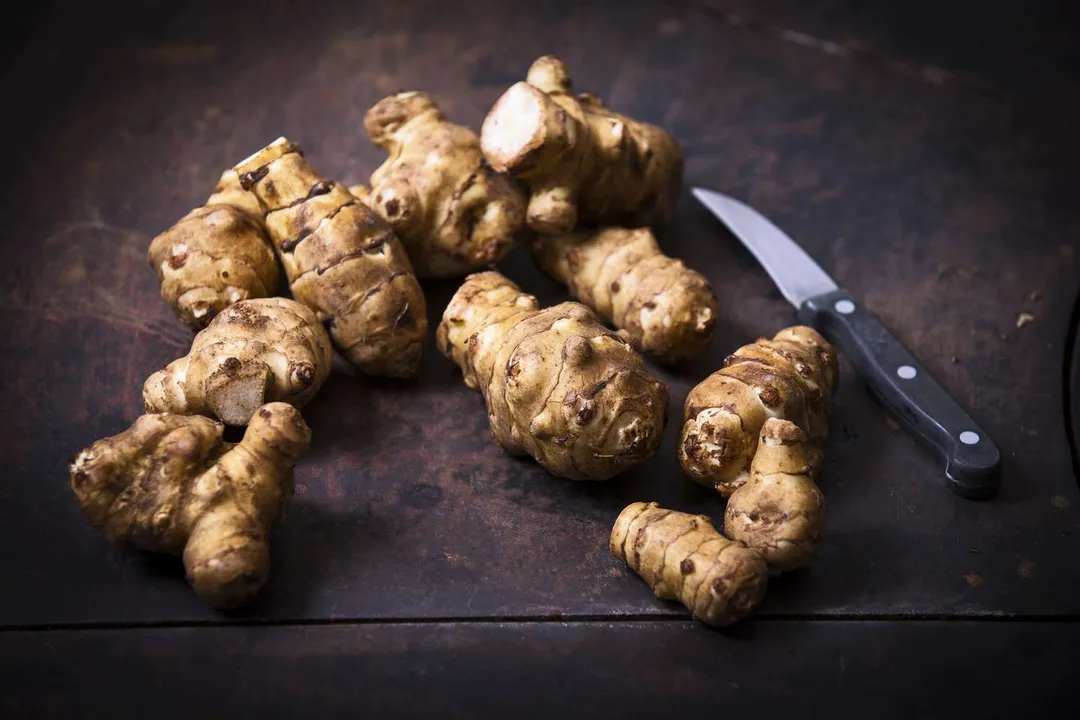
Topinambur, often known by its more common aliases Jerusalem artichoke or sunchoke, is a fascinating root vegetable that offers a wealth of nutritional advantages, despite its somewhat misleading name (it’s neither an artichoke nor from Jerusalem). [4][8] This tuber, the root of a species of sunflower (Helianthus tuberosus), has been cultivated for centuries and presents a unique profile that appeals to those seeking gut health support and balanced nutrition. [4][6] Unlike many starchy root vegetables, its primary carbohydrate is not starch but a dietary fiber called inulin, which fundamentally shifts how our bodies process this food. [2][4]
# Botanical Identity
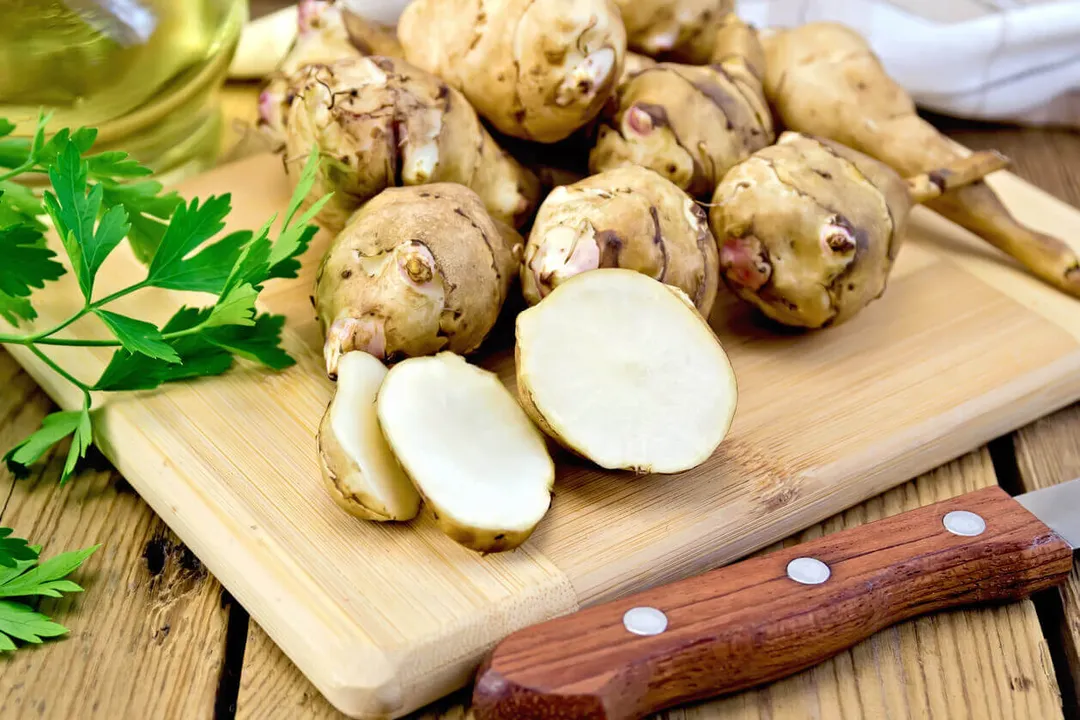
Before diving into the health aspects, understanding what you are eating helps set expectations. The Jerusalem artichoke is the edible tuber of a perennial sunflower species native to North America. [4] While it can look somewhat like a knobby ginger root or a small potato, its taste is often described as slightly sweet, nutty, or reminiscent of water chestnuts. [3][5][8] It is versatile in the kitchen, usable raw in salads or cooked like potatoes or parsnips. [3][8]
# Core Nutrition Profile
The nutritional makeup of Topinambur is where its health story truly begins. It is generally low in calories, with roughly 73 calories per 100 grams of raw tuber. [7] The carbohydrate content is surprisingly low in digestible sugars, as much of the carbohydrate content is tied up in inulin. [7]
A closer look at the macronutrient breakdown reveals why it’s often heralded as a functional food:
- Fiber Champion: Inulin is the star. It's a type of fructan, a soluble fiber that the human small intestine cannot digest. [4][8]
- Mineral Richness: Topinambur is a good source of several essential minerals, including potassium, which is vital for blood pressure regulation. [7] It also contains iron and thiamine (Vitamin B1). [7]
- Vitamins: It provides Vitamin C and various B vitamins. [7]
When compared to a standard white potato (raw, per 100g), the contrast in carbohydrate structure is significant. A potato is primarily starch, offering quick energy, whereas the sunchoke’s energy release is moderated by its high inulin content. [5] For instance, an average serving of sunchokes can provide nearly 2 grams of iron, making it a notable contributor to daily iron intake. [7]
# Gut Health Focus
The most celebrated health advantage of the Jerusalem artichoke stems directly from its high inulin content, classifying it as a powerful prebiotic food. [2][4][8] Prebiotics are non-digestible compounds that selectively feed beneficial bacteria living in the colon. [4]
When inulin reaches the large intestine undigested, it becomes a food source for beneficial bacteria like Bifidobacteria and Lactobacilli. [4][8] This fermentation process leads to the production of short-chain fatty acids (SCFAs), particularly butyrate, acetate, and propionate. [4][6] Butyrate is particularly important as it serves as the primary energy source for the cells lining the colon, thus supporting gut barrier integrity and reducing inflammation within the digestive tract. [4][6]
This selective nourishment encourages a thriving, balanced gut microbiome, which is linked to improved digestion and overall wellness. [4] One specific study noted that consumption of Topinambur extract significantly increased the populations of Bifidobacteria in test subjects. [1] The effect is potent; due to the rapid fermentation, consuming large quantities of raw sunchokes without prior acclimatization can lead to noticeable intestinal gas and bloating, especially in sensitive individuals. [5] For those new to incorporating them, starting with a small, cooked portion—perhaps just a quarter of a tuber—allows the gut microbiota time to adapt to the influx of inulin, a practical step often overlooked when moving from starchy to high-fiber vegetables. [5]
# Blood Sugar Management
The impact of Topinambur on blood glucose levels is another area garnering significant attention, primarily due to the nature of inulin. [2][8] Because inulin is a non-digestible fiber, it does not raise blood sugar levels in the way that starch or simple sugars do. [2][5] This characteristic makes sunchokes an excellent carbohydrate choice for individuals monitoring their sugar intake, including those with diabetes or insulin resistance. [2][8]
In essence, replacing a starchy side dish with sunchokes can significantly lower the overall glycemic load of a meal. [5] Research has indicated that foods high in inulin can have a positive impact on glucose metabolism. By slowing down the absorption of other sugars in the digestive tract and feeding beneficial bacteria which influence metabolic health, Topinambur contributes to more stable energy levels. [2][6] This fiber acts as a physical barrier, moderating the rate at which nutrients are absorbed into the bloodstream. [6]
To put this into perspective regarding meal planning, substituting one medium baked potato (which can have a high glycemic index) with the same weight of baked Topinambur could noticeably flatten the resulting blood sugar curve after eating, offering sustained energy rather than a sharp spike and crash. [5]
# Mineral Powerhouse
While the fiber content receives the most press, the mineral profile of the Jerusalem artichoke provides tangible daily health support. [7] Potassium is highly significant here. As an essential electrolyte, potassium works to balance out the negative effects of excessive sodium, promoting healthy blood pressure maintenance. [7]
Furthermore, the tubers contain decent amounts of iron, which is essential for oxygen transport in the blood. [7] For those needing to increase their plant-based iron intake, incorporating these knobby roots can be a tasty addition, especially when paired with Vitamin C-rich foods to enhance non-heme iron absorption. Some sources suggest that Jerusalem artichokes provide more iron than potatoes. [7]
# Antioxidant Activity
Like many plant foods, Topinambur contains various bioactive compounds that exhibit antioxidant properties. [6] While specific details regarding the type and quantity of phenolic compounds can vary based on growing conditions and processing, the presence of these compounds contributes to the vegetable's ability to combat oxidative stress in the body. [6] Oxidative stress, an imbalance between free radicals and antioxidants, is implicated in aging and various chronic diseases. [6] Consuming foods rich in these protective substances helps the body neutralize damaging free radicals. [6]
# Culinary Context and Preparation
To reap the benefits without the digestive discomfort, preparation matters. While raw sunchokes offer the highest concentration of intact inulin, cooking them significantly reduces the risk of excessive gas production. [3][5]
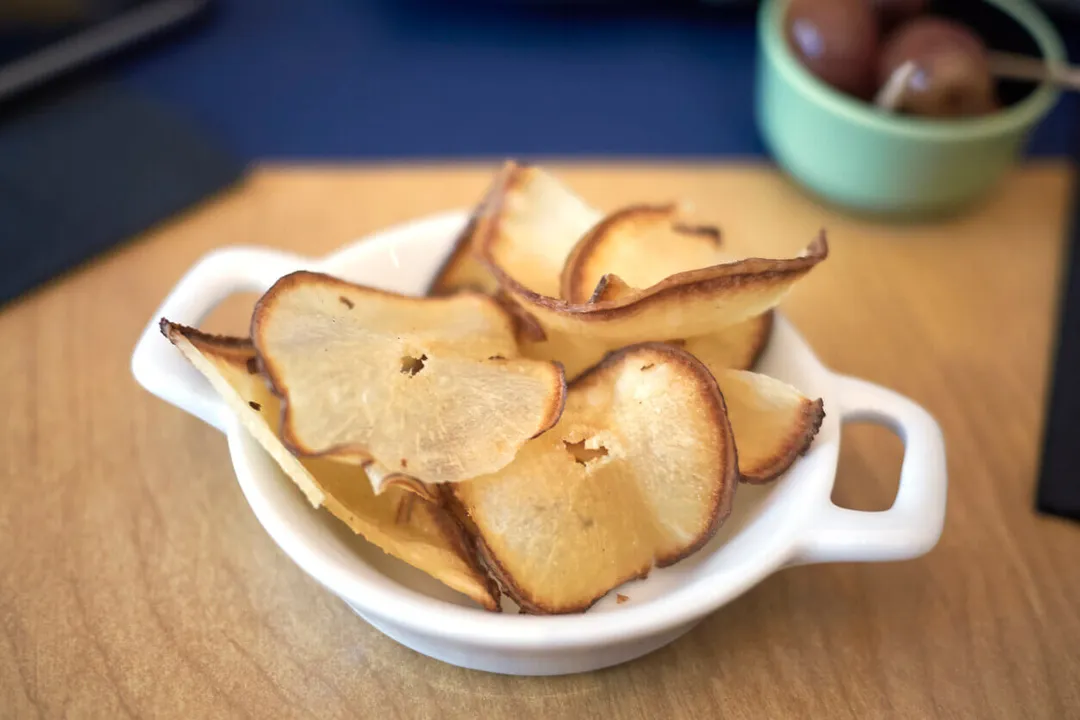
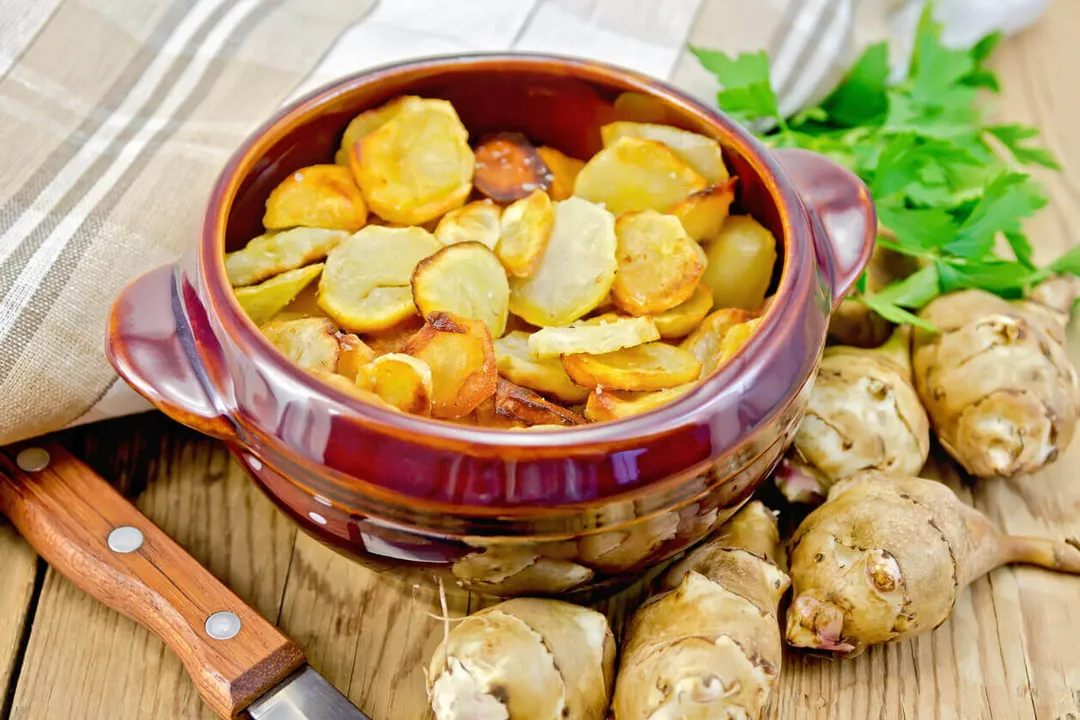
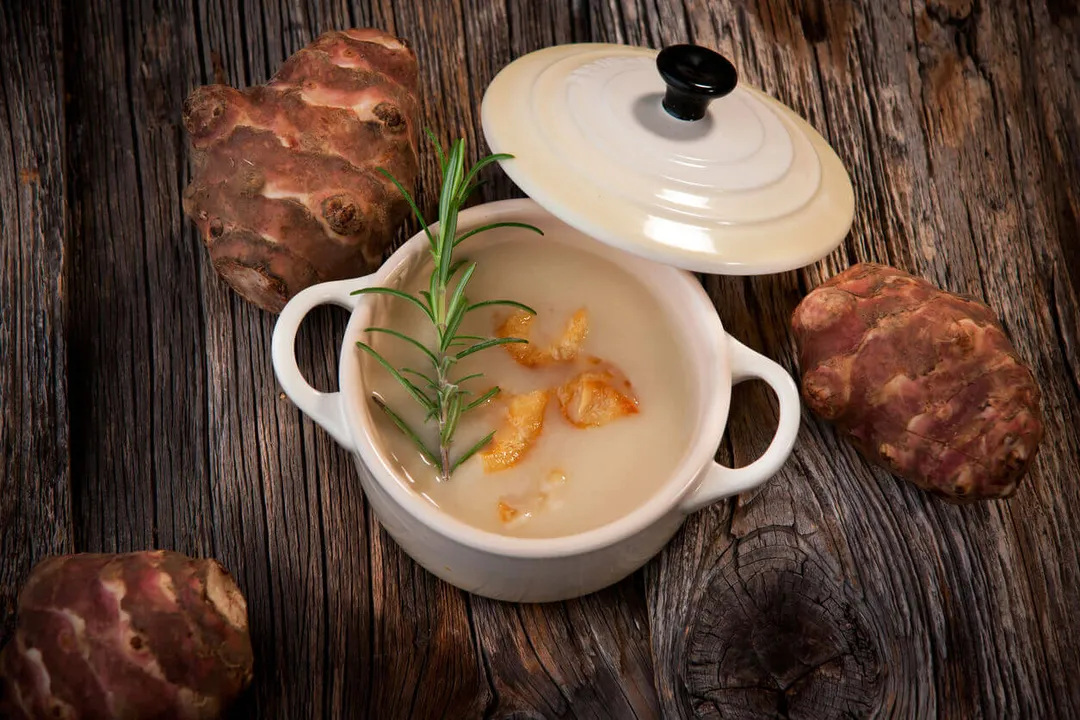
Cooking methods that work well include roasting, boiling, or pureeing them into soups. [3][8] Roasting tends to caramelize the natural sugars slightly, enhancing the nutty flavor profile. [3] When using them raw, grating them finely into slaws or salads is a good starting point. [3]
A key piece of advice centers on sourcing and storage. Since the primary component is inulin rather than starch, these tubers do not store as long as potatoes in a cool, dark place and are best used relatively soon after purchase. [5] If you are comparing fresh, locally sourced Topinambur tubers with those that have traveled long distances, expect significant differences in texture and potential sweetness, as market quality can drop off quickly. [5] This means that your first experience with a grocery store variety might not perfectly match the flavor you read about in guides promoting farmer's market finds.
# Inulin Versus Other Prebiotics
It is helpful to frame the potency of Topinambur by comparing its main fiber component, inulin, to other common prebiotic sources. Inulin is one of the most studied and effective prebiotics available. [4] Sources like chicory root are extremely high in inulin, and Jerusalem artichokes are right up there with them in terms of concentration. [4] Other foods like garlic, onions, and asparagus contain fructans, but often in lower overall concentrations or combined with different types of fibers. [4] The advantage of the sunchoke is that you can consume a larger physical volume of pure inulin through one serving compared to, say, a single clove of garlic, making it a concentrated source for targeted gut health support. [4] This high concentration necessitates that dietary integration be mindful and gradual. [4]
The comparison underscores why Topinambur is often recommended specifically for boosting Bifidobacteria counts, as inulin has been shown in various trials to promote this specific genus of bacteria more effectively than some other fibers. [1]
# Final Considerations
Topinambur offers a unique package: a low-glycemic root vegetable packed with minerals and a significant dose of the prebiotic fiber inulin. [2][7] Its ability to support the gut microbiome through SCFA production and its positive influence on blood sugar stabilization make it a valuable addition to a health-conscious diet. [2][4][6] Remember that preparation and portion control are your best allies when introducing this knobby wonder into your regular rotation to ensure you experience the benefits without the initial digestive adjustment. [3][5]
Related Questions
#Citations
[Topinambour - nutritional and medical properties of the Jerusalem ...
Jerusalem Artichoke Nutrition Facts and Health Benefits - Verywell Fit
Health Benefits of Sunchokes - AnnaMaria's Foods
Jerusalem Artichoke Guide: Benefits, Uses & More - OLIPOP
Everything You Need to Know About Jerusalem Artichokes
Human Health Benefits through Daily Consumption of Jerusalem ...
Topinambur's Nutritional Profile: Unlocking the Power of this Root Veg
Jerusalem Artichoke: What is It and What are the Benefits? - MEND
Top 8 Health Benefits of Artichokes and Artichoke Extract - Healthline