Health Benefits of Tat Soi
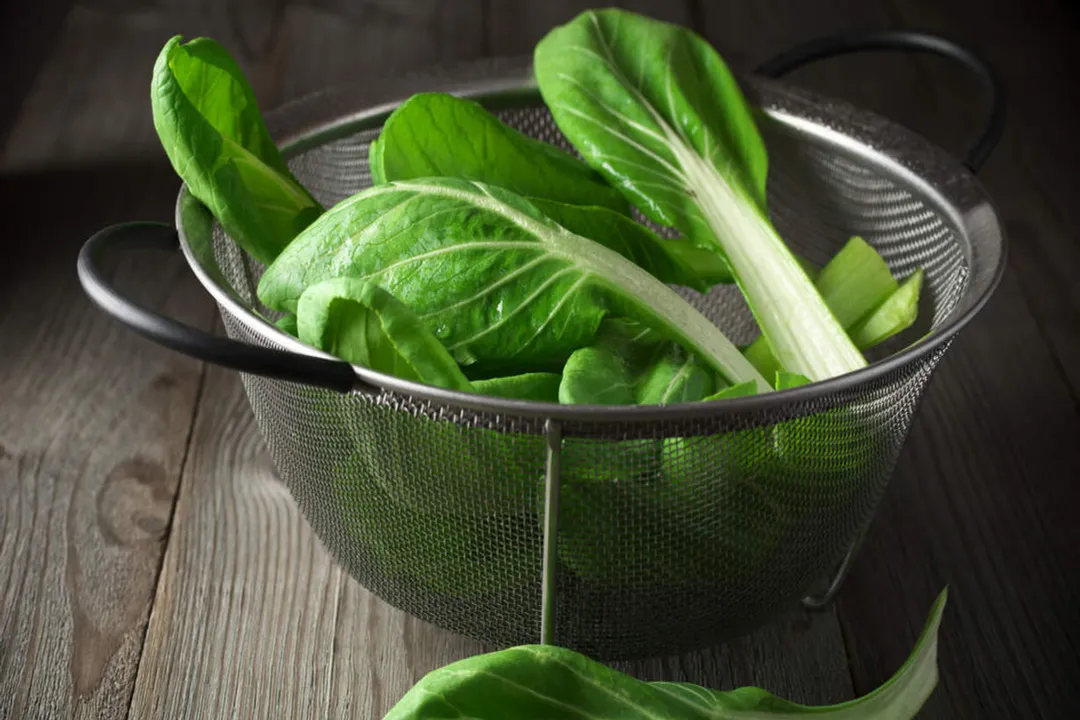
This unassuming leafy green, often hiding in pre-mixed salad bags, is making its way into kitchens for its distinctive taste and impressive nutritional makeup. Tatsoi, which also answers to names like spoon mustard, tat choy, or rosette bok choy, belongs squarely in the Brassica family, positioning it near relatives like kale, broccoli, and traditional bok choy. [1][3][4] It presents itself as a compact rosette of dark green, glossy, spoon-shaped leaves, often with white or green stems. [2][3] For those unfamiliar, the texture when cooked is often compared to spinach or Swiss chard, while the flavor carries a pleasant earthiness complemented by distinct, slightly peppery or mustardy notes. [1][4] This Asian green is gaining traction in North America precisely because it adds a nuanced, slightly spicy kick that standard lettuces lack. [1]
# Botanical Kinship
As a member of the Brassica rapa family, Tatsoi shares genetic roots with many familiar cruciferous vegetables. [2][3] While it is closely related to bok choy, it is distinct enough to possess its own unique characteristics and flavor profile. [1] It is important to note that Tatsoi is sometimes labeled as Brassica rapa subsp. narinosa or Brassica rapa var. rosularis in botanical references. [3] Beyond the common names, specialty varieties may appear, such as 'Black Summer' or 'Ching-Chiang', showing that even within this specific green, cultivation offers slight variations. [1] Both the leaves and the stems are edible, making the entire plant useful in the kitchen. [2]
# Nutrient Powerhouse
When assessing the value of any vegetable, a look at its micronutrient profile reveals why Tatsoi is nicknamed “vitamin green”. [1] It is a low-calorie choice, yet it provides substantial amounts of essential vitamins and minerals. [3] For instance, 100 grams of raw Tatsoi leaves provide energy in the range of 15 to 22 calories, with small amounts of carbohydrates and protein, making it very nutrient-efficient. [1][3] Crucially, Tatsoi packs significant percentages of the recommended daily value for several nutrients that many Western diets lack sufficient intake of, such as Vitamin A, Vitamin C, Calcium, and Potassium. [2]
The relative density of these key components showcases its strength when compared side-by-side with other common produce:
| Key Component | Comparative Strength/Value (Approximate) | Primary Functions Supported |
|---|---|---|
| Vitamin C | More than oranges, papaya, and spinach [1][3] | Immune building, tissue formation [2][3] |
| Vitamin A (as Beta-Carotene) | High, often over 89% DV [1][3] | Vision, skin health, immune function [1][3] |
| Calcium | Nearly double that found in milk [2][3] | Bone density, blood pressure regulation [2][3] |
| Vitamin K | Excellent source, often exceeding 160% DV [3] | Essential for blood clotting and bone health [2][3] |
| Folate (B9) | Significant reserve [1][2] | Cell growth, metabolism, cognitive function [1] |
This concentration of micronutrients suggests that swapping out a standard lettuce for Tatsoi in a daily salad isn't just about flavor variety; it's a direct increase in several critical dietary elements. [2] The presence of carotenoids, which the body converts to Vitamin A, is particularly noteworthy for those focused on preventative eye care. [3]
# Immune Function
The abundance of Vitamin C positions Tatsoi as a valuable addition for maintaining a strong defense system. [1][2] This potent antioxidant is necessary for the proper creation of tissues and plays a recognized role in supporting the production of white blood cells, which are central to fighting off illness. [2][3] By minimizing oxidative stress and cellular damage, the high Vitamin C content may contribute to overall longevity and help lower the risk associated with various chronic conditions, including heart disease and cancer. [1] When looking for greens that deliver an immediate boost to your body's protective mechanisms, Tatsoi certainly ranks highly due to this vitamin concentration. [3]
# Bone Strength
Achieving adequate intake of minerals essential for skeletal structure can sometimes be a challenge, but Tatsoi offers a significant boost of Calcium. [2] Some analyses even suggest it contains nearly twice the amount of calcium found in milk. [2][3] Calcium is indispensable not only for maintaining strong bones and teeth but also for various other systemic processes, such as regulating blood pressure and easing symptoms associated with PMS. [2]
However, calcium works best when supported by other components, and Tatsoi delivers here too, being an excellent source of Vitamin K. [2][3] Vitamin K is vital because it assists in the blood clotting process and is critical for regulating calcium levels within the body, ensuring proper bone mineralization occurs. [2][3] A one-two punch of high calcium and high Vitamin K makes this green a powerhouse for long-term skeletal maintenance, a benefit often overlooked when focusing only on dairy sources of calcium. [2]
# Heart Regulation
Cardiovascular support comes through several avenues when consuming Tatsoi. The mineral Potassium is featured prominently in its profile, acting as a key electrolyte that helps the body manage fluid content across its cells. [1][2] This regulation is vital for maintaining healthy blood pressure levels, which directly impacts cardiac function. [2][3]
Furthermore, Tatsoi contains a range of antioxidants and other beneficial compounds that support the circulatory system. These components are understood to help relax smooth muscle tissues found in the arteries, which can contribute to better blood flow and reduced strain on the heart. [1] Given that many people struggle to meet their recommended daily intake of potassium, incorporating a versatile green like Tatsoi into meals offers a palatable way to balance these vital electrolytes. [2]
# Antioxidant Activity
Perhaps the most compelling aspect of Tatsoi, shared with other cruciferous vegetables, is its rich array of phytochemicals. [3][4] These compounds include flavonoids, carotenes, lutein, zeaxanthin, and notably, glucosinolates. [1][4] Glucosinolates are responsible for the slightly bitter flavor note found in these vegetables, but their health contributions are significant. [1]
Research has explored glucosinolates for their potential protective effects against chronic illnesses, particularly cancer and heart disease. [1] Specific breakdown products, such as sulforaphane and Di-indolyl-methane (DIM), have been studied for their demonstrated ability to impede the growth of tumor cells across various cancer types, including breast, colon, and prostate cancers. [1][3] The presence of these powerful, defense-oriented compounds underscores why consuming a wide spectrum of deeply colored vegetables is foundational to preventative nutrition. [4]
# Culinary Adaptability
Tatsoi's appeal extends well past its nutrient panel into the kitchen, where its mild, sweet, yet peppery flavor profile shines. [1][4] Its adaptability means it rarely becomes monotonous in the diet. The crunchiness of the raw leaves is an excellent textural addition to mixed green salads, offering more bite than delicate spinach. [1][2]
When heat is applied, the leaves wilt down much like spinach, taking on a pleasant, buttery quality ideal for quick cooking methods. [1]
Methods for enjoying Tatsoi include:
- Tossing raw leaves into a salad base. [2]
- Sautéing or stir-frying quickly with aromatics like garlic and ginger. [1][3]
- Adding the greens in the final minutes of soup preparation to preserve texture and nutrient integrity. [2][3]
For pairing, consider its subtle sweetness: greens with peppery notes often find balance when matched with sweeter components. If you are building a vinaigrette for a Tatsoi salad, instead of leaning too heavily on sharp acids, try an emulsion built on a base of honey or maple syrup mixed with a mild vinegar like rice wine, whisked slowly into an olive oil. This approach naturally counters the inherent mustardy sharpness of the leaf while complementing its earthy undertones, something you won't find listed as a standard recipe but makes perfect sense given its flavor profile. [1]
# Cultivation and Sourcing
If you cannot find whole heads of Tatsoi at your market, growing it yourself is a rewarding endeavor, especially for those with limited space. [2] Tatsoi is known for its relatively fast maturity, sometimes ready for initial harvest in as little as three weeks. [1] It performs best when planted either in the late spring for a summer harvest or late summer for a fall harvest, as it dislikes the extremes of cold or intense summer heat. [1][2]
For successful growth, the plant requires well-draining soil, ideally with a pH between 6.5 and 7.0, and moderate sun exposure—about three to five hours daily. [1][2] A major advantage for home growers is its "cut-and-come-again" characteristic; rather than pulling the whole plant, you can trim the outer, mature leaves, leaving about an inch of stem above the ground, allowing the center to continue producing fresh growth. [1][2] For those looking for maximum efficiency in a small urban setting, Tatsoi's rapid turnaround and ability to be successively harvested make it a highly productive crop per square foot compared to greens that only offer a single, full-head harvest. [1] When purchasing, look for vibrant, glossy green leaves, and avoid anything yellowed or wilted, as the greens generally store well for only three to five days in the refrigerator. [1]
# Health Caveats
While Tatsoi is generally safe for most healthy adults in moderation, there are specific health considerations to keep in mind. [3] Like many other vegetables in the cruciferous category, Tatsoi contains goitrogens. [1][3] These compounds have the potential to interfere with the function of the thyroid gland and its hormone production if consumed in very large quantities. [1] Individuals with pre-existing thyroid conditions should consult their physician before significantly increasing their intake of Tatsoi, and often, cooking the greens can help reduce the goitrogenic effects. [3] Furthermore, as with any Brassica vegetable, individuals with known allergies to this family of greens should exercise caution. [3] Overall, finding Tatsoi is a chance to introduce powerful, unique nutrition into your routine, provided you are mindful of any specific health directives you may be following. [2]
Related Questions
#Citations
Are There Health Benefits of Tatsoi? - WebMD
What Is Tatsoi? Benefits, Uses, Nutrition and Side Effects - Dr. Axe
What Is Tatsoi? Uses, Nutrition, Health Benefits, Recipe ... - Netmeds
Tantalizing Tatsoi: Exploring a Nutrient-Packed Leafy Green