Health Benefits of Shallot
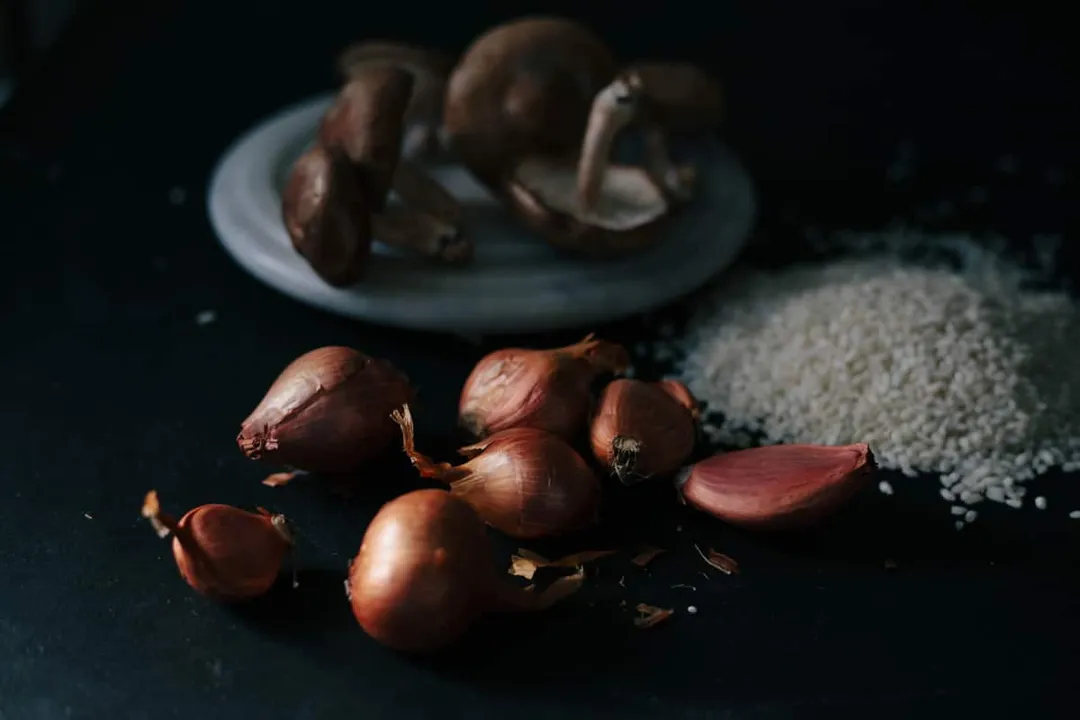
Shallots often reside in the shadow of their more famous cousins, the onion and garlic, yet this small, elongated bulb packs a disproportionate punch when it comes to flavor and documented health advantages. Frequently mistaken for small onions or perhaps garlic bulbs due to their size and clustered growth, shallots (Allium cepa aggregate) possess a milder, sweeter taste with a subtle garlic undertone, making them a versatile staple in various global cuisines. [1][4] Beyond their culinary appeal, a closer look at their chemical makeup reveals a treasure trove of beneficial compounds that support everything from heart function to cellular defense. [3] Understanding these attributes solidifies the shallot’s place not just as a flavoring agent, but as a significant functional food worth incorporating regularly into one's diet. [5]
# Defining Alliums
Shallots are part of the Allium genus, grouping them with onions, garlic, chives, and leeks. [1] While they grow similarly to garlic, splitting into multiple cloves within a single outer skin, their flavor profile generally lands somewhere between the pungency of onion and the sharpness of garlic. [4] This unique balance is one reason professional chefs often prefer them; they impart depth without overwhelming other ingredients. [4] Different varieties exist, including the common French shallot and the Persian shallot (Allium ascalonicum), each potentially offering slightly varied concentrations of bioactive components. [3][8] When preparing them, peeling can sometimes be tedious, but the effort rewards you with a delicate sweetness that raw onion rarely achieves. [4]
# Nutrient Density
Despite their diminutive size, shallots deliver a respectable amount of essential vitamins and minerals while remaining very low in calories. [4] For those mindful of caloric intake, this makes them an excellent choice for bulking up meals with flavor and nutritional substance. [4] They provide notable amounts of Vitamin C, crucial for immune defense and collagen production. [5] Furthermore, they contribute B vitamins, including Vitamin B6, and folate. [4]
In terms of minerals, shallots are a good source of manganese, which is vital for metabolism and bone health, and they also contain potassium, iron, and copper. [4] Considering that a typical serving size is quite small—often just a few raw cloves—the concentration of these micronutrients per bite is quite impressive. [4] If you are building a foundational diet based on nutrient density per calorie, including shallots alongside other alliums makes excellent sense, offering a lower-fructose alternative to some larger onion varieties while still delivering key minerals like potassium, essential for fluid balance. [4]
# Antioxidant Power
Perhaps the most celebrated aspect of shallots lies in their high concentration of powerful antioxidants. [1][3][5] These compounds combat oxidative stress in the body, which is implicated in aging and the development of chronic diseases. [1]
The primary antioxidant heroes found within shallots are flavonoids. [1][4] Two specific flavonoids often highlighted are quercetin and kaempferol. [1][4] These are known for their anti-inflammatory and protective qualities. [3] Research focusing on Allium species, including shallots, often points toward these polyphenolic compounds as the drivers behind many of their observed health effects. [6][8]
It's worth noting that the presence of these sulfur-containing compounds, similar to those found in garlic, also contributes to their protective profile. [4] While we often consume shallots cooked, which slightly reduces the content of heat-sensitive nutrients like Vitamin C, the stable flavonoid structure generally remains quite effective. [1] For those seeking maximum antioxidant benefit, consuming them finely minced and raw in vinaigrettes or salsas can be a strategic way to ingest a higher load of these protective agents, though the flavor will naturally be sharper than when they are sautéed. [5]
# Heart Health
The compounds within shallots show significant promise in supporting cardiovascular wellness through several interconnected mechanisms. [3][5] The presence of quercetin, for instance, has been linked to benefits for heart health. [1]
Specifically, shallots may assist in managing blood pressure and maintaining healthy cholesterol levels. [5] The bioactive ingredients in Allium vegetables often help relax blood vessels, contributing to better circulation and reduced strain on the heart. [2] Furthermore, studies suggest that the regular consumption of these vegetables is associated with a lower risk of developing cardiovascular diseases. [2] By mitigating oxidative damage and supporting vascular function, shallots contribute to a healthier circulatory system overall. [1][6] This cumulative effect of antioxidant defense and vascular support underscores why they are frequently mentioned alongside foods recommended for long-term heart protection. [3]
# Disease Defense
Beyond general systemic protection, specific medicinal properties attributed to shallots—particularly the Persian variety—have been documented, suggesting potential roles in inhibiting disease progression. [6][8]
# Anticancer Potential
Multiple sources indicate that shallots possess properties that may help prevent cancer. [3][5][6] This is often attributed to the high level of antioxidants and sulfur compounds that can interfere with the proliferation of cancer cells. [2][6][8] While no single food can prevent cancer, incorporating foods rich in these protective phytochemicals, like shallots, is a key component of a preventative dietary strategy. [1]
# Antimicrobial Action
Shallots also demonstrate notable antibacterial and antifungal activities. [7] This inherent ability to combat microscopic threats is a recognized attribute of many Allium vegetables. [7] This property means they don't just protect you internally; they possess natural qualities that can inhibit microbial growth when used in food preservation or preparation, a useful trait noted in traditional uses. [7]
# Blood Sugar Regulation
For individuals managing blood sugar, shallots present a favorable food choice. [4][7] The components within these bulbs are thought to help regulate blood glucose levels. [2][7] While the exact mechanisms are complex, this benefit is often linked to the overall anti-inflammatory action and the presence of sulfur compounds that can influence insulin sensitivity. [6]
# Gut Function
A thriving digestive system is foundational to overall health, and shallots contribute positively here, primarily through their fiber content. [4] Shallots contain prebiotic fiber, which acts as food for the beneficial bacteria residing in the gut microbiome. [4] A well-fed, diverse gut flora is essential for nutrient absorption, immune response modulation, and even mental well-being. [4]
When you consume shallots, you are not just feeding yourself; you are actively nurturing your internal ecosystem. [4] This prebiotic effect distinguishes them as more than just a source of vitamins; they are active supporters of digestive balance. [4]
# Bone and Skin Vitality
The nutritional profile of shallots also extends benefits to the structural components of the body, such as bones and skin. [7]
# Skeletal Support
The presence of certain minerals, such as manganese and potentially Vitamin K (though not all sources explicitly detail Vitamin K for shallots, B vitamins and minerals are noted) contributes to skeletal strength. [4][7] Manganese plays a role in bone formation and maintenance, making the mineral contribution from shallots relevant for long-term bone health. [4]
# Skin Health
Shallots have also been associated with promoting healthy skin. [7] This is likely a direct result of their high Vitamin C content—essential for synthesizing collagen, the protein that gives skin its structure and elasticity—combined with the systemic anti-inflammatory effects provided by the flavonoids. [1][5]
# Practical Integration and Flavor Strategy
Transitioning from understanding the why to implementing the how is key for benefiting from shallots. [5] Given their delicate flavor, they excel where a milder allium note is desired. They are superior when incorporated raw into delicate preparations, such as French vinaigrettes or finely minced as a garnish for creamy soups, ensuring the full spectrum of sulfur compounds and heat-sensitive vitamins remains intact. [1][4]
However, their flavor deepens beautifully when sweated slowly in butter or oil, making them a perfect base for pan sauces or braises where they dissolve into a rich, sweet foundation. [4] If your goal is to boost the antioxidant intake in a cooked dish without introducing the sharpness of raw onion or garlic, choosing the shallot allows for a higher volume inclusion because its flavor integrates so smoothly. For instance, when preparing a complex stock or broth, sautéing three or four shallots versus one large onion can provide a sweeter, less aggressive aromatic base, making the final product subtly richer in flavor compounds without masking the main ingredients. [5] This gentle integration is where the shallot's unique culinary role overlaps perfectly with its health advantages: you can consume more of the beneficial compounds easily because the taste is so agreeable. [4]
# Comparative Snapshot of Key Benefits
To highlight the functional synergy within this small bulb, here is a summary of the core protective actions sourced across the literature:
| Health System | Primary Mechanism(s) | Key Compounds Involved |
|---|---|---|
| Cardiovascular | Blood pressure regulation, cholesterol support | Quercetin, general antioxidants |
| Cellular Defense | Combating free radicals, inhibiting cell growth | Flavonoids (Quercetin, Kaempferol) |
| Digestive Health | Nourishing beneficial gut flora | Prebiotic Fiber |
| Immune Support | Systemic protection, cellular repair | Vitamin C |
| Metabolic | Assisting in blood sugar stabilization | Various sulfur compounds |
This table illustrates that the benefits are rarely singular; for example, the anti-inflammatory action supports both heart health and reduced systemic stress. [3][6]
# Specific Compounds and Actions
While the general term "antioxidant" covers much of the benefit, recognizing the specific compounds validates the claims. [1] The medicinal literature often zeroes in on the concentration of these bioactive molecules in Allium bulbs. [6][8] The presence of high levels of flavonoids suggests broad protective capabilities across different body systems. [1] Furthermore, the antibacterial and antifungal properties are not just theoretical; they are inherent chemical defenses of the plant that translate into potential benefits for the consumer, perhaps aiding in keeping the digestive tract balanced when consumed raw. [7] The combined effect of these elements—vitamins, minerals, prebiotics, and polyphenols—is what defines the shallot’s high functional value. [4] The fact that these benefits are shared across general health reports and specific medicinal studies on related varieties confirms the strength of the Allium family profile. [1][6]
Related Questions
#Citations
What Are Shallots? Nutrition, Benefits, and Substitutes
The benefits of shallots?
History and health benefits of shallot - ail-echalote-certifie.org
Shallots: The Cancer-Fighting, Heart-Improving Vegetable
Health Benefits of Shallots
Therapeutic Uses and Pharmacological Properties of ...
8 Awesome Health Benefits of Shallots
Medicinal properties of Persian Shallot - Prime Scholars