Health Benefits of Rosemary
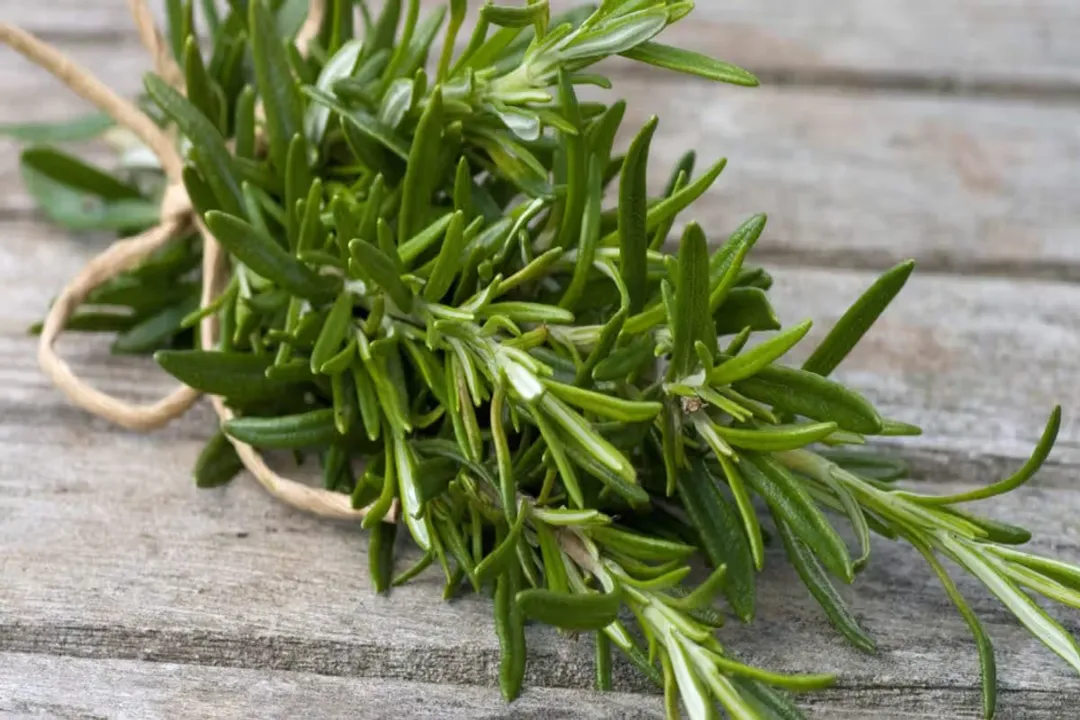
The distinct, piney fragrance of rosemary, Salvia rosmarinus, immediately transports many people to Mediterranean kitchens or perhaps a warm, herbaceous garden. Yet, this common culinary staple is far more than just a seasoning for roasted potatoes or lamb. For centuries, various cultures have regarded rosemary not merely as an herb but as a plant with significant medicinal potential, a reputation that modern research continues to support across a range of applications, from boosting brainpower to promoting skin health. [1][2][6] Understanding its full spectrum of benefits requires looking closely at the potent compounds locked within its needle-like leaves.
# Antioxidant Power

Rosemary is exceptionally rich in powerful antioxidants and anti-inflammatory compounds, which are fundamental to its perceived health advantages. [1][4] The primary active components driving this action are generally identified as carnosic acid and rosmarinic acid. [4] These compounds are quite effective at neutralizing free radicals—unstable molecules that can cause oxidative stress and damage cells throughout the body, contributing to aging and various chronic diseases. [1][4]
When comparing the antioxidant strength of rosemary to other herbs, it often stands out. While many plants offer protection, the concentration and effectiveness of the diterpenes, like carnosic acid, in rosemary are notable. [4] This protective action isn't just theoretical; these antioxidants are believed to offer protection against environmental toxins and support overall cellular health. [1] For instance, carnosic acid has been specifically studied for its protective effects on the brain against lipid peroxidation, a type of oxidative damage to fats. [4]
If you are thinking about incorporating more potent antioxidants into your diet, consider that drying rosemary concentrates certain compounds, similar to how spices intensify in flavor upon drying. Therefore, using dried rosemary in rubs or infusions can provide a different level of antioxidant load compared to using fresh sprigs, though the fresh form offers a more volatile oil profile. [2]
# Cognitive Boost

Perhaps one of the most fascinating areas of rosemary research pertains to its impact on the brain and mental performance. [4] Historically, it has been associated with memory improvement, a connection that ancient Roman and Greek scholars recognized. [1][6] In contemporary terms, this association is being explored through its neuroprotective qualities. [4]
The compounds in rosemary are thought to enhance circulation, which supports better oxygen and nutrient delivery to the brain. [1] Furthermore, research suggests that inhaling rosemary essential oil or consuming it may help improve aspects of memory, focus, and overall cognitive function. [4][6] Some studies focusing on specific populations, such as older adults, have indicated potential benefits in cognitive performance following consistent intake or inhalation, suggesting a tangible effect on how the mind functions under load. [4]
If you are preparing for a study session or a demanding meeting, rather than reaching for highly processed energy boosters, a simple infusion of rosemary tea—brewing a teaspoon of dried leaves in hot water for about ten minutes—might offer a gentler, sustained cognitive lift through improved blood flow and antioxidant support. [5]

# Digestive Aid
Rosemary has a long-standing tradition in folk medicine as a digestive helper, and modern perspectives often align with this historical use. [6] It can act as a mild carminative, meaning it can help reduce gas and bloating by soothing the digestive tract. [2][6]
The herb's essential oils contain components that may help stimulate bile production, which is necessary for the proper digestion of fats. [6] This stimulation aids the body in breaking down richer meals more effectively. While direct clinical trials focusing solely on rosemary for irritable bowel syndrome (IBS) symptoms in large human cohorts are still developing, its antispasmodic properties, though mild, suggest it can help ease cramping associated with general indigestion. [6]
When used in cooking, especially with heavier meats or fatty sauces, rosemary isn't just adding flavor; it is theoretically assisting the body's natural digestive processes at the point of consumption. [2]
# Skin Hydration
The benefits of rosemary extend beyond internal consumption; the topical application of its extracts, particularly through essential oils or infused waters, shows promise for skin health. [7] The anti-inflammatory nature that benefits the body internally also works externally to soothe irritated skin. [7]
Rosemary contains antioxidants that can help protect the skin from environmental damage, similar to how they protect internal cells. [7] A key area of focus for topical use is hydration. Certain constituents in rosemary preparations are thought to help improve the skin's ability to retain moisture, leading to a more supple and hydrated appearance. [7] This is often achieved through extracts that help stabilize the skin barrier function. [7]
When using rosemary for skin application, it is critical to remember that essential oil must never be applied directly. For example, if creating a facial steam or adding drops to a bath, ensure meticulous dilution in a carrier oil or water base first, as undiluted essential oils can cause severe irritation or sensitization. [9] Furthermore, for targeted hydration, one can create a simple rosemary hydrosol by simmering the fresh herb in water and using the cooled, strained liquid as a facial toner applied with a cotton pad after cleansing. [7]
# Hair Growth
The scalp and hair follicles can also benefit from rosemary's circulatory and antioxidant properties. [10] Some evidence suggests that rosemary oil, when massaged into the scalp, may help stimulate circulation to the hair follicles. [10] Improved blood flow is crucial because it ensures that these follicles receive the necessary nutrients to maintain a healthy growth cycle. [10]
While it is often compared to minoxidil (a common hair loss treatment), it is important to note that the mechanisms are likely different, though both aim to improve follicle health. [10] In one study cited in research, rosemary oil was found to be as effective as a 2% minoxidil solution for treating androgenetic alopecia (pattern baldness) over a six-month period, suggesting a real physical impact on hair density. [10]
For those experiencing thinning hair, a nightly scalp massage incorporating a few drops of rosemary essential oil mixed with a base oil like jojoba or coconut oil presents a traditional, hands-on approach to supporting hair vitality. [10] Always patch-test new essential oil blends on the inner arm first to check for sensitivity.
# Antimicrobial Properties
Rosemary possesses natural antimicrobial qualities that make it useful both as a food preservative and potentially for fighting harmful microbes in the body. [1][4] The essential oil components, including cineole and camphor, exhibit activity against various bacteria and fungi. [4]
This antimicrobial action is one reason why rosemary is often used in culinary traditions to help preserve foods, particularly meats, by inhibiting the growth of spoilage microorganisms. [2] This effect is tied back to the same active chemical constituents that provide the antioxidant punch. [4] While this doesn't translate directly to treating systemic infections, it speaks to the herb's inherent defensive chemistry. [4]
When looking at rosemary essential oil specifically, its potent nature means it should be treated with caution. Beyond skin application, its use in cleaning solutions or diffusers, due to its natural ability to purify the air of certain microbes, showcases its broad bioactivity. [9]

# Rosemary Tea Preparation
As a beverage, rosemary tea offers a gentle route to absorb its water-soluble nutrients and volatile compounds. [5] Preparing this tea correctly is key to maximizing its potential benefits without making it overly bitter.
The process is straightforward: typically, one suggests using about one teaspoon of dried rosemary leaves per eight ounces of boiling water. [5] Allowing it to steep for around five to ten minutes is generally recommended. [5] If you prefer a milder flavor profile, steeping for less time, perhaps three to five minutes, will yield a lighter infusion, focusing more on the subtle aromatic compounds. [5] Conversely, longer steeping times tend to bring out more of the bitter, resinous notes associated with the stronger diterpenes, though some users prefer this intensity for a more potent remedy. [5]
It’s interesting to compare the experience of drinking the tea versus using the herb as a primary culinary seasoning. In cooking, rosemary is often added early to high-heat applications, which vaporizes many of the lighter aromatic oils but leaves behind the more stable, earthy flavors. [2] The tea preparation, conversely, gently extracts both the volatile aromas and the more stable chemical compounds in a liquid medium, allowing for easier systemic absorption of a wider array of its constituents. [5]
# Essential Oil Considerations
Rosemary essential oil, derived through steam distillation, represents a highly concentrated form of the herb's active ingredients. [9] Due to this high concentration, the methods and safety guidelines for its use differ significantly from those for culinary or tea applications. [9]
The oil is often cited for its use in aromatherapy to support mental clarity and mood, as well as for topical applications concerning circulation and hair health. [9][10] However, its potency necessitates strict adherence to dilution ratios when applied to the skin. [9] A general guideline suggests keeping topical blends below a 5% concentration, meaning no more than about five drops of essential oil per teaspoon of carrier oil (like olive or almond oil). [9]
Furthermore, it is important to be mindful of different chemotypes of rosemary oil available. Some varieties are high in camphor, which can be stimulating but should be avoided by individuals with certain conditions, like epilepsy, or for use on small children. [9] Always confirm the specific chemical profile if possible, although for general home use, sticking to well-known brands and moderate dilution remains the safest standard. [9]
# Summary of Uses
The utility of rosemary spans multiple body systems, making it a versatile addition to wellness routines. [1][6]
| Benefit Area | Mechanism Highlighted | Form of Use |
|---|---|---|
| Cognition | Improved circulation, antioxidant protection | Inhalation, Tea |
| Digestion | Carminative, mild bile stimulation | Culinary, Tea |
| Skin Health | Anti-inflammatory, moisture retention | Topical Extract/Infusion |
| Hair Vitality | Scalp circulation stimulation | Scalp Massage with Diluted Oil |
| Cellular Health | High concentration of diterpenes | Culinary, Dietary Supplementation |
It is worth noting that while rosemary is generally recognized as safe (GRAS) when used in typical food amounts, therapeutic or concentrated doses (like oils or high-potency extracts) require more awareness of potential interactions or contraindications, as seen with any potent botanical agent. [1][9] Its broad spectrum of activity—addressing inflammation, oxidative stress, and circulation—is what makes it such an enduring subject of both traditional practice and modern scientific inquiry. [4][6]
Related Questions
#Citations
Health Benefits of Rosemary - WebMD
Rosemary: Health benefits, precautions, and drug interactions
Naturopathic Kitchen: The Health Benefits of Rosemary - AANMC
Therapeutic effects of rosemary (Rosmarinus officinalis L.) and its ...
6 Benefits and Uses of Rosemary Tea - Healthline
Rosemary Benefits, Side Effects, and Recipes - Verywell Fit
Top 5 Rosemary Benefits for Hydrated Skin - Kate Somerville
The Health Benefits of Rosemary - Flushing Hospital Medical Center
14 Benefits and Uses of Rosemary Essential Oil | Vinmec
Top 8 benefits of rosemary oil - BBC Good Food