Health Benefits of Radicchio
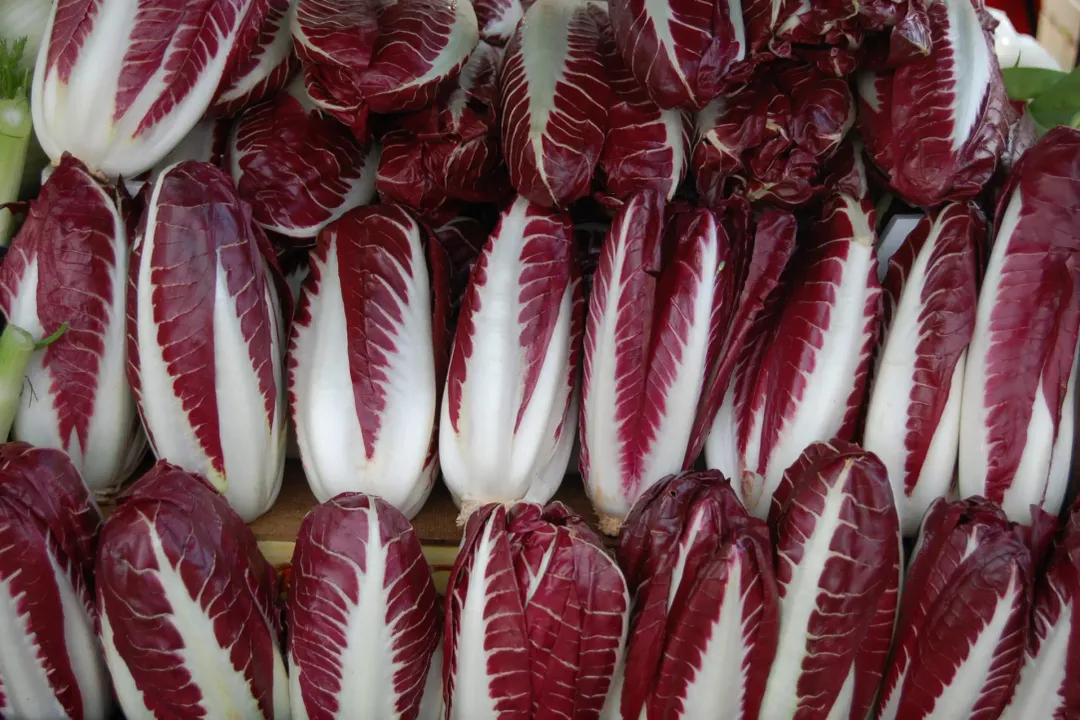
This deep-red, slightly bitter leafy vegetable, often mistaken for a type of chicory or red cabbage, is actually Cichorium intybus and packs a surprisingly potent punch of beneficial compounds for the human body. [2][3] Far from being just a visually striking addition to a winter salad, radicchio offers distinct health advantages that warrant a closer look at this Italian staple. [4] Its unique flavor profile, which ranges from pleasantly sharp to intensely pungent depending on the variety, directly correlates with the concentration of the very phytonutrients that make it so valuable for wellness. [1][3]
# Nutrient Density
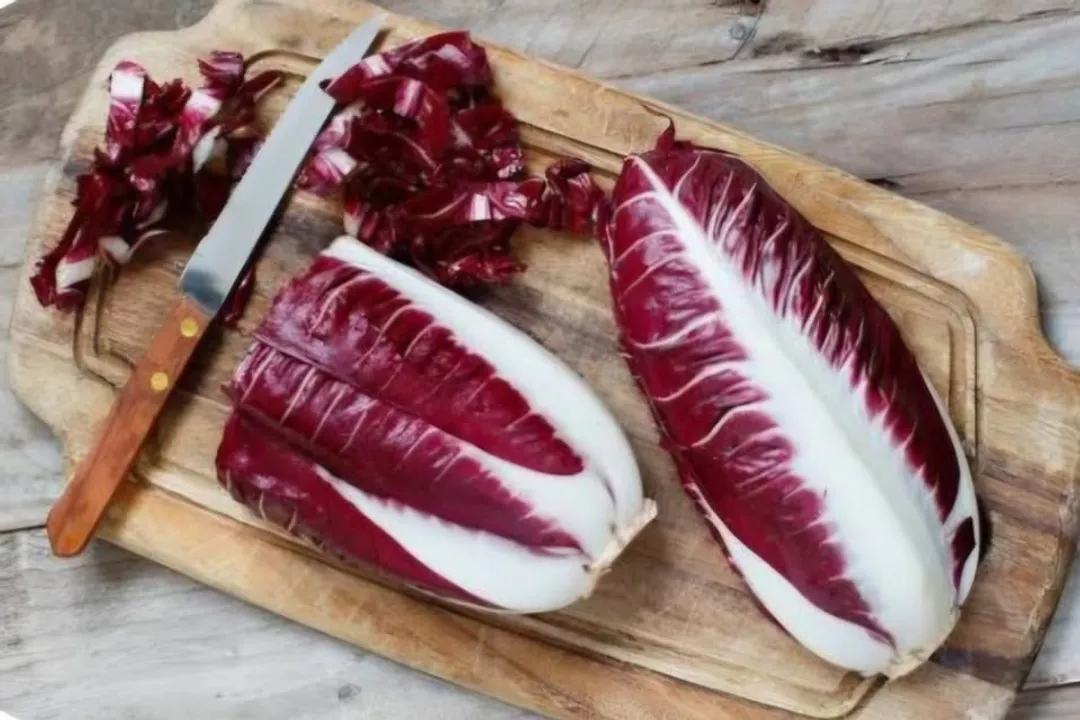
Radicchio stands out not just for its color but for what it delivers nutritionally while remaining quite low in calories. [2] A typical serving size provides significant amounts of essential vitamins and minerals that support daily bodily functions. [5] For instance, it is an excellent source of Vitamin K, a fat-soluble vitamin critical for blood clotting and bone maintenance. [1][2] Furthermore, it contains notable amounts of Vitamin A, necessary for good vision and immune function. [1][5] While it is not the highest source of every mineral, it contributes meaningfully to the intake of copper, manganese, and potassium, all of which play roles in everything from energy production to fluid balance. [5] Because radicchio is predominantly water, the nutrients it does contain are delivered efficiently to the system. [1]
# Vitamin K Content
The concentration of Vitamin K in radicchio is particularly noteworthy for those looking to support skeletal structure. [1] This vitamin acts as a cofactor for enzymes involved in synthesizing specific bone proteins, thereby helping to integrate calcium into the bone matrix. [2] Considering that many people struggle to meet their daily Vitamin K requirements solely through diet, incorporating a generous portion of radicchio a few times a week can make a measurable difference in meeting that target. [1]
# Antioxidant Power
The vibrant, almost purplish-red hue of radicchio is the visual signature of its high antioxidant content. [1][3] These protective compounds help combat oxidative stress in the body, a process linked to aging and the development of chronic diseases. [3] The primary bioactive components responsible for this protective effect are the polyphenols, specifically anthocyanins. [1][3] Anthocyanins are the same pigments found in other deep-colored foods like blueberries and blackberries, known for their health-promoting capabilities. [3]
# Free Radical Defense
By neutralizing unstable molecules known as free radicals, the antioxidants in radicchio help maintain cellular integrity. [3] This defense mechanism is thought to extend to cardiovascular health and potentially neurological protection, as antioxidants can cross the blood-brain barrier in some contexts. [3] While the exact mechanism is complex, the simple act of choosing deeply colored vegetables like radicchio over paler alternatives inherently boosts the intake of these crucial protective agents. [1] It is fascinating to consider how the plant's visible defense system translates directly into our internal defense system. [3]

# Gut Support
One of the lesser-publicized, yet highly impactful, benefits of consuming radicchio relates directly to digestive health, primarily due to its fiber composition. [1][4] Radicchio is a good source of inulin, a type of soluble prebiotic fiber. [1][3] Unlike regular dietary fiber, which simply adds bulk, inulin acts as "food" for the beneficial bacteria residing in the colon. [3]
# Prebiotic Effect
When inulin reaches the large intestine undigested, it is fermented by gut microbiota, leading to the production of short-chain fatty acids (SCFAs) like butyrate. [3] SCFAs are vital for maintaining the health of the colon lining and may influence overall metabolic function. [3] Regularly consuming foods rich in inulin, such as radicchio, helps to actively cultivate a more diverse and robust population of good gut bacteria. [1] For someone aiming to improve digestive regularity and nutrient absorption, consciously swapping a standard, low-fiber lettuce for radicchio offers a tangible upgrade in prebiotic intake. [4]
# Heart Wellbeing
The nutritional composition of radicchio suggests a positive impact on cardiovascular risk factors. [1] Research indicates that regular consumption may contribute to healthier blood lipid profiles and better blood pressure regulation. [5] The presence of fiber, potassium, and various polyphenols all contribute synergistically to this effect. [1][5] The fiber component is known to bind with bile acids in the digestive tract, which encourages the body to pull more cholesterol from the blood to produce new bile acids, thus helping to lower circulating LDL ("bad") cholesterol levels. [5]
# Blood Pressure Regulation
Potassium, present in radicchio, is an essential mineral that counters the effects of sodium, helping to relax blood vessel walls and maintain healthy blood pressure. [5] When looking at an average daily sodium intake, ensuring adequate potassium becomes a key strategy for cardiovascular maintenance. [5] While radicchio alone won't solve hypertension, treating it as a regular component of a balanced diet supports the necessary mineral ratios for heart health. [1]
# Bone Strength
As previously mentioned, the high Vitamin K content is a cornerstone of radicchio's bone-supporting attributes. [1][2] Vitamin K is essential for the carboxylation of osteocalcin, a protein integral to bone mineralization. [2] This specific process is necessary for calcium to effectively bind within the bone structure. [2]
# Comparison of Greens
When comparing common salad greens, while spinach or kale often receive primary attention for bone health nutrients, radicchio maintains a strong position, especially considering its lower water content by volume compared to some lighter lettuces. [1] If you were preparing a large mixed green salad for four people, using one head of radicchio alongside other greens ensures that every serving receives a significant dose of this vital nutrient, contributing reliably toward the recommended daily intake for bone maintenance. [2]
# Culinary Integration
Radicchio’s versatility in the kitchen is often underestimated due to its distinctive bitterness, but this characteristic is actually its strength when used correctly. [4] There are several common varieties, each offering a slightly different experience. [4] Chioggia is the round, familiar variety, while Treviso has elongated heads, and Verona is often characterized by smaller, more tightly packed leaves. [4]
# Flavor Balance
The key to maximizing enjoyment—and thus consistent consumption—is balancing its sharp flavor. [4] Eating it raw in salads alongside ingredients that complement or counteract the bitterness is highly effective. For example, pairing radicchio with sweet fruits, creamy cheeses like mozzarella or goat cheese, or a slightly sweet vinaigrette (perhaps incorporating honey or maple syrup) softens the edge significantly. [4]
# Heat Transformation
Perhaps the most transformative way to prepare radicchio is by applying heat. [4] Grilling, roasting, or pan-searing radicchio caramelizes its natural sugars and mellows the bitterness considerably, often turning it sweeter and imparting a smoky depth. [4] A simple preparation involves cutting the head in half, brushing it with good olive oil, and grilling it until the edges char slightly. [4] This thermal manipulation unlocks new dimensions of flavor, making it a wonderful side dish for richer proteins like grilled steak or roasted pork loin. [4]
# Weight Management
For individuals focused on managing their weight or maintaining a healthy body mass index, radicchio is an exceptionally valuable vegetable. [1][2] It is remarkably low in calories, meaning you can consume large, satisfying volumes of it without significantly impacting your daily energy budget. [1][2] This high-volume, low-energy-density characteristic is crucial for satiety. [1]
# Fiber and Satiety
The contribution of inulin and other fibers plays a secondary role here, as fiber helps slow down digestion, promoting a longer feeling of fullness after a meal. [1][2] By choosing a radicchio-based side dish over something starchy, you are effectively increasing the nutrient-to-calorie ratio of that part of your meal, which supports better long-term dietary adherence. [2] It’s a simple substitution with a noticeable effect on appetite control. [1]
# Unique Vegetable Compounds
Beyond the general categories of vitamins and antioxidants, radicchio contains specific compounds that contribute to its health profile, some of which are concentrated in the bitter taste. [3] The compounds that signal "bitter" to our palate are often directly linked to the plant's defense chemistry, which frequently translates into human health benefits. [3]
# Bitter Receptors
While many people avoid bitter foods, our biology is actually wired to appreciate these tastes, as historically, bitterness signaled toxicity, but in modern, cultivated vegetables, it signals potent phytonutrients. [3] Engaging with these bitter flavors can stimulate digestive secretions, preparing the gut for the incoming food, which is a process that many modern diets neglect by relying on overly processed, bland foods. [3] This stimulation is part of what makes vegetables like radicchio valuable beyond their simple vitamin counts. [3]
# Enhancing Culinary Experience
To truly embrace radicchio, one must move past viewing it only as a salad ingredient. Its structure holds up well to various cooking techniques that other delicate lettuces cannot withstand. [4] For instance, braising radicchio, often done with a little stock, wine, or vinegar, results in a tender, deeply flavored vegetable component perfect for slow-cooked meals. [4]
# Regional Recipe Contrast
In Northern Italy, for example, you might find radicchio incorporated into risotto, where its bitterness cooks down to provide a necessary counterpoint to the creamy starch and fat of the rice and butter. [4] This contrasts sharply with the raw preparation common in California or other global fresh-focused cuisines, where it is paired with citrus and olive oil to highlight its sharp acidity. [4] Understanding this regional contrast in application reveals that the vegetable is not just bitter; it is complex, offering different profiles based on preparation. [4] A general guideline for home cooks might be: if the main dish is rich and fatty, grill or roast the radicchio; if the main dish is light, use it raw or lightly dressed. [1][4]
# Summary of Key Benefits
To summarize the primary advantages derived from incorporating this vegetable into your regular rotation, we can look at the key functional areas it supports. [1][2][5]
| Health Area | Primary Contributing Component(s) | Key Action | Citation |
|---|---|---|---|
| Bone Health | Vitamin K | Supports protein carboxylation for mineralization | [1][2] |
| Digestive Health | Inulin (Prebiotic Fiber) | Feeds beneficial gut bacteria, producing SCFAs | [1][3] |
| Cellular Protection | Anthocyanins/Polyphenols | Neutralizes free radicals and reduces oxidative stress | [3] |
| Cardiovascular Support | Potassium, Fiber | Aids in blood pressure balance and cholesterol management | [5] |
| Weight Control | Low Calories, High Water/Fiber | Promotes satiety with minimal caloric load | [1][2] |
This dense profile, delivered in a low-calorie package, underscores why radicchio deserves more than just an occasional spot on the plate. [2][5] Its ability to simultaneously address internal environment (gut health) and structural maintenance (bone health) makes it a highly efficient food choice. [1][2]
#Videos
Discover the Surprising Health Benefits of Radicchio Salad - YouTube
Related Questions
#Citations
Health Benefits of Radicchio - WebMD
Radicchio: Nutrition, Benefits, and Uses - Healthline
What Is Radicchio? Benefits, Nutrition, Recipes and Side Effects
The Goodness of Radicchio: Benefits and Salad Recipe
8 Impressive Radicchio Nutrition facts and Health benefits
Radicchio benefits for health and wellness - Facebook
Discover the Surprising Health Benefits of Radicchio Salad - YouTube
Health & Wellness | In Season | Radicchio - Hansen's IGA |
7 Health Benefits Of Radicchio - DoveMed