Health Benefits of Pattypan Squash
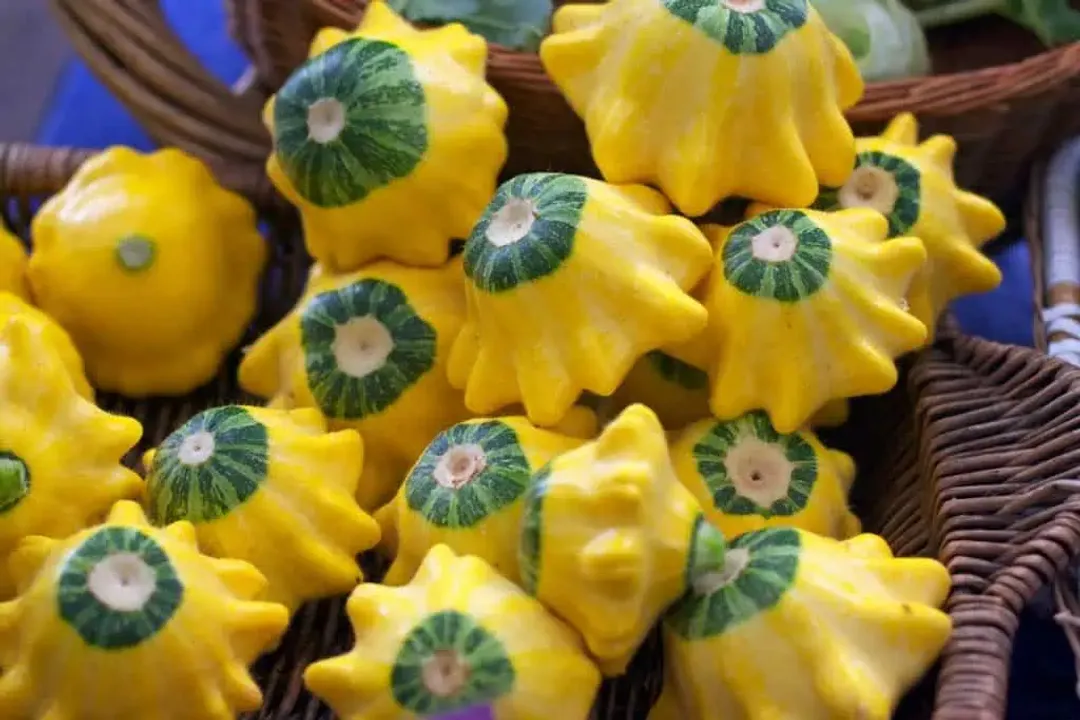
Pattypan squash, with its charmingly flattened, scalloped profile often likened to a "flying saucer," is an ancient summer squash variety that deserves more attention in modern kitchens. Although frequently overlooked in favor of its elongated cousin, zucchini, this diminutive gourd shares much of the same mild, slightly sweet flavor and buttery texture. Originating in Central America and cultivated by Native Americans centuries ago, the pattypan (botanically C. pepo var. clypeata) is typically harvested when young and tender, presenting in hues of white, yellow, green, or variegated combinations. It is important to note that botanically, like all squashes, pattypan is technically a fruit, yet nutritionally, it functions as a staple vegetable.
# Appearance History
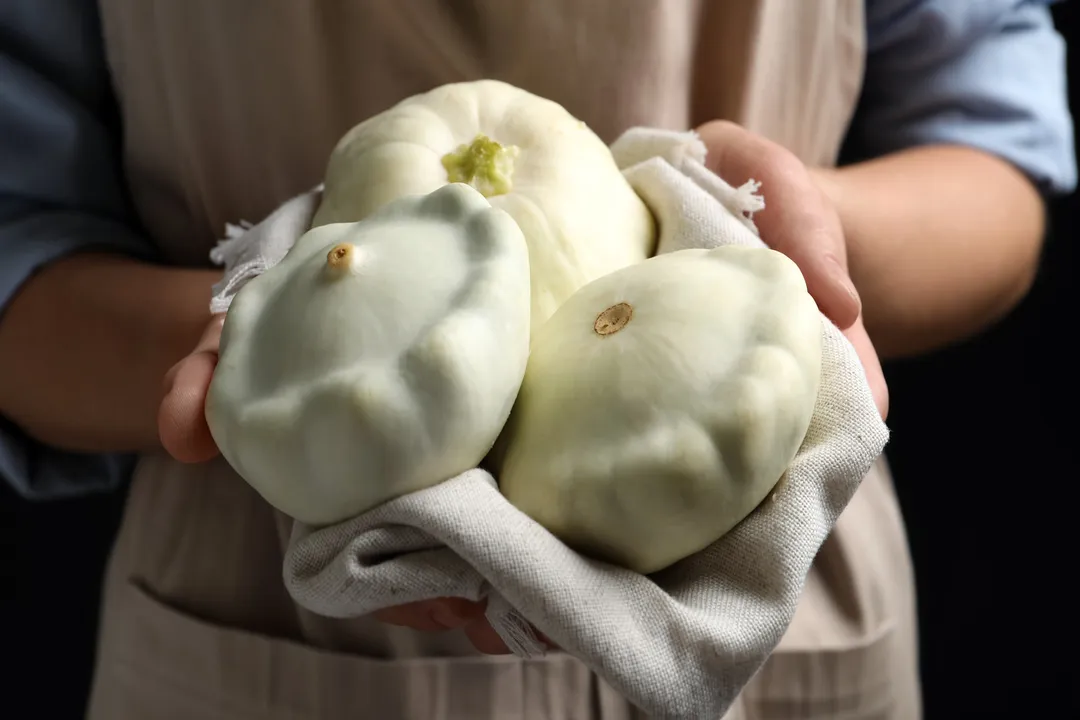
The unique disc-like shape, complete with undulating, scallop-edged sides, is what sets this vegetable apart visually. These squashes are generally best when small to medium, around two to four inches in diameter, as this ensures a tender flesh and skin. If left to mature significantly, growing larger—sometimes up to five or six inches across—the skin can stiffen, requiring peeling, and the flavor shifts away from the delicate sweetness associated with its younger state, becoming more akin to a potato. This summer squash is known by many regional names, including scallop squash, cymling squash, scallopini, and custard squash. Furthermore, the blossoms—both male and female (when they are tiny, immature fruits)—are considered delicacies themselves.
# Nutrient Density
Despite its low-calorie nature, pattypan squash is remarkably nutrient-dense, offering a significant nutritional payoff for the minimal energy it contributes to the diet. Raw pattypan squash contains approximately 18 calories per 100 grams and is naturally free of cholesterol and saturated fat. A standard serving size, often considered one cup cubed (around 130 grams), contains roughly 23 calories, a respectable 2 grams of protein, and 2 grams of fiber.
The squash shines when considering its micronutrient content. It is an excellent source of Vitamin C, providing nearly one-third of the recommended daily intake in just one cup. This water-soluble antioxidant is vital for immune function and collagen production. Beyond Vitamin C, pattypan squash offers notable amounts of potassium (around 187 mg per 100g), which acts as a crucial intracellular electrolyte. It also contains valuable B-complex vitamins, including folic acid (folate), which is essential for DNA synthesis and cellular renewal. Minerals like magnesium, iron, and manganese are present in modest, yet beneficial, quantities.
The golden-skinned varieties, in particular, are rich in carotenoids, offering beta-carotene, as well as the essential eye-health antioxidants lutein and zeaxanthin.
# Carb Profiles
For those managing blood sugar levels or following specific macronutrient-focused eating plans, pattypan squash presents a fantastic option due to its low carbohydrate content. It is unequivocally considered a low-carb vegetable. Data suggests that 100 grams of the raw fruit contain only about 3.84 grams of total carbohydrates, with 1.2 grams of that being dietary fiber. This translates favorably for restricted diets: a single serving fits easily within the 20 to 130 grams of daily carbohydrate allowance typical for many low-carb approaches.
Even stricter diets have room for this gourd. Pattypan squash aligns well with the ketogenic diet, where daily intake is often kept below 50 grams of carbs to maintain a state of ketosis. Its low net carb count means it allows individuals to enjoy a satisfying, volume-adding component to their meals without significantly impacting their carb budget.
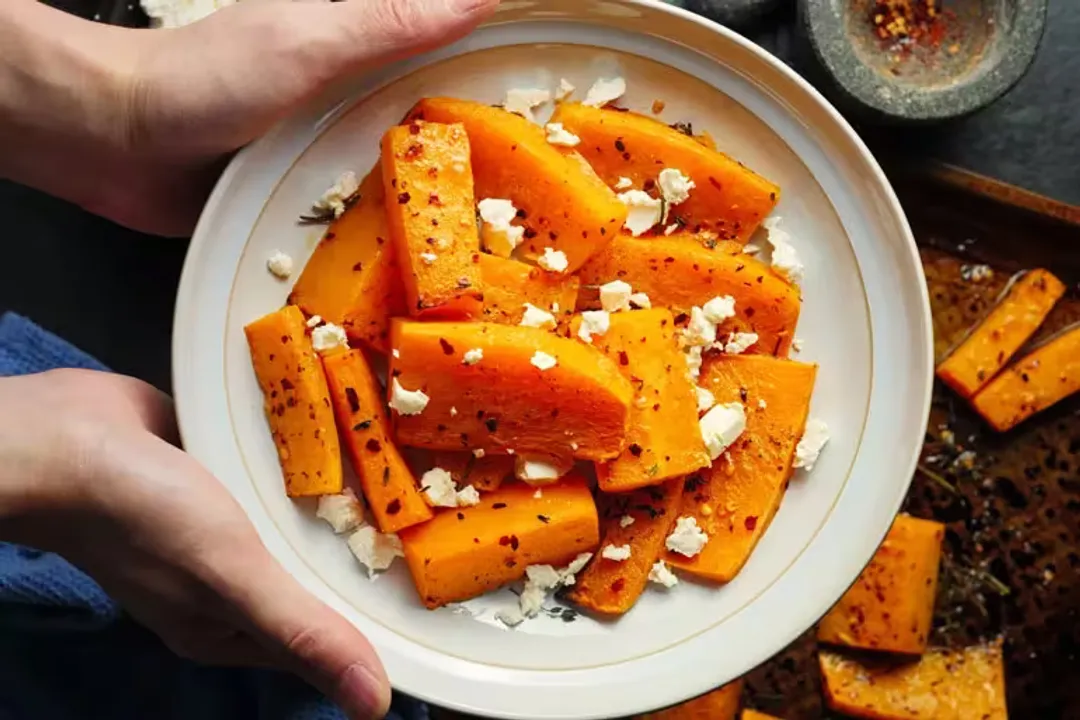
When considering how to best introduce this squash into a low-carb plan, remember that its mild nature makes it an excellent vehicle for healthy fats. For instance, roasting it with olive oil, as is commonly suggested, not only enhances flavor but also aids the body in absorbing the fat-soluble Vitamin A derived from the squash’s beta-carotene, which is a key benefit for overall wellness. Maximizing nutrient uptake through thoughtful preparation is a simple yet effective nutritional strategy that pattypan squash supports perfectly.
# System Support
The constellation of vitamins, minerals, and antioxidants found in pattypan squash contributes to several systemic health advantages, much like other squash varieties.
# Disease Defense
The presence of antioxidants such as beta-carotene, lutein, and zeaxanthin plays a key role in combating oxidative stress. Oxidative stress occurs when there is an imbalance between the production of damaging free radicals and the body's ability to counteract them, which can lay the groundwork for chronic conditions. By scavenging these unstable molecules, the antioxidants in squash help protect cells against damage, potentially reducing the risk factors for ailments like heart disease and certain cancers. The beta-carotene content is particularly notable, as the body converts it into Vitamin A, which has been linked in some reviews to a lower incidence of specific cancers, including cervical and lung cancer.
# Heart Function
The mineral profile supports cardiovascular health directly. Pattypan squash is a good source of potassium, which works antagonistically to sodium, helping to moderate blood pressure levels. Simultaneously, magnesium is present, a mineral that is foundational to over 300 bodily processes, including maintaining a steady heart rhythm and supporting DNA synthesis. Research also implicates the beta-carotene in squash consumption in positive outcomes related to heart disease prevention.
# Bone and Blood Health
For structural support, the calcium found in squash contributes to the maintenance of strong bones and teeth. This structural benefit is compounded by Vitamins A and C, which are also involved in maintaining bone integrity. Furthermore, the iron content helps in maintaining healthy blood, assisting in the prevention or treatment of anemia and potentially lessening fatigue, especially during menstruation. Folate, another constituent, is essential for healthy cell division.
# Eye Protection
The powerhouse vitamins Vitamin A and Vitamin C are significant allies for vision. Vitamin A is necessary for protecting the eyes and plays a role in guarding against conditions like night blindness and the progression of age-related macular degeneration. Vitamin C further supports eye health by potentially slowing macular degeneration and helping to prevent cataracts.
# Gut Friendliness
A particularly compelling advantage of pattypan squash, especially when compared to its close relative, zucchini, centers on digestive tolerance, making it an asset for sensitive systems. Unlike zucchini and other common summer squashes, pattypan squash has been identified through testing as containing no FODMAPs. FODMAPs (Fermentable Oligosaccharides, Disaccharides, Monosaccharides, and Polyols) are types of carbohydrates that can cause significant digestive distress, such as bloating, gas, and diarrhea, particularly for those managing Irritable Bowel Syndrome (IBS). This lack of FODMAPs means that individuals following the strict low FODMAP diet, even during elimination or challenge phases, can reportedly consume pattypan squash freely, adding welcome variety and essential nutrients to their restricted eating plan.
# Kitchen Versatility
Pattypan squash’s mild flavor profile allows it to adapt to almost any seasoning or recipe style, from savory to slightly sweet preparations. Preparation is straightforward; because the skin is thin and edible when young, peeling is often unnecessary—simply wash and trim the stem end.
The way you cut the squash depends entirely on the intended cooking method:
- Slicing: Ideal for grilling or sautéing.
- Cubing/Chunking: Best for roasting or tossing into soups and stews.
- Hollowing: Perfect for stuffing with ingredients like cheese, ground meat, corn, or herbs, and then baking.
- Raw: Thin slices or diced pieces can add a fresh, slightly crunchy texture to summer salads.
Because quality declines quickly, use fresh squash soon after purchase. For longer storage, keep dry, unwashed squash in the refrigerator's humidity drawer for only two to three days, though placing them in a plastic bag can extend this slightly to about a week. If you find yourself with an abundance, blanching diced squash before freezing is the recommended method to preserve color and flavor.
A practical consideration for shoppers, particularly those frequenting farmers' markets, is size versus preparation time. Smaller pattypan squash (under 4 inches) will be sweeter and require virtually no prep beyond trimming, as the skin and seeds are entirely tender and edible. Conversely, if you acquire a larger specimen (perhaps 5-6 inches), reserve it for stuffing, as you will likely need to remove the tougher skin and larger seeds, trading a bit of preparation time for a hearty, main-course dish. Both the cooked flesh and the grilled or salted seeds offer enjoyable ways to minimize food waste when working with this vegetable.
Related Questions
#Citations
Pattypan squash (scallop squash) Nutrition facts and Health benefits
Patty Pan Squash: What is it and 9 other questions answered!
Pattypan squash | Louis Bonduelle Foundation
Is Patty Pan Squash Low Carb? - I'd Rather Be A Chef
6 Health Benefits of Squash
All About Patty Pan Squash - Good Gourds
What Is Pattypan Squash And How Is It Best Used? - Tasting Table