Health Benefits of Mushroom

The humble mushroom, often mistaken as a simple vegetable, holds a remarkable position in the world of functional foods, offering a diverse array of compounds that support human health across multiple systems. From the meaty texture of a portobello to the delicate flavor of an enoki, these fungi provide far more than just culinary interest; they are dense packets of essential nutrients and potent bioactive molecules. Understanding what truly separates mushrooms from other produce reveals why incorporating them regularly into one's diet is a straightforward yet powerful health strategy.
# Nutritional Base
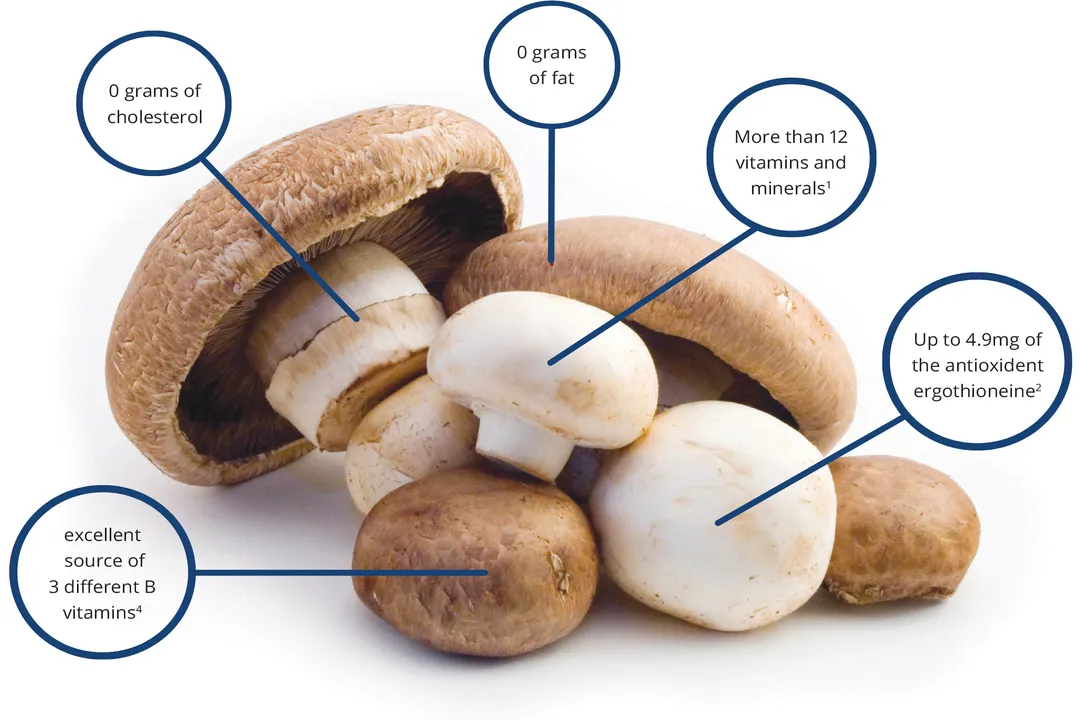
Mushrooms are fundamentally low in calories, fat, and sodium, making them an excellent component for almost any dietary plan aiming for balance and moderation. Despite their low caloric footprint, they deliver significant amounts of key micronutrients that many modern diets often lack. They are a noteworthy source of B vitamins, including riboflavin (B2), niacin (B3), and pantothenic acid (B5). These vitamins are essential, as they aid the body in converting food into energy, a metabolic role that is often overlooked when focusing solely on macronutrients.
Beyond the B-complex, mushrooms supply important minerals. Copper, necessary for producing red blood cells and maintaining nerve cells, is present in good measure. Selenium is another vital component, acting as an antioxidant that helps protect the body from oxidative stress and supports thyroid function. Potassium, crucial for fluid balance and nerve signals, is also available, which is beneficial when trying to manage blood pressure alongside a reduced sodium intake.
# Vitamin D Source
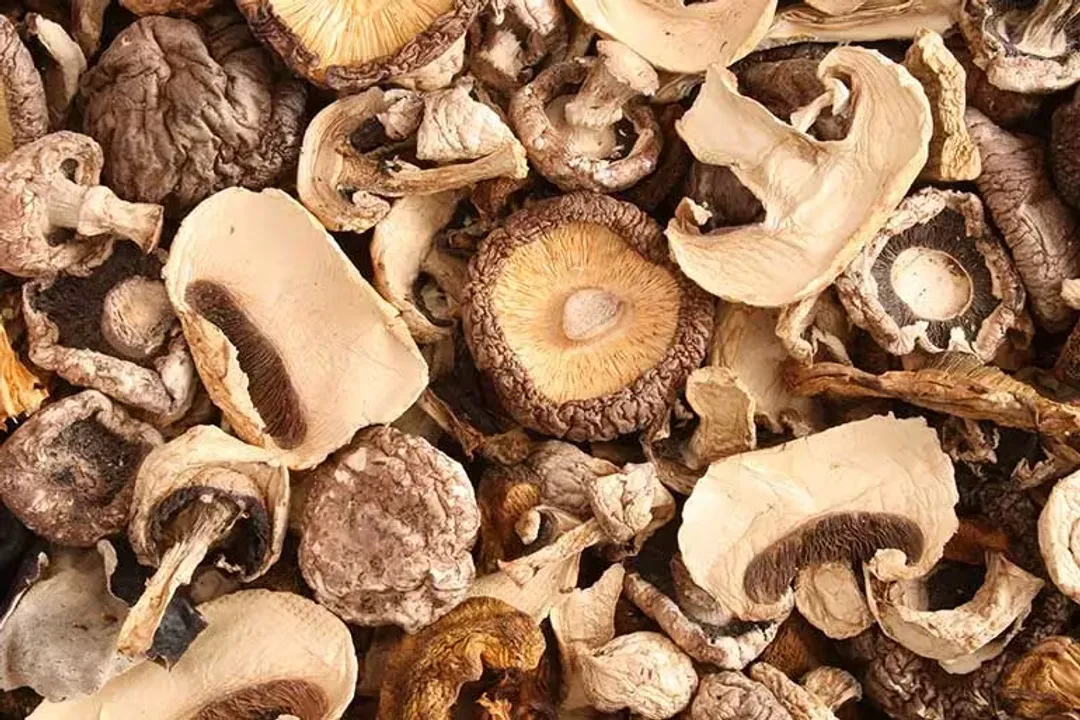
A particularly unique nutritional advantage of certain mushrooms is their potential to be a Vitamin D source. Vitamin D is vital for bone health and immune modulation. While some mushrooms, like white button, contain only trace amounts naturally, many varieties, particularly dried ones or those intentionally exposed to ultraviolet (UV) light, can produce significant levels of Vitamin D2. For those who live in climates with limited year-round sun exposure, deliberately seeking out UV-treated mushrooms or even placing fresh, raw mushrooms gill-side up in direct midday sun for a short period before cooking is an accessible, non-supplemental strategy to boost intake of this critical nutrient.
# Immunity Boost
The role of mushrooms in supporting the immune system is heavily tied to specific polysaccharides they contain, primarily beta-glucans. These complex sugars interact with immune cells, essentially helping to "prime" the body’s defenses to respond more effectively to challenges. While many fruits and vegetables offer general antioxidant support, the structural nature of beta-glucans provides a more direct immunomodulatory effect.
Furthermore, the mineral content also plays a supporting role here. Selenium, abundant in many mushroom varieties, is known for its role in reducing inflammation and supporting robust immune responses. When you consider the interplay between the trace minerals and the unique fiber structures like beta-glucans, mushrooms present a layered approach to defense rather than a single, isolated benefit.

# Antioxidant Defense
Mushrooms are exceptionally high in specific, powerful antioxidants that are often deficient in Western diets. Two compounds stand out: ergothioneine and glutathione. These two antioxidants are often referred to as "master antioxidants" because of their ability to protect cells and mitochondria—the energy centers of our cells—from damage caused by free radicals.
Ergothioneine, in particular, is an amino acid that humans can only obtain through diet, and mushrooms are considered the primary dietary source. Consuming foods rich in these compounds helps mitigate oxidative stress, which is implicated in the aging process and the development of various chronic diseases. Interestingly, some studies suggest that the level of these protective compounds varies significantly between mushroom species; for instance, oyster mushrooms and shiitake often rank highly in ergothioneine content compared to more common varieties.
# Heart Support
Maintaining cardiovascular health involves managing blood pressure, cholesterol levels, and inflammation, and mushrooms assist on several fronts. As mentioned previously, their natural low sodium content is a clear advantage when trying to adhere to heart-healthy guidelines. The presence of potassium helps counterbalance the effects of sodium, supporting healthy blood pressure regulation.
They also contain beneficial dietary fiber. While often discussed in the context of satiety, fiber also helps manage cholesterol absorption in the digestive tract. However, a crucial element often missed when discussing mushroom benefits for the heart relates to how we use them in the kitchen. Because mushrooms naturally possess a deep, savory umami flavor, they can be used as a substitute or enhancer in recipes, allowing cooks to significantly reduce the reliance on high-sodium flavor boosters like excessive salt or processed sauces. This direct culinary application of their flavor profile translates immediately into lower dietary sodium intake, supporting the very health benefits derived from their inherent low-sodium composition.
# Brain Function
The neuroprotective qualities of mushrooms are primarily attributed to their high antioxidant load, specifically ergothioneine. Oxidative stress is a key driver in the progression of neurodegenerative conditions, and by effectively neutralizing these damaging free radicals, mushrooms may help safeguard cognitive function over time.
Furthermore, certain medicinal mushrooms, such as Lion’s Mane, are researched for their potential to stimulate Nerve Growth Factor (NGF) production, which is key for the maintenance and development of neurons. While general culinary mushrooms should not be viewed as a direct treatment, incorporating them consistently provides a foundation of protective nutrients that support overall neurological health. The B vitamins they offer also contribute to brain health by supporting proper nerve signaling and energy production within the brain tissue.
# Weight Control
For those seeking to maintain or achieve a healthier weight, mushrooms are an ally due to their unique composition. They are virtually fat-free and low in calories, meaning they add bulk and substance to a meal without significantly increasing the energy density. This makes them an excellent ingredient for creating satisfying, volume-heavy meals.
The high fiber content contributes significantly to feelings of fullness, or satiety, which can naturally lead to eating less overall during that meal or subsequent meals. This effect is amplified by their B vitamin content; since B vitamins help unlock energy from food, having efficient metabolism can support better energy levels throughout the day, reducing the likelihood of reaching for high-sugar, low-nutrient snacks to combat fatigue.

# Gut Microbiome
The health of the gut is increasingly recognized as central to overall wellness, and mushrooms contribute positively to this ecosystem through their fiber structure. Mushrooms contain prebiotic fibers, which are non-digestible components that travel to the large intestine where they become food for beneficial gut bacteria.
When these good bacteria thrive on prebiotic fibers, they produce beneficial short-chain fatty acids (SCFAs), which nourish the colon lining and influence everything from mood to immune response. It is important to recognize that while culinary mushrooms offer these prebiotics, the concentration and specific types of beneficial compounds can differ, similar to the variation seen in antioxidant levels. For example, comparing the impact of a standard white button mushroom used primarily for bulk and nutrients against varieties like shiitake or maitake, which are often cited for higher concentrations of specific immunomodulatory compounds, shows that variety selection matters for specific health goals.
# Bioactive Compounds
While general nutrition covers the basics, many mushrooms—particularly those classified as "medicinal"—contain highly specific bioactive compounds that have been subjects of deeper scientific interest. Compounds like Lentinan, found in Shiitake mushrooms, are studied for their potential anti-cancer properties, often related to immune enhancement. Reishi mushrooms are frequently highlighted in traditional practices for supporting stress response and overall vitality.
It is important to approach these specific claims with nuance. For the average consumer purchasing mushrooms at the grocery store, the immediate, reliable benefits come from the baseline nutrients, antioxidants, and fiber profiles available in common varieties like cremini or oyster mushrooms. However, acknowledging these specialized compounds, some of which are present in lower, but still beneficial, amounts in cultivated edible types, adds depth to the understanding of fungal pharmacology.
# Incorporating Fungi
Integrating mushrooms is simple given their textural versatility. They can absorb flavors well, whether they are sautéed, roasted, or blended into sauces. For maximum nutrient retention, methods like quick sautéing or steaming are often preferred over prolonged boiling, which can cause water-soluble vitamins and some beneficial compounds to leach out into the cooking liquid.
When shopping, look for firm, dry specimens, paying attention to the variety if a specific benefit, like higher Vitamin D from UV exposure or specific medicinal compounds, is the primary goal. Their ability to mimic the mouthfeel of meat makes them an excellent textural swap in dishes, helping reduce reliance on red meat without sacrificing satisfaction, which aligns well with both heart health and environmental consciousness. By deliberately substituting mushrooms for half the ground meat in a recipe, for instance, a person can significantly cut saturated fat and calories while boosting fiber and mineral intake in a single, easy modification.
Related Questions
#Citations
7 health benefits of mushrooms | UCLA Health
Five Health Benefits of Mushrooms - Cedars-Sinai
Mushrooms as Nutritional Powerhouses: A Review of Their ... - NIH
Health Benefits of Mushrooms - WebMD
Benefits & Nutrients - Nutrition - Mushroom Council
Health Benefits of Mushrooms - Health Cleveland Clinic
Nutritional Benefits of Mushrooms
Mushrooms make healthy meal magic - Mayo Clinic Health System
Top 5 health benefits of mushrooms - Nutrition - BBC Good Food
Medicinal Mushrooms: 7 Kinds and Their Unique Health Benefits