Health Benefits of Morels
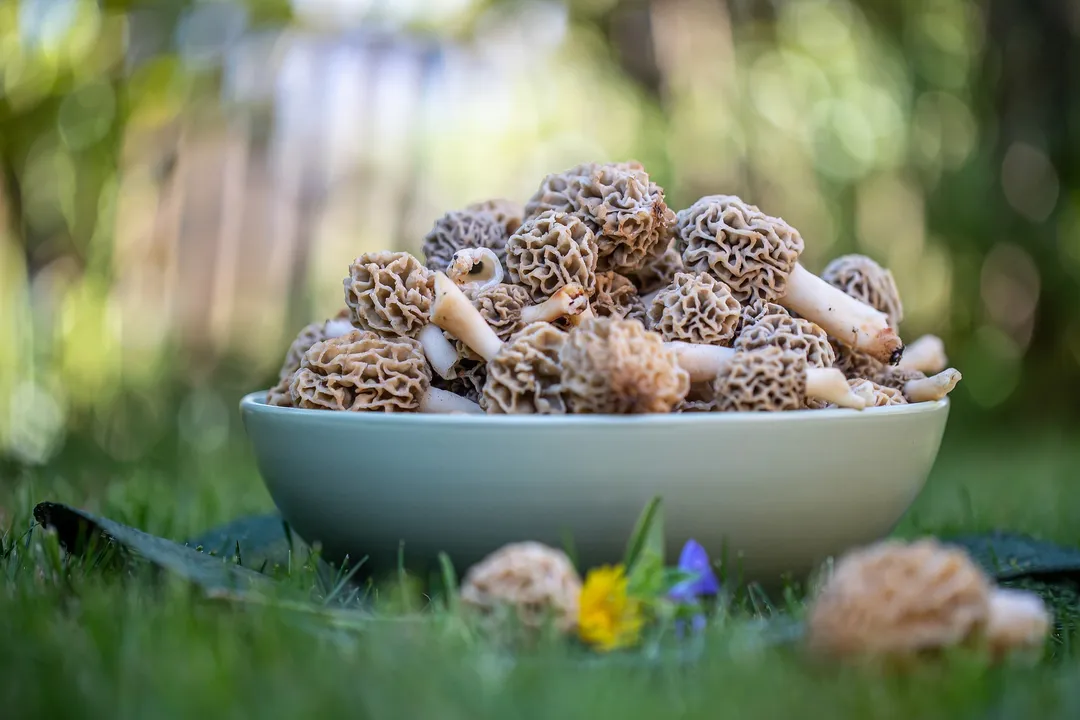
The arrival of spring often brings a distinct excitement for culinary enthusiasts, especially those who venture into the woods, searching for the elusive and highly sought-after morel mushroom. These fungi, recognized by their distinctive, honeycomb-like caps, are not merely a seasonal delicacy; they carry a reputation for delivering notable nutritional value that goes far beyond their earthy flavor. [2][6] Unlike many cultivated varieties, wild morels offer a concentrated package of essential vitamins, minerals, and beneficial plant compounds, making them a worthy addition to any health-conscious diet. [3][9]
# Nutrient Density
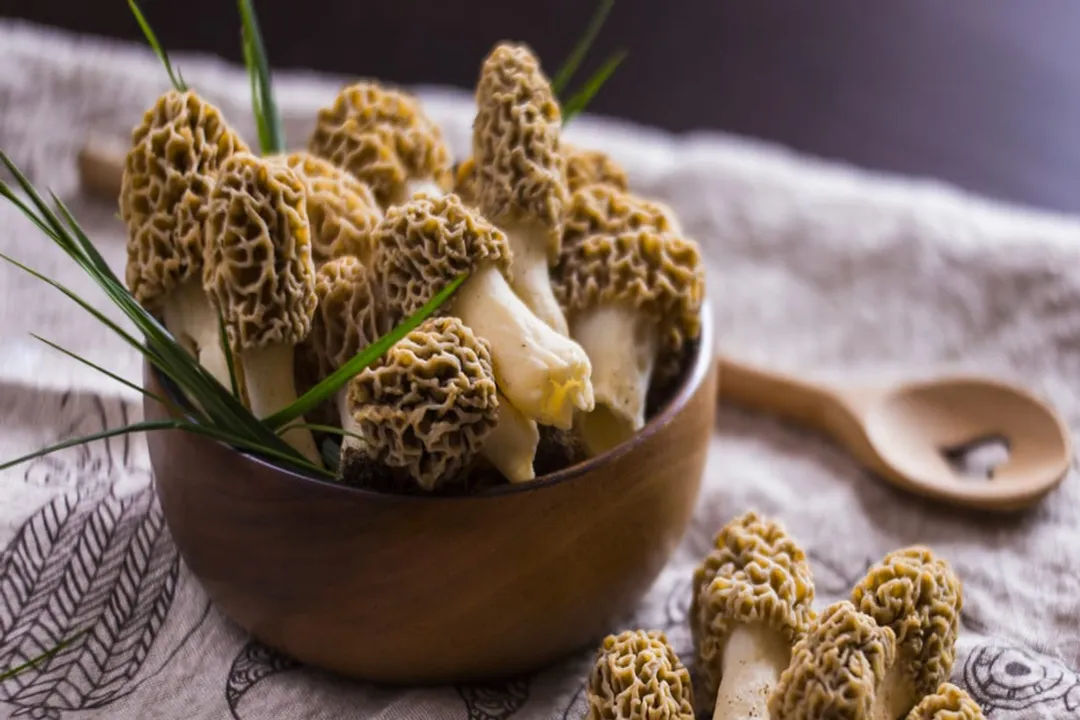
When assessing the health benefits of any food, looking at its macronutrient profile is a good starting point. Morels distinguish themselves by being remarkably low in fat and sodium, which aligns well with heart-healthy eating patterns. [6][9] Simultaneously, they pack a respectable amount of protein and dietary fiber. [3][6][9] For individuals looking to increase plant-based protein intake without adding saturated fats, incorporating these fungi can be an effective strategy.
A closer look at their micronutrient contributions reveals why they are so valued. Morels are notably rich in certain minerals and B vitamins that are vital for energy production and overall bodily function. [1][9] For example, they are an excellent source of iron. [1][6][9] Iron is indispensable for transporting oxygen through the blood, and a diet rich in non-heme iron sources, like mushrooms, supports energy levels and helps prevent deficiency-related fatigue. [6] They also provide significant amounts of potassium, which is critical for managing fluid balance and maintaining healthy blood pressure by counteracting the effects of sodium. [9]
When comparing the nutritional composition of a wild-harvested morel to the more commonly found white button mushroom, the density of certain elements often favors the wild variety, particularly concerning vitamins D and specific B vitamins like riboflavin and niacin, though exact profiles can vary based on growing conditions and species. [9] A general nutritional comparison underscores their potency:
| Component | Morel Mushroom Contribution (Approximate) | Key Role in Body |
|---|---|---|
| Protein | Good source | Muscle maintenance, satiety |
| Dietary Fiber | Significant | Digestive health, blood sugar regulation |
| Iron | High | Oxygen transport, energy |
| Potassium | High | Blood pressure regulation |
| Vitamin D | Present (varies based on sun exposure) | Bone health, immune support |
This concentrated profile means that even moderate servings contribute meaningfully to daily nutrient requirements, which is a significant point for those balancing calorie intake with nutrient goals. [1]
# Antioxidant Shield
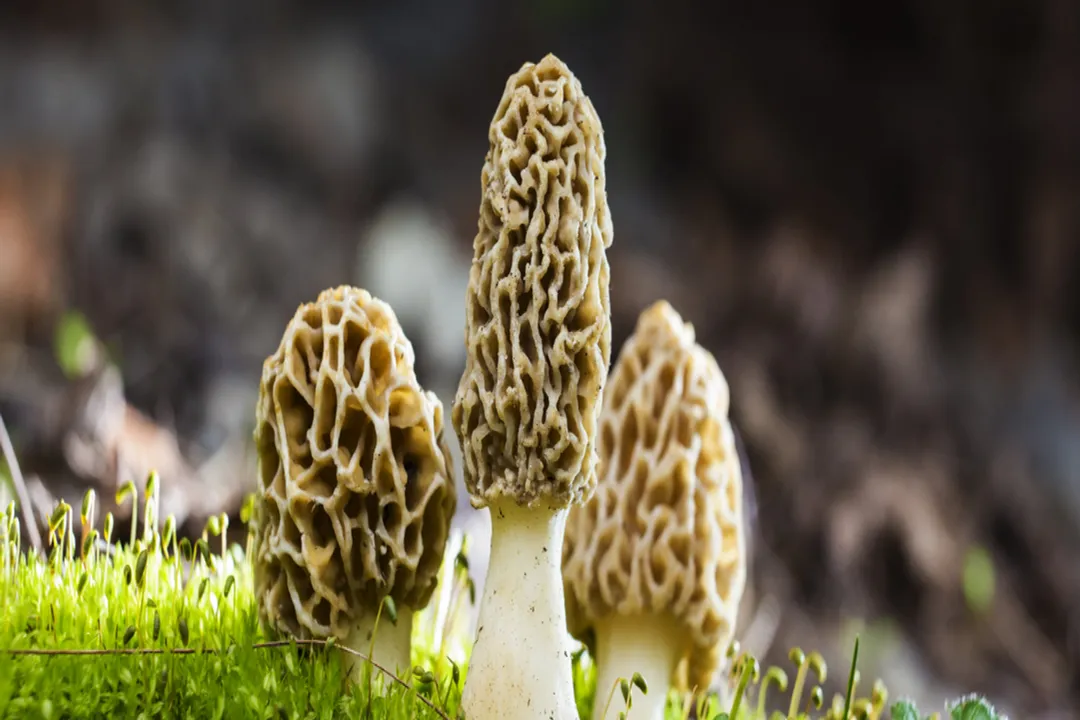
Perhaps the most frequently cited health advantage of consuming morels relates to their high content of antioxidants. [3][4][5] Antioxidants are compounds that help neutralize free radicals—unstable molecules that can cause cellular damage, leading to chronic illness and aging. [3] Morels contain various antioxidant substances, including polyphenols and other bioactive compounds. [3][4]
While many fruits and vegetables are lauded for their antioxidant capacity, wild mushrooms often present a unique profile of these protective agents. [5] The specific concentration and types of antioxidants can change depending on when and where the mushroom was foraged. For instance, mushrooms exposed to sunlight tend to develop higher levels of Vitamin D, and this environmental interaction might also influence the production of certain protective phenolics. [5] If you rely on dried, commercially packaged morels, understand that the drying process might affect the potency of certain heat-sensitive compounds, though mineral and fiber content remains stable. In contrast, foraging during the prime season and consuming them fresh, after proper cooking, ensures you receive the compounds in their most immediate state. [10]

# Immune Function
The compounds within morels appear to interact positively with the body’s defense systems. Evidence suggests that morels contain polysaccharides and beta-glucans, which are well-known in mycology for their potential to modulate the immune response. [4][6] These components don't necessarily "boost" the immune system in a generalized, indiscriminate way; rather, they are believed to help maintain balance, ensuring the immune system responds appropriately to threats. [4]
When considering the traditional uses of wild fungi, supporting the body’s natural defenses against seasonal challenges is often highlighted. The combination of vitamins (like Vitamin D) and complex carbohydrates (polysaccharides) found in morels contributes to a supportive environment for immune cell activity. [6] When you prepare a broth from dried morels, you are extracting these water-soluble immunomodulatory compounds, making the resulting liquid itself a healthful addition to your cooking repertoire. This contrasts slightly with simply sautéing the mushrooms, as broth preparation offers a different avenue for nutrient absorption. [3]
# Gut Health Support
The significant dietary fiber content in morels is crucial for maintaining a healthy digestive tract. [3][9] Fiber is essential for adding bulk to stool, promoting regularity, and supporting the growth of beneficial gut bacteria. [6] A flourishing gut microbiome is increasingly linked to better immune response, improved mood regulation, and efficient nutrient absorption. [3]
By adding whole, cooked morels to meals, you are introducing prebiotic material that feeds the helpful bacteria residing in your large intestine. Furthermore, the low-fat nature of the mushroom means that this fiber is delivered without the accompanying high levels of saturated fats sometimes found in other savory ingredients used alongside fungi, such as heavy cream sauces or high-fat meats. This fiber contribution is an often-overlooked benefit when focusing only on the vitamin and mineral content. [9]
# Heart and Metabolic Support
The mineral profile of morels plays a supportive role in cardiovascular health. As mentioned, the high potassium content helps counterbalance sodium intake, which is a key factor in maintaining healthy blood pressure levels. [9] Additionally, morels have been investigated for their lipid-lowering properties. [6] Certain mushroom extracts have shown potential in laboratory settings to influence cholesterol metabolism, suggesting that regular inclusion in the diet could contribute to maintaining healthy cholesterol profiles, though this research is ongoing and should not replace prescribed medical treatments. [6]
For those managing blood sugar, the fiber content is again beneficial as it helps slow the absorption of sugars into the bloodstream, leading to a more gradual rise in glucose levels after a meal, an effect common among high-fiber, low-glycemic index foods. [3]
# Essential Preparation for Safety
While the nutritional advantages are compelling, it is imperative to address the necessary precautions when consuming morels, particularly those harvested from the wild. Morels must always be thoroughly cooked before consumption. [2][10] Raw morels, or those that are undercooked, can cause gastrointestinal distress, including stomach upset, nausea, and cramping. [2] This is a non-negotiable safety requirement, irrespective of the mushroom's nutritional merit. [10]
To ensure maximum safety and digestibility, adopt this simple guideline: treat morels like any potent, wild-harvested food. Always cook them fully until they are soft and all moisture has been released, and introduce them into your diet slowly the first time you try a new batch. A good initial step is to cook a small amount and wait 24 hours to monitor for any adverse reactions before consuming them in larger quantities or as part of a complex dish. Never consume them raw, and avoid eating them if you suspect they have spoiled or have been improperly dried. [2][10]

# Culinary Versatility
The health benefits are best realized when the food is enjoyed regularly, and morels' earthy, nutty flavor profile lends itself to broad culinary application. [2] Their texture holds up well to various cooking methods, allowing them to integrate seamlessly into diverse meals that support a nutrient-dense diet. You can sauté them simply with garlic and herbs to highlight their natural flavor while keeping added fats low, or incorporate them into grain bowls to boost fiber and mineral content. [2]
When using dried morels, rehydrating them correctly is key to preserving both flavor and texture. The soaking liquid, often referred to as "morel liquor," is rich in water-soluble nutrients and flavor compounds, and should ideally be strained through a fine filter (like cheesecloth) and added back into the dish, such as a sauce or risotto, rather than discarded. [3] This practice maximizes the nutritional extraction from your precious fungi.
In essence, morel mushrooms offer a concentrated source of micronutrients, particularly iron and potassium, alongside valuable fiber and protective antioxidants. [1][3][9] Their place in a healthy diet is secured not just by their flavor, but by the tangible, evidence-supported benefits they provide, provided one respects the absolute requirement for thorough cooking. [2][10]
Related Questions
#Citations
Health Benefits of Morel Mushrooms - WebMD
An Overview of Morel Mushrooms - Certified Naturally Grown
Cultivation, nutritional value, bioactive compounds of morels ... - NIH
What makes morels a prized delicacy? - Facebook
State-of-the-art review of morel: From chemistry to nutrition and ...
Morel Mushrooms: 5 Health Benefits, Plus How to Hunt for Them!
Guide to the Amazing Health Benefits of Morel Mushrooms
Top 9 Morel Mushroom Benefits Explained | Foraged - Foraged
7 Incredible Morel mushroom Nutrition facts and Health benefits
[PDF] Health benefits of morels, chanterelles, and king boletes