Health Benefits of Molokhia

Molokhia, often recognized as jute mallow or Corchorus olitorius, holds a place in history as a food once reserved for royalty, yet today it is a staple enjoyed across broad communities in the Middle East, Africa, and Asia. This unassuming green vegetable, known by many regional names, is much more than just a traditional soup ingredient; it packs a significant nutritional punch that contributes to overall well-being. Its distinct mucilaginous texture, which some compare to okra, is actually a key component in its traditional and modern appeal, hinting at benefits for digestive health.
# Nutritional Profile

The powerhouse status of Molokhia stems directly from its rich composition of essential vitamins, minerals, and bioactive compounds. When examining its micronutrient density, it stands out among common leafy greens. For instance, jute leaves are notably high in certain key vitamins that support vision and immune function.
Specifically, Molokhia is an excellent source of Vitamin A, crucial for eye health and epithelial cell integrity. It also supplies a good dose of Vitamin C, an important antioxidant, and several B vitamins, including folate, which is necessary for cell division and DNA synthesis. Beyond vitamins, the mineral content is noteworthy. It provides substantial amounts of potassium, vital for maintaining healthy blood pressure, along with calcium and iron. Iron, in particular, is essential for oxygen transport in the blood.
To put the composition into perspective, consider a simple comparison of the vitamin content in a typical serving size of cooked Molokhia versus a more commonly recognized green like spinach, focusing on Vitamin A and Vitamin C:
| Component | Molokhia (Cooked) | Spinach (Cooked) | Primary Role |
|---|---|---|---|
| Vitamin A | Very High | High | Vision, Immunity |
| Vitamin C | Substantial | Moderate | Antioxidant Protection |
| Fiber | High | Moderate | Digestive Regularity |
| Iron | Good Source | Excellent Source | Oxygen Transport |
| [6][5][9] |
It is worth noting that the actual nutritional yield can vary based on growing conditions, soil quality, and the specific preparation method used, as boiling can cause some water-soluble vitamins to leach into the cooking liquid. If one were preparing a traditional broth-based Molokhia soup, retaining that cooking liquid becomes an intuitive way to capture these leached nutrients, ensuring you consume the full spectrum of the vegetable's offerings.
# Gut Health
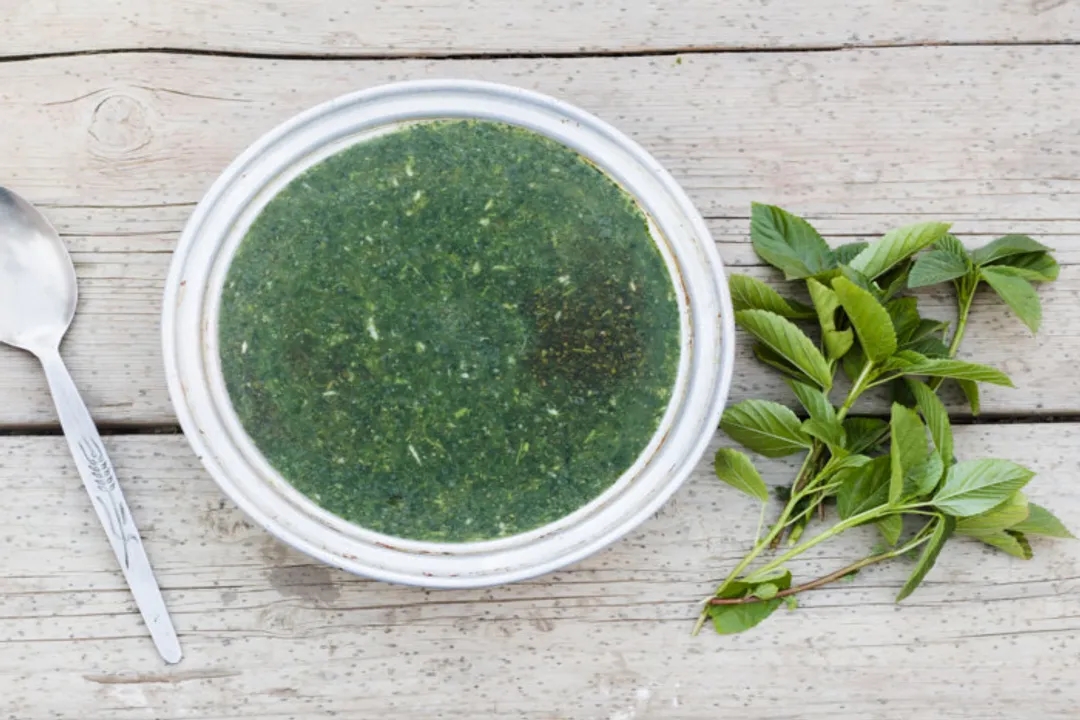
One of the most distinctive features of Molokhia is its mucilage—the thick, slightly slimy substance released when the leaves are cooked. While this texture can be surprising to newcomers, it is functionally beneficial. This mucilage is rich in soluble fiber, which plays a significant role in promoting digestive wellness.
Soluble fiber acts as a prebiotic, feeding beneficial gut bacteria, and it helps regulate bowel movements by adding bulk to stool and softening it, thereby supporting regularity. This viscous quality helps soothe the digestive tract lining, an effect sometimes sought after in folk medicine for treating irritation.
Further scientific inquiry has looked into this protective effect. Research suggests that compounds within Molokhia may offer gastroprotective benefits. This protection is thought to involve various mechanisms, including stabilizing the mucus layer of the stomach, which acts as a primary barrier against harmful acids and external insults. This ancient plant appears to possess a scientifically explainable mechanism for supporting the integrity of the gastrointestinal system.

# Antioxidant Power
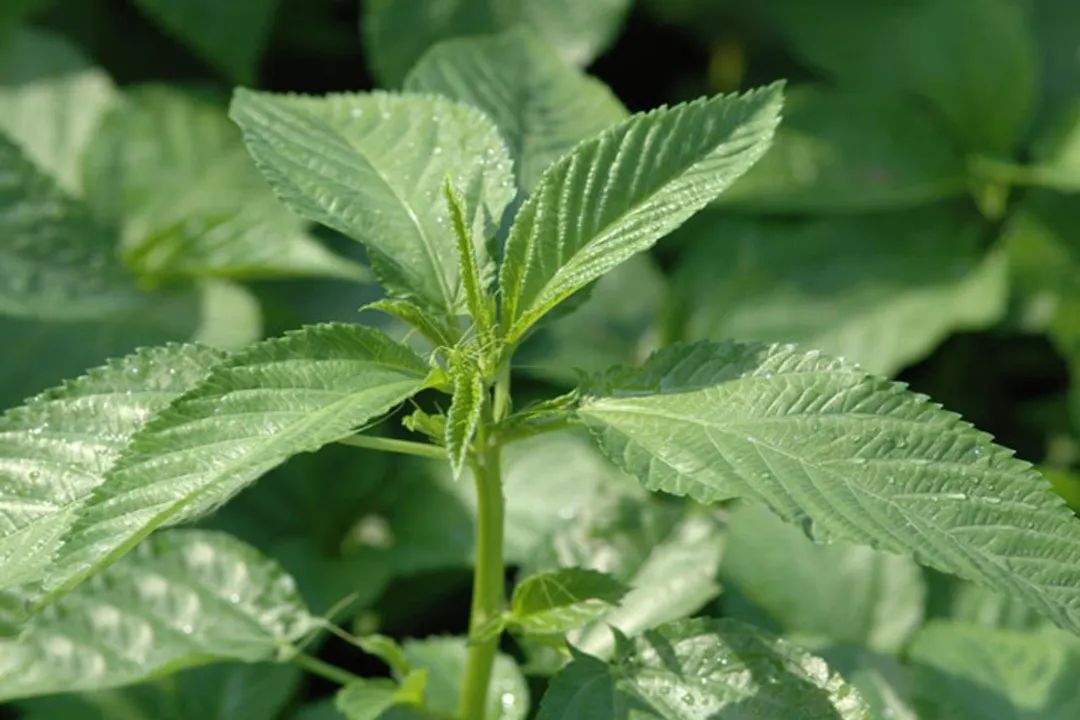
Chronic inflammation and oxidative stress are underlying factors in many long-term health conditions. Molokhia contains a variety of compounds that exhibit strong antioxidant properties, helping the body neutralize harmful free radicals. These antioxidants work to mitigate cellular damage that can lead to aging and disease progression.
The presence of polyphenols and flavonoids within the leaves is often attributed to this protective capacity. For readers interested in incorporating more plant-based defense mechanisms into their diet, consuming Molokhia regularly contributes to the overall antioxidant load, which is a positive dietary strategy. The synergy between the vitamins (like Vitamin C) and these other phytochemicals likely enhances the overall protective effect of the vegetable.
# Blood Sugar Management
Emerging research is pointing toward a potential role for Molokhia in supporting healthy blood sugar levels, making it an interesting addition for those monitoring their glycemic intake. Studies suggest that extracts from the leaves exhibit anti-diabetic effects. While human trials are necessary for definitive claims, laboratory work indicates that components in Corchorus olitorius may help manage glucose metabolism.
This observed effect could be linked to the high fiber content, as fiber generally slows down the absorption of sugars into the bloodstream, leading to a more gradual rise in blood glucose after a meal. If you are preparing a meal featuring Molokhia, pairing it with lean protein and healthy fats, rather than simple carbohydrates alone, can further stabilize the blood sugar response, maximizing the potential benefits of this vegetable.
# Historical Roots
The long history of Molokhia suggests its value has been recognized for millennia. In Ancient Egypt, it was not just a common green but was considered a food fit for pharaohs, earning it the moniker "the king of vegetables". This historical association underlines its perceived significance and superior nutritional value in antiquity. The word molokhia itself is sometimes linked to the Arabic word for "royal," reinforcing this connection to elite consumption.
Contrastingly, today the plant is widely cultivated and accessible, often growing as a common weed or in small-scale farms, which speaks to its adaptability and widespread appeal outside of royal courts. This transformation from an exclusive food to a universally enjoyed staple showcases its culinary adaptability across numerous cultures.
# Preparation and Culinary Notes
In many culinary traditions, Molokhia is often stewed, typically with garlic, coriander, and lemon juice, forming a thick soup or stew base. The preparation method is key to managing its texture. Some sources suggest that rapid cooking or the addition of acidic ingredients, like lemon juice, can help cut through the sliminess, making the dish more palatable to those unaccustomed to mucilaginous vegetables.
When trying Molokhia for the first time, start by using a smaller amount of the cooked leaves in a broth heavily flavored with acid and aromatics. A good rule of thumb is to use a high ratio of liquid and sharp citrus to the cooked greens until you become accustomed to the mouthfeel; this allows you to enjoy the nutritional benefits without being overwhelmed by the texture. The flavor profile is generally described as earthy and slightly bitter, which mellows considerably when combined with the strong, complementary flavors of cooked garlic and a bright squeeze of lemon.
# Anti-Inflammatory Potential
Beyond its antioxidant capacity, research suggests Molokhia possesses properties that may help reduce inflammation within the body. While the specific mechanisms are complex and warrant further in-depth human study, the presence of various phytochemicals indicates a broad spectrum of biological activity. This capacity to modulate inflammatory responses is increasingly relevant in modern health discussions, as chronic, low-grade inflammation is linked to numerous non-communicable diseases. The fact that a traditional vegetable consumed for centuries shows activity in this area suggests a long-standing, though perhaps intuitively understood, relationship with human health.
# Comparison to Other Greens
While many leafy greens offer excellent nutrition, Molokhia distinguishes itself partly through its unique soluble fiber profile and its vitamin concentrations. Spinach might win out on iron content, as noted in the table earlier, but Molokhia often surpasses many common greens in terms of Vitamin A concentration. When looking to diversify your intake of green vegetables, understanding these subtle nutritional trade-offs is useful. Instead of seeking one "perfect" green, incorporating a rotation of vegetables like spinach, kale, and Molokhia ensures a wider intake of varied micronutrients and functional compounds. This rotational approach is a simple, actionable strategy that maximizes dietary diversity without requiring complex nutritional tracking.
# Medicinal Uses Beyond Nutrition
Traditional uses of Molokhia extend into areas that overlap with modern herbalism, though these applications are often anecdotal or supported by preliminary lab studies. For example, the plant has historically been prepared as a poultice or topical application for certain skin irritations, possibly due to its soothing mucilaginous components. Furthermore, its high content of compounds known to have laxative effects supports its long-standing reputation as a remedy for constipation. The collective body of evidence, spanning from ancient consumption habits to modern phytochemical analysis, paints a picture of a plant with genuinely multi-faceted health applications.
Related Questions
#Citations
A superfood fit for a pharaoh - BBC
10 Amazing Health Benefits Of Molokhia - StyleCraze
Molokhia leaf extract prevents gut inflammation and obesity - PubMed
(PDF) molokhia- the wealth for a better health - ResearchGate
Jute Leaves: Nutrition, Benefits, Downsides, and Recipes - Healthline
Tag: Nutritional Benefits of Molokhia - Sustainable Market Farming
Jute Leaves or Molokhia and its benefits - SakaSaka.net
Molokhia leaf extract prevents gut inflammation and obesity
9 Impressive Benefits of Molokhia - Organic Facts