Health Benefits of Marjoram
Aromatic Mint Relative
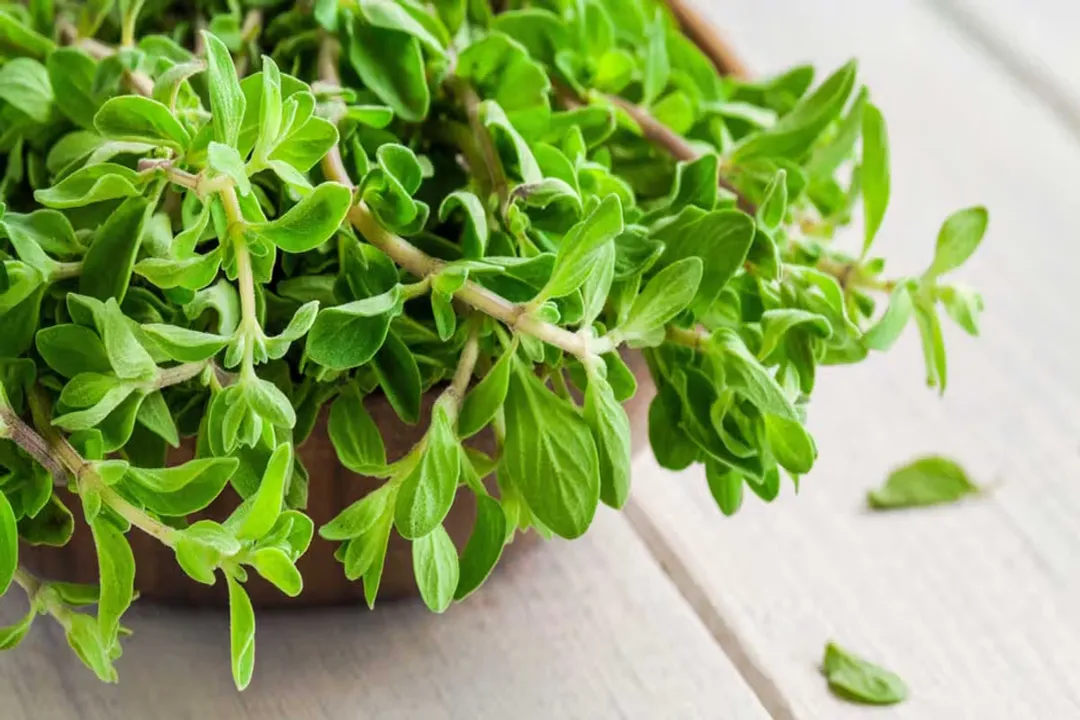
Marjoram, scientifically identified as Origanum majorana, is an aromatic herb belonging to the widespread mint family. [3][7] While frequently mistaken for its robust cousin, oregano, marjoram possesses a flavor that is decidedly milder and sweeter, featuring delicate, slightly floral notes. [3][5] This herb has deep roots in the Mediterranean region, North Africa, and Western Asia, where it has been cultivated for millennia. [3] Historically, it carried significant cultural weight; the ancient Greeks associated it with love and joy, even using it in wedding ceremonies, leading to its enduring nickname, the "herb of happiness". [1][7][10] Today, it remains a staple in Mediterranean and Middle Eastern cooking, lending character to everything from soups and sauces to roasted meats. [5][7] However, the value of this humble plant extends well past the cutting board, offering an array of therapeutic properties backed by both tradition and contemporary investigation. [1][5]
# Active Constituents
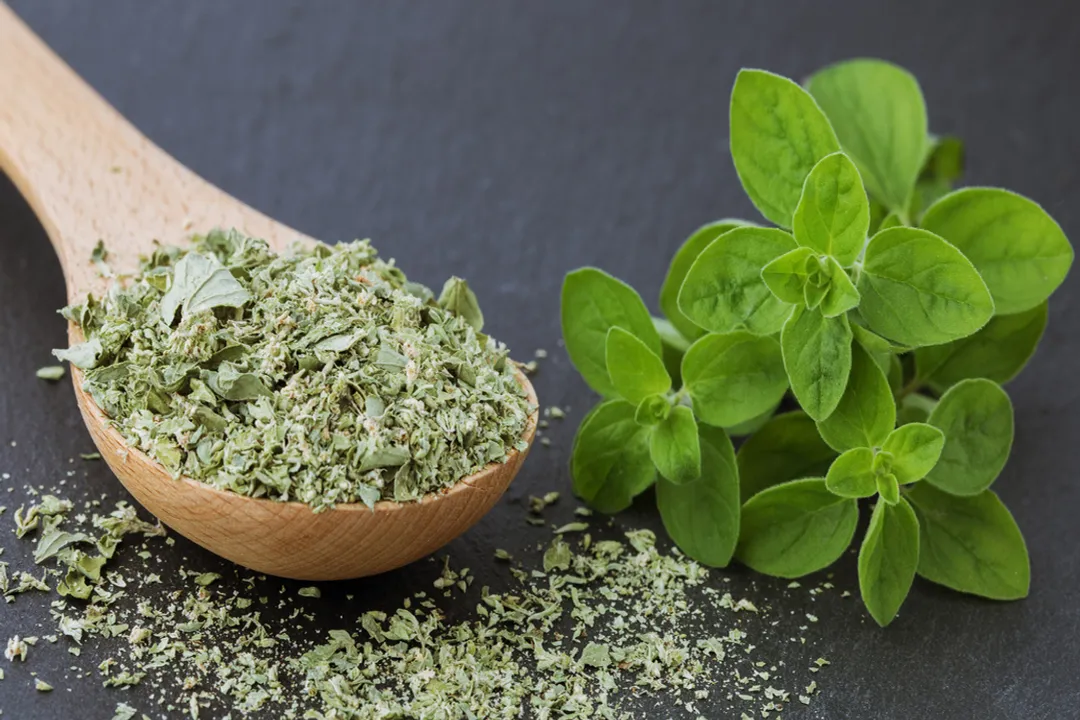
The health-supportive qualities of marjoram stem directly from its rich chemical composition, which includes a blend of volatile oils, phenolic compounds, and other bioactive agents. [6][8] When examining the essential oil, researchers frequently identify a large array of monoterpene hydrocarbons, such as -pinene, -pinene, and -terpinene, alongside oxygenated monoterpenes like carvacrol, thymol, -terpineol, and cis-sabinene hydrate. [2][6][8] These volatile components are largely responsible for the herb’s notable aroma and many of its observed biological activities. [6][8]
Beyond the essential oil, extracts from the plant material itself contain significant amounts of phenolic compounds. [8] These include various phenolic acids like rosmarinic acid, ferulic acid, and caffeic acid, as well as flavonoids such as quercetin and kaempferol. [1][7][8] Specific isolated components, such as ursolic acid, have been noted for their specific activities, including anticholinesterase inhibitory effects. [8] The synergistic presence of these many compounds—from terpenes to flavonoids—creates the multifaceted wellness profile associated with marjoram. [1][8]
# Cell Defense
One of the most frequently cited benefits of marjoram is its significant contribution to antioxidant defense. [1][3] Antioxidants function by neutralizing potentially harmful molecules called free radicals, which cause oxidative stress. [3] When this stress becomes chronic, it is implicated in the development of various long-term health issues, including heart disease, diabetes, and certain cancers. [1][3][7] The phenolic compounds and flavonoids present in marjoram extracts are key players in this protective mechanism, showing substantial capacity to manage lipid oxidation and scavenge free radicals in laboratory tests. [8] Simply incorporating marjoram as a regular seasoning is a straightforward way to boost dietary intake of these defensive agents. [1]

# Inflammation Control
Tying closely to its antioxidant capacity is marjoram's confirmed anti-inflammatory potential. [1][5] In traditional herbal medicine, it has long been used to calm internal swelling, easing discomfort associated with muscle soreness, joint pain, and even some digestive troubles. [1] Scientific investigation supports this historical use, showing that specific components, like sabinene hydrate and terpineol found in the essential oil, can actively suppress the production of key pro-inflammatory signaling molecules such as TNF- and IL-1 in cellular models. [8] Furthermore, these compounds have been observed to modulate the expression of genes like COX-2, which is central to the inflammatory cascade. [8] This inherent ability to manage the body’s inflammatory response is the foundation for its effectiveness in addressing various aches and pains. [1] The consistent documentation of this anti-inflammatory action across studies explains why marjoram’s therapeutic application is so broad, supporting conditions from arthritis to respiratory irritation. [6][7]
# Digestive Soothing
For centuries, marjoram has been employed as a digestive aid, valued for its ability to settle the stomach. [5][7] It is commonly used to lessen feelings of bloating, gas, and general indigestion. [1][7] This soothing effect comes partly from its mild antispasmodic action, which helps relax the smooth muscles within the gastrointestinal tract, thereby promoting easier food passage. [1][7] Additionally, it may assist in stimulating the necessary production of digestive enzymes, which is important for proper nutrient uptake. [1]
While marjoram is frequently associated with settling digestive upset, it is interesting to note a comparative finding in animal models: some research indicates that marjoram extracts can cause an increase in basal gastric acid and pepsin secretions in rats, suggesting a role in stimulating digestive activity. [8][10] Simultaneously, other studies demonstrated that the herb possesses antiulcer properties, potentially by helping to replenish the protective gastric wall mucus and decrease harmful lipid peroxidation within the tissue lining. [8][10] This dual action suggests marjoram might both encourage healthy digestive secretions and shield the lining from damage, though human evidence is still evolving. [3]
# Hormone Support
Marjoram has garnered attention for its traditional role in supporting endocrine health, particularly for women navigating hormonal fluctuations. [6][9] It is frequently cited in herbal practice for its potential to help regulate the menstrual cycle and ease common premenstrual syndrome (PMS) symptoms. [1][3][6] A more focused area of investigation involved women with Polycystic Ovary Syndrome (PCOS), a disorder characterized by irregular periods and hormonal imbalance. [3][6] A pilot study examining women with PCOS who drank marjoram tea twice daily for one month found measurable improvements in their hormonal profiles, specifically noting a reduction in DHEA-S (dehydroepiandrosterone-sulfate) and better insulin sensitivity. [8] This research suggests a tangible metabolic effect that aligns with its historical use for promoting balance. [8]
# Topical Relief
When concentrated into essential oil form, marjoram becomes a potent topical agent for managing discomfort and supporting skin integrity. [9] Its inherent anti-inflammatory and analgesic qualities, attributed partly to compounds like eugenol in the oil, make it an excellent candidate for addressing localized pain. [1][2] When massaged into the skin, the warming effect of the oil can soothe muscle cramps, ease tension, and improve circulation to painful areas, offering natural relief for muscle soreness and joint discomfort. [9] Furthermore, the skin benefits from its cleansing actions. [9] Due to its antiseptic and antibacterial properties, diluted marjoram oil has been applied to minor cuts, scrapes, and irritated skin to help prevent infection and calm redness. [6][9] For acne-prone skin, its ability to combat bacteria and potentially regulate oil production is cited as beneficial for promoting a clearer complexion. [6]
It is helpful to recognize that topical application of the essential oil leverages its concentrated nature for targeted relief, like massaging sore knees or applying a warm compress for a tension headache. [9] Conversely, achieving systemic hormonal benefits, as seen in the PCOS study, was achieved by consuming the herb as a tea, suggesting that different preparation methods deliver different primary benefits. [8] When creating your own topical applications, always remember that essential oils require dilution with a carrier oil, such as jojoba or coconut oil, to prevent adverse reactions like contact dermatitis. [9]

# Antimicrobial Power
Marjoram is not only helpful internally but also possesses properties that help defend the body against external threats. [5] Research confirms that marjoram extracts and, more potently, its essential oil, display notable antimicrobial and antifungal activities. [1][8] Studies have demonstrated the oil's ability to inhibit the growth of various common pathogens, including certain bacteria that cause foodborne illnesses like Clostridium perfringens. [3] The essential oil has also shown inhibitory activity against strains such as Staphylococcus aureus and Escherichia coli. [8] This germ-fighting capability makes marjoram a beneficial addition to food preservation and cooking, offering flavor enhancement alongside pathogen mitigation. [1]
# Mood Calm
Historically tied to feelings of happiness, marjoram retains its reputation as a calming botanical. [1][7] The sweet, aromatic nature of its essential oil is widely employed in aromatherapy to soothe the nervous system, helping to lower feelings of tension and restlessness associated with stress and anxiety. [1][6][9] The calming effects extend to sleep; due to mild sedative characteristics, drinking marjoram tea or incorporating the herb into an evening meal may help promote relaxation conducive to better, more natural sleep cycles. [1][2] For those seeking relaxation, diffusing the oil or including it in a massage blend is a recommended practice for emotional balancing. [6]
# Systemic Health
Marjoram’s positive influence stretches to major systems like the heart and kidneys. [6][10] Its combination of antioxidant and anti-inflammatory actions is thought to benefit cardiovascular health by protecting blood vessels from oxidative stress, which may contribute to better long-term heart function. [1][7] Some sources suggest that marjoram exhibits hypotensive effects, meaning it can assist in lowering blood pressure. [7] In preclinical models, marjoram leaf powder and extracts demonstrated cardioprotective activity by alleviating markers of induced myocardial damage and reducing oxidative stress within heart tissues. [8] Additionally, marjoram has been noted for its mild diuretic qualities, which may help the body flush out excess water and toxins, including unnecessary sodium and uric acid. [6]
# Safety Cautions
While marjoram is considered LIKELY SAFE when used in the small quantities typical for culinary seasoning, caution is warranted when consuming it in medicinal or supplemental amounts for extended periods. [10]
Key considerations include:
- Pregnancy and Breastfeeding: Marjoram should be strictly avoided in medicinal doses by women who are pregnant or breastfeeding. Its ability to influence menstrual flow (emmenagogue properties) could potentially trigger bleeding or threaten a pregnancy. [3][6][10]
- Blood Clotting: Medicinal use may slow blood clotting, increasing the risk of bruising or bleeding. This is a significant concern for anyone taking anticoagulant or antiplatelet medications (like aspirin or warfarin) or those scheduled for surgery; stopping medicinal use at least two weeks prior to a procedure is often advised. [3][10]
- Blood Sugar Interactions: Because marjoram may lower blood sugar, individuals on diabetes medication must monitor their glucose closely to prevent hypoglycemia. [3][10]
- Allergies: Individuals allergic to other members of the mint family, such as basil, oregano, or sage, may experience allergic reactions to marjoram. [10]
- Other Concerns: Caution is advised for those with conditions involving slow heart rate (bradycardia) or gastrointestinal blockages, as high medicinal doses might theoretically increase secretions or cause intestinal "congestion". [10]
# Kitchen Use
Incorporating marjoram into your daily meals is simple, given its versatility. [1] For cooking, remember that dried marjoram is more concentrated than fresh; use dried sparingly compared to fresh quantities. [5] When adding fresh leaves to a hot dish, incorporate them near the end of the cooking process to preserve their delicate aromatic oils. [5][7]
To maximize flavor transfer in slow-cooked items like stews or stocks, a neat trick is to place a few tablespoons of the leaves inside a small piece of cheesecloth, tie it securely, and let it infuse during simmering. [3] If you find yourself without marjoram, its flavor profile is closest to oregano, though you should use slightly less due to oregano's stronger punch; thyme or sage can also act as reasonable 1:1 substitutes. [3]
If you are aiming for therapeutic benefits that require a higher concentration than what is practical in daily seasoning, making a simple infusion or tea is traditional—steeping one to two teaspoons of dried leaves in hot water for five to ten minutes is a common method. [1][4] For oil infusions, one suggestion involves mixing about one teaspoon of dried marjoram with one tablespoon of a neutral cooking oil, which can then be used in dressings or for marinating. [3]
The primary medicinal parts utilized across historical and modern applications are the leaves and the extracted essential oil. [8] Knowing which form aligns with your intended use—culinary flavor, daily tea, or targeted topical treatment—is key to safely enjoying the many gifts this "herb of happiness" has to offer. [1][5][9]
Related Questions
#Citations
Health Benefits of Marjoram - WebMD
What Is Marjoram? Benefits, Side Effects, and Uses - Healthline
What Is Marjoram Good For? Discovering the Benefits and Uses of ...
Marjoram - Dr Earth
What Is Marjoram? Benefits, Side Effects, and Uses - MedicineNet
Marjoram - Area 2 Farms
Sweet Marjoram: A Review of Ethnopharmacology, Phytochemistry ...
Herb of Happiness: 10 Surprising Health Benefits of Marjoram
Benefits of Marjoram: A Natural Remedy for Skin, Pain, and Over
Marjoram: Health Benefits, Side Effects, Uses, Dose & Precautions