Health Benefits of Mallow
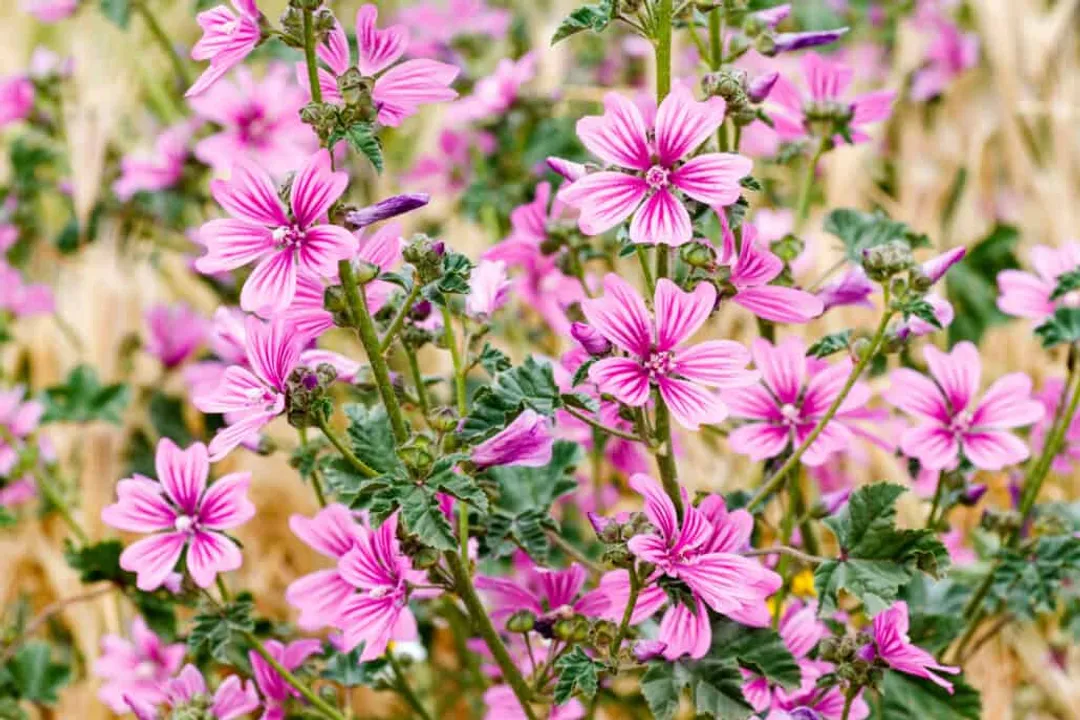
The quiet wisdom held within the common mallow plant, often seen as just a wayside weed, offers remarkable support for human health, largely due to its impressive composition of mucilage. This gelatinous substance, derived primarily from the leaves and flowers, is the cornerstone of mallow’s recognized therapeutic actions. [1][4] When this plant material encounters water, it swells, forming a protective, soothing layer that coats mucous membranes throughout the body. [6][10] This characteristic makes mallow a prime candidate for applications where irritation needs to be calmed, both internally and externally. [4]
# Mucilage Power
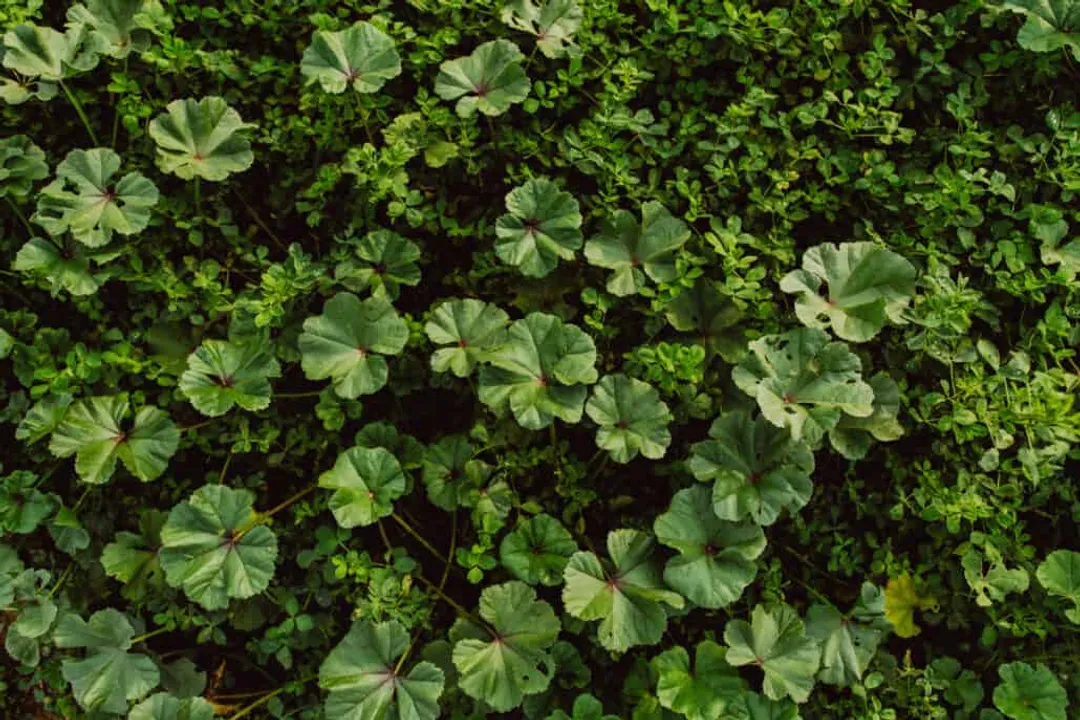
Mallow’s significant mucilage content means it functions as a demulcent. [7] Demulcents are essential in herbal medicine because they provide a physical barrier over inflamed or irritated tissues, offering immediate comfort and allowing the body to begin healing. [1] This is not just a simple coating; the mucilage is rich in complex polysaccharides, which are highly effective at binding to water and forming viscous solutions. [4]
Comparing mallow to related soothing herbs, like marshmallow root or slippery elm, mallow offers a more readily available and often milder profile, though its mucilage content is still substantial. [10] For instance, while marshmallow root is often preferred for deep internal soothing, mallow can be an excellent choice for milder, everyday irritation due to its often more accessible leaf and flower material. [1] The difference in botanical sourcing—using leaves versus roots—can subtly alter the final concentration of specific polysaccharides, which is a point worth noting for experienced herbalists aiming for a specific effect. [2]
When preparing mallow for its demulcent properties, the method of preparation heavily influences the resulting benefit. A cold infusion, where the plant material sits in cool water for several hours, is often cited as the best way to extract the mucilage without heat degrading its structure. [6] Boiling water tends to release other compounds but can break down the delicate mucilaginous components that provide that signature soothing effect. [6]
# Respiratory Relief
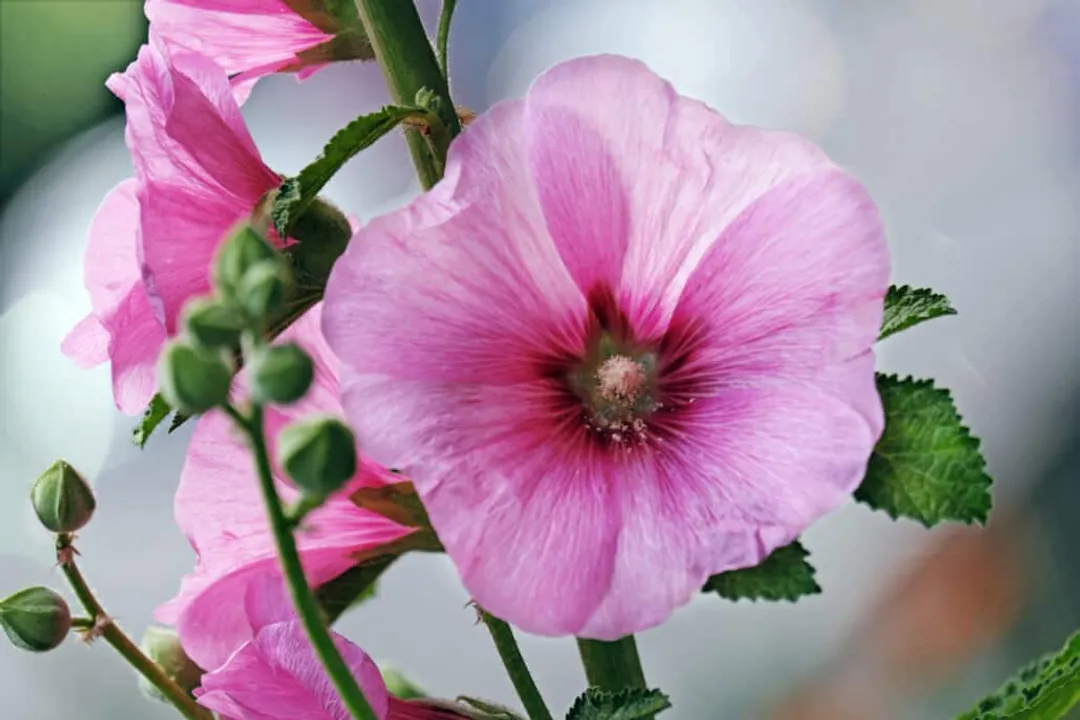
One of the most time-honored uses for mallow preparations centers on the respiratory system, particularly when dealing with dry, unproductive coughs or general throat discomfort. [3][5] The demulcent action described earlier comes into full play here. By coating the pharynx and larynx, the mallow infusion reduces the tickle that triggers the cough reflex, offering symptomatic relief. [1][6]
It is important to understand how this differs from expectorants, which actively help clear mucus. Mallow, primarily, is palliative; it manages the irritation rather than forcefully clearing congestion. [5] Therefore, it works best when the issue is inflammation leading to dryness or persistent irritation, such as in pharyngitis or laryngitis. [3]
A simple yet effective application involves gargling with a strong, cool mallow infusion several times a day. [6] For ongoing relief, sipping a lukewarm preparation throughout the day can maintain that protective layer along the throat and upper airways. [1] If someone is struggling with a persistent, nagging cough following a cold, a daily routine involving mallow tea can provide consistent comfort where harsher treatments might be irritating. [5]
# Soothing Dry Coughs
For readers specifically seeking relief from the irritating, dry cough that keeps them awake, the action of mallow is very direct. The compounds work locally on contact. Think of it as applying a natural, edible film over a raw surface. While many cough syrups contain synthetic agents or strong expectorants, mallow offers a gentler, systemic approach to reducing the sensitivity of the airways. [7] This makes it particularly suitable for children or individuals sensitive to common over-the-counter medications. [5]
# Digestive Support
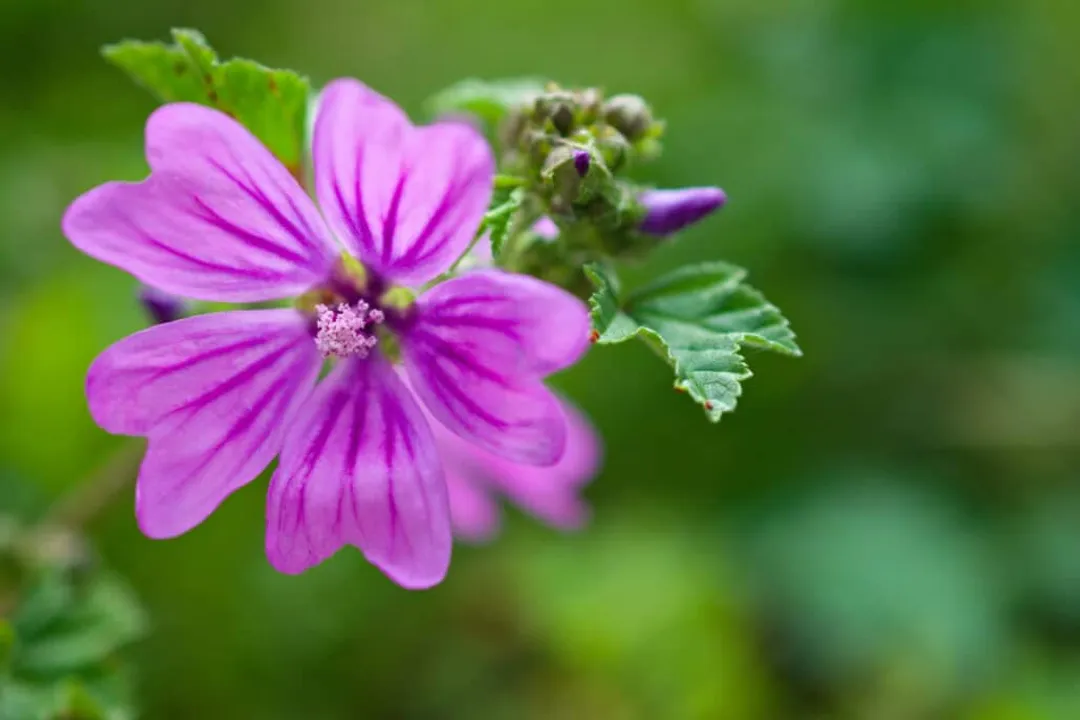
The soothing capabilities of mallow extend beautifully into the gastrointestinal tract, mirroring its benefits for the throat. [4][7] The same mucilage that coats an irritated throat can pass through the digestive system, providing a protective lining against stomach acid and digestive enzymes. [4] This is invaluable for conditions characterized by inflammation along the digestive tract lining.
Conditions that benefit from this internal coating include mild gastritis, heartburn, and even general irritation from dietary indiscretion. [4][7] Some traditional uses even point toward management of mild peptic ulcer symptoms, where the goal is to shield the vulnerable tissue from further caustic exposure. [5]
When we look at the chemical makeup, the polysaccharides are key. They are not typically digested in the upper GI tract but pass down, offering sustained coating action. [4] If we were to track the path of a standard mallow infusion taken with a meal, the initial soothing effect would be felt almost immediately in the esophagus and stomach, with residual benefit continuing as the substance moves through the intestines. [10] This contrasts with antacids, which neutralize acid but don't offer a protective barrier; mallow protects rather than simply neutralizing the environment. [4]
For practical application, an individual dealing with mild morning nausea or heartburn might find sipping a cool, mild mallow tea about half an hour before eating helps buffer the stomach acid produced in anticipation of food. [7] This proactive use of the demulcent action is a valuable strategy missing from many conventional approaches to digestive upset. [4]
# Skin Applications
Mallow’s topical utility is perhaps the most visually immediate demonstration of its soothing power. [1] Whether the plant is used as a poultice, a compress, or an ingredient in salves, its emollient and anti-inflammatory qualities are highly regarded for skin issues. [10][6]
# Treating Irritation
The applications for compromised skin are broad. Mallow preparations are frequently recommended for soothing minor burns, insect bites, rashes, and various forms of dermatitis. [1][6] The mechanism here is twofold: the mucilage helps to moisturize and soften the dry, irritated skin, and the anti-inflammatory compounds present help calm the underlying redness and itching. [10]
A practical tip for home use involves creating a strong decoction or infusion of the leaves and flowers, letting it cool completely, and then using it as a soak for hands or feet, or as a compress applied directly to the affected area for 15 to 20 minutes several times a day. [6] If one were making a batch of homemade soap or lotion, incorporating a mallow extract or hydrosol at the cool-down stage could significantly boost the final product’s gentleness for sensitive skin types. [1]
It’s worth noting that while mallow is generally well-tolerated topically, as with any botanical, a patch test is wise, especially for individuals with known sensitivities to other plants in the Malvaceae family. [10]
# Nutritional and Minor Uses
Beyond its primary demulcent role, mallow contains various compounds that contribute to its overall healthful profile, though these are often secondary to the mucilage content. [4] The plant is known to contain some vitamins, minerals, and antioxidants. [1] While one would never rely on mallow as a primary source of nutrition—its constituent amounts are relatively low compared to common food sources—these components support its traditional use as a general tonic. [2]
Mallow, particularly the common species like Malva sylvestris, contains flavonoids and tannins, contributing to its mild astringent and antioxidant properties. [4][1] These antioxidants help protect cells from damage caused by free radicals, which is a general mechanism of support for overall cellular health. [1]
# Comparative Chemical Profile
When looking at the composition reported across different studies, the presence of certain saponins alongside the mucilage is frequently mentioned. [4] Saponins are compounds that can contribute to mild cleansing or foaming properties, though in mallow, they are present in low enough concentrations not to be the primary therapeutic focus. [4] A quick comparative check against other wild edibles shows that while mallow leaves offer iron and calcium, the quantities are not exceptionally high, perhaps yielding only about 10-15% of the daily recommended intake per 100 grams of fresh leaves, putting its value primarily in its medicinal, not nutritional, volume. [2] This reinforces the idea that its strength lies in its physical properties (mucilage) rather than its vitamin load. [1][4]
# Safety and Considerations
While mallow is often praised for its gentleness, it is crucial for any reader considering incorporating it regularly, especially in concentrated forms or long-term use, to understand the safety profile. [5] Generally, mallow is considered safe when used appropriately, meaning in recommended doses and for short-term relief of acute symptoms. [3][7]
# Drug Interactions
One important consideration often highlighted is the potential for mallow to interfere with the absorption of other medications. [3][5] Because the mucilage forms a physical barrier in the digestive tract, it can, theoretically, slow down or reduce the uptake of concurrently ingested drugs, whether prescription or over-the-counter. [3] This is a direct consequence of its mechanism of action.
To mitigate this potential interaction, a simple scheduling adjustment can make a difference: always separate the consumption of mallow preparations from other oral medications by at least one to two hours. [3][7] This allows the primary drug sufficient time to be absorbed before the mallow's protective coating becomes fully active throughout the system. [5]
# Pregnancy and Children
For pregnant or breastfeeding individuals, caution is usually advised with herbal remedies unless specifically cleared by a healthcare provider, and mallow is no exception. [7] While specific contraindications are not universally listed as severe, the general principle of avoiding unproven substances during these sensitive periods applies. [3] Similarly, while it's used for children's coughs, dosage must be significantly reduced and administered under the guidance of a knowledgeable practitioner or pediatrician, prioritizing very mild infusions over strong extracts. [5][6]
# Harvesting and Preparation Methods
Understanding how mallow is typically sourced and prepared deepens appreciation for its benefits. [2] The plant offers different components for different uses: the leaves and flowers are best for the soothing, mucilaginous teas, while the roots (though less commonly used than in related species) contain even higher concentrations of mucilage. [1]
# Leaf vs. Flower Use
The flowers, often brightly colored, are frequently preferred for teas intended for soothing the throat because they are visually appealing and generally have a milder flavor profile than the leaves. [6] However, the leaves contain a good amount of mucilage and are often the easiest part to gather in quantity. [2] For external applications, a mix of both provides a good spectrum of compounds. [1]
| Plant Part | Primary Benefit Focus | Recommended Preparation Style | Best For |
|---|---|---|---|
| Flowers/Leaves | Demulcent, Soothing | Cold Infusion or Mild Tea | Coughs, Sore Throats, Mild Digestive Upset |
| Leaves (Higher Volume) | Emollient, Moisturizing | Strong Compress or Poultice | Skin Rashes, Minor Burns |
| Roots (Less Common) | Maximum Mucilage | Decoction (Carefully done) | Severe Internal Irritation (Traditional Use) |
| [1][2][4][6][10] |
It is vital for anyone planning to harvest wild mallow to be absolutely certain of identification, ensuring they are gathering the common mallow (Malva sylvestris) and not a toxic look-alike, though mallow is generally quite distinctive. [2] Furthermore, harvesting should always occur away from roadsides or areas that may have been treated with pesticides or herbicides. [2]
The commitment to using the cold infusion method for the most potent mucilage extract is perhaps the single most actionable piece of advice for maximizing mallow's soothing effects. If you are treating a persistent dry cough, preparing a quart of cold infusion in the morning and sipping it throughout the day will maintain a much more consistent level of protective coating than simply drinking one hot cup, which cools rapidly and loses its viscosity. [6] This continuous, low-dose application is the key to managing chronic irritation effectively with this gentle herb. [4]
# Concluding Thoughts on Gentleness
Mallow stands out in the herbal world not for dramatic, intense effects, but for its quiet, reliable capacity to calm irritation. [7] Its primary health benefit is intrinsically linked to its physical composition—the slippery, protective mucilage that shields raw tissues—making it a cornerstone for managing symptoms related to dryness, inflammation, and friction in both the respiratory and digestive systems. [1][4] By respecting its mechanism of action and adhering to simple preparation guidelines, such as favoring cold infusions, one can easily integrate this common plant into a regimen aimed at gentle, sustained wellness. [6][7] The long history of its safe use, coupled with its direct physical action, secures its place as a trusted friend to the mucous membranes. [10]
#Videos
The Benefits & Uses of Mallow | Featuring Shana Lipner Grover
Related Questions
#Citations
Mallow: here are all its beneficial powers - Gruppo FarmaImpresa
Benefits of Common Mallow (Malva sylvestris) - Permaculture
Mallow - Uses, Side Effects, and More - WebMD
A Review on Health Benefits of Malva sylvestris L. Nutritional ...
Mallow: Health Benefits, Side Effects, Uses, Dose & Precautions
Mallow Uses and Plant Profile - LearningHerbs
Mallow – Health Information Library | PeaceHealth
The Benefits & Uses of Mallow | Featuring Shana Lipner Grover
Common mallow's healing properties and benefits - Facebook
Mallow: Properties, Benefits, Uses, and Contraindications - Terza Luna