Health Benefits of Malanga
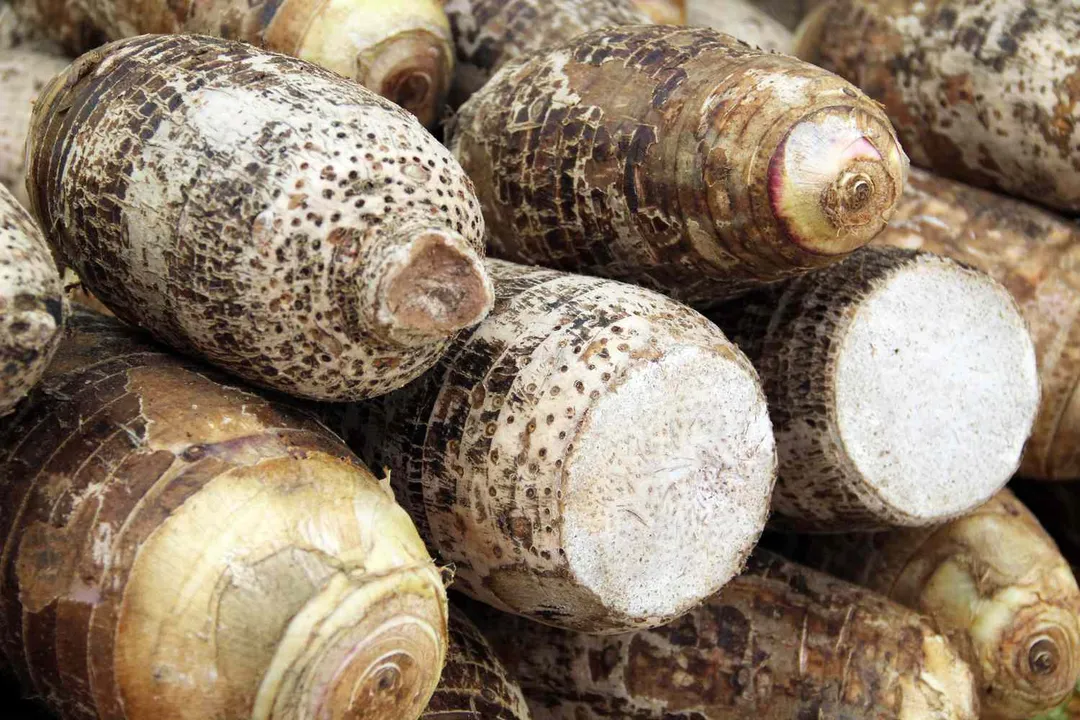
Malanga, often recognized by its distinct, somewhat rough, and hairy exterior skin, is a starchy tuber that holds a significant place in tropical and subtropical cuisines worldwide. [2][9] While you might see it listed on menus as yautia or even dasheen, it belongs to the Araceae family, similar to its more commonly known cousin, taro. [6][4] Understanding this root beyond its earthy flavor reveals a compelling nutritional profile that supports overall wellness, making it much more than just a simple carbohydrate source. [1][5] The slight variations in names often depend on the specific cultivar or geographic region; for instance, some sources differentiate between Malanga Lila and other varieties based on skin color or texture, but the general health advantages tend to overlap across these types of corms. [9][2]
# Starch Structure
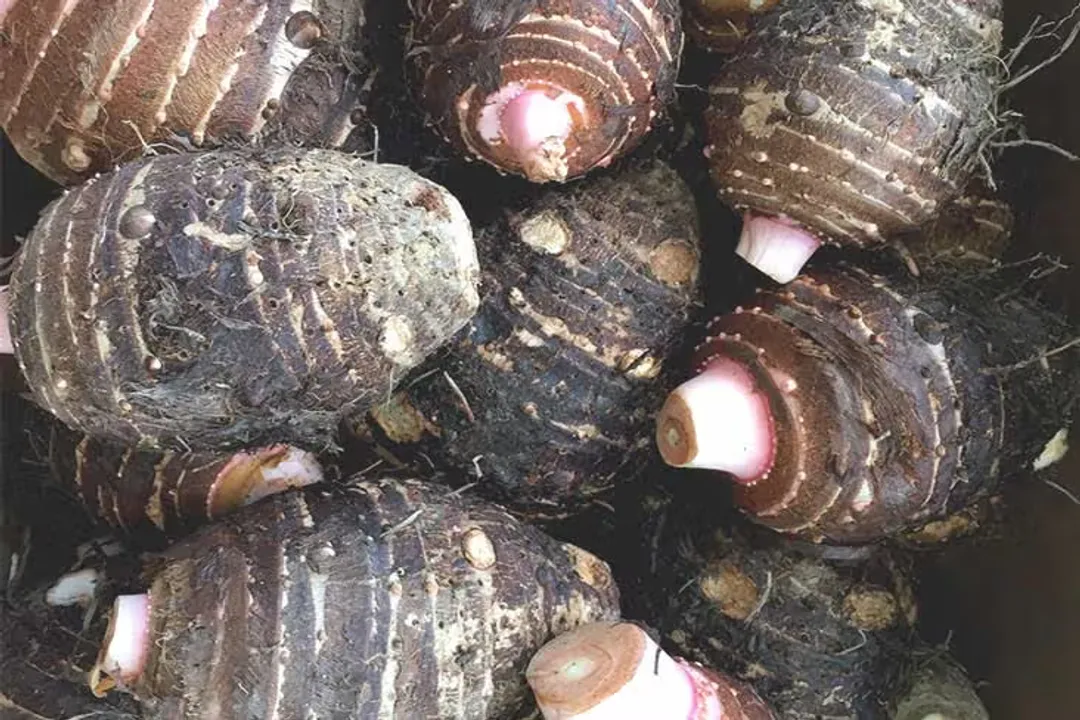
The composition of malanga’s starch is a key area where it differs subtly from other popular tubers, influencing how the body processes it. [1] Like potatoes or taro, malanga provides energy through its carbohydrate content, but the way that energy is released matters significantly for sustained health. [5][7] Some studies suggest that the starches in tubers like malanga can exhibit some resistance to digestion when cooked and then cooled. [1] This phenomenon creates what is functionally similar to resistant starch, which behaves much like soluble fiber in the digestive tract. [2]
This structural characteristic is important because it means that a portion of the carbohydrates pass through the small intestine undigested, feeding beneficial gut bacteria in the large intestine. [1] This interaction is what contributes to its noted benefits for digestive regularity and gut health. [2] If you find yourself preparing a large batch of malanga for a family gathering, a simple trick is to cool the leftovers completely overnight in the refrigerator and then gently reheat them the next day; this process maximizes the creation of these beneficial resistant starches, offering a tangible nutritional upgrade from simply eating it immediately after boiling. [1]
# High Nutrients
When assessing the value of root vegetables, looking past the basic macronutrients reveals crucial micronutrient contributions, and malanga delivers a notable array of vitamins and minerals. [5][1] It stands out as a good source of Vitamin C, an essential water-soluble vitamin crucial for immune function and collagen production. [1] Furthermore, it contains significant levels of Vitamin A, often present in the form of beta-carotene, which is vital for vision and skin health. [5]
In the mineral department, malanga is particularly rich in potassium. [1][5] Potassium is an electrolyte that works in opposition to sodium, playing a crucial part in maintaining proper fluid balance, supporting nerve signals, and regulating blood pressure. [5] Another important mineral frequently found in good measure within the malanga corm is magnesium. [2] Magnesium is involved in hundreds of biochemical reactions within the body, including muscle and nerve function, energy production, and bone structure maintenance. [2]
For readers accustomed to thinking of root vegetables as solely simple carbs, comparing malanga's profile to a common alternative like a white potato might be insightful. While both provide excellent complex carbohydrates, malanga often presents a slightly better profile in certain micronutrients, especially if the comparison is made against peeled white potatoes, where the skin—often removed from malanga as well—retains additional fiber. [7] The general presence of these vitamins and minerals positions malanga as a dense source of essential nutrients relative to its caloric load. [5]

# Blood Sugar Control
One of the most frequently cited benefits associated with malanga consumption relates to its impact on blood glucose levels. [1][2] This effect is strongly tied to the fiber content and the structure of its carbohydrates, as mentioned earlier. [1] Foods that promote a slower, more gradual rise in blood sugar after eating are often assigned a lower Glycemic Index (GI). [2] While the exact GI can vary based on ripeness and preparation method—boiling generally results in a lower GI than frying—malanga is generally regarded as a lower GI option compared to some other starchy foods. [2]
The presence of dietary fiber further supports stable energy release. [1] Fiber slows down the rate at which sugars are absorbed into the bloodstream, preventing the sharp spikes and subsequent crashes in energy that can follow high-GI foods. [2] For individuals managing their blood sugar or simply aiming for consistent daily energy, incorporating malanga in place of refined grains or high-GI starches can be a practical dietary adjustment. [1] Think of it as a more steady fuel source rather than a quick burst of energy. [2]
# Digestive Support
The dietary fiber inherent in malanga root is not just good for moderating blood sugar; it is fundamental to a healthy digestive system. [1] Malanga contains both soluble and insoluble fiber, each serving a distinct purpose. [5][2] Insoluble fiber adds bulk to stool, which helps food pass more quickly through the digestive tract, thereby preventing constipation and promoting regularity. [2]
The soluble fiber fraction, which interacts with water to form a gel-like substance, is what contributes to that feeling of fullness, or satiety, after eating. [1] This feeling of fullness is beneficial for appetite control. [1] As previously discussed, this soluble portion also serves as a prebiotic, nourishing the beneficial bacteria residing in the gut microbiome. [2] A thriving gut flora is increasingly linked not just to digestive comfort but also to improved immune response and even mood regulation, making the fiber in malanga a hidden powerhouse for internal balance. [2] If you are tracking your fiber intake, a serving of cooked malanga can contribute substantially to the recommended daily intake, often outperforming some less fibrous tubers when measured by weight. [5]
# Antioxidant Activity
The vibrant health benefits of many plants often trace back to their protective compounds, and malanga is no exception. [5] It contains various antioxidants that combat cellular damage caused by unstable molecules called free radicals. [1] Two primary players often highlighted in malanga’s profile are Vitamin C and beta-carotene (which the body converts to Vitamin A). [5]
Vitamin C is well-known for its role in neutralizing immediate oxidative stress, supporting the body’s defenses against environmental stressors. [1] Beta-carotene, being a carotenoid, also offers protection, particularly concerning eye health. [5] While malanga itself might not boast the highest antioxidant levels compared to dark berries or leafy greens, its inclusion in a diverse diet provides important synergistic support. [1]
It's worth noting that the concentration of these beneficial compounds can be affected by how the malanga is processed. While boiling is common, methods involving high heat or prolonged exposure to water can leach out some water-soluble vitamins like Vitamin C. [5] For instance, instead of boiling until completely soft, steaming or pressure-cooking until just tender might retain slightly higher levels of these heat-sensitive nutrients, offering a nuanced choice for the health-conscious cook. [5]
# Weight Management Aid
While malanga is primarily composed of carbohydrates—providing necessary energy—its specific nutrient and fiber composition lends itself well to incorporating into a balanced weight management plan. [1] The key here is satiety. Because it is rich in complex carbohydrates and fiber, malanga helps promote a feeling of fullness that lasts longer than the feeling provided by simple sugars or low-fiber starches. [1]
This sustained feeling of satisfaction can naturally lead to reduced overall calorie intake later in the day because the urge to snack or overeat at the next meal is diminished. [1] Furthermore, malanga is relatively low in fat. [5] When prepared healthily—think steaming, boiling, or baking rather than deep-frying—it serves as an energy-dense but nutrient-providing base for a meal, allowing for controlled calorie portions while still feeling substantial. [1] Substituting it for refined carbohydrates, like white bread or pasta, provides equivalent energy with a better micronutrient return and superior digestive support. [5]
# Culinary Context and Preparation
For many consumers, malanga remains an unfamiliar ingredient, often confused with taro or yams due to similar appearances. [7][6] Identifying it correctly is the first step toward enjoying its benefits. [9] Malanga is generally cooked before consumption, as it is not typically eaten raw. [6] Cooking is essential not only to achieve a palatable texture but also to neutralize any compounds that might cause irritation if consumed raw. [6]
The texture of cooked malanga is often described as creamy, sometimes slightly sticky or gluey, depending on the variety and cooking time. [9] It absorbs flavors well, making it versatile in both sweet and savory applications. [2] Traditional preparation often involves boiling, mashing, or incorporating it into soups and stews, where it thickens the broth naturally. [9]
Consider the traditional method of making mofongo or sancocho where starches are the backbone of the dish. Malanga integrates beautifully into these preparations, providing structure and slow-releasing energy. [2] When peeling, the skin can be tough and hairy; a sharp vegetable peeler is usually most effective, and some cooks prefer to peel it under running water to minimize sap contact with the hands. [9]
# Comparing Malanga and Taro
Because malanga and taro (Colocasia esculenta) are often visually similar and used interchangeably in some recipes, drawing a clear distinction helps readers make informed choices. [7] While both are tropical corms, they belong to different genera (Xanthosoma vs. Colocasia). [6][7] Nutritionally, they share the benefit of being complex carbohydrates rich in fiber and vitamins. [1][5] However, subtle differences exist; for instance, malanga is often cited as having a slightly milder, sometimes nutty flavor profile compared to the more earthy or sometimes slightly bitter taste associated with taro, though this is highly subjective and preparation-dependent. [7]
Furthermore, the textural outcome after cooking can differ slightly; some sources suggest malanga cooks up a bit lighter or fluffier than the stickier texture sometimes associated with taro. [7] Recognizing these minor distinctions allows a cook to choose the ingredient that best suits a desired final texture, whether they are aiming for a smooth puree or a chunky addition to a stew. [7] The consistent theme across both, however, remains their positive contribution to a fiber-rich diet. [1][5]
# Nutritional Density in Context
When evaluating the health merits of any food, considering its nutrient density—the amount of beneficial nutrients relative to its calories—is helpful. [5] Malanga offers a favorable balance: it provides substantial energy from complex carbs, which is necessary for an active lifestyle, while simultaneously delivering essential vitamins and minerals like potassium and Vitamin C, with minimal fat content. [1][5]
To put this into perspective, for someone looking for a filling side dish that supports heart health (via potassium) and provides steady energy (via complex starch) without excessive fat, malanga serves as an excellent choice, provided the preparation method is controlled. [5] If you are someone who regularly trains or requires sustained energy throughout a long workday, substituting an equivalent portion of malanga for a portion of refined white rice can modestly improve your micronutrient profile without sacrificing the needed caloric base. [5] This thoughtful substitution is a quiet but effective way to build long-term dietary quality. [1]
Related Questions
#Citations
Malanga: Health Benefits and More - Healthline
Malanga: Nutritional information and health benefits
The Many Benefits of Malanga - LatinLite
What Are the Health Benefits of Yautia - LinkedIn
Discover the Versatility of Malanga at Nelson Family Farms
Malanga: Nutritional Value Chart and Health Benefits - MedicineNet
Health Benefits of Taro Root - WebMD
What Are the Benefits of Malanga Root? - Verywell Health
Malanga Lila Benefits - Vega Produce: Eat Exotic, Be Healthy