Health Benefits of Leek

Leeks, often overshadowed by their pungent onion and garlic relatives, possess a mild, sweet flavor that makes them an exceptionally versatile addition to the kitchen, while simultaneously packing a dense nutritional punch worthy of the "superfood" label. [7][8] These members of the Allium family offer much more than just a subtle onion-like base for soups and stews; they deliver essential vitamins, minerals, and beneficial plant compounds that support overall wellness from cardiovascular function to digestive regularity. [1][2][9] Far from being just a simple vegetable, understanding what leeks bring to the table reveals why they deserve a more prominent spot in regular meals. [6]
# Key Nutrients
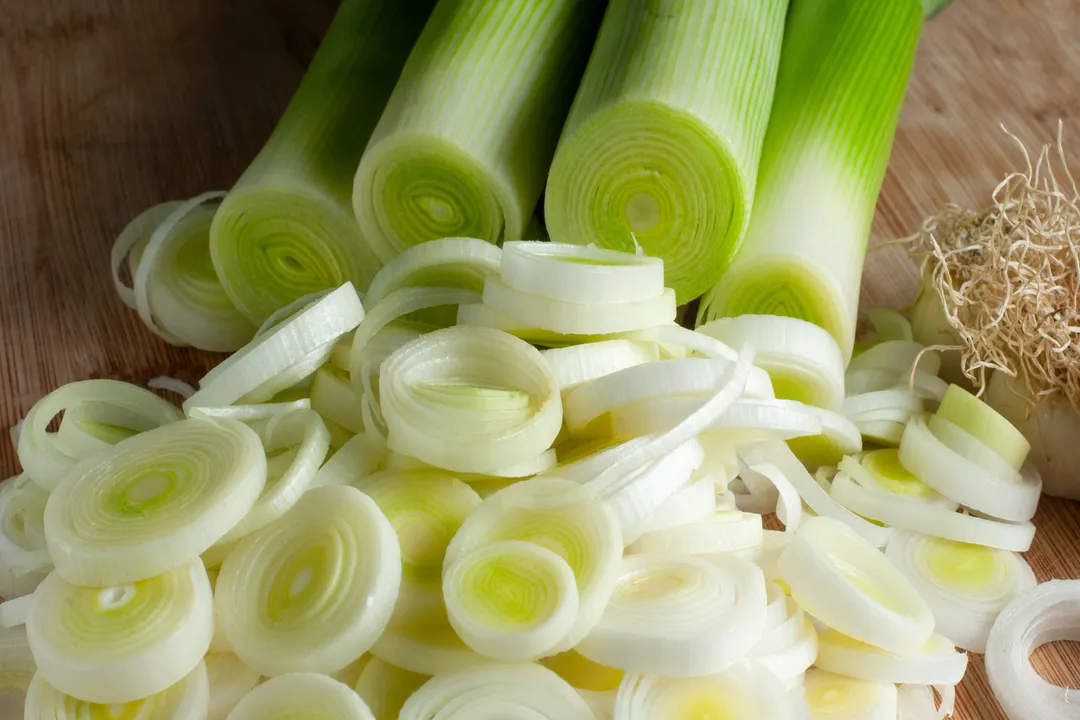
The nutritional composition of leeks is quite favorable, particularly considering their relatively low-calorie count. A single cup of chopped leeks, usually weighing around 149 grams, contains just under 100 calories, making them an excellent choice for nutrient density. [2] They are particularly rich in Vitamin K, essential for proper blood clotting and bone health. [5][7] Leeks also provide significant amounts of Vitamin A, crucial for vision and immune function, and Vitamin C, a well-known antioxidant. [5][7]
Beyond these major vitamins, leeks supply other vital micronutrients. They are a good source of manganese, an essential trace mineral involved in metabolism and enzyme activation. [1] Additionally, they contain Vitamin B6, which supports brain health and red blood cell formation. [1][2] Minerals like potassium and iron are also present, contributing to various bodily processes. [9] The presence of sulfur-containing compounds is a hallmark of the Allium genus, and leeks contain these beneficial substances, which are often credited with many of their protective effects. [5] Examining the profile reveals that leeks offer roughly 10% of the recommended daily value for iron and potassium per cup. [1]
# Kaempferol Content
One specific flavonoid that stands out in leeks is kaempferol. [2][8] This powerful antioxidant is associated with several health advantages. [8] While many plant-based foods contain kaempferol, its concentration in leeks is noteworthy, providing measurable amounts of this protective substance alongside other beneficial compounds like quercetin. [2][4] The presence of these flavonoids contributes significantly to the vegetable’s anti-inflammatory and disease-fighting properties. [8]
# Cardiovascular Support
The combination of nutrients and bioactive compounds in leeks makes them highly supportive of heart health. [1][2][8] Leeks contain significant potassium, a mineral known for its role in managing blood pressure by helping to balance the negative effects of sodium in the body. [5] Furthermore, the fiber content aids in maintaining healthy cholesterol levels, which is a cornerstone of good cardiovascular function. [1][8] The anti-inflammatory action, driven in part by compounds like kaempferol, also benefits the circulatory system by promoting healthier blood vessel function. [4][8]
When considering how dietary choices affect heart health, one might look at the interplay between sodium intake and potassium intake. For example, if a typical serving of stew uses 150 grams of leeks, you are gaining a measurable contribution toward the daily recommended potassium intake, helping to counteract higher sodium levels often found in processed foods. [1][5] This makes choosing leeks over sodium-heavy alternatives an easily actionable step toward better blood pressure management. [5]

# Digestive Health
A major health benefit derived from regular leek consumption relates directly to the digestive tract, primarily due to their high fiber content. [1][3][7] Fiber is critical for maintaining bowel regularity, preventing constipation, and ensuring smooth transit through the system. [1][7] Insoluble fiber adds bulk to stool, while soluble fiber can feed the beneficial bacteria residing in the gut. [2][8]
Leeks are considered an excellent source of prebiotics—types of fiber that act as food for the friendly bacteria in your colon. [2][8] Supporting a healthy gut microbiome is increasingly understood to have widespread health implications, influencing everything from nutrient absorption to immune response. [2][8] Leeks’ prebiotic qualities help promote the growth of beneficial bacteria, which is a key component of digestive wellness. [8] This specific action, feeding the good bacteria, sets leeks apart from simply providing roughage; it’s about actively nurturing the internal ecosystem. [2]
# Antioxidant Defenses
The vegetable’s powerful defensive capabilities come from its rich supply of antioxidants. [2][5] Antioxidants work to neutralize unstable molecules called free radicals, which cause oxidative stress and damage cells over time. [2] This protection is vital for reducing chronic inflammation, a process linked to numerous long-term health issues. [4][8]
Leeks contain several key players in this defense system:
- Vitamin C: A well-known scavenger of free radicals. [5]
- Kaempferol: As mentioned, this flavonoid offers potent antioxidant activity. [2][4]
- Sulfur Compounds: These contribute to the overall protective profile of the vegetable. [5]
The combination of these elements means that consuming leeks contributes to a lower overall inflammatory load in the body. [4][8] While many vegetables offer some antioxidants, the specific profile found in leeks, particularly their kaempferol levels, gives them an edge in certain defense pathways. [2][4]

# Weight Management Aid
For those focused on managing their weight, leeks present an appealing dietary addition due to their high nutrient-to-calorie ratio. [1][9] They are low in calories yet provide a satisfying bulk through their water and fiber content. [2][9] This combination helps promote feelings of fullness, which can naturally lead to reduced overall calorie consumption. [1] Because they are high in water and fiber, you can incorporate substantial amounts into meals without significantly impacting energy intake. [2] Furthermore, the slow digestion associated with fiber helps stabilize blood sugar levels, preventing the sharp spikes and crashes that can trigger overeating. [2]
# Specific Protection Functions
Leeks are associated with supporting specific organs and systems through targeted nutrient delivery.
# Vision and Skin Health
The presence of Vitamin A and related carotenoids is beneficial for maintaining good eyesight. [3][5] Vitamin A is a necessary component for healthy mucous membranes and skin integrity. [3][9] Ensuring adequate intake supports the maintenance of clear vision, especially in lower light conditions. [3] The skin benefits from the general antioxidant protection as well as the Vitamin A content, helping to maintain a healthy, resilient outer layer. [9]
# Potential Cancer Protection
Several components within leeks have been studied for their potential cancer-preventative properties. [7] The sulfur-containing compounds, common in the Allium family, are often implicated in inhibiting the growth of cancer cells. [5][7] Furthermore, the powerful antioxidants, such as kaempferol, help protect cells from DNA damage that could lead to cancerous development. [2][4][7] While research is ongoing, incorporating vegetables rich in these types of protective compounds is a well-established strategy for reducing long-term risk. [7]

# Culinary Integration and Preparation
Leeks offer a gentler flavor profile compared to sharp onions or pungent garlic, often described as slightly sweet, making them very adaptable across various cooking styles. [6] Historically, they have been valued for their mild nature, appealing to palates that might find stronger alliums too intense. [3] Their structure allows them to break down beautifully when slow-cooked, lending a creamy texture and subtle sweetness to dishes. [6]
When preparing leeks, it is crucial to clean them thoroughly, as dirt often gets trapped between the tightly packed layers of the white and light green parts. [7] A simple cleaning method involves slicing the leeks lengthwise and then rinsing them thoroughly under running water, or soaking them in a bowl of water and gently agitating them to release trapped grit before lifting them out of the water. [7]
The edible portion includes the white base and the light green sections; the dark green tops are generally tougher but can be used effectively for flavoring stocks and broths, imparting a mild aromatic depth. [3][7]
One practical tip for maximizing flavor and texture when sautéing is to separate the cleaning and cooking stages. After thorough washing, chop the leeks, and then briefly sauté them alone before adding other ingredients. This allows the moisture to cook off and the natural sugars to begin caramelizing, enhancing their sweetness before they are combined with other components of a dish, which often trap moisture and lead to steaming rather than true sautéing. [6]
Leeks pair well with potatoes, eggs, cheese, and herbs like thyme. [3] They can be used in classic preparations like Vichyssoise (a cold potato and leek soup) or simply braised in butter until tender for a simple side dish. [6]
# Mineral Focus
While often praised for vitamins, the mineral contribution of leeks is also significant, adding to their overall complexity. They offer measurable levels of magnesium, which is important for muscle and nerve function. [1] Iron, essential for oxygen transport in the blood, is also present in meaningful amounts. [9] When looking at the mineral density, it's worth noting that leeks provide a good source of trace elements that support metabolic processes across the board. [1] In environments where mineral-rich diets are encouraged, these less flashy vegetables often provide the consistent background support that high-dose supplements might miss. [9]
# Summary of Benefits
The advantages associated with regularly consuming leeks stem from a concentrated package of beneficial compounds. They support heart health through potassium and fiber; they promote gut health via prebiotic effects; they defend the body using antioxidants like kaempferol; and they contribute positively to weight management due to their low energy density. [1][2][4][8] This makes them a truly functional food, offering tangible support for multiple bodily systems with every serving. [7]
Related Questions
#Citations
Health Benefits of Leeks - WebMD
What Are Leeks and Wild Ramps? 10 Impressive Benefits - Healthline
The Health Benefits and Uses of Leeks | Silva International
Functional Perspective of Leeks: Active Components, Health ...
Leeks | Superfood - Allergy Associates of La Crosse
Why leeks are good for you | Food - The Guardian
[PDF] Health Benefits of Leeks - Coos County Friends of Public Health
Leek Benefits: 4 Reasons to Add Them to Your Diet - Greatist
Health & Wellness | Articles | Put Healthy Leeks on Your Menus