Health Benefits of Konjac
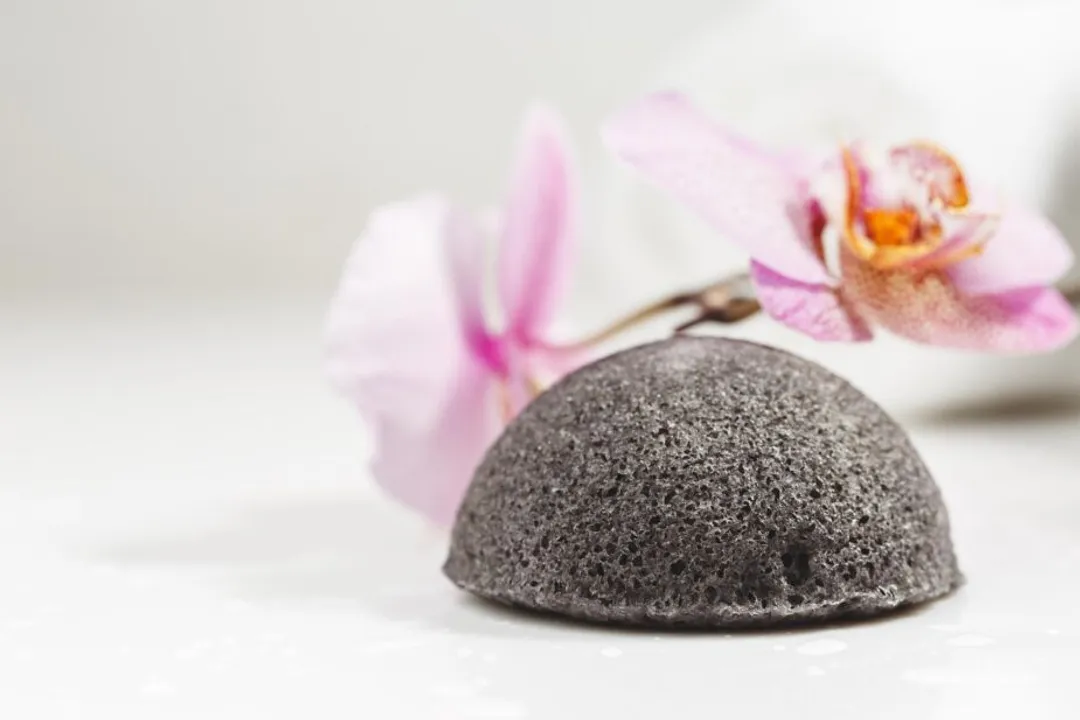
The konjac plant, native to Asia, has quietly built a reputation in the wellness world, largely thanks to one remarkable component extracted from its root or corm: glucomannan. [2][3][10] While the plant itself is a staple in some cuisines, it is this specific water-soluble dietary fiber that garners the most attention for its diverse potential health contributions. [2][10] It is important to recognize that konjac, or Amorphophallus konjac, is distinct from other plant sources, primarily due to the sheer concentration and unique properties of this fiber. [5]
# Fiber Composition

Glucomannan is extraordinary because of its ability to absorb a significant amount of water—reportedly up to 50 times its weight. [2][3][10] This characteristic makes it one of the most viscous dietary fibers known. [2][5] When consumed, this fiber forms a thick, gel-like substance in the digestive tract, which is the primary mechanism behind many of its acclaimed health effects. [2][10]
Unlike many common fibers derived from grains, glucomannan is considered an inert or non-digestible carbohydrate. [5] This means that the human body, specifically the small intestine, lacks the enzymes necessary to break it down or absorb it as a nutrient. [5][10] Therefore, its caloric contribution is negligible. [3][10] The fiber passes through the upper digestive system largely intact, providing bulk and interacting with other substances before reaching the colon. [5]
A comparison of fiber sources often highlights glucomannan's unique profile. For instance, while oats contain beta-glucan, and wheat contains cellulose, glucomannan's extreme hydrophilicity sets it apart, allowing for unique applications in both food science and human nutrition. [5] If you are examining food labels, you might see glucomannan listed under the ingredients for products like specialized thickening agents or low-carb noodles. [7]
# Weight Management

One of the most celebrated applications of konjac is its role in supporting weight management efforts. [1][3] This benefit stems directly from the physical properties of glucomannan when it absorbs water in the stomach. [1][2]
As the fiber swells, it contributes significantly to satiety, the feeling of fullness. [1][2][3] This bulk takes up space in the stomach, which can signal the brain that the body has consumed sufficient food, potentially leading to a reduction in overall calorie intake during that meal and subsequent ones. [1][2] Because konjac-derived foods are so low in calories—often containing nearly zero calories—they serve as excellent substitutes for higher-energy staples in a calorie-controlled diet. [3][8] For example, a serving of shirataki noodles, a common konjac product, typically contains very few calories compared to traditional wheat pasta. [8]
To put this into practical perspective for someone cutting calories, consider the difference: traditional white pasta cooked might offer around 200 calories per cup, whereas a comparable volume of shirataki noodles offers less than 10 calories. [8] This dramatic difference allows individuals to maintain food volume and texture satisfaction while drastically reducing energy density. However, it is crucial to remember that konjac itself is not a magic bullet; successful weight management still requires an overall consistent calorie deficit achieved through food choices and activity. [1] Furthermore, because glucomannan provides little to no energy, pairing konjac foods with nutrient-dense sources like lean protein or vegetables is essential to ensure adequate nutritional intake alongside the fiber bulk. [10]

# Digestive Support
The indigestibility of glucomannan is precisely what makes it beneficial for the large intestine. [5][10] Once it reaches the colon, the soluble fiber acts as a prebiotic. [2][10]
Prebiotics are specialized plant fibers that feed the beneficial bacteria residing in the gut microbiome. [2][10] These bacteria ferment the fiber, producing beneficial short-chain fatty acids (SCFAs) like butyrate. [2][10] SCFAs are vital; they serve as the primary energy source for the cells lining the colon, which supports gut barrier integrity and overall colonic health. [2] A well-fed microbiome is fundamental to numerous aspects of wellness, extending far beyond just digestion. [2]
In addition to feeding good bacteria, the bulk-forming nature of the gel aids in promoting regular bowel movements. [1][3][10] By adding mass and water content to stool, it can help regulate transit time. [1] This can be particularly helpful for those struggling with constipation. [1][3] Conversely, by absorbing excess water in the colon, in some contexts, it may also help firm up overly loose stools, offering a balancing effect on digestive rhythm. [10]
When integrating high-fiber sources like glucomannan into your routine, especially if your current diet is low in fiber, start small. Jumping straight to large servings can sometimes lead to temporary bloating or gas as your gut flora adjusts to the new fuel source. A gradual introduction over a week or two allows the digestive system to adapt more smoothly. [10]
# Heart Health
Konjac’s influence on the digestive tract appears to translate into positive effects for cardiovascular wellness, particularly concerning lipid profiles. [1][3] Several studies suggest that glucomannan can help manage cholesterol levels. [3]
The mechanism here is tied to its ability to bind with substances in the gut before they can be absorbed. [3] As the viscous gel travels through the small intestine, it may bind to bile acids—compounds made from cholesterol that are released to help digest fats. [3] When these bile acids are bound up by the fiber, they are excreted rather than reabsorbed back into the body. [3] To replace the lost bile acids, the liver must pull more cholesterol from the bloodstream, effectively lowering circulating LDL, often referred to as "bad" cholesterol. [3]
While the direct impact on blood pressure isn't always the primary focus, managing cholesterol and body weight are established strategies for supporting long-term heart health. [1] Therefore, the indirect benefits of konjac consumption on weight and lipid levels contribute to a healthier cardiovascular outlook. [3]
# Blood Sugar Impact
Maintaining stable blood glucose levels is another area where glucomannan shows promise. [1][3] This benefit is closely related to its gelling capability, which slows down the digestive process. [3]
When glucomannan forms a thick gel, it can physically impede the rate at which carbohydrates are broken down and absorbed in the small intestine. [3] This translates to a slower, more gradual release of glucose into the bloodstream following a meal, preventing the sharp spikes in blood sugar that can strain the body’s insulin response over time. [3] For individuals managing conditions like type 2 diabetes or those simply looking to avoid post-meal energy crashes, slowing down this absorption is beneficial. [1]
This delaying effect can be seen in the food itself. When konjac is used as a base for noodles or rice, the carbohydrate load is drastically reduced, and the minimal carbs present are encased in the slow-digesting fiber matrix. [8] This combination helps keep the overall glycemic impact of the meal lower than if the same volume of traditional grain-based food were eaten. [3]
# Culinary Forms
Konjac is incredibly versatile in the kitchen, primarily recognized for its water-based products rather than the raw root itself. [4] The most common preparations are shirataki noodles and konjac rice (often called konyaku or shirataki). [4][7]
These products are largely composed of water and glucomannan fiber, often containing very little else, making them highly adaptable to various flavor profiles. [4][7] They are virtually odorless and tasteless when properly rinsed and prepared, making them excellent vehicles for absorbing the flavors of broths, sauces, and spices used in cooking. [4]
Here is a brief overview of the main processed forms:
| Product Name | Primary Composition | Typical Use Case | Key Feature |
|---|---|---|---|
| Shirataki Noodles | Water, Glucomannan | Pasta substitute, Ramen, Stir-fries | Very low calorie/carb [8] |
| Konjac Rice | Water, Glucomannan | Rice substitute for bowls | Minimal caloric load [8] |
| Konjac Jelly/Gum | Processed Glucomannan | Gelling/Thickening agent | Extreme water binding capacity [5] |
Proper preparation is key to enjoying these foods, as shirataki noodles are typically packed and stored in liquid, which can have a slight, sometimes undesirable, odor. [4] Rinsing them thoroughly under cold running water, sometimes followed by a quick dry-sauté before adding sauce, significantly improves the eating experience. [4]
# Safety and Considerations
While konjac offers many upsides, it is not without necessary precautions, mostly centering on its very nature as a high-fiber, expanding gel. [7]
The primary safety concern relates to the choking hazard, particularly with the jelly candies or blocks sometimes found in Asian markets, or even improperly consumed, large, unchewed portions of the noodles. [7] Because the fiber swells so dramatically upon contact with liquid, if a piece is inhaled or lodges in the throat, it can expand and cause an obstruction. [7] This risk is especially heightened for young children or the elderly, and vigilance regarding chewing thoroughly is always recommended. [7]
From a gastrointestinal standpoint, as mentioned earlier, the sudden introduction of high amounts of glucomannan can sometimes cause digestive discomfort, including gas, bloating, or diarrhea, as the colon bacteria rapidly metabolize the fiber. [10] If you have a pre-existing gastrointestinal condition, such as Irritable Bowel Syndrome (IBS) or Inflammatory Bowel Disease (IBD), it is wise to consult a healthcare professional before making glucomannan a dietary mainstay, as fiber tolerance varies greatly among individuals. [7]
It is also worth noting that some pre-packaged products may contain other additives, though pure konjac products are generally considered safe for most people when consumed in moderation. [7] Always check the ingredient list if you are strictly limiting sodium, artificial ingredients, or specific allergens. [7] While konjac itself is generally considered gluten-free, if you are dealing with Celiac disease or severe gluten sensitivity, verifying the manufacturing process is prudent, as cross-contamination is always a possibility in processing facilities. [7]
# Scientific Depth
The exploration of konjac’s bioactivity goes deeper than just physical satiety and bulk. [9] Research has looked into its potential antimicrobial properties and its structural role in plant defense mechanisms, providing insight into why the root produces such a powerful polymer. [9] Furthermore, studies continue to investigate the specific molecular interactions of glucomannan with the human gut environment, examining its impact on microbial diversity and SCFA production profiles beyond simple bulk effects. [5] The ability of this fiber to modulate the gut environment positions it not just as a passive bulking agent but as an active modulator of gut chemistry. [2][5] As research progresses, we gain a clearer picture of how this ancient root can be precisely applied in modern nutritional strategies, confirming its status as more than just a trendy diet food but a functional ingredient backed by unique chemistry. [9]
Related Questions
#Citations
5 Ways Konjac Can Help Boost Your Health
Konjac: 6 potential health benefits - Medical News Today
What Is Konjac? Uses, Benefits, and Side Effects - Healthline
The Benefits Of Konjac - Matt Roberts Evolution
Health benefits of konjac glucomannan with special focus on diabetes
Konjac Glucomannan Health Benefits & Applications: Critical Review
Konjac Jelly, Noodles & Flour; Health Benefits & Risks - Amy Burkhart
Is Konjac Pasta a Healthy Choice? - University Hospitals
Amorphophallus konjac: traditional uses, bioactive ... - Frontiers
Konjac Root: Benefits, How to Use, and Side Effects - HUM Nutrition