Health Benefits of Kelp

Kelp, a type of large brown seaweed, drifts through cold, shallow ocean waters, often forming underwater forests that shelter diverse marine life. While it has been a dietary staple in many Asian cultures for centuries, its recognition in Western diets is growing rapidly, driven by its impressive concentration of vitamins and minerals. It’s not just another green addition to a salad; kelp is a mineral powerhouse that delivers nutrients in concentrations rarely found in terrestrial vegetables. Understanding how to incorporate this sea vegetable wisely is key to harnessing its potential, particularly regarding its superstar nutrient: iodine.
# Iodine Power
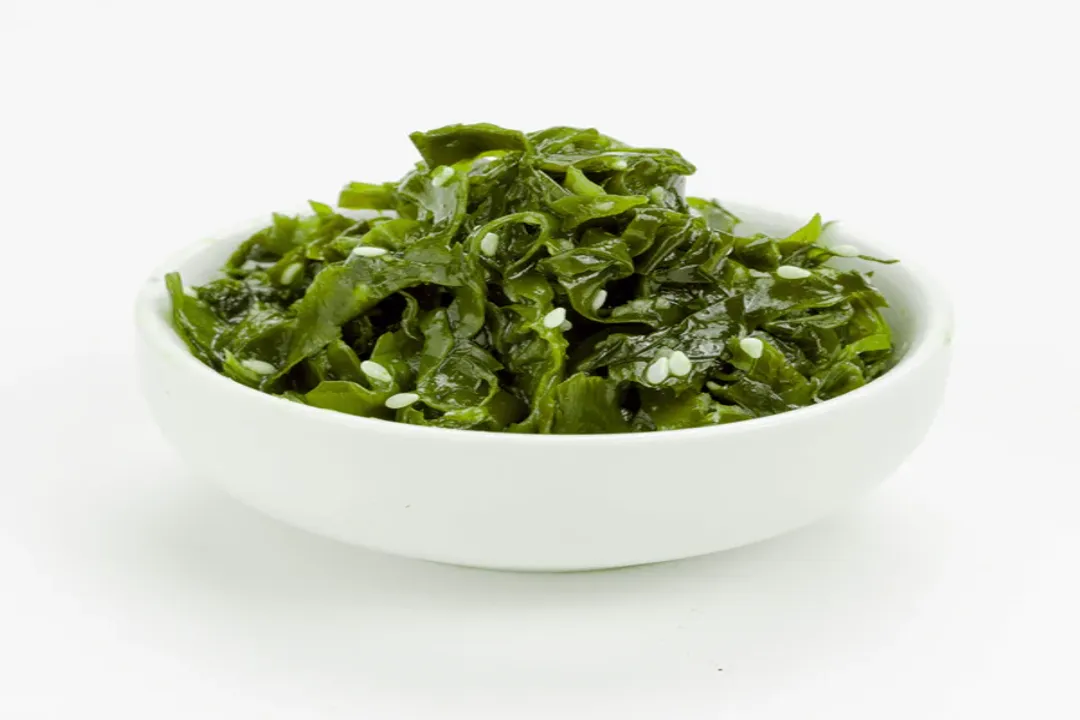
The most frequently cited reason for consuming kelp is its extraordinary iodine content. Iodine is a trace mineral absolutely necessary for the body to produce the thyroid hormones thyroxine (T4) and triiodothyronine (T3). These hormones act as essential regulators for metabolism, growth, and development throughout the body. Given that the thyroid gland requires iodine to function correctly, adequate intake is non-negotiable for good health.
Sources often highlight just how much iodine kelp contains, sometimes noting that a single serving can easily exceed the recommended daily intake (RDI). However, this presents a nuance that readers should consider carefully: the exact amount of iodine present in kelp is highly variable. Different species of kelp, such as Kombu (often used in Japanese cuisine) versus Wakame, contain vastly different concentrations of iodine. Furthermore, how the kelp is processed—dried, cooked, or powdered—can significantly alter its final mineral density. This high variability means that while kelp is an excellent source, relying on it as a sole source without understanding its specific type or quantity can lead to an intake that is either insufficient or, conversely, too high, potentially causing thyroid dysfunction.
# Nutrient Profile

Beyond its well-known mineral contribution, kelp offers a surprisingly broad spectrum of other essential nutrients, making it a truly dense food source. It provides significant amounts of Vitamin K, which is vital for blood clotting and bone health, and Vitamin C, an important antioxidant. Many seaweeds, including kelp, are also known to be good sources of certain B vitamins.
From the mineral side, kelp supplies calcium, which supports skeletal structure, and iron, necessary for oxygen transport in the blood. It also contains manganese and magnesium, both critical for various enzymatic reactions within the body.
| Nutrient Highlight | Primary Role | Source Type |
|---|---|---|
| Iodine | Thyroid Hormone Production | Trace Mineral |
| Vitamin K | Blood Clotting, Bone Health | Vitamin |
| Calcium | Bone Density | Macro Mineral |
| Iron | Oxygen Transport | Trace Mineral |
| Fiber (Alginates) | Digestive Health | Complex Carbohydrate |
When looking at commercially available kelp products, one interesting difference emerges between utilizing kelp in its whole-leaf form versus using finely ground powder. When you consume whole leaves, like in a soup or salad, the fiber matrix of the plant structure might slightly slow the absorption rate of certain minerals. In contrast, a finely milled powder disperses easily, potentially leading to faster initial absorption, though this effect is often minor compared to the raw nutritional density of the raw ingredient. Choosing your form depends on culinary preference and desired texture, but both deliver the nutritional base.

# Gut Health
The fiber content in kelp is a major asset for digestive wellness, often comprising a significant portion of its dry weight. Kelp contains several types of dietary fiber, including soluble fibers like alginates and fucoidans. Alginic acid, a key component, is recognized for its ability to absorb water and form a gel-like substance in the digestive tract.
This gel-forming capacity can be beneficial in promoting regular bowel movements and contributing to a feeling of fullness, which is relevant for weight management goals. Furthermore, these specific types of fibers act as prebiotics—food for the beneficial bacteria residing in your colon. By feeding this healthy microbial population, kelp indirectly supports a balanced gut environment, which has implications extending well beyond mere digestion. When you think about maximizing the gut benefits, remember that consuming kelp alongside water or in liquid-based dishes (like broth) helps the soluble fibers fully hydrate and do their work.
# Metabolic Effects
The positive impact of kelp extends toward supporting healthy metabolic markers, particularly in relation to blood sugar and weight control. The high fiber content is again central to this effect. Fiber, especially soluble fiber, can slow down the rate at which sugars are absorbed into the bloodstream following a meal. This smoothing effect helps prevent the sharp spikes and subsequent crashes in blood glucose that can lead to energy slumps and cravings.
In terms of managing body weight, kelp may assist through two primary mechanisms. First, as mentioned, its fiber volume contributes to satiety—the feeling of being full—which can naturally reduce overall calorie consumption. Second, specific compounds found in brown seaweed, such as fucoxanthin, have been investigated for their potential role in fat metabolism, though much of this research is ongoing and needs further human study. For someone tracking their eating habits, incorporating a small amount of kelp into a regular meal is an easy way to boost fiber intake without adding many calories.

# Cellular Protection
Kelp is also recognized for containing various bioactive compounds that exhibit antioxidant properties. Antioxidants are substances that help neutralize unstable molecules in the body known as free radicals, which can cause oxidative stress and cellular damage over time. While many dark-colored vegetables possess these traits, sea vegetables like kelp contain unique antioxidant profiles.
This protective activity may translate to benefits for the cardiovascular system. Some studies suggest that compounds within kelp might assist in managing cholesterol levels and supporting healthy blood pressure regulation. While eating kelp should never replace prescribed medications or established heart-healthy diets, it offers a valuable dietary addition that supports overall vascular health through its micronutrient and fiber contributions.
# Consumption Limits
Despite the impressive list of benefits, responsible consumption of kelp is paramount due to the very nutrient that makes it famous: iodine. Because kelp is extremely efficient at absorbing minerals from seawater, it concentrates iodine far beyond what is typically found in land plants. Consuming too much iodine can disrupt normal thyroid function, leading to hyperthyroidism or, paradoxically, hypothyroidism in susceptible individuals. If you are already taking thyroid medication or have a known thyroid condition, it is essential to consult a healthcare provider before making kelp a regular part of your diet.
Another consideration involves potential contaminants. Since kelp absorbs substances from the ocean, there is a risk, particularly depending on the harvesting location, that it could accumulate heavy metals like arsenic, cadmium, or lead. Reputable suppliers generally test their products, but this underscores the importance of sourcing kelp from trusted providers who adhere to quality control standards. Finally, because of its nutrient composition, kelp may have mild blood-thinning properties; therefore, individuals on anticoagulant medications should approach kelp consumption cautiously and discuss it with their physician. Moderation, informed sourcing, and awareness of existing health conditions transform kelp from a potential risk into a powerful, beneficial food source.
Related Questions
#Citations
5 Health Benefits of Kelp
Kelp Benefits: Boost Your Health with Seaweed - Healthline
Health Benefits of Kelp - WebMD
What is Kelp and Why Should You Eat It? | North Coast Seafoods
The Benefits of Kelp for Your Hormones and Thyroid - The WAE Clinic
Health Benefits of Kelp - Barnacle Foods
Kelp Nutrition and Health Benefits | Patagonia Provisions
10 Sea Kelp Benefits - Holland & Barrett
Sea Kelp: Nutritional Benefits and Potential Side Effects
What are the health benefits of kelp for women? - A.Vogel