Health Benefits of Hubbard Squash

The large, often ribbed Hubbard squash belongs to the Cucurbita maxima species, placing it firmly in the esteemed family of winter squashes. [7] While specific research tailored solely to the Hubbard variety may be less common than for its more famous cousins like butternut or acorn, understanding the nutritional density of the winter squash category reveals why this particular gourd deserves a frequent spot on the dinner plate. [3][7] These vegetables are celebrated not just for their substantial size and sweet, earthy flavor but for packing a significant punch of essential vitamins, minerals, and protective compounds beneficial to long-term health. [6][8] Incorporating Hubbard squash into your regular rotation is a straightforward way to boost dietary intake of key micronutrients often lacking in modern diets. [1]
# Core Nutrients

Winter squash, and by extension the Hubbard variety, stands out as a powerhouse of certain foundational nutrients. Chief among these are Vitamin A and Vitamin C. [2][4] The vibrant orange hue characteristic of many winter squashes, including the Hubbard, is a direct indicator of high beta-carotene content, which the body converts into Vitamin A. [7] This conversion process is vital, as Vitamin A supports healthy vision and robust immune function. [1][7]
Furthermore, these squashes offer a respectable amount of Vitamin C, an antioxidant that aids in tissue repair and bolsters the body's defense systems. [6] Beyond the vitamins, the mineral profile is equally impressive. They are excellent sources of potassium, a mineral critical for maintaining healthy blood pressure levels by counteracting the effects of sodium. [2][4][7] Magnesium is also present, playing a supporting role in numerous bodily functions, including nerve and muscle control, and DNA synthesis. [2][4][7] It is worth noting that while Hubbard squash is dense, the actual concentration of these elements can vary slightly depending on the specific growing conditions and maturity at harvest, though the overall nutritional character remains consistent within the winter squash group. [1][7]
# Digestive Support
One of the most immediate and tangible benefits derived from eating winter squash is the significant dietary fiber they contribute. [6][7] Fiber is essential for maintaining a healthy digestive tract, promoting regular bowel movements, and preventing constipation. [2][4] In a dietary landscape where many processed foods are notably low in roughage, adding a substantial serving of cooked Hubbard squash can dramatically increase daily fiber consumption. [7]
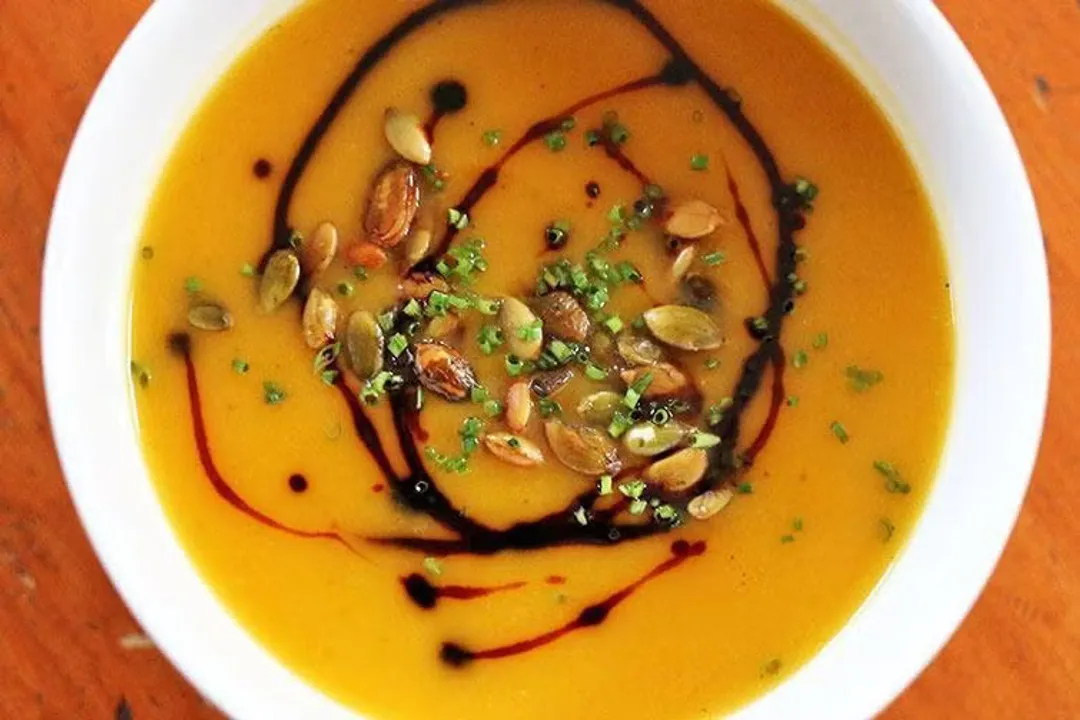
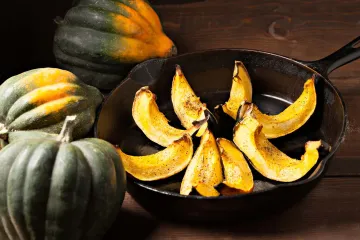
The fiber in squash isn't just about regularity; it also plays a role in satiety. Because high-fiber foods take longer to digest, they help you feel fuller for longer periods, which can be an asset when managing calorie intake. [4] If you find yourself preparing a large batch of roasted Hubbard squash for meal prepping, notice how differently it behaves compared to quick-cooking vegetables. While a quick roast preserves a slight chewiness, slow-roasting or steaming the flesh until it is very soft breaks down the fibers, making it incredibly easy to mash or puree. This contrast in texture—from firm chunks to smooth mash—means the same vegetable can satisfy different textural needs throughout the week, whether you are adding it to a hearty stew or blending it into a creamy soup base. [2]
# Antioxidant Richness
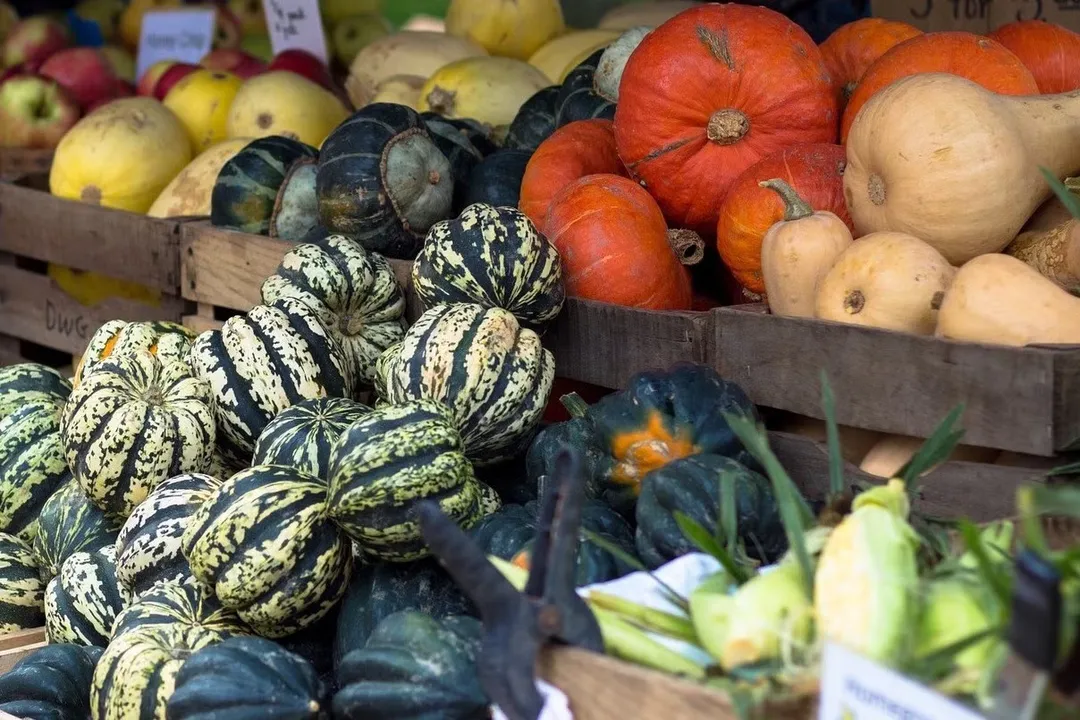
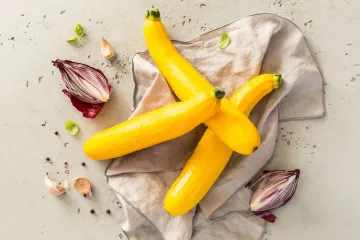
The color of winter squash is a visual cue to its protective chemical makeup. The deep orange and yellow pigments come from carotenoids, which function as powerful antioxidants in the human body. [1][5] Antioxidants are molecules that help neutralize free radicals—unstable compounds that can cause oxidative stress and contribute to chronic disease and aging. [1] While a softer yellow squash variety might offer substantial Vitamin A, the deeper orange Hubbard squash generally boasts higher levels of these protective pigments. [5]
For instance, while all winter squash varieties contribute well, if you compare a standard spaghetti squash to a richly colored Pala'ai squash (another Cucurbita relative), you often see a correlation between the depth of color and the antioxidant capacity. [5] This means that by consistently choosing the deepest-colored Hubbard squash you can find, you are effectively maximizing your intake of these inflammation-fighting compounds. [1] This principle of choosing the most intensely colored produce applies broadly, offering a simple heuristic when navigating the produce aisle looking for maximum nutritional return. [5]
# Bone and Cardiac Health
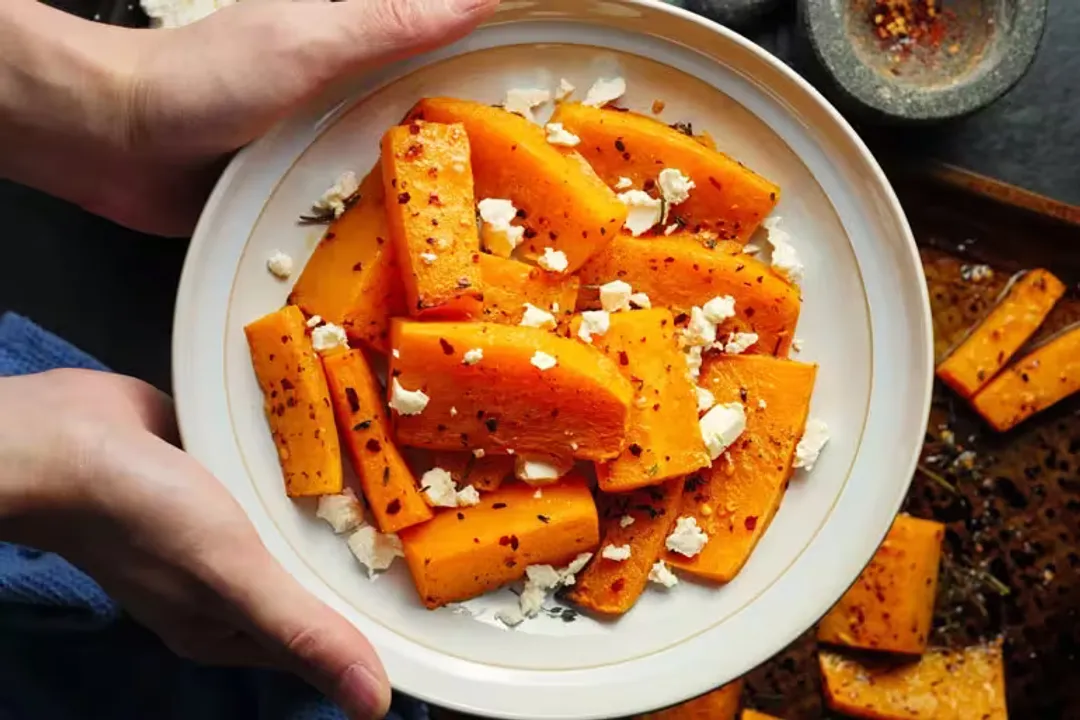
The mineral composition of winter squash extends its benefits beyond immediate digestion and immunity into long-term structural and cardiovascular maintenance. As mentioned, the significant amount of potassium is directly tied to cardiovascular wellness. [2][4] Potassium is an electrolyte that assists in maintaining fluid balance and is essential for proper heart rhythm. By helping to moderate blood pressure, adequate potassium intake is a cornerstone of a heart-healthy diet. [7]
Simultaneously, the presence of magnesium contributes significantly to bone health. [2][4] While calcium often gets the spotlight in discussions about bones, magnesium is crucial for proper bone density and structure, as it helps regulate calcium absorption and utilization. [7] Including foods rich in magnesium, like winter squash, supports the skeletal structure throughout life, complementing other dietary sources of bone-building nutrients. [4]
# Culinary Versatility and Practicality
The Hubbard squash, like many of its winter brethren, is known for its thick rind and dense flesh, which translates to excellent storage capability. [8] This makes it an ideal "superfood" for planning ahead, especially during seasons when fresh, local produce is scarce. [8] Unlike more delicate summer squashes, winter varieties can often be stored for months if kept in a cool, dark place, meaning the nutritional benefits of a large harvest can be spread out over a long period. [7]
When it comes to preparation, whether you roast it, boil it, or use it in baking, the process yields a naturally sweet and satisfying base ingredient. [2] Because of its density, it readily absorbs the flavors of spices and herbs, making it adaptable for both sweet applications (like pies or bread, similar to pumpkin) and savory dishes (like curries or side dishes). [2][3] The high starch content, balanced by the fiber, gives the cooked product a satisfying texture that can even serve as a replacement for potatoes or sweet potatoes in many recipes. [7]
For those looking to make the most of this large vegetable, consider the skin integrity. While the flesh is the main focus, the skin of Hubbard squash is edible once thoroughly cooked—often steamed or simmered until very tender—though its thickness means many people prefer to remove it. [2] Getting that dense, nutrient-packed flesh off the rind efficiently is key; scoring the raw squash before roasting it whole can make the final peeling process significantly easier than tackling it after cooking. [2] This small preparation trick can save considerable time and frustration when processing a large Hubbard squash, ensuring you reap all the edible benefits without undue kitchen struggle.
#Videos
The Nutrition Behind Squash - YouTube
Related Questions
#Citations
6 Health Benefits of Squash
Health benefits of winter squash and ways you can cook them
5 Reasons to Eat More Squash | St. Vincent's Medical Center
Why Winter Squash Is So Good for You - EatingWell
Squash Nutrition and Health Benefits - Hawaii Ulu Cooperative
The Head-to-Toe Health Benefits of Squash | Organic Valley
Winter Squash - The Nutrition Source
Squash Bad Eating Habits with Winter Superfoods
The Nutrition Behind Squash - YouTube