Health Benefits of Cucumber
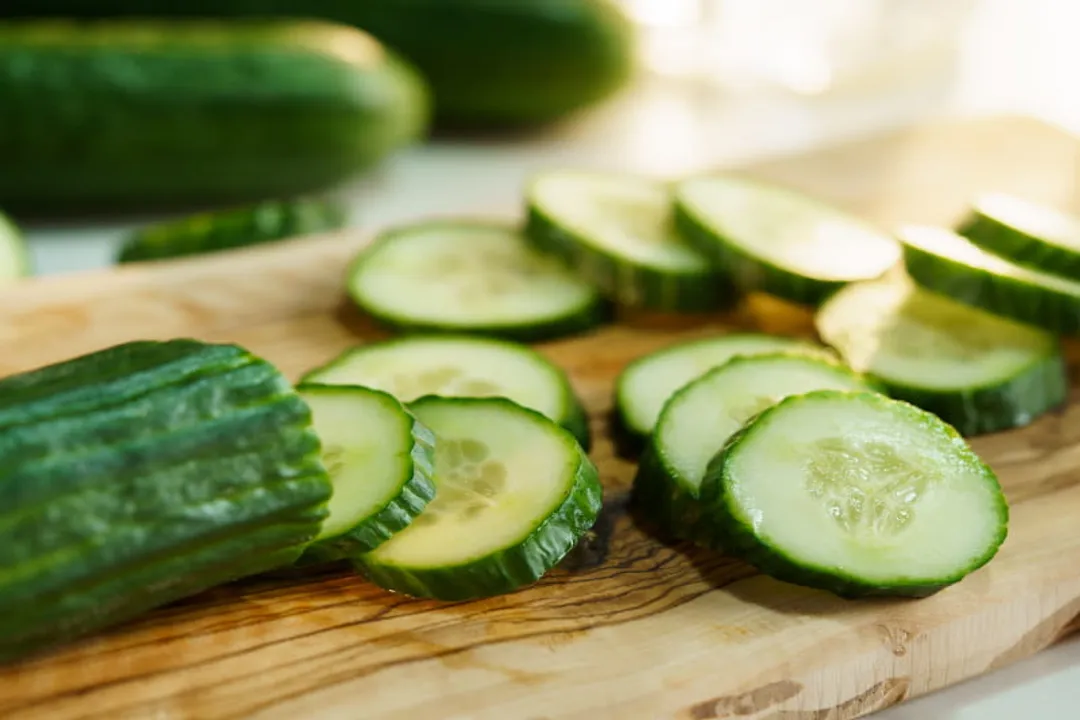
Cucumbers, with their crisp texture and distinctively cool taste, have long been a staple in salads and a symbol of refreshment, dating back to ancient times in places like China, India, Rome, and Egypt. While often treated as a vegetable in the kitchen due to their nutrient profile, botanically speaking, this member of the gourd family—alongside melons and squash—is classified as a fruit because it develops from a flower and contains seeds. Whether you prefer them raw, sliced for a snack, or pickled, understanding their properties reveals that these humble green cylinders offer far more than just a satisfying crunch.
# Hydration Power

The most immediate benefit attributed to cucumbers is their exceptional ability to promote hydration. This is due to their staggeringly high water content, clocking in at approximately 95% water by weight. Water is fundamental to nearly every bodily process, from regulating temperature to ensuring proper nutrient transportation and waste removal. If meeting daily fluid targets through drinking alone feels like a chore, consuming foods like cucumber offers a crunchy alternative to boost overall intake.
It is worth noting that while increasing fruit and vegetable intake is associated with improved hydration status, the way cucumber delivers this fluid offers an added dimension compared to plain water. Because cucumber provides fluids alongside necessary electrolytes, such as potassium, this delivery mechanism supports cellular hydration more effectively than relying solely on water, which is why it is often cited as more hydrating than plain water in scenarios like post-workout recovery. A single medium cucumber can provide around 10 ounces of fluid, making it a genuine contributor to daily needs.
# Nutrient Profile

While their high water content means they are not dense in every nutrient, cucumbers deliver several key vitamins and minerals for very few calories. A whole, unpeeled cucumber contains roughly 45 calories, making it an excellent food choice for weight management strategies. Furthermore, they are naturally low in fat, sodium, and cholesterol.
To maximize the nutritional return on your snack, it is advisable to eat the peel, as removing it reduces the fiber and certain vitamins. A comparison of a 100-gram serving illustrates the density of certain micronutrients:
| Nutrient | Amount per 100g (approx.) | Key Role |
|---|---|---|
| Water | 95.2 g | Hydration & Body Function |
| Calories | 15-16 kcal | Low energy density |
| Vitamin K | 16.4–49 mcg | Blood clotting & Bone health |
| Potassium | 147–442 mg | Blood pressure regulation |
| Vitamin C | 4–8 mg | Immunity & Collagen support |
| Fiber | 0.5–1.5 g | Digestive regularity |
Though cucumbers contain potassium, which is vital for counteracting the effects of sodium and managing blood pressure, one expert pointed out that you would need to consume an entire cucumber to get only about 13% to 17% of the daily needs for men or women, respectively. In contrast, leafy greens like kale offer significantly more of this mineral. However, the Vitamin K content is quite substantial, with one whole, unpeeled cucumber potentially supplying over 40% of an adult's daily needs.

# Antioxidant Shield

Cucumbers house various bioactive compounds, including beneficial antioxidants that help the body fend off cellular damage. Antioxidants function by blocking oxidation, a chemical process that generates free radicals—highly reactive atoms that cause oxidative stress. This accumulated stress is linked to the development of chronic conditions such as cancer and heart and autoimmune diseases.
The specific antioxidant compounds found in cucumbers include flavonoids and tannins. Furthermore, they contain lignans, which are polyphenols that possess potential anti-cancer properties, specifically noted for protective effects against colorectal and post-menopausal breast cancers. Perhaps most significantly, cucumbers contain Cucurbitacin B (CuB), a plant compound that research indicates may help halt the growth of, or even destroy, cancer cells in laboratory settings, with attention paid to its potential effect on prostate, lung, liver, and breast cancers.
# Heart Health
The combination of nutrients in cucumbers provides several avenues for supporting the cardiovascular system. For blood pressure control, the high potassium and low sodium profile creates a beneficial balance, as potassium helps mitigate the effects of dietary sodium, easing the burden on the cardiovascular system.
Beyond blood pressure, the fiber present in cucumbers has been shown to assist in reducing LDL, or "bad," cholesterol levels, which in turn lowers the risk of heart disease. Additionally, the aforementioned CuB compound may play a protective role against atherosclerosis, which is the problematic buildup of fatty deposits inside the artery walls.
# Gut Function
A healthy digestive system relies on adequate fluid intake and fiber, both of which cucumbers supply. Dehydration is a recognized contributor to constipation because it negatively impacts the body's water balance, making stool passage difficult. By contributing significant water, cucumbers help maintain stool consistency and promote regularity.
The fiber content is also helpful, particularly the soluble fiber known as pectin, which can increase how frequently you have a bowel movement. In one study involving pectin supplementation, the fiber was found to speed up intestinal muscle movement while simultaneously nourishing beneficial gut bacteria. It is also suggested that cucumber seeds have a mild laxative effect, and the vegetable’s overall properties may act as an anti-inflammatory agent in the stomach, potentially easing acidity and gas.
If you are planning a salad where you do not want the cucumber slices to release too much water and dilute your dressing, try a quick preparation step: soak the washed and sliced cucumbers in salt water for a short time before adding them to your greens. This simple technique can draw out excess moisture, ensuring your final dish retains its intended flavor profile.
# Bone Maintenance
For structural integrity as we age, Vitamin K is a critical component, and cucumbers are a strong source of it. Vitamin K is essential for the process of blood clotting, but it also plays a key role in bone metabolism, encouraging bone formation and helping the body properly absorb calcium. Insufficient Vitamin K intake is associated with reduced bone mineral density, increasing the risk of fractures and osteoporosis. The small amounts of calcium and magnesium found in cucumbers work alongside Vitamin K to support strong bone structure.

# Skin Care
The soothing reputation of cucumbers, often seen when slices are placed over tired eyes, is supported by their composition. The high water content contributes to skin moisturization, keeping it supple. Furthermore, the presence of Vitamin C is beneficial because it is necessary for the body to produce collagen, a protein that supports skin structure and wound healing.
Cucumbers are traditionally applied topically to reduce irritation, swelling, and the sting of sunburn. Their antioxidant content, including Vitamin C and compounds like caffeic acid and flavonoids, provides anti-inflammatory effects that can help soothe minor skin injuries.
# Cuke Cautions
While overwhelmingly beneficial, consuming cucumbers does come with a few points for consideration to ensure the experience remains positive.
# Residue and Wax
One common concern relates to conventionally grown produce. Cucumbers have historically appeared on lists of produce with higher pesticide residue levels. Growers often apply a wax coating to maintain shelf stability, but this wax can trap germs. While washing with running water can reduce residue by about 51%, completely removing the peel eliminates up to 93% of residues. If choosing organic sourcing isn't feasible, the choice becomes balancing the retention of fiber and Vitamin K (found primarily in the peel) against minimizing residue exposure.
# Potential Drug Interactions
Because cucumbers are relatively high in Vitamin K, individuals taking blood-thinning medications, such as Warfarin, must avoid making sudden or dramatic changes to their cucumber intake without consulting a physician, as Vitamin K influences blood clotting. Similarly, due to their documented effects on blood sugar management, those on diabetes medication should monitor intake carefully.
# Sensitivities and Reactions
For a small population, cucumbers can trigger allergic reactions, sometimes related to ragweed sensitivity via cross-reactivity, leading to Oral Allergy Syndrome (OAS). Symptoms like swelling or hives require attention. Additionally, the plant compounds called cucurbitacins, which give some cucumbers a bitter taste, can cause digestive discomfort like gas or bloating in sensitive individuals; in these cases, removing the skin may alleviate symptoms. It is important to remember that while the concentration of these compounds in everyday cucumbers is low, extremely bitter cucumbers should be avoided as some cucurbitacins can be toxic in high amounts.
# Versatile Eating
The mild flavor profile of the cucumber makes it exceptionally versatile in the kitchen, allowing it to complement many dishes without overpowering them.
Simple additions include:
- Slicing them into wraps, sandwiches, or grain bowls.
- Dipping raw slices into hummus or a light dressing.
- Blending them into smoothies or juices for a nutrient boost.
- Spiralizing them as a low-carb replacement for pasta noodles.
- Mixing them into chilled soups, like gazpacho, with tomatoes and bread crumbs.
For storage, whole cucumbers generally fare best in the refrigerator's crisper drawer for up to a week or ten days, especially if they have a shiny wax coating applied post-harvest. If you find yourself cutting more than you can eat at once, storing the slices submerged in water within a sealed container in the fridge can help maintain their crispness. If you notice cucumbers at the market are yellow, wrinkled at the ends, or have puffy spots, it is best to skip them, as these are signs of overripeness. Look instead for firm, medium to dark green specimens.
Cucumbers are a delicious way to boost daily hydration, support your body with antioxidants, and add pleasing texture to meals. By keeping the peel on and being mindful of what you pair them with—especially when turning them into pickles—you can easily integrate this naturally cool and beneficial fruit into a healthy routine.
Related Questions
#Citations
6 Health Benefits of Eating Cucumber - Healthline
Are Cucumbers Good for You? - Health Cleveland Clinic
Cucumbers are trendy, but how healthy are they?
Health Benefits of Cucumber That Go Beyond Hydration - YouTube
6 Health Benefits of Cucumbers, Plus Facts and Nutrition
Health Benefits of Cucumber - WebMD
12 Cucumber Benefits: Nutrition, Hydration & More (plus Recipes)
5 health benefits of cucumber - BBC Good Food
Cucumbers: Health benefits, nutritional content, and uses
12 Health Benefits of Cucumber: Nutritional Value