Health Benefits of Field Cucumber

The simple cucumber, often relegated to the side of a salad plate or used purely for its cooling effect, actually packs a surprising punch when it comes to supporting overall well-being. Though it is frequently mistaken for a vegetable, botanically speaking, the field cucumber is a fruit, and its high water content makes it an ancient staple for hydration and refreshment. [1][2] Whether sliced thin in ice water or blended into a cooling soup, incorporating this crisp item into your daily routine offers benefits ranging from improved digestion to support for healthy skin. [3][7]
# Hydration Power

The most immediate benefit derived from consuming cucumbers is their exceptional hydration capability. [1][2] Cucumbers are made up of about 95% water. [1][7] This high percentage means that eating them contributes significantly to your daily fluid intake, which is essential for nearly every bodily function, including temperature regulation, nutrient transport, and waste removal. [2][5] For individuals who struggle to drink plain water throughout the day, snacking on cucumbers offers a delicious, natural way to stay topped up on fluids. [1] This is particularly valuable during warmer months or after periods of physical exertion when fluid loss is accelerated. [4]
It is interesting to note the subtle difference in approach different health outlets take: some emphasize the water content as a direct substitute for plain water intake, [1] while others frame it in the context of general healthy eating habits, like a low-calorie snack alternative. [3]
# Nutrient Profile

While cucumbers are predominantly water, they still deliver a respectable amount of vitamins and minerals for very few calories. [1][3] A single serving, such as one-third of a medium cucumber, contains only about 16 calories. [1] This makes them an excellent choice for weight management strategies. [5]
Key nutrients found in the cucumber flesh and skin, often eaten together for maximum benefit, include:
- Vitamin K: Essential for blood clotting and maintaining bone health. [1][7]
- Vitamin C: A well-known antioxidant that supports the immune system. [1][7]
- B Vitamins: Such as folate and vitamin B6, important for energy metabolism. [1]
- Potassium: This electrolyte helps balance fluids and can support healthy blood pressure levels. [1]
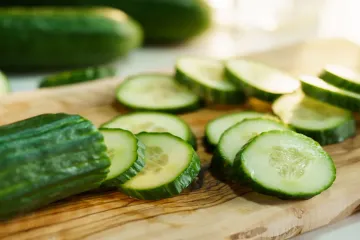
One point often highlighted across nutritional analyses is the superior nutrition found in unpeeled cucumbers. [1][8] The peel contains a significant portion of the fiber and many of the beneficial antioxidants. [1] If you are purchasing field cucumbers specifically for their nutrient density, aim to eat the skin after a thorough wash. A simple, actionable tip here is to prepare a large pitcher of water and add cucumber slices along with mint; this preparation maximizes the water's flavor contribution while ensuring you consume the beneficial compounds from the peel in the infused water. [4]
# Antioxidant Richness

Cucumbers contain several potent antioxidants that help combat oxidative stress in the body. [1][7] Oxidative stress, caused by unstable molecules called free radicals, is linked to chronic diseases and aging processes. [1][9]
The primary antioxidant compounds associated with cucumbers include flavonoids and tannins. [1] These compounds are thought to help neutralize free radicals, thereby offering protection to cells. [1][7] While they might not contain the massive concentrations found in superfoods like berries, their regular, low-calorie consumption contributes to the overall antioxidant load your body receives daily. [3] This steady input is often more practical for long-term health than sporadic high doses of any single nutrient. [9]
# Digestive Support
The combination of high water content and dietary fiber contributes positively to digestive health. [1][3][5] Fiber, found mostly in the skin and seeds, adds bulk to stool, which helps keep bowel movements regular and can prevent constipation. [1][7]
When comparing the hydration aspect versus the fiber aspect, it is clear that the field cucumber excels at both, providing lubrication via water and structure via fiber. This dual action is particularly effective. [5] A comparison point often arises when looking at other vegetables; for instance, celery is high in water but lower in fiber compared to the cucumber skin, making the cucumber a unique source that addresses both dryness and bulk in the digestive tract. [7]
# Skin Benefits
Long before cucumbers were popular in juice cleanses, they were famous as a topical treatment for skin soothing, and science suggests there is a basis for this tradition. [9] While most sources focus on eating cucumbers for internal benefits, there is significant overlap with topical application, especially concerning inflammation reduction and moisturizing. [9]
The cooling effect, attributed to the high water content and low temperature when refrigerated, can help reduce puffiness, especially around the eyes. [9] Furthermore, the presence of antioxidants and anti-inflammatory compounds may offer minor protective benefits against skin damage when consumed regularly. [9] This internal maintenance supports the skin's overall barrier function and appearance. [3] For those who find cucumber slices effective for tired eyes, remember that the peel contains many of the beneficial compounds that can contribute to this soothing effect. [1]
# Blood Sugar Management
Incorporating cucumbers into the diet may play a supportive role in maintaining healthy blood sugar levels, particularly because of their low glycemic index and high water/fiber content. [1][5] Foods low on the glycemic index cause a slower, more gradual rise in blood sugar after eating, which is crucial for metabolic health. [5]
While cucumbers are not a primary diabetes treatment, their nutritional profile positions them as an excellent choice for people monitoring their carbohydrate intake. [5] They can be used as a high-volume, low-calorie substitute for starchier vegetables in many meals. [3]

# Considerations for Growing and Sourcing
For those interested in maximizing freshness and nutritional value, growing cucumbers locally offers distinct advantages. [4] Homegrown field cucumbers, often harvested at peak ripeness, may offer a superior flavor and nutrient profile compared to those shipped long distances. [4] When you control the growing environment, you also control the inputs, potentially leading to a cleaner product, though one must still be vigilant about common garden pests and proper feeding. [4]
A practical step for home growers is understanding maturity. Cucumbers picked too early might lack full flavor, while those left on the vine too long can become tough and seedy. [4] This relates back to the nutritional goal: letting the fruit mature enough to develop its full complement of vitamins and antioxidants is key, which usually corresponds with optimal eating quality when picked at the right stage. [1]
# Analyzing Components: Seeds and Cucurbitacins
When examining the whole fruit, it is important to note the role of the seeds and the presence of compounds called cucurbitacins. [7] Cucurbitacins are naturally occurring compounds that give bitter-tasting squashes and cucumbers their defense mechanism against pests. [7] In cultivated cucumbers, these are usually bred out, resulting in a sweet taste. [7] However, if a cucumber tastes excessively bitter, especially near the stem end, it is due to a higher concentration of these compounds. [7] While extremely high levels can cause digestive upset, the amounts in standard grocery store or garden cucumbers are generally safe and even associated with some potential anti-cancer properties in preliminary research. [7]
The seeds themselves are edible and contain much of the fiber and healthy fats found in the fruit. [1] Many commercial cucumbers are "seedless" varieties, but eating the small, soft seeds present in standard varieties adds to the overall dietary benefit without requiring extra effort. [5]
# Weight Management Aid
The qualities that make the cucumber excellent for hydration also make it a star player in weight management programs. [3][5] Because they are mostly water and fiber, they provide significant satiety—the feeling of fullness—for very few calories. [1][5]
Consider this simple replacement strategy: If you typically eat a handful of chips or crackers as an afternoon snack (perhaps 150-200 calories), substituting that with two full cups of sliced cucumber (around 30-40 calories) creates a deficit of over 100 calories with zero reduction in snack volume. [3] This kind of substitution, when performed consistently across multiple daily eating occasions, is far more sustainable than restrictive dieting because it focuses on adding high-volume, low-energy-density foods rather than removing favorite foods entirely. The mild flavor also makes it versatile enough to fit into almost any dietary plan without clashing with main meal tastes. [8]
# Comparing Field vs. Greenhouse Varieties
While the sources generally refer to cucumbers broadly, the "field cucumber" implies a variety grown outdoors, often subject to more natural growth cycles compared to greenhouse varieties. [4] Field-grown produce may sometimes be perceived as having a slightly tougher skin or a more pronounced flavor profile compared to the often seedless, thinner-skinned English (greenhouse) types. [1] From a nutritional standpoint, however, the differences are usually negligible provided both are harvested at their prime. The key takeaway across all types remains consistent: the skin is where much of the nutritional density resides. [1][8] If you are eating a typical waxed, store-bought cucumber, you might be missing out on some of the fiber and nutrients that the peel contains, which is why thoroughly washing and consuming the peel is so important, regardless of where it was grown. [1][3]
# Practical Integration Tips
To move beyond just salads, here are a few ways to seamlessly integrate more cucumber into your day, drawing on its properties:
- The Freezer Trick: Freeze thin cucumber rounds. They make excellent, nearly flavorless additions to smoothies instead of ice, preventing dilution while maximizing the cooling effect. [2]
- Savory Dips Base: Instead of only using yogurt or sour cream as a base for dips, blend cucumber directly into the base. This lightens the calorie load of dips like tzatziki or homemade ranch, increasing the volume you can enjoy. [8]
- Quick Pickling: Due to their firm texture, cucumbers hold up well to quick pickling in vinegar, water, and spices. This method preserves them briefly and adds an extra layer of flavor complexity without adding significant calories, offering a tangy, crunchy snack alternative. [5]
These integration methods respect the cucumber's primary attributes—hydration and low caloric density—while offering novel ways to consume them beyond the standard raw slice. [3][7]
# Mineral Content
Beyond the vitamins, the mineral content of cucumbers is noteworthy, especially regarding magnesium and manganese. [1] Magnesium is involved in hundreds of biochemical reactions in the body, including muscle and nerve function. [1] Manganese is a trace mineral important for bone formation, metabolism, and antioxidant defense. [1] While these minerals are present in smaller amounts than in, say, spinach or nuts, their inclusion in a daily water-rich food source helps contribute to overall micronutrient sufficiency. [7]
In summary, the field cucumber stands out not for dominating one single nutritional category, but for providing an excellent balance of hydration, minimal calories, fiber, and essential micronutrients. [2][5] It’s a foundational food that supports the body’s basic maintenance systems quietly and effectively. [1]
Related Questions
#Citations
6 Health Benefits of Eating Cucumber
Are Cucumbers Good for You?
6 Health Benefits of Cucumbers, Plus Facts and Nutrition
Reap the health benefits of cucumbers by growing them ...
Health Benefits of Cucumber
Health Benefits of Cucumber That Go Beyond Hydration
Cucumbers: Health benefits, nutritional content, and uses
5 health benefits of cucumber
EVALUATING THE POTENTIAL BENEFITS OF ...
7 Health Benefits of Eating Cucumber - Blog |