Health Benefits of Cempedak
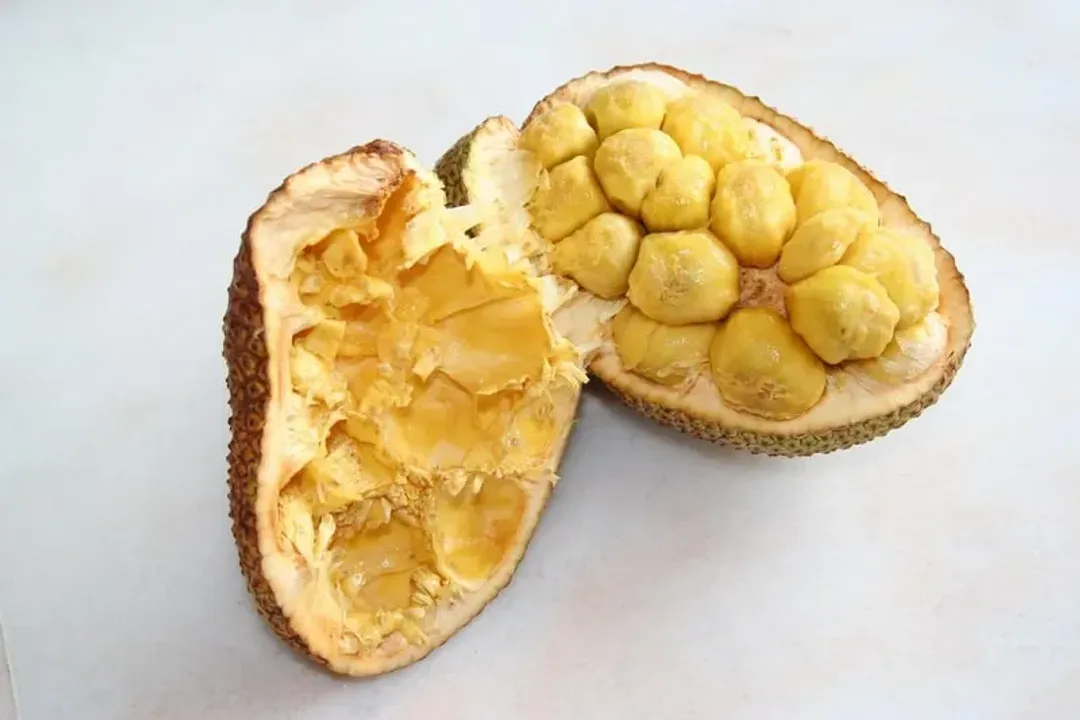
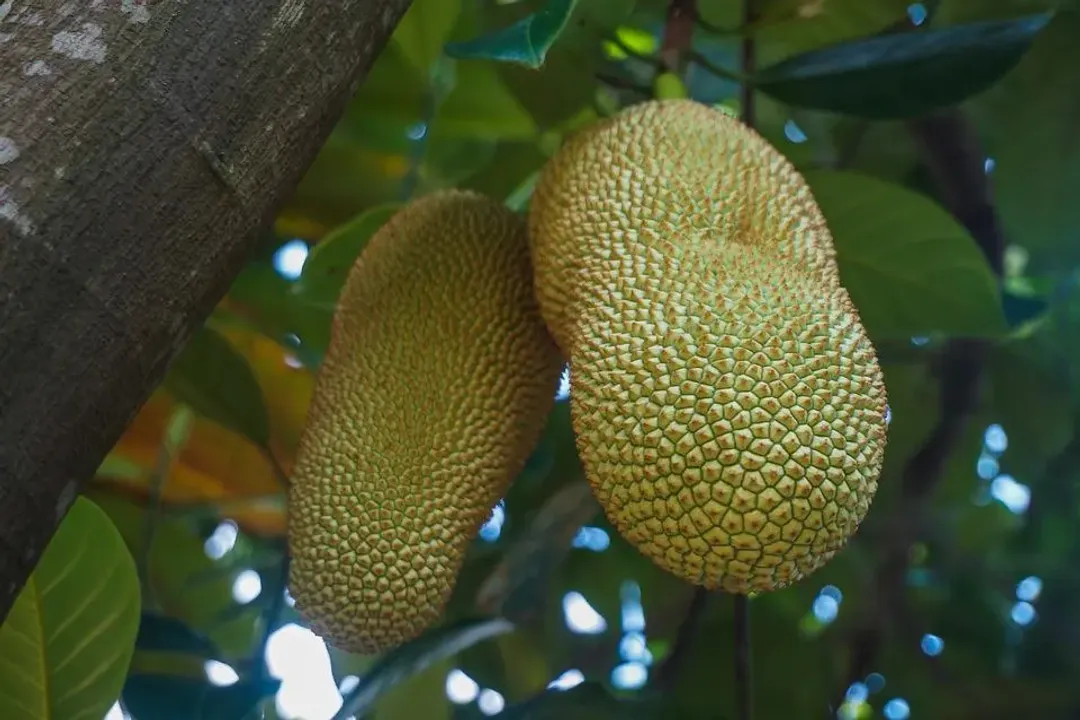
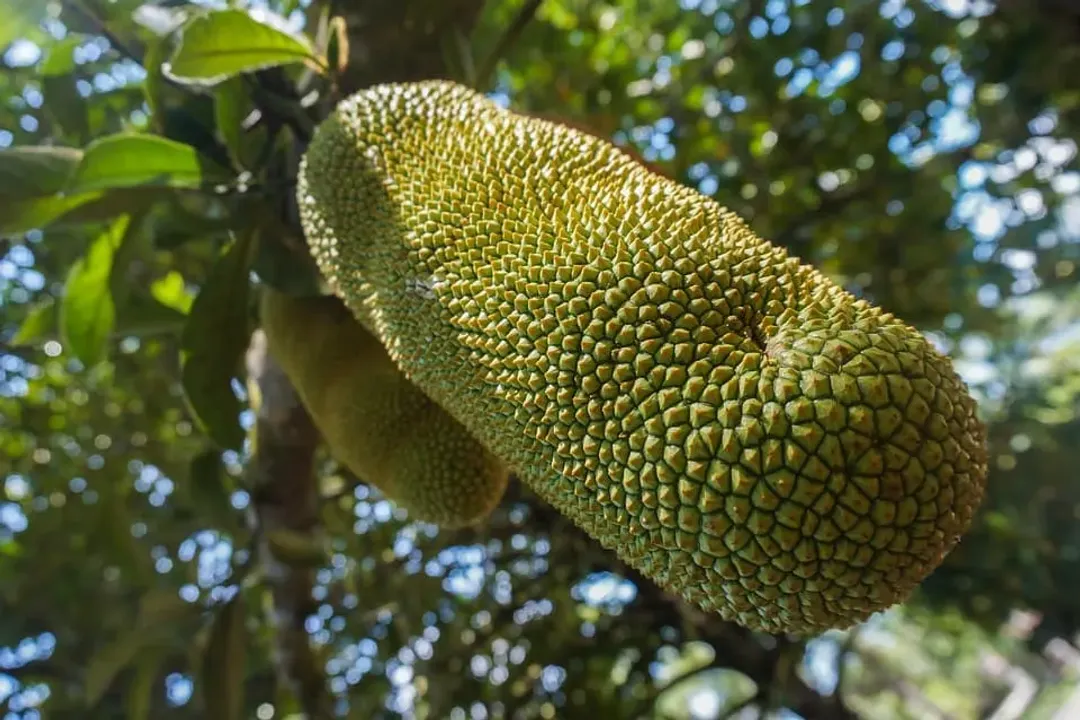
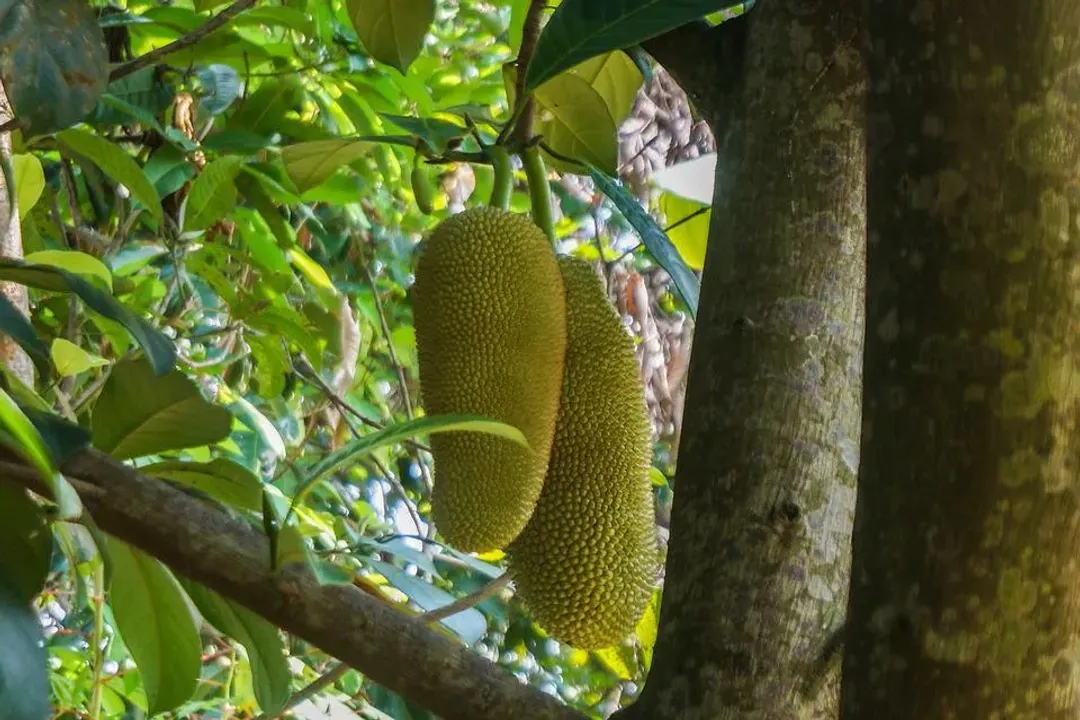
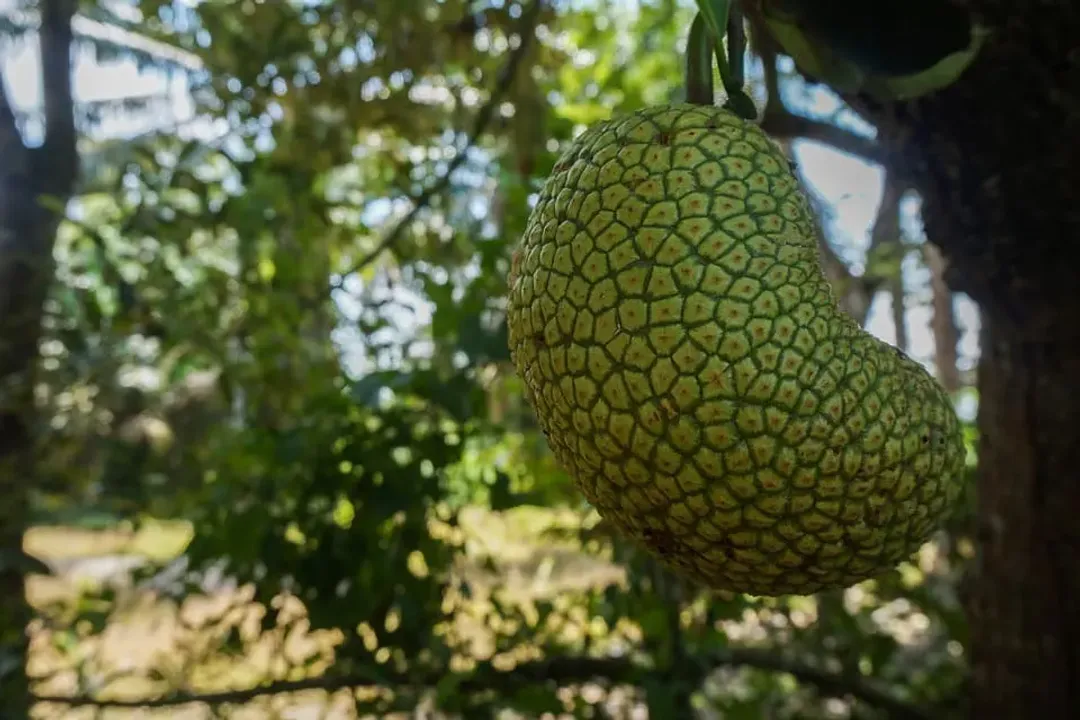
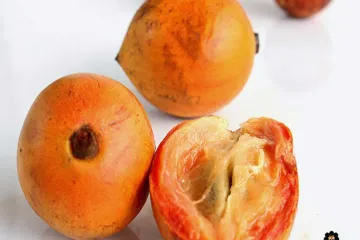
The cempedak, scientifically cataloged as Artocarpus integer, occupies a curious niche in the world of tropical fruits. Often affectionately, or perhaps humorously, referred to as "jackfruit's ugly cousin," this fruit shares ancestry with both jackfruit and breadfruit, all belonging to the Moraceae family. Native to the lowlands and mountain forests of Southeast Asia, particularly Malaysia and Indonesia, it thrives in tropical environments where water is plentiful. While its exterior may be spiky and its powerful odor often draws comparisons to the infamous durian, those who venture past the aroma discover a flavor profile that fuses sweet, fruity, and musky notes, sometimes likened to a mix of banana, pineapple, and mango.
This unique presentation—a strong scent giving way to a creamy, sweet flesh—hints that cempedak is more than just a regional delicacy; it carries a wealth of nutritional advantages that warrant closer examination.
# Core Nutrients
To appreciate the health merits of cempedak, we must first look at what it offers by weight. The fruit presents as an energy-dense choice, providing calories primarily from carbohydrates, but importantly balanced by significant contributions of fiber and protein, while keeping fat content relatively low.
Specific breakdowns show variation, but the consistent theme is nutritional density. For a 100-gram serving, one source notes approximately 103 calories, with 27 grams of carbohydrates and decent amounts of protein and fiber. Another detailed breakdown suggests slightly different macro figures, listing around 117 Kcal, 25.8 grams of carbohydrates, 3.4 grams of fiber, and only 0.4 grams of fat. Crucially, it is also confirmed to be a cholesterol-free food.
Beyond the basics, cempedak is a notable source of essential micronutrients. It supplies a good measure of Vitamin C, vital for immune function, and is rich in potassium, a mineral known for its role in cardiovascular regulation. The fruit also contains Iron and Calcium, contributing to blood health and bone structure, respectively. Furthermore, it includes B vitamins, such as thiamine, riboflavin, and niacin, which are integral to the body’s energy conversion processes.
# Heart Wellness
One of the most frequently cited advantages of regular cempedak consumption centers on supporting the cardiovascular system. This benefit stems from a synergy of its components. The high concentration of potassium actively works to counteract sodium's effects, thereby helping to manage and lower blood pressure, a key factor in reducing the risk of hypertension.
The presence of dietary fiber, Vitamin C, and various antioxidants further fortifies the heart. These compounds work to maintain healthy blood vessels and have been linked to lower circulating cholesterol levels. For those seeking to manage their lipid profile through diet, incorporating a fruit that is naturally cholesterol-free while packing these supportive elements is a practical step.

# Digestive Tract
The fiber content, which registers significantly in the nutritional data, is a major contributor to digestive health. Dietary fiber ensures proper gut motility, encouraging regular bowel movements and acting as a preventative measure against constipation. Beyond regularity, specific compounds within the Artocarpus genus show promise internally. Research suggests that Artocarpus xanthone, found in cempedak, may possess gastroprotective qualities, offering support in the healing of digestive tract ulcers. A healthy, well-functioning gut is the foundation for efficient nutrient absorption, making this aspect foundational to overall wellness derived from the fruit.
# Metabolic Stability
For individuals monitoring their blood sugar, cempedak offers a considerable advantage over many other sweet fruits or processed snacks. It is noted for having a low glycemic index (GI). This low GI designation means that the natural sugars—like glucose and fructose—it contains are released into the bloodstream more gradually. This slow release is largely facilitated by the fruit's fiber content, which delays sugar absorption, thereby preventing the rapid insulin spikes that are a concern for those managing diabetes or seeking sustained energy. This makes cempedak a suitable choice for those looking for a sweet treat without the immediate metabolic aftermath of high-sugar items.
# Defense Systems and Bioactive Compounds
Cempedak acts as a nutritional bodyguard due to its abundance of protective substances. The fruit is packed with antioxidants, including flavonoids and carotenoids. These compounds are essential for neutralizing harmful free radicals, which cause oxidative stress, a process linked to aging and the development of chronic conditions such as heart disease and certain cancers.
The fruit harbors specific, potent compounds that have drawn attention in medicinal contexts. For instance, compounds named heteriflavon C and artioindonesianidin, found in both the fruit and the bark, have been investigated for their potential role in the prevention and treatment of malaria, including eliminating the parasites themselves. Furthermore, the presence of bioflavonoids has been associated with the ability to alleviate symptoms related to tumor diseases, although research in this area remains ongoing.
When considering an everyday boost to the body's internal defenses, the Vitamin C content is key, as it aids in the production of white blood cells necessary for fighting off common infections.
# Utilizing the Whole Fruit
The utility of the cempedak extends well beyond simply eating the sweet, fleshy arils raw. This fruit showcases remarkable versatility in the kitchen and beyond.
The ripe arils are delicious eaten fresh, but they can also be deep-fried or grilled, offering diverse textures. For those seeking a nutritional powerhouse smoothie, the flesh blends well with coconut milk. Even the unripe fruit can be incorporated into meals, functioning as a vegetable in local curries or mixed salads. The seeds, which are smaller than their jackfruit counterparts, are also edible but require preparation. They can be boiled or roasted until tender.
A practical note for those new to preparing tropical seeds: The warning often associated with jackfruit seeds—containing antinutrients like tannins when raw—should be heeded here. Heat is necessary to break down these compounds and ensure the best nutrient availability. For cempedak seeds, a quick boil for about 10 minutes followed by steaming for another 10 to 15 minutes renders them tender and ready for seasoning. Thinking of them like chestnuts or larger beans that must be cooked before consumption simplifies their preparation and maximizes safety.
Even the often-discarded skin has culinary value. When processed by peeling and soaking the skin in brine to soften it, it can then be deep-fried to create a distinct food product known regionally as mandai.
# External Applications and Structure
The nutrient density of cempedak also offers benefits that manifest externally, particularly for skin and hair health. The high Vitamin C content is crucial here, as this vitamin stimulates collagen production, which maintains skin elasticity and strengthens hair strands, potentially preventing breakage. Combined with its array of antioxidants, cempedak helps shield skin cells from oxidative damage caused by environmental aggressors like UV rays and pollution, leading to a more radiant complexion. The magnesium content has also been suggested to aid in promoting better sleep quality by encouraging muscle relaxation.
On the structural side, the Artocarpus integer tree itself is valued for more than just its fruit. Its wood is noted for being strong and highly resistant to termites, making it a preferred raw material for constructing household utensils, small boats, and even houses in some regions. Additionally, the tree’s bark is used in the production of a natural yellow dye.
# Sustained Energy and Low Calorie Density
For those focused on physical activity or weight management goals, cempedak serves a dual purpose. As a natural energy source, the fruit provides quick fuel via its natural sugars, making it an excellent choice for a midday lift or pre-exercise replenishment. Because the fiber helps slow sugar absorption, this energy release is more sustained, helping to avoid the sharp crash associated with simple sugars.
This fruit supports weight management goals by promoting satiety. The combination of high fiber and significant water content helps you feel full sooner and stay satisfied longer, naturally curbing the impulse to overeat while still delivering necessary nutrients.
If you find yourself looking for a naturally sweet snack that supports your heart, aids digestion, and offers a slow release of energy rather than a spike, cempedak stands ready as a compelling option from the tropical orchard. Simply remember that its rich profile is best accessed when the fruit is enjoyed ripe, and its seeds are always cooked first.[1][4][5]
Related Questions
#Citations
Top 15 Health Benefits of Cempedak | Mega We Care
Health Benefits of Cempedak - Medindia
3 Benefits of Cempedak Fruit For Health - Steemit
Jackfruit Seeds: Nutrition, Benefits, Concerns, and Uses - Healthline
Cempedak Fruit - Essential Guide To A Weird Exotic Fruit