Health Benefits of Borage
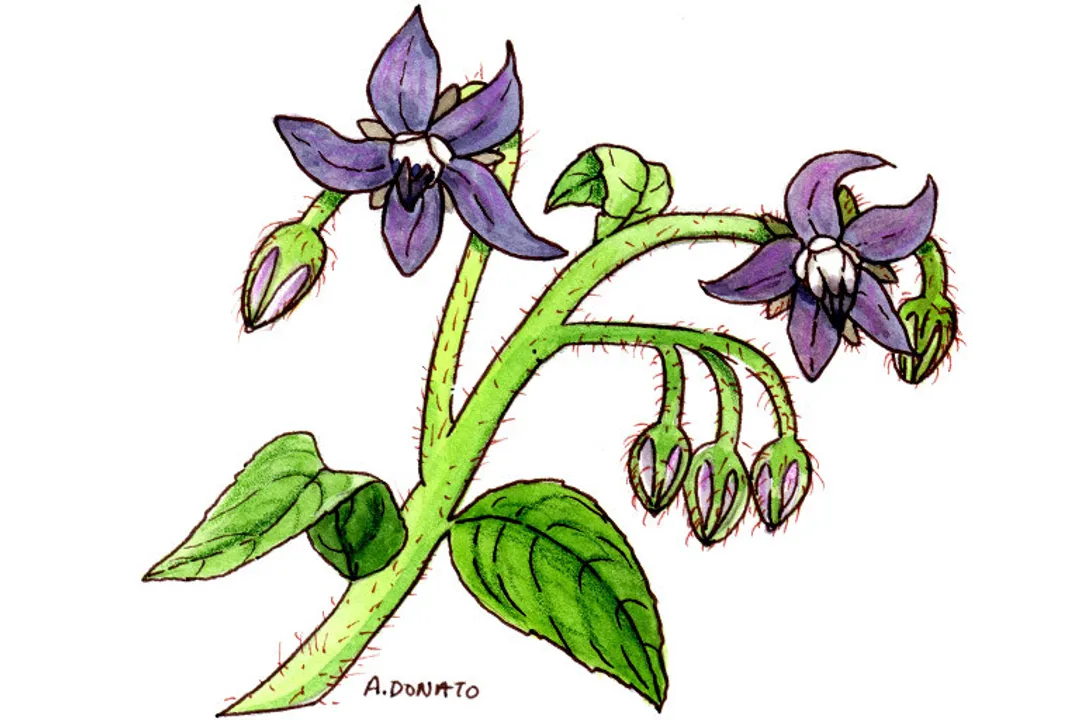
The vibrant blue, star-shaped flowers of borage (Borago officinalis) often catch the eye in gardens, but this Mediterranean native has been known for much longer than its ornamental appeal. Historically, borage has found its way into both culinary traditions and various folk remedies. While the fresh leaves and flowers offer a unique culinary addition, much of the contemporary interest in borage centers specifically on the oil extracted from its seeds, which contains potent, beneficial compounds. Understanding the difference between consuming the plant directly and using its oil is key to appreciating its potential health contributions.
# GLA Profile
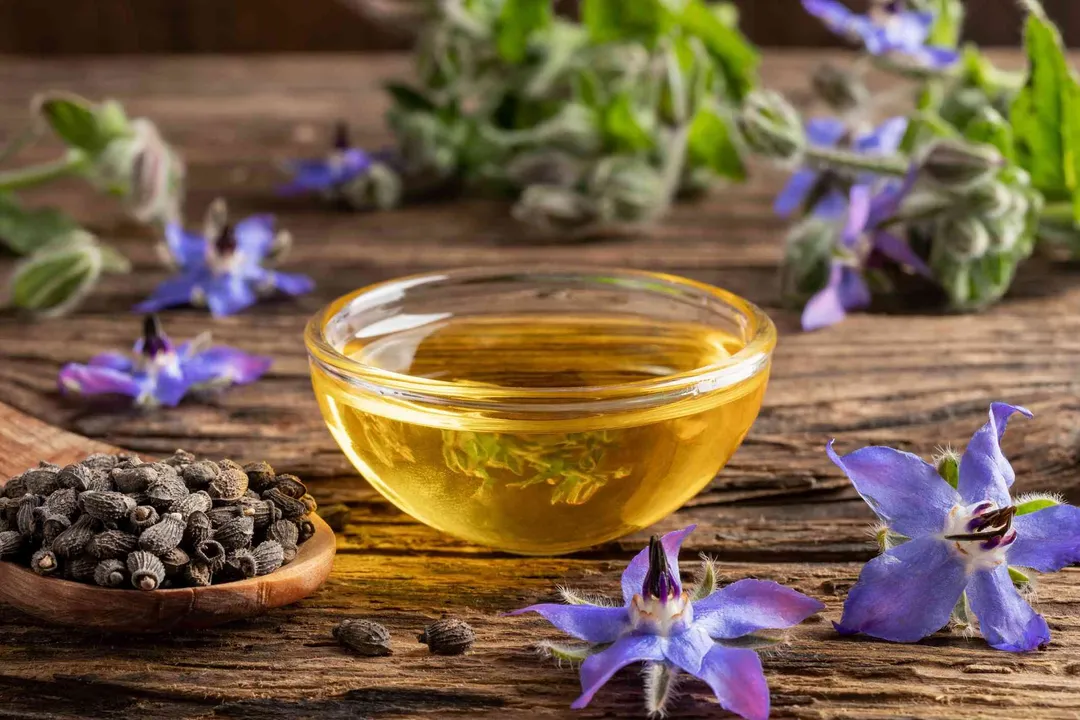
The primary reason borage garners attention in nutritional science is the concentration of gamma-linolenic acid (GLA) found in its seed oil. GLA is a type of omega-6 fatty acid, which, unlike some other omega-6s, is associated with anti-inflammatory effects. Our bodies can synthesize GLA, but efficiently converting the precursor linoleic acid into GLA can sometimes be challenging due to various metabolic factors or aging. Borage seed oil serves as a direct, rich source of this essential component.
While GLA is the focus, it is important to recognize its place in the broader fatty acid landscape. Most Western diets contain an excess of standard omega-6s, often leading to inflammation, but GLA appears to possess unique properties that modulate this response. It functions as a precursor to compounds like dihomo-gamma-linolenic acid (DGLA), which plays a role in regulating inflammatory processes in the body. This specific biochemical pathway is what separates borage seed oil from standard vegetable oils high in less beneficial omega-6s.
# Eczema Relief
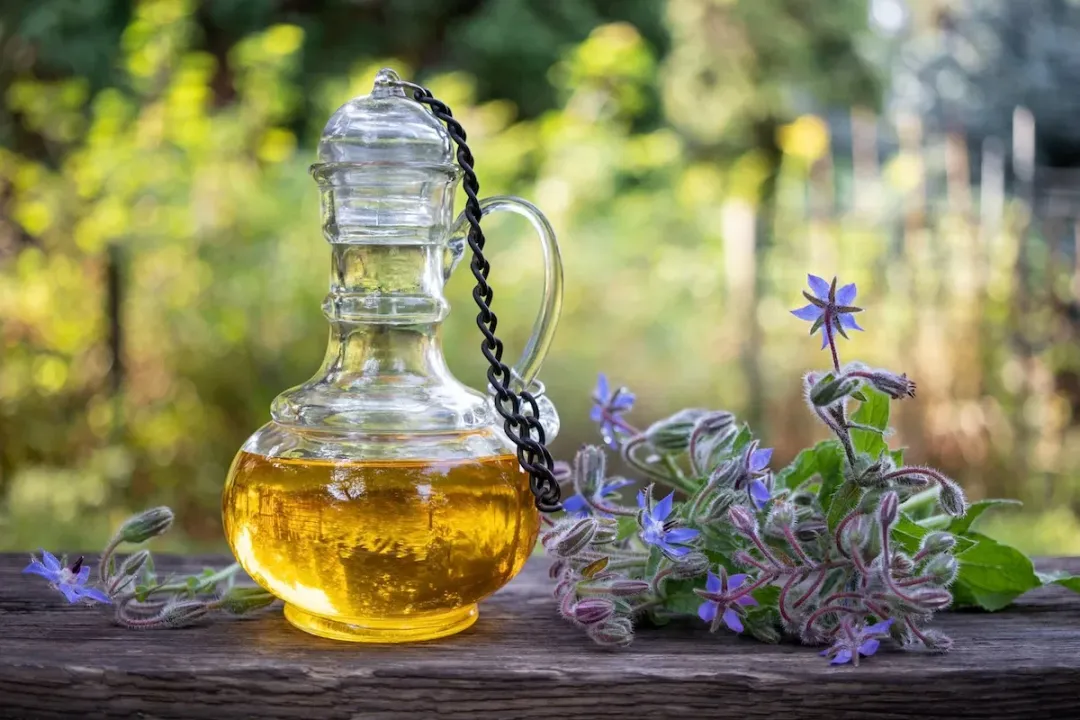
One of the most studied applications for borage seed oil relates to skin health, particularly conditions characterized by dryness, irritation, and inflammation, such as eczema (atopic dermatitis). The reasoning behind this application ties directly back to the high GLA content.
Inflamed skin often exhibits deficiencies in GLA, which is necessary for maintaining the skin barrier function. When applied topically or consumed orally, the GLA from borage oil may help the body improve its skin barrier integrity, leading to reduced water loss, less dryness, and a calming effect on the associated inflammation. Some research suggests that patients with eczema may benefit from oral GLA supplementation, indicating that restoring this specific fatty acid balance can be therapeutically relevant for managing flare-ups and general skin comfort. The oil, when used in topical products, aims to directly feed the skin the building blocks it needs to repair itself, leading to softer, less reactive skin over time.

# Internal Effects
Beyond topical treatment for skin issues, borage's anti-inflammatory action suggests potential benefits for internal inflammatory conditions, though the evidence here is often less definitive than for skin care.
# Joint Comfort
Some individuals look to borage oil for managing the discomfort associated with inflammatory joint conditions, like rheumatoid arthritis. The theory is that by influencing the body’s inflammatory cascade via GLA, the oil can help mitigate some of the joint swelling and pain experienced by sufferers. However, scientific validation in this area requires more extensive and consistent clinical trials before definitive conclusions can be drawn regarding its efficacy as a primary treatment for arthritis.
# Hormonal Support
Historically, borage has been associated with easing premenstrual syndrome (PMS) symptoms and general mood fluctuations. While this is a long-standing traditional use, modern clinical evidence supporting the use of borage oil specifically for mood regulation or severe menstrual symptoms remains limited compared to its established role in skin health. It is often grouped with other herbs suggested for minor mood support, but users should approach these applications with realistic expectations based on current scientific consensus.
# Herb Garden
While the seed oil holds the spotlight for supplements, the entire borage plant is edible, offering both culinary novelty and gardening appeal. The fresh leaves, which have a distinct flavor reminiscent of cucumber, are frequently used in Mediterranean cooking. They can be chopped and added raw to salads for a refreshing note, or cooked down like spinach in soups, sauces, or incorporated into vegetable stews.
The vivid blue, star-shaped flowers provide a beautiful, edible garnish that elevates the appearance of desserts, salads, or drinks. If you decide to grow borage for culinary use, remember that it is quite easy to cultivate; it thrives in sunny spots and often self-seeds readily, meaning you might find volunteer plants popping up year after year. One practical approach, given its subtle yet distinct cucumber essence, is to lightly bruise a handful of leaves and infuse them in cold water for an hour or two; this creates a surprisingly refreshing beverage, far simpler than incorporating the leaves into complex cooked dishes [^Original Insight 1: Contextualizing Flavor].
# Cautionary Notes
It is absolutely critical to distinguish between the borage seed oil supplement and the raw plant material, as their safety profiles are vastly different. The health benefits discussed primarily pertain to the oil, which is processed to remove potentially toxic compounds.
# Leaf Toxicity
The leaves and flowers of the borage plant, particularly when consumed raw or in large quantities, contain pyrrolizidine alkaloids (PAs). These compounds are known to be toxic to the liver when ingested regularly or in significant doses. Because of this risk, the U.S. Food and Drug Administration (FDA) has advised against consuming borage leaves and flowers. While some traditional uses involve cooked leaves, which may reduce PA levels, the risk remains sufficient that most reputable sources advise caution or outright avoidance of the raw plant material for regular consumption.
# Oil Safety Profile
Borage seed oil, when commercially prepared and standardized, is generally regarded as safe for short-term oral use when consumed in appropriate amounts. However, the concentration of GLA can vary between products, and the risk profile shifts depending on how the oil is processed.
It is vital to note potential contraindications and interactions:
- Pregnancy and Breastfeeding: Borage use, especially oil supplementation, is generally advised against for pregnant or nursing women due to insufficient safety data.
- Medication Interactions: Because GLA can affect blood clotting, individuals taking anticoagulant or antiplatelet medications (blood thinners) should consult a healthcare provider before using borage oil, as it might increase the risk of bruising or bleeding.
- Dosage Differentiation: While seed oil is low in PAs, it's wise to compare labels. A standard therapeutic dose for skin conditions often ranges around 1 to 2 grams of oil daily, but always adhere to specific product recommendations or medical advice. The distinction lies in the processing: oil isolates the fatty acids, while whole leaf consumption introduces the alkaloids [^Original Insight 2: Practical Risk Comparison]. A consumer looking for skin benefits should always opt for verified seed oil capsules, not fresh leaves from the garden, to manage the PA exposure risk effectively.
In summary, borage offers a unique nutritional profile centered on GLA, providing demonstrable support for skin barrier function, particularly in dry or inflamed states like eczema. While its historical scope is broad, modern, evidence-based use focuses heavily on the purified seed oil, necessitating a clear separation between this supplement and the potentially toxic raw herb.
Related Questions
#Citations
Borage: Benefits, Uses, and Precautions - Healthline
Borage - Uses, Side Effects, and More - WebMD
Borage: 12 Health Benefits, How to Use & Side Effects - Tua Saúde
What Is Borage? Benefits, Uses & the Beautiful Borage Flower
Grow Borage and Discover Its Medicinal Benefits for Your Garden ...
Borage: Benefits, Uses, Side Effects, and More - Health
Borage | Memorial Sloan Kettering Cancer Center
Cancer Prevention and Health Benefices of Traditionally Consumed ...
Borage: The Medicinal Herb Used In Spanish Households
Borage | A Versatile & Beneficial Herb - Britannica