Health Benefits of Blackcurrant
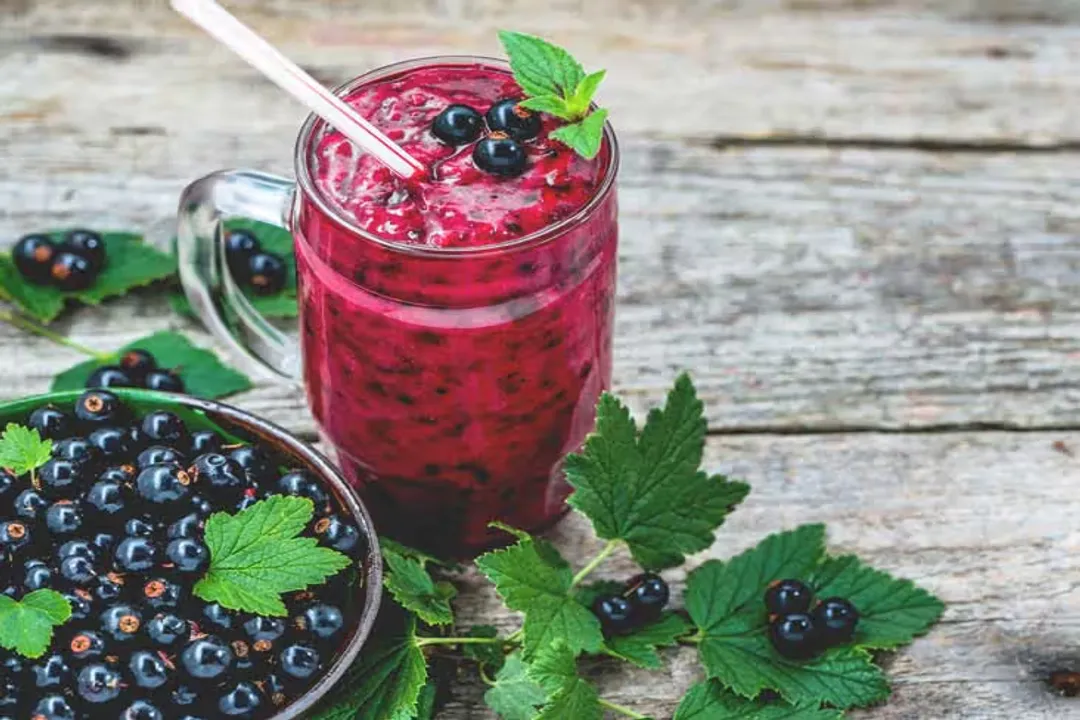
This small, dark purple berry, often called Ribes nigrum, packs an intense flavor profile—somewhere between tart and sweet when fully ripe—that has cemented its place as a favorite across Europe, while remaining relatively unknown or historically restricted in certain regions like the United States. Despite its relatively uncommon status in some markets, the nutritional profile of the blackcurrant reveals a true powerhouse, boasting bioactive compounds that support systems from the eyes to the heart.
# Nutrient Density
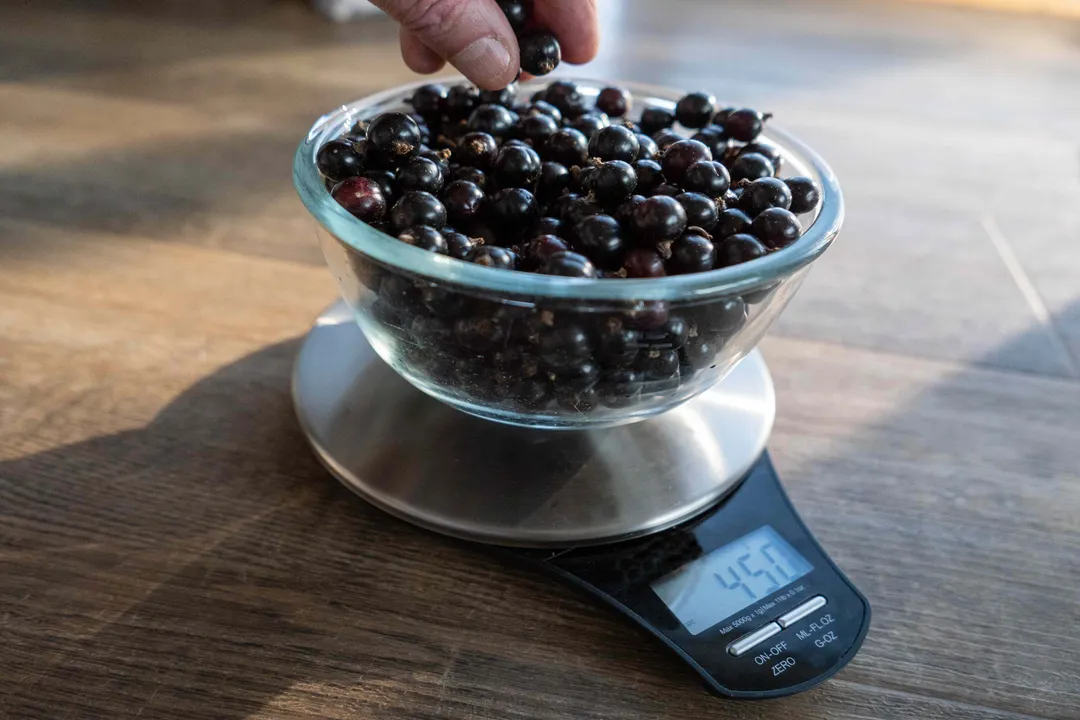
The sheer concentration of beneficial elements within the blackcurrant is remarkable. A single cup of these tart fruits delivers an exceptional quantity of nutrients, making them a highly efficient addition to any diet focused on wellness. Perhaps most notable is the vitamin C content; a cup provides approximately 203 milligrams, which translates to well over 200% of the recommended daily value—significantly more than a large orange. This high level of vitamin C is crucial for daily bodily functions, including supporting the immune system, aiding in iron absorption, and promoting the synthesis of collagen needed for wound healing.
Beyond Vitamin C, blackcurrants are rich in a variety of other essential vitamins, including A, B1 (thiamine), B5 (pantothenic acid), B6 (pyridoxine), and E. The deep, almost inky purple hue of the berries is the visual indicator of their high concentration of anthocyanins, a type of flavonoid that acts as a potent antioxidant. These berries also contain important fatty acids, specifically gamma-linolenic acid (GLA), an omega-6 fatty acid, alongside phenolic acids and polyunsaturated fatty acids. For those looking to naturally diversify their antioxidant intake, blackcurrants rank highly, with anthocyanin levels comparable to some blueberry varieties.
| Nutrient | Approx. Amount (1 Cup Fresh) | Key Function Supported |
|---|---|---|
| Vitamin C | 203 mg (226% DV) | Immunity, Collagen Production, Cell Protection |
| Fiber | 4.4 grams (16% DV) | Digestive Regularity, Satiety |
| Potassium | 332 mg (7% DV) | Blood Pressure Regulation |
| Anthocyanins | High Concentration | Antioxidant, Anti-inflammatory |
# Inflammatory Response
Oxidative stress, caused by free radicals damaging cells, is implicated in numerous chronic conditions. Blackcurrants deploy their compounds to combat this damage across the body. The high concentration of antioxidants, particularly anthocyanins, helps neutralize these harmful molecules. Furthermore, the presence of GLA sets blackcurrants apart, offering targeted anti-inflammatory support that goes beyond general antioxidant effects.
GLA, an omega-6 fatty acid, is frequently associated with alleviating discomfort related to inflammation. Research suggests that this compound may help reduce joint inflammation associated with conditions like arthritis, potentially easing stiffness and soreness. While research in this area is ongoing, the dual action of GLA alongside the fruit’s general antioxidants suggests a multifaceted approach to soothing systemic inflammation.
# Heart and Circulation
Maintaining healthy blood pressure and cholesterol levels is a primary goal for cardiovascular wellness, and blackcurrants contain key components that may assist in this effort. The potassium content is notable, as this mineral supports the regulation of blood pressure. Simultaneously, the anthocyanins present in the berries have been linked in studies to positive impacts on blood cholesterol and triglyceride levels, thereby potentially lowering the risk associated with severe heart disease.
One of the key features derived from the dark pigments is their influence on blood flow. Specifically, studies have indicated that blackcurrant extracts might positively affect arterial functions in older adults. Considering the fruit’s ability to influence both the balance of fats in the blood (cholesterol/triglycerides) and blood pressure, it offers a compelling nutritional addition for heart health maintenance. If you find yourself looking for a simple way to integrate these benefits, blending black currants into a morning smoothie alongside other heart-healthy ingredients like flaxseed or oats provides a tart counterpoint while maximizing the intake of blood-supportive polyphenols.
# Vision Protection
The delicate tissues of the eye are particularly susceptible to oxidative damage, making the high vitamin C content directly relevant for long-term eye wellness. Vitamin C contributes to protecting cells and may play a role in reducing the risk of developing cataracts and wet age-related macular degeneration (AMD).
However, the benefits extend to the surface moisture of the eye. Both GLA and linoleic acid, found within the berries, have shown promise in investigations concerning dry eye disease. Research suggests that GLA, in particular, might help stimulate the eyes to produce more natural tears, keeping them more comfortable, a significant advantage for individuals who spend long hours focused on digital screens. Furthermore, some preliminary studies focused on glaucoma patients have hinted that the anthocyanins may help decrease the intraocular pressure associated with the condition's onset.
# Immune and Recovery Boost
The vibrant antioxidant profile is a cornerstone of the blackcurrant's reputation for keeping the body well. The massive dose of vitamin C works in tandem with anthocyanins to provide a substantial boost to the immune system, which may help fight off common infections, ease the discomfort of a sore throat, and temper flu symptoms.
Interestingly, this systemic benefit extends to physical performance and repair. A trial involving triathletes showed that consuming black currant powder led to reduced accumulation of lactic acid, resulting in faster recovery times, suggesting anthocyanins may aid in improved blood flow during exertion. For active individuals looking for a natural edge, incorporating these berries before or after intense exercise might be a strategic move to enhance resilience. This effect on blood flow and recovery also ties into the berry's purported ability to reduce general muscle fatigue.
# Digestion and Energy
Like many fruits, blackcurrants contribute valuable dietary fiber, which is essential for a well-functioning digestive tract. They provide both soluble and insoluble types of fiber. The insoluble fiber is key for promoting regularity and contributing to a feeling of fullness, which can aid in general weight management efforts. The soluble fiber plays a subtle but important role by slowing the rate at which nutrients, particularly glucose (blood sugar), enter the bloodstream, leading to a more stable energy release.
The berries also contain natural carbohydrates—fructose and glucose—which offer a direct source of energy to fuel daily activities. This natural energy source, paired with the fiber content that moderates its release, positions blackcurrants as a better choice than many processed sweets for a mid-afternoon lift.
# Consumption and Safety Notes
Blackcurrants can be enjoyed in numerous forms, though the way they are processed can affect the final nutritional package. Fresh or frozen berries are typically the best way to ensure you receive the full spectrum of nutrients without added ingredients. They can be mixed into yogurt, stirred into oatmeal, baked into goods, or used to make homemade jams or juices. In regions where they are very popular, they are central to drinks like crème de cassis.
While black currant seed oil supplements are available, especially for targeted GLA intake, it is important to note that supplements, unlike whole foods, are not federally regulated, and one should always consult a healthcare provider before starting a new regimen.
It is also prudent to be aware of potential interactions. Due to their effects on circulation and clotting, individuals taking blood thinners or blood pressure medications should exercise caution and consult a doctor, as black currants may slow blood clotting or cause blood pressure to drop too low. For the average healthy adult eating the fruit in moderation, however, they are generally considered a very safe and beneficial addition to the diet.
#Videos
BLACKCURRANT Health Benefits - YouTube
Related Questions
#Citations
6 Health Benefits of Black Currant - Healthline
Health Benefits of Black Currant - WebMD
4 Health Benefits of Black Currants
The health benefits of blackcurrants - PubMed
Top 5 Health Benefits of Black Currant Tea
The Benefits of Blackcurrants
BLACKCURRANT Health Benefits - YouTube
4 Benefits of Black Currant: Plus, Nutrition and Risks - Health