Health Benefits of Bilberry

The small, dark fruit known as the bilberry, a close relative of the American blueberry, has long held a place of distinction in herbal traditions, particularly across Europe. [1][5] While they share a family resemblance, the European bilberry (Vaccinium myrtillus) is often cited for possessing a richer concentration of certain beneficial compounds compared to its common cultivated cousins. [4][6] These dark berries are packed with natural chemicals that offer a variety of effects on human physiology, making them more than just a pleasant seasonal treat. [8]
# Antioxidant Richness
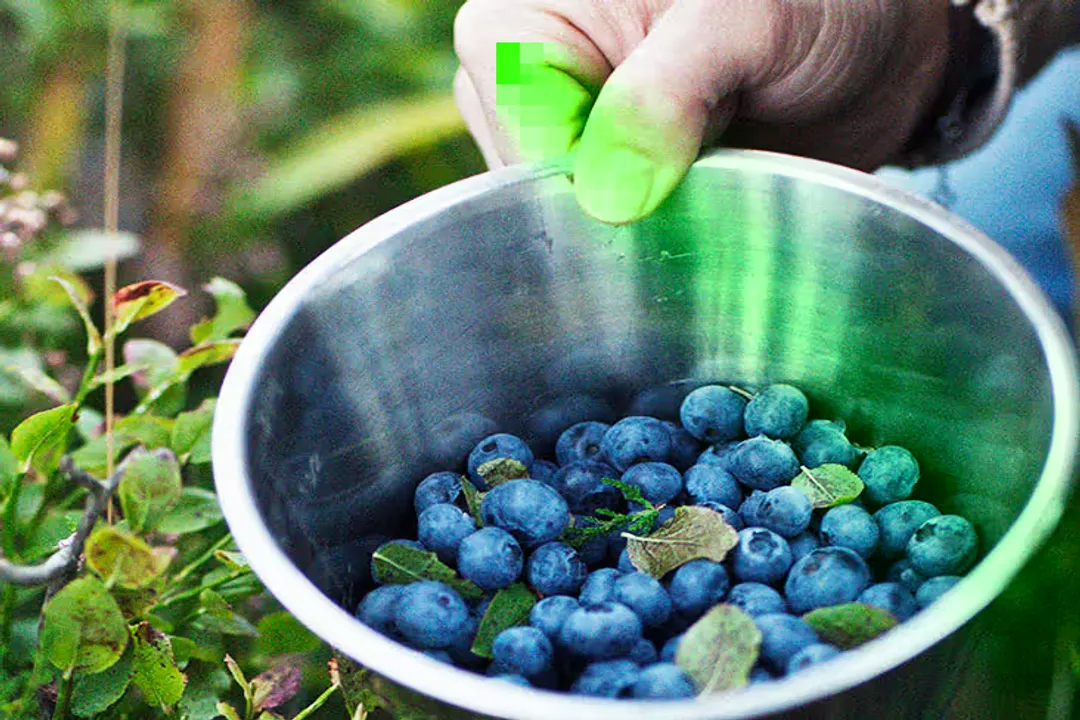
The most frequently cited attribute of the bilberry is its extraordinary concentration of antioxidants, primarily due to its deep pigmentation. [1][5][8] These pigments are a class of flavonoids called anthocyanins. [1][4][6] Anthocyanins function as potent scavengers of harmful free radicals in the body. [1][6] Free radicals are unstable molecules that can cause oxidative stress, which contributes to aging and the development of chronic conditions. [8]
Bilberries contain higher amounts of anthocyanins than many other berries. [1][4] For context, while a fresh blueberry might have a relatively high antioxidant capacity, the juice from wild European bilberries often shows significantly greater activity in laboratory tests measuring free radical neutralization. [1] This dense concentration of protective compounds is the foundation for many of the specific health benefits attributed to regular bilberry consumption. [6]
# Vision Support
Perhaps the most famous application of bilberry is its support for eye health. [4][6] This benefit is often connected to the fruit’s ability to support the circulatory system within the eye structure. [6] The anthocyanins are thought to help strengthen the tiny blood vessels, or capillaries, that nourish the retina. [1][4][6]
Historically, during World War II, Royal Air Force pilots reportedly consumed bilberry jam to enhance their night vision capabilities when flying in darkness, although the precise degree of effect in modern scientific settings remains an area of ongoing study. [4] What is generally accepted is that compounds within the bilberry may aid in the regeneration of rhodopsin, the light-sensitive pigment in the rods of the eye, which is essential for seeing in low-light conditions. [1][6] Furthermore, by protecting ocular tissues from oxidative damage, regular intake may help maintain overall visual function over time. [4]

# Cardiovascular Function
Beyond the eyes, the vascular system benefits from bilberry’s chemical makeup. [8] Because the anthocyanins promote the strength and flexibility of blood vessel walls, they can assist in maintaining healthy circulation throughout the body. [6] Some research suggests that consuming bilberry extracts may help manage certain markers of heart health, such as assisting in the regulation of blood pressure. [8]
The impact on blood flow also relates to cholesterol management. Some studies indicate that bilberry consumption might help prevent the oxidation of LDL cholesterol—the so-called "bad" cholesterol. [8] Oxidized LDL is considered particularly damaging to arterial walls, so preventing this process is a significant factor in long-term cardiovascular wellness. [8]
# Digestive Aid
In traditional European medicine, bilberry, often in the form of tea made from dried berries or leaves, has been used to address gastrointestinal issues. [5][7] The fruit contains compounds, including tannins, that can have an astringent effect. [5] This astringency can be beneficial when dealing with acute diarrhea, as it helps to firm up loose stools. [1][5]
Conversely, for individuals experiencing mild indigestion or generalized stomach upset, bilberry leaf preparations have also found use as a mild remedy. [7] It is important to note that when consuming the fresh fruit, the high fiber content itself contributes positively to regular bowel movements, separate from the medicinal actions of the concentrated extracts. [1]
# Metabolic Influence
Emerging research has looked into how bilberry interacts with the body’s sugar regulation systems. [8] Certain components of the berry have shown promise in managing blood glucose levels. [1] This potential effect centers on improving insulin sensitivity or slowing the absorption of sugars in the gut. [8] For those monitoring their blood sugar, particularly in the context of pre-diabetes or general metabolic health, bilberry presents an interesting nutritional addition, though it should never replace prescribed medical management. [1]
# Chemical Composition and Preparation Nuances
The efficacy of bilberry preparations often hinges on how the fruit is processed and which part is used. [4][9] While the berries are the most famous component, the leaves are also used, particularly for making infusions or teas, often for their effects on blood sugar or mild diuretic properties. [9]
The primary active components are the anthocyanins, which are water-soluble pigments. [6] This water solubility is why preparations like tea (infusion) are effective delivery methods. [9] However, because these beneficial compounds are also sensitive to intense heat, the method of preparation matters significantly when seeking maximum benefit. For instance, prolonged boiling or high-temperature processing used in some manufactured products may degrade the active constituents more rapidly than a short infusion used for tea or the use of standardized extracts. [4][9]
If one is sourcing dried bilberries for use at home, recognizing that the wild European variety tends to have a higher concentration of these key anthocyanins—often cited as being significantly higher than commercially grown blueberries—can inform purchasing decisions when seeking targeted health effects. [1][6] A simple, practical application for maximizing antioxidant intake involves brewing bilberry leaf tea at a lower temperature, perhaps just below boiling, and letting it steep briefly, aiming to extract the water-soluble compounds without destroying them through prolonged exposure to heat. This contrasts with traditional brewing for flavor, where hotter water is often standard practice.
# Cognitive Health Potential
The same antioxidant and anti-inflammatory mechanisms that benefit the eyes and heart are theorized to extend protective effects to the brain. [8] Oxidative stress is implicated in cognitive decline, and compounds that can cross the blood-brain barrier, as some flavonoids can, hold potential for neuroprotection. [8] While this area requires more definitive clinical trials specific to bilberry, its known positive effects on microcirculation suggest a mechanism by which it could support healthier blood flow to cognitive centers. [6]
# Consumption Avenues
Bilberries are consumed in several ways. Fresh bilberries are rare in many markets outside of their native European regions due to their delicate nature and short shelf life, making them highly perishable. [4] They are more commonly found dried or frozen. [4]
Dried berries are excellent for use in baking, cereals, or steeped as an herbal tea. [4][9] Bilberry leaf tea is a distinct product, often highlighted for its own set of gentle health properties. [9] Finally, the most concentrated form of health benefit is usually found in standardized extracts, available as capsules or tinctures, which ensure a consistent and high dosage of anthocyanins. [1][8] When selecting extracts, checking the standardized percentage of anthocyanins listed on the label is a good way to compare product strengths, giving consumers a measure of assurance regarding the ingredient's potency, which is a necessary step given the variability in natural products. [1]
| Form | Primary Use/Benefit Focus | Typical Availability | Notes on Potency |
|---|---|---|---|
| Fresh Fruit | Culinary, general nutrition | Limited (Seasonal/Local) | High variability; best eaten raw |
| Dried Fruit | Baking, cereals, jams | Widely available | Content depends on drying method |
| Leaf Tea | Traditional digestive/metabolic support | Specialty stores | Focuses on water-soluble leaf compounds |
| Standardized Extract | Targeted high-dose antioxidant support | Supplements/Capsules | Potency often guaranteed by anthocyanin percentage [1] |
For those interested in incorporating bilberry into their daily routine without relying on supplements, adding a spoonful of dried or frozen berries to a morning yogurt or oatmeal provides a simple, daily dose of flavonoids, allowing for consistent, low-level exposure to the fruit’s beneficial components over time. [4] This approach aligns well with the concept of using diet for foundational wellness rather than relying solely on acute treatment.
Related Questions
#Citations
9 Emerging Health Benefits of Bilberries - Healthline
Health Benefits of Bilberry - WebMD
Bilberry (Vaccinium myrtillus L.) - Herbal Medicine - NCBI Bookshelf
The benefits of bilberry for eye health - Healthspan
Bilberry Benefits: How This Berry Supports Eye Health & Heart Health
The Natural Health Benefits of Bilberry - Forest Spa Finland
Does Bilberry Have Protective Health Benefits?
10 Emerging Health Benefits of Bilberries: Uses & Side Effects
What is Bilberry Leaf Tea? - History, Benefits, and More
Benefits of bilberry and how to add them to the diet