Which species, besides mackerels, are consistently rated as "Best Choices" for low mercury Omega-3 sources?
Answer
Sardines and Herring
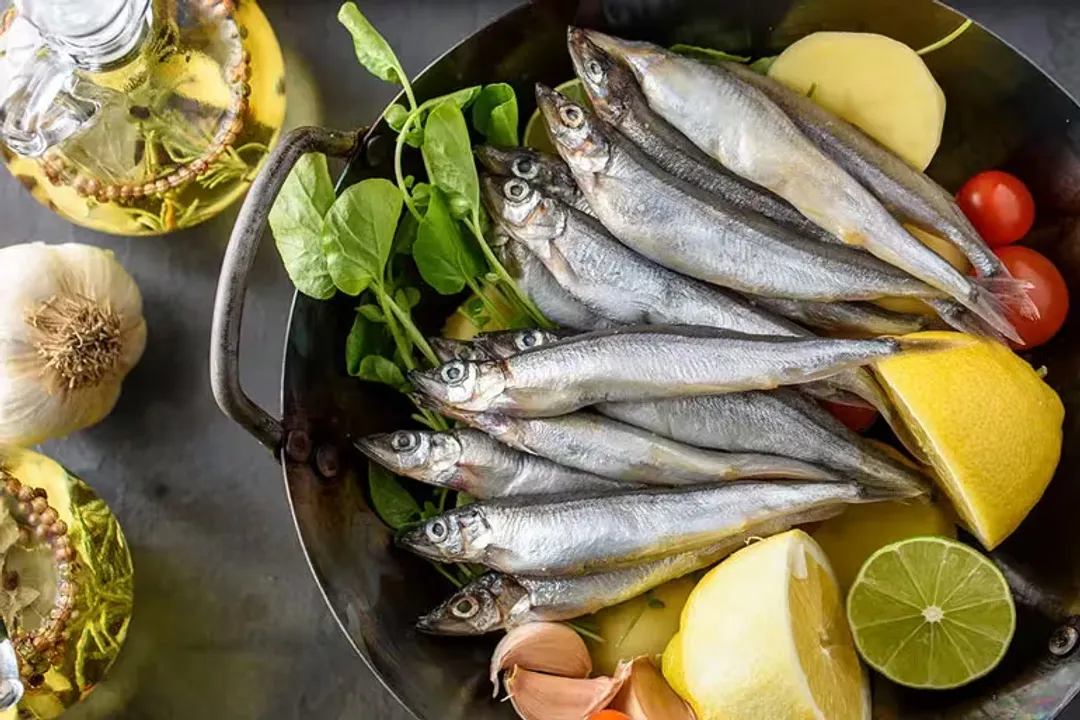
When curating a balanced diet focused on high omega-3 intake with minimized contaminant risk, several non-mackerel species align with the 'Best Choices' rating. Both Sardines and Herring consistently meet this criterion, offering high levels of beneficial fats alongside very low levels of mercury contamination. Another well-regarded option in this top tier is Wild-caught Alaskan Salmon. These selections allow for regular consumption without the restrictions applied to species higher up the food chain.
Related Questions
What classification do the FDA and EPA assign to King Mackerel regarding consumption?What key mechanism describes how top-tier predatory fish accumulate high mercury concentrations?How are methylmercury contaminants typically detected in fish flesh by human senses?Which two mackerel species are rated by the FDA/EPA as "Best Choices" due to low mercury levels?What is the consumption frequency recommendation for Spanish Mackerel for vulnerable populations?What is the recommended standard serving size for adults and older children (age 11 and up)?Which species, besides mackerels, are consistently rated as "Best Choices" for low mercury Omega-3 sources?What is the primary danger if a diner orders 'Grouper' when dining out?What advice is given for reducing sodium intake when consuming canned mackerel?What is the rationale for completely avoiding King Mackerel for pregnant women and young children?