Which mackerel to avoid?
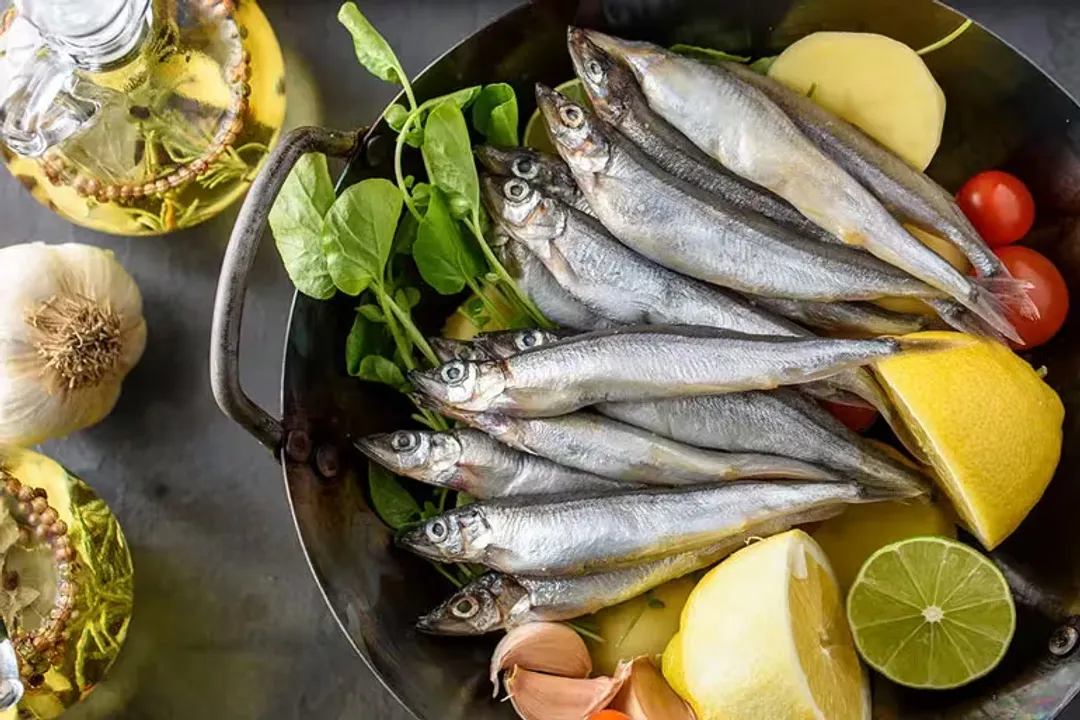
The simple appeal of mackerel lies in its status as an oily fish, a powerhouse of nutrients that actively support bodily functions, from the sharpness of the brain to the strength of the heart. However, this bounty of omega-3 fatty acids, protein, B vitamins, and selenium comes with a significant asterisk: not all mackerel species share the same safety profile. Navigating the seafood counter requires knowing which varieties to embrace and, more critically, which ones to actively avoid to mitigate risks associated with accumulated environmental toxins.
# Mercury Contamination
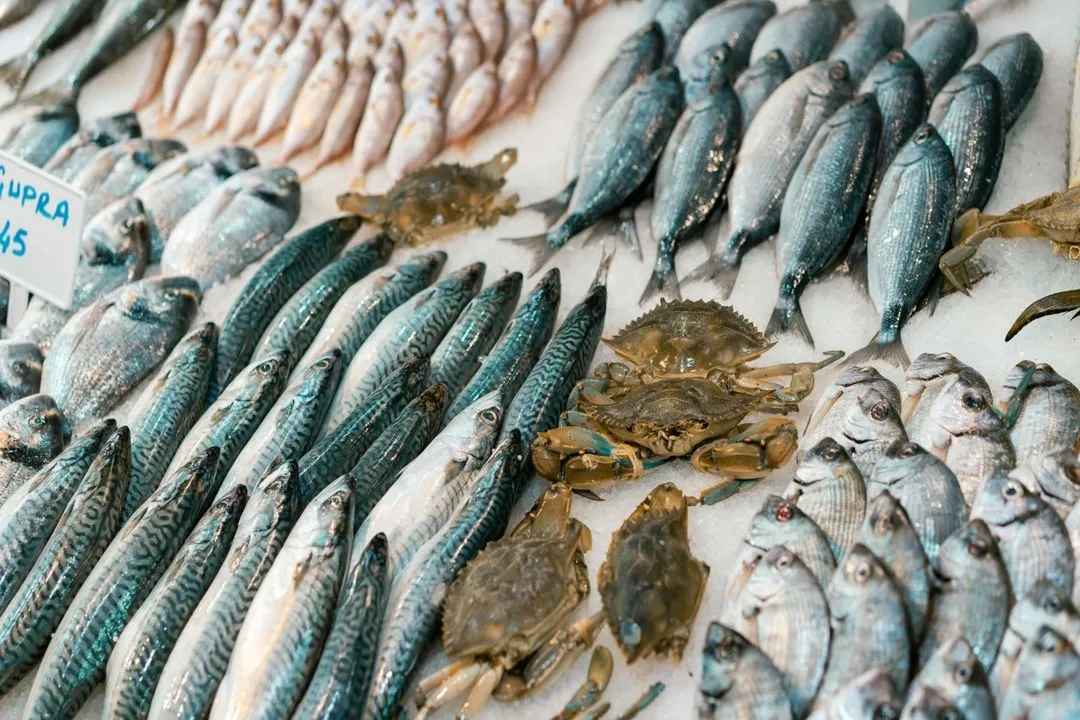
The primary reason health authorities issue warnings against certain fish, including specific types of mackerel, revolves around methylmercury. Mercury originates from industrial pollution and natural sources, enters waterways, and transforms into this harmful form. Fish readily absorb methylmercury as they feed, causing it to build up in their muscle tissue over time. This accumulation process means that contaminants are not easily detected by human senses; mercury does not impart any noticeable odor or change the fish's taste.
The key mechanism dictating the level of risk is the position a fish holds in the marine food chain. Larger, older, predatory fish consume smaller contaminated organisms, leading to a process known as bioaccumulation and biomagnification. Consequently, these top-tier predators carry the highest concentrations of mercury in their flesh. Because there is no method available to remove mercury once it is present in the fillet, the only protection available is making careful selection choices. This is why advisories are particularly focused on vulnerable populations, such as pregnant or breastfeeding women, and young children, whose developing nervous systems are most susceptible to harm from excessive mercury intake.
# King Mackerel
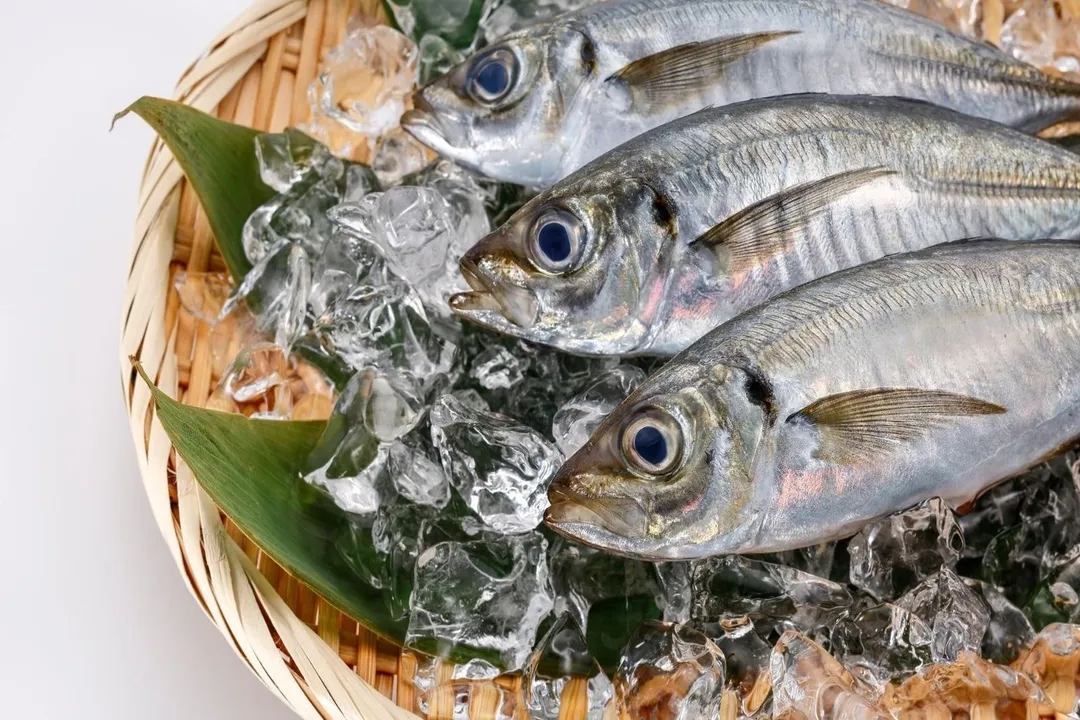
When it comes to species to completely steer clear of, King Mackerel consistently appears at the top of the list issued by both the U.S. Food and Drug Administration (FDA) and the Environmental Protection Agency (EPA). This specific species is categorized as a "Choice to Avoid" due to its typically high levels of mercury contamination.
For the most sensitive groups—those who are pregnant or breastfeeding, and children aged 1 to 11 years—the official guidance is straightforward and non-negotiable: King Mackerel should be avoided entirely. In fact, this species is often grouped with other large, high-level contaminants like shark, swordfish, tilefish from the Gulf of Mexico, and marlin. Even for healthy adults who consume fish regularly, the data suggests that consistently eating large specimens of King Mackerel represents a significant risk that many choose to avoid. Given its high mercury load, it is one of the fish you should never eat, according to some nutritional experts.

# Spanish Limits
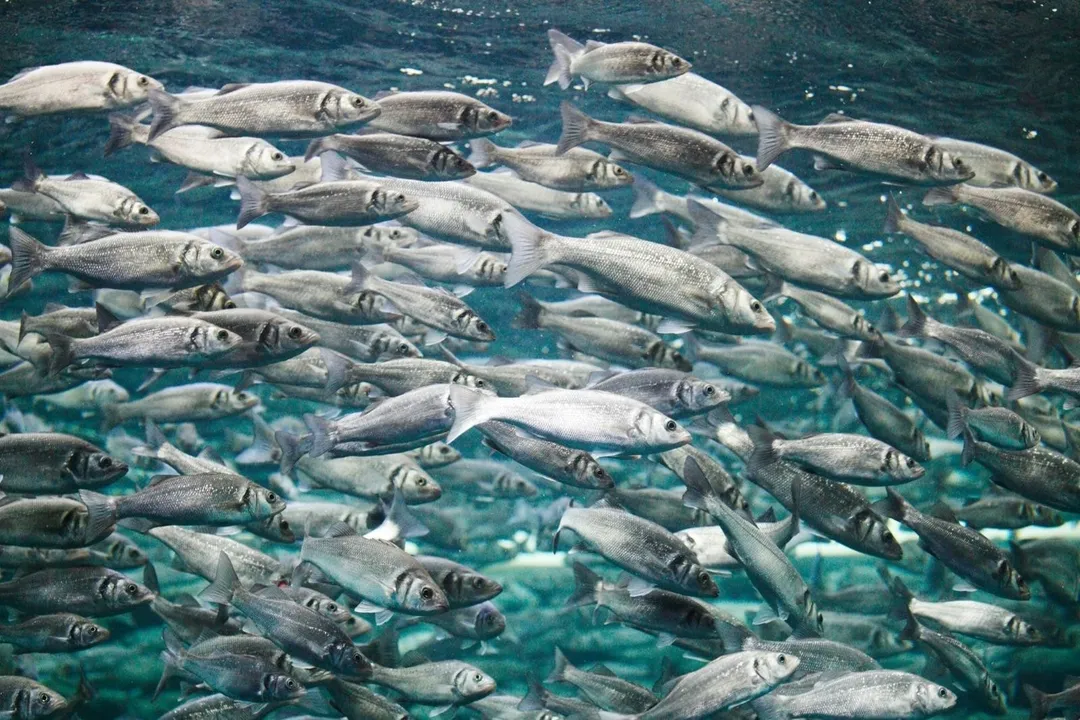
The conversation around mackerel becomes more nuanced when discussing Spanish Mackerel. Unlike its larger cousin, the King Mackerel, the EPA and FDA place Spanish Mackerel in the "Good Choices" category for commercially purchased fish. This classification means that for vulnerable populations, consumption is generally limited to one serving per week, rather than being entirely restricted.
However, it is important to note that not all expert opinions align perfectly on this species. While one source confirms Spanish Mackerel is not on the official "Choices to Avoid" list, others suggest that it too has shown elevated mercury levels, warranting a recommendation to limit intake overall. This subtle difference in classification—a "Good Choice" versus a need to "limit"—highlights the complexities in translating raw data into universal dietary advice. If your diet already includes other fish from the "Good Choices" tier, such as Albacore tuna, you must factor that single weekly serving into your overall mercury budget for the month. For example, if you are a generally healthy adult who eats Albacore tuna once a week (a "Good Choice"), adding a serving of Spanish Mackerel in the same week means you have effectively consumed two "Good Choices," pushing you past the single recommended serving limit for that tier. This compounding effect is often overlooked when individuals only check the status of one fish in isolation.
# Safer Species
The good news is that the mackerel family offers excellent, highly nutritious alternatives that rank among the healthiest seafood choices available. The key is selecting species lower on the food chain, which inherently contain less mercury. The FDA/EPA designates two types of mackerel as "Best Choices," meaning they have the lowest mercury levels and can be eaten without restriction for the most sensitive populations (children ages 1-11 can have two servings per week).
These recommended varieties include:
- Atlantic Mackerel: This oily fish is packed with beneficial omega-3s, protein, and essential vitamins. It earns a top rating for both health benefits and sustainability when chosen correctly.
- Pacific Mackerel (specifically listed as Pacific chub mackerel): This is also listed in the "Best Choices" tier, making it a safe and nutritious option for regular inclusion in the diet.
Atlantic and Pacific mackerel are frequently contrasted with King Mackerel precisely because of their low mercury content, allowing them to be safely consumed two to three times per week, which maximizes the intake of beneficial fats like EPA and DHA. For those looking to swap out red meat, these options provide heart-healthy polyunsaturated fats that may help modestly lower blood pressure over time, alongside significant protein for satiety and muscle maintenance.
# Consumption Advice
The overarching goal of following fish consumption guidelines is to reap the rewards of heart and brain health benefits while staying below damaging exposure levels. A standard serving size is established as 4 ounces for adults and older children (age 11 and up). For younger children, the recommended serving size scales down significantly: 1 ounce for ages 1 to 3, 2 ounces for ages 4 to 7, and 3 ounces for ages 8 to 10.
The FDA/EPA framework clearly delineates frequency based on mercury level:
| Mercury Level | Frequency (Adults/Sensitive Groups) |
|---|---|
| Best Choices (e.g., Atlantic Mackerel) | Eat 2–3 servings per week |
| Good Choices (e.g., Spanish Mackerel) | Eat 1 serving per week |
| Choices to Avoid (e.g., King Mackerel) | Do not eat |
To integrate this information effectively, consider a cumulative risk strategy: if you choose one serving of a "Good Choice" fish like Spanish Mackerel one week, you should probably stick only to the "Best Choices" for the rest of that week, or even halve your usual "Best Choice" intake to maintain a wide margin of safety. This mindful approach ensures you are not accidentally over-consuming mercury by stacking one "Good Choice" on top of another. Furthermore, if you are eating locally caught fish where advisories are unavailable, the safest protocol is to limit intake to a single serving for that entire week and consume no other fish during that time. When opting for canned fish, a practical consideration is sodium content; while canned mackerel is convenient, many varieties are preserved in salt, so soaking and rinsing prior to cooking is a simple step to reduce sodium intake.
# Contextualizing Risks
Mackerel is not the only fish requiring careful consideration. When building a balanced, low-mercury diet, it is helpful to compare its safety rating against other common sources of omega-3s. For instance, Sardines and Herring are consistently rated as "Best Choices," offering high omega-3s with very low contaminant levels. Wild-caught Alaskan Salmon also sits firmly in the "Best Choices" category.
Conversely, species that share the high-mercury profile of King Mackerel include Swordfish, Shark, Orange Roughy, Marlin, and Bigeye Tuna. These species are also highly vulnerable to overfishing, adding an ecological concern to the direct health risk posed by mercury. If a diner sees "Grouper" on a menu, they should be aware that mislabeling is common, and they might actually be consuming less desirable substitutes like Pangasius (imported catfish) or, worryingly, King Mackerel itself. This underscores that reading the label and questioning the source, particularly when dining out, is an essential part of practicing food safety when seeking out healthy fish.
Related Questions
#Citations
Advice about Eating Fish - FDA
Is it safe to eat king mackerel/ spanish mackerel? : r/Fishing - Reddit
17 Fish You Should Never Eat, Plus Safer Seafood Options - Dr. Axe
3 Healthiest (and Worst) Fish For Your Health
[PDF] Eat Fish, Choose Wisely - Vermont Department of Health
Is Mackerel Good for You? What Doctors Want You to Know
Four fish to avoid eating - MSU Extension
Avoiding Mercury in Fish - Cigna Healthcare