What is the DC food scene like?
The conversation surrounding Washington D.C.'s dining landscape often lands in a fascinating paradox: it is simultaneously touted as a national culinary capital and occasionally dismissed by locals as underwhelming or overpriced. This city, defined by its political gravity, has cultivated a food scene that reflects its unique demographic—a constant rotation of sophisticated diners, government officials, and transient residents. To truly grasp what eating in D.C. is like, one must look past the initial impressions and explore the layers of neighborhood specialization and culinary breadth that exist just outside the monumental core.
# Culinary Duality
D.C.'s food identity isn't simple; it operates on two distinct tracks that can sometimes feel disconnected. On one track, there is the serious, established fine dining that caters to expense accounts and high-stakes meals, which often involves high prices that can lead to local frustration over perceived value. On the other track is the vibrant, neighborhood-centric discovery that draws food writers and tourists alike. The city is far more than just a collection of safe, business-lunch venues; it has developed a serious, diverse culinary muscle, sometimes overshadowing its national reputation as merely the nation's capital.
For many experiencing the city for the first time, D.C. may not immediately scream a single, definable cuisine the way some other major hubs do. This lack of a single, overwhelming culinary signature is precisely what makes the scene so complex and, for some, disappointing initially. However, what the city offers instead is an impressive depth in many international categories, supported by a transient, educated populace demanding high-quality options.
# Neighborhood Flavors
Understanding the D.C. food scene requires viewing it through a hyperlocal lens. The culinary identity shifts dramatically depending on which quadrant or specific neighborhood you are in. While a visitor might stick to downtown and the immediate vicinity, the real heart of the evolving scene often beats in areas that have undergone significant revitalization.
Different areas have developed their own specialties, creating micro-food scenes that cater to the local residents and workers. For instance, one neighborhood might boast a concentration of artisanal coffee roasters and brunch spots, while another excels in specific international cuisines, such as Ethiopian or Salvadoran establishments, reflecting the city's rich cultural demographics. If you are visiting, planning an itinerary that forces you to explore these distinct culinary pockets is essential to avoid judging the entire city based on a limited area.
This variation means that the city's dining profile is less about a singular "D.C. style" and more about a collection of distinct, high-quality local ecosystems existing side-by-side. The depth available means that someone new to the city would benefit immensely from consulting curated guides—whether written by local experts or compiled by long-time residents—simply because the sheer volume of options, coupled with the rapid turnover, makes organic discovery challenging.
# Navigating the Culinary Landscape
To get the most out of the D.C. dining experience, think less about a main attraction and more about a curated crawl through distinct culinary territories. This approach allows diners to appreciate the nuanced offerings that have taken root across the city's geography.
Here is a general breakdown of how the scene often presents itself across different segments:
| Category | Typical Vibe/Focus | Key Consideration |
|---|---|---|
| Power Dining | Upscale, established, classic American/European fare | High price points, often requires reservations well in advance |
| Neighborhood Gems | Diverse, international, often casual or BYOB | Excellent value and authentic flavors |
| The New Wave | Trendy concepts, chef-driven small plates, innovative drinks | Rapid evolution, high turnover, must check freshness of concept |
| Tourist Core | Broad appeal, established chains mixed with reliable staples | Convenient but may lack local character |
When evaluating a place, a good rule of thumb that emerged from local chatter is to prioritize places that have a strong neighborhood following over those solely dependent on transient business traffic, as the latter are often more susceptible to inflation without corresponding quality improvements.
# Culinary Range
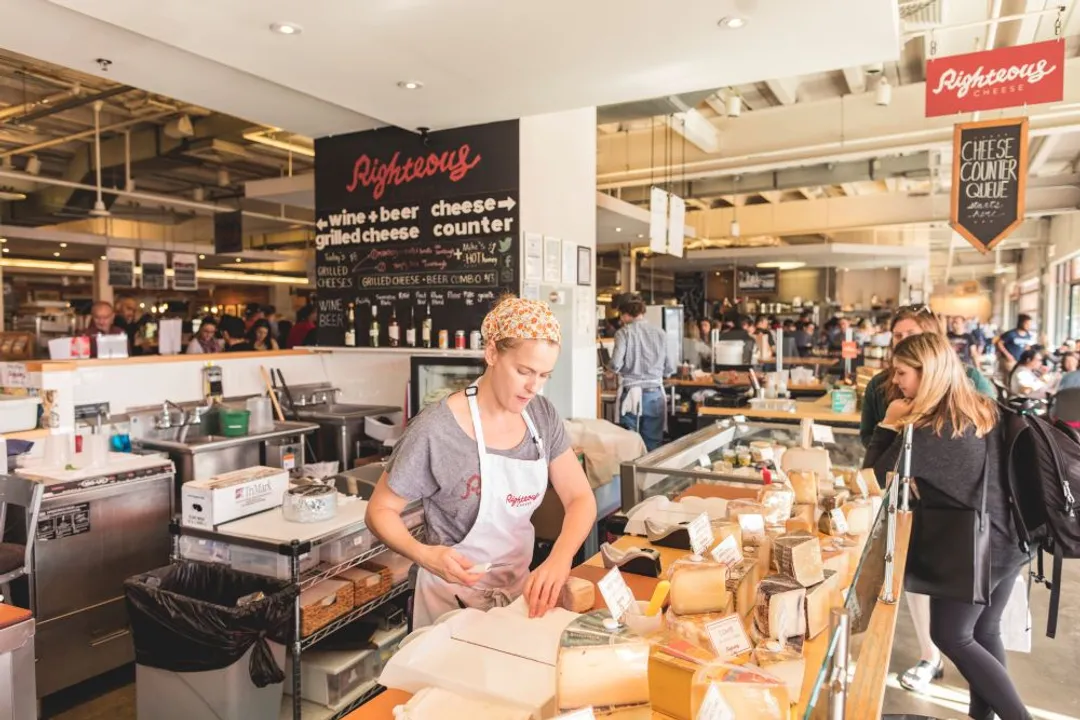
The breadth of cuisine available in Washington D.C. rivals that of many other top-tier American cities. From intimate, acclaimed fine dining establishments to casual, hole-in-the-wall ethnic eateries, the options cater to nearly every budget and preference. The city supports an ecosystem that ranges from James Beard Award-caliber restaurants to accessible, high-quality takeout joints.
This range is often what convinces skeptics of D.C.'s status. While some might point to the high cost of dining as a negative factor—where even mid-range meals command significant prices, partly due to the local economic environment—the counter-argument is that this cost funds the very high standards seen across various dining tiers. You can find world-class interpretations of global dishes alongside innovative American cuisine that reflects the creativity of local chefs.
For foodies, this means that a successful three-day trip could involve tasting a spectrum of experiences, moving from a highly sophisticated tasting menu one night to enjoying phenomenal street food or market fare the next day. The essential takeaway is that the diversity is deep, not just wide; it supports genuine, well-executed cuisine across many international borders.
# Evolving Concepts
The D.C. dining scene is anything but static. It is characterized by a continuous cycle of openings, closings, and concept shifts, which can be exhilarating for those who enjoy novelty but potentially frustrating for those who become attached to a favorite spot. This dynamism is a key feature. New chefs are constantly arriving, bringing fresh perspectives, often informed by their travels or previous stints in other major culinary centers, ensuring the menu offerings stay modern and competitive.
This constant motion means that what was considered the "best of" a few years ago might have been supplanted by newer, more exciting ventures today. Keeping up requires regular attention to local dining news, as the established guides themselves need frequent refreshing to accurately reflect the current landscape. The ability of the city to absorb and support these new concepts, even when the initial investment costs are high, speaks to a dedicated and engaged dining public.
If you are planning a visit, perhaps the most valuable actionable tip is to build your must-try list based on publications or local voices less than six months old, as the scene moves fast enough to render older recommendations partially obsolete, especially in the trendier sectors. This high rate of change is arguably a sign of a healthy, competitive market, even if it means some beloved institutions eventually close their doors.
# Local Culinary Identity
One of the most frequently debated aspects of the D.C. food scene is the existence of a singular, unifying local culinary identity. While the city hosts incredible regional American food, its history as a political hub means that much of its high-end dining reflects international sophistication geared towards a global and political clientele, rather than a deep-rooted, singular local tradition.
Some residents feel that the food scene lacks a distinct "D.C. flavor" or signature dish that would define it nationally, similar to New York's pizza or Philadelphia's cheesesteak. Instead, D.C.'s identity is arguably found in its importer status—it is where the best chefs from various backgrounds come to execute their visions with a high degree of polish and professionalism, catering to a discerning, well-traveled clientele.
This lack of a single, unifying, traditional dish can be seen as a strength. It frees chefs from the constraint of tradition, allowing them to focus purely on execution and innovation within their chosen genre. The city's commitment to serving high-quality food that meets international standards, whether it's through a French bistro or a high-end sushi counter, becomes the defining characteristic. The experience of professionalism and global reach supersedes the need for a hyper-local signature item for many observers.
When seeking an authentic "local" feel, the best approach is often diving into the more established, community-focused restaurants found deep within the residential neighborhoods, rather than the glossy new openings downtown. These spots often survive on repeat local business, indicating a stable, quality offering that transcends the revolving door of transient trends. If you see a line of locals waiting outside a small, non-descript eatery, it is usually a strong indicator that you have stumbled upon a genuine D.C. staple worthy of attention.
Related Questions
#Citations
DC's underwhelming food scene : r/washingtondc - Reddit
Rick Eats DC's Top 25 DC-Area Restaurants
A D.C. Dining Guide to the Food and Drink Scene - Eater DC
Washington, D.C. Is More Than The Nation's Capital—It's A Food ...
3-Day Washington, DC Itinerary for Foodies
Washington, D.C.'s Food Scene Delivers International Inspiration
The State of Dining in Washington, DC - DonRockwell.com
Foodie Guide: Where to Eat & Drink in Washington D.C.
What food is Washington DC known for? - Facebook