What is basic food safety?
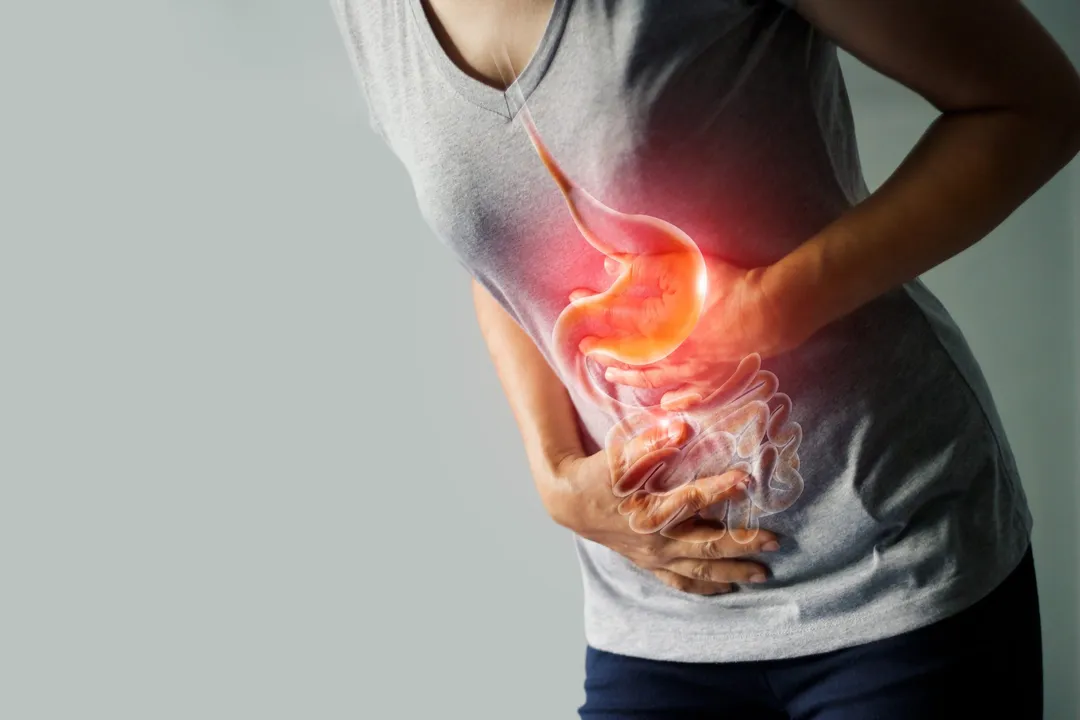
Food safety is more than just avoiding immediate stomach upset; it’s a critical, foundational aspect of daily life that protects public health from foodborne illnesses caused by harmful bacteria, viruses, or parasites. [5][8] At its essence, basic food safety revolves around simple, repeatable actions taken from the moment you acquire food until you serve it. When these steps are ignored, food that looks, smells, and tastes perfectly fine can harbor invisible dangers, which is why understanding these basics is vital for everyone who prepares meals, whether in a home kitchen or a professional setting. [4][6] Organizations like the World Health Organization (WHO) and national agencies in the US emphasize that while food production involves many risks, a significant portion of foodborne illness can be prevented through good hygiene and temperature control practices. [8]
# Core Principles
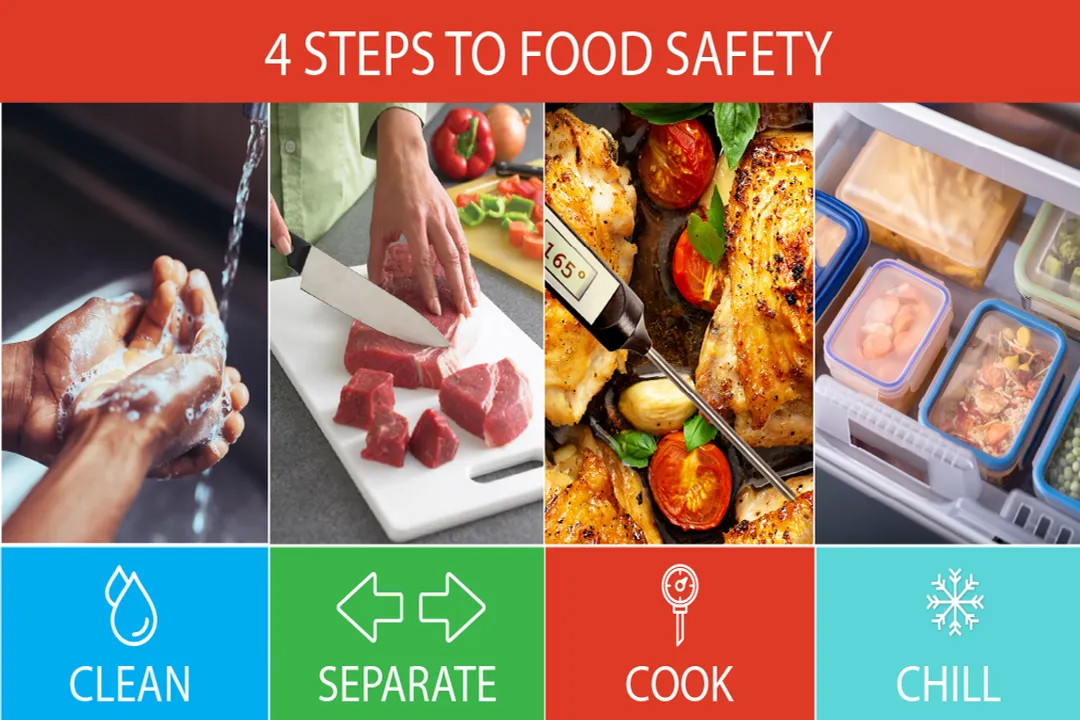
The universally accepted guidelines for keeping food safe center on four straightforward concepts: Clean, Separate, Cook, and Chill. [1][4][7] These steps are not optional suggestions; they form the bedrock of food handling. If you can consistently adhere to these four pillars, you drastically reduce the risk of contamination and illness. [5] It is helpful to view these steps as a continuous process, not a checklist to be completed once. For instance, cleaning must happen before preparation, separating must occur during preparation, cooking involves specific temperature checks, and chilling addresses safe storage after cooking or upon initial purchase. [6]
The danger zone for bacterial growth is a concept central to food safety, particularly concerning the "Chill" step. Bacteria multiply rapidly between and ( and ). [1][4] Keeping food outside this temperature range—either thoroughly hot or properly cold—is the goal of safe food management. [6]
# Keep Clean

Cleanliness is perhaps the most fundamental area, often requiring the most diligence. It addresses two primary concerns: keeping your hands and surfaces clean, and ensuring produce is properly washed. [1][7]
# Hand Hygiene
Washing your hands correctly is the first line of defense against transferring germs to food. This process should involve using soap and warm, running water, rubbing your hands together vigorously for at least 20 seconds—long enough to sing "Happy Birthday" twice. [1] You must clean your hands before, during, and after preparing food, and especially after handling raw meat, poultry, seafood, or eggs, and after using the restroom or touching pets. [4][7]
It is easy to assume that if you’ve just wiped down a counter, your hands are clean, but consider this: even if a surface is wiped with a disinfectant cloth, residual pathogens can remain viable for short periods, or you might touch the outside of a fresh vegetable bag that has been handled in the store. Therefore, make it a habit to wash hands immediately after putting away groceries or before moving from handling raw ingredients to preparing a salad for direct consumption, even if the cutting board hasn't been swapped out yet. [1] This micro-intervention prevents indirect cross-contamination onto ready-to-eat items.
# Surfaces and Produce
All surfaces that come into contact with food, including countertops, cutting boards, dishes, and utensils, must be washed with hot, soapy water after each use, particularly after contact with raw animal products. [4][7] Even non-porous surfaces like plastics can harbor bacteria if not cleaned thoroughly.
When it comes to fruits and vegetables, washing them under running water is necessary, even if you plan to peel them, as germs can transfer from the skin to the inside during cutting. [7] The key difference lies in how you wash. For firm produce like melons or cucumbers, scrubbing with a clean produce brush helps remove surface debris. [1] Leafy greens and other items benefit from rinsing thoroughly under running water. Importantly, never wash raw meat, poultry, or seafood, as this practice, called "splatter washing," aerosolizes bacteria and spreads pathogens across your sink, countertops, and nearby utensils. [6][7]
# Avoid Mixing
Cross-contamination is the silent threat in many kitchens. This occurs when pathogens from raw food, typically meat, poultry, or seafood, are transferred to ready-to-eat foods, like salads or bread. [4]
# Shopping and Storage
Prevention starts at the grocery store. Separate raw meat, poultry, and seafood from other groceries in your cart and in your reusable shopping bags. [1][7] Once home, these items must be stored correctly in the refrigerator: raw meat, poultry, and seafood should be placed on the lowest shelf of the refrigerator to prevent their juices from dripping onto other foods below. [1][4][6] Use dedicated containers or plates to catch any potential leaks.
# Preparation Separation
The biggest risk happens during the preparation phase. You should never use the same cutting board, knife, or plate for raw chicken and then immediately use it for slicing tomatoes for a salad without thorough washing in between. [4][7] If you are preparing a large meal, dedicate one cutting board solely for raw proteins and another for produce that will be eaten raw or cooked separately. If you only have one board, the established protocol is to wash the board, utensils, and your hands with hot, soapy water after dealing with raw meat and before touching fresh produce. [1]
A practical tip for busy home cooks involves rethinking batch prep: When thawing frozen meat, always thaw it in the refrigerator, never on the counter, and place it in a bowl or deep container with a lid, even if it’s still in its original plastic wrap. This single extra container acts as a crucial secondary barrier, ensuring that any condensation or seal failure does not contaminate the shelves or other items below. This redundancy adds a layer of protection beyond standard procedure.
# Cook Thoroughly
Cooking food to the correct internal temperature is the only reliable way to kill harmful bacteria that may be present. [1][6] This is where relying on sight—like checking if juices run clear—is insufficient and dangerous; a food thermometer is an essential, non-negotiable tool. [4]
# Temperature Guide
Safe minimum internal temperatures vary by food type, and adherence to these benchmarks is vital. [6] For ground meats like beef, pork, veal, and lamb, the minimum safe temperature is (). [1][4] Poultry, including whole birds, ground poultry, and parts, must reach (). [1] Fresh beef, pork, veal, and lamb roasts, steaks, and chops can safely be cooked to a lower temperature of (), followed by a three-minute rest time. [1] Fish must reach (). [6]
The use of the thermometer itself requires care. It should be inserted into the thickest part of the food, avoiding bone, fat, or gristle, which can give a falsely high reading. [4] After checking a raw product, the thermometer must be cleaned before being used to check a cooked item, lest you cross-contaminate your reading. [1]
# Reheating Food
Reheating leftovers requires the same level of attention. All leftovers, as well as commercially prepared pre-cooked foods, should be reheated to an internal temperature of (). [1] Microwaving food often results in cold spots where bacteria can survive, so ensure that microwaved food is stirred midway through cooking and checked with a thermometer to confirm it has reached the safe reheating temperature throughout. [4]
# Chill Promptly
Controlling temperature after cooking or when storing perishable items is the final step in breaking the bacterial growth cycle. [5] The goal is to keep cold foods below () and hot foods above (). [1][6]
# Refrigeration Timing
One of the most common errors is leaving perishable food out on the counter too long. The "Two-Hour Rule" is a non-negotiable guideline: perishable foods should never be left in the temperature danger zone for more than two hours total. [1][4] If the ambient temperature is above (), such as at an outdoor summer picnic, this window shrinks to just one hour. [1] Prompt refrigeration limits the time harmful pathogens have to multiply to dangerous levels. [5]
When dealing with large amounts of hot food, like a big pot of soup or a roast, cooling it down quickly is essential. Stacking deep containers of hot food directly into the refrigerator is counterproductive, as the center of the food mass cools too slowly, keeping that portion in the danger zone for too long. [4]
# Thawing Methods
Thawing frozen food requires planning because placing food on the counter is unsafe. Safe thawing methods include:
- Thawing in the refrigerator, which is the safest method and requires planning ahead. [1][6]
- Thawing in cold water, changing the water every 30 minutes. [1]
- Thawing in the microwave, but food thawed this way must be cooked immediately afterward. [1][6]
If meat is thawed safely in the refrigerator, it can typically be refrozen without significant quality loss, though many food safety agencies note that foods frozen raw and cooked, then cooled, may experience some quality degradation if refrozen, though safety remains intact if handled properly. [6]
# Local Considerations and Oversight
While the four core steps are universal, food safety implementation can vary slightly based on local environments and specific product types. For instance, in Louisiana, state agencies provide specific bureau oversight for ensuring sanitary conditions in food service, indicating a localized regulatory framework built upon national standards. [3] Similarly, local health departments, like those in Fairfax County, often provide tailored educational resources specifically for home safety, recognizing that domestic environments present unique challenges compared to commercial kitchens. [7]
The reality is that for many consumers, the largest food safety challenge isn't the cooking process itself, but rather the handling and storage between trips to the market. Understanding the storage requirements of specialty items common in your region—perhaps fresh seafood or locally produced dairy—may require checking local health advisories beyond the general FDA/USDA guidelines. [2] Always defer to local health department guidelines if they offer stricter requirements than the federal recommendations, as they are tailored to regional risk factors, such as local climate or unique agricultural practices. [3]
By internalizing these four basic steps—Clean, Separate, Cook, and Chill—and applying critical thought to the timing and methods used, anyone can maintain a high standard of food safety, protecting friends and family from preventable illness. [5][9]
Related Questions
#Citations
Keep Food Safe! Food Safety Basics
Safe Food Handling - FDA
Food Safety | Louisiana Department of Health
The Basics of Food Safety
Food Safety - CDC
4 Steps to Food Safety: Clean! Separate! Cook! Chill! | Health
Food safety - World Health Organization (WHO)
What is Food Safety? Basics, Facts & Guidelines (2025)