What do they eat in Tallinn?

The culinary landscape of Tallinn offers a fascinating study in contrasts, where centuries of necessity, shaped by long, cold winters, meet a vibrant, forward-thinking contemporary dining scene. It is a place where the influences of its Nordic, German, and Russian neighbors mingle on the plate, resulting in a cuisine that is both deeply rooted and surprisingly adventurous. [3][8] While some visitors might find the traditional dishes require an open mind, the foundation of Estonian eating rests on hearty grains, preserved ingredients, and what the surrounding forests and Baltic Sea provide. [6][8]
# Comfort Classics
When thinking of Estonian food, many locals point straight toward the heavy, comforting dishes that once sustained people through bitter winters. [8] The national dish, Verivorst, or blood sausage, exemplifies this tradition perfectly. [1][8] This winter meal, typically found around Christmastime, is a dense concoction of pork, pig’s blood, onions, barley, allspice, and marjoram, traditionally served alongside tangy sauerkraut and a sweet element like cranberry compote or lingonberry jam. [1][8] This savory profile is balanced by other slow-cooked traditions.
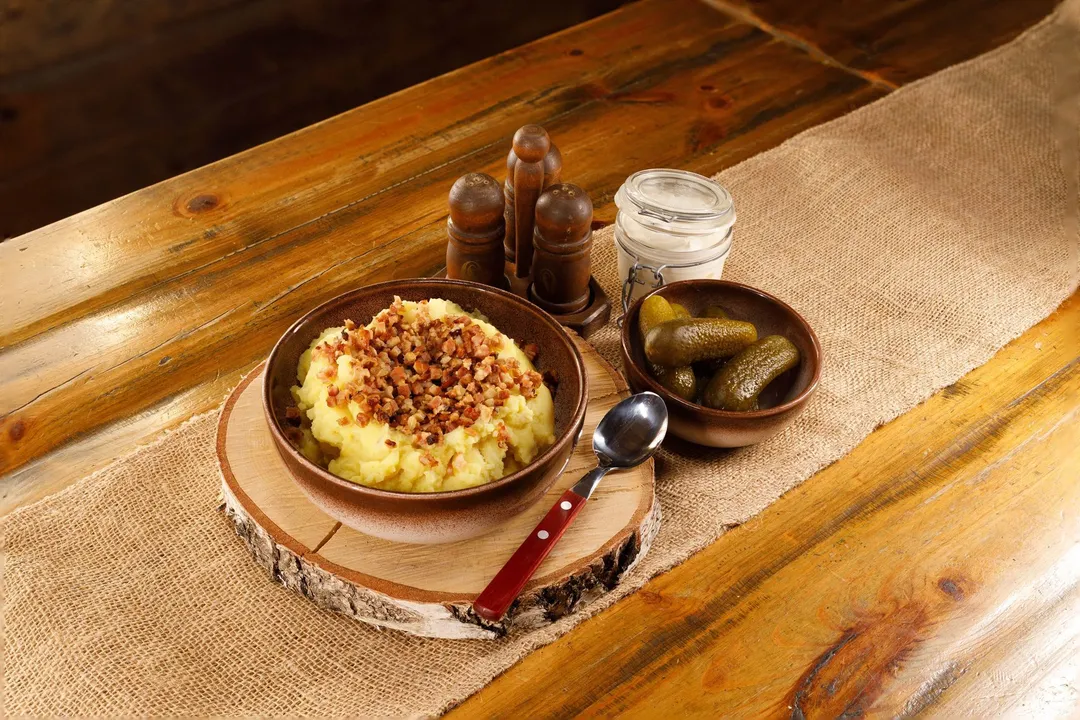
Mulgipuder is perhaps the ultimate taste of old-school Estonian comfort. [1][4] This thick, filling porridge combines mashed potatoes and barley, often enriched with bacon or pork for a richer flavor. [1][4][8] Interestingly, this rustic dish is so distinctly Estonian that it was added to the UNESCO List of Intangible Cultural Heritage in 2024, setting it apart from many other foods influenced by neighbors. Another historic preparation is Sült, a savory meat jelly or aspic, often made from slow-cooked pork that sets in its own broth. [1][8] It is typically served cold as an appetizer, traditionally accompanied by mustard or vinegar. [1] For meat lovers sticking to less challenging fare, roast pork with sauerkraut (seapraad ja hautatud hapukapsad) provides that characteristic tanginess against rich meat. [8]
# Forest Harvest
Due to Estonia’s vast forests and extensive coastline, game and fish feature prominently in the local palate. [3][8] Wild game meat, such as elk and wild boar, is readily available on many Tallinn menus, appearing in steaks, stews, or even lasagnas. [4][5] A particularly accessible way to try elk is through the very affordable and rich elk soup often served at traditional spots near the Town Hall Square. [4]
Fish from the Baltic Sea is another cornerstone. Herring, declared the national fish in 2007, is commonly found salted, marinated, or smoked. [4][8] Perhaps the most iconic presentation of this small, oily fish is the Kiluvõileib, the sprat sandwich. This creation features black bread smeared with butter, sometimes egg butter (munavõi), and then topped with fileted sprats, onions, and dill. [8] It’s serious enough for special occasions like weddings and birthdays. The emphasis on foraged ingredients is seasonal; during summer, berries like bilberries and lingonberries are abundant, while the autumn brings prized wild mushrooms, especially yellow chanterelles, which are often served in a creamy sauce. [8]
# Everyday Sustenance
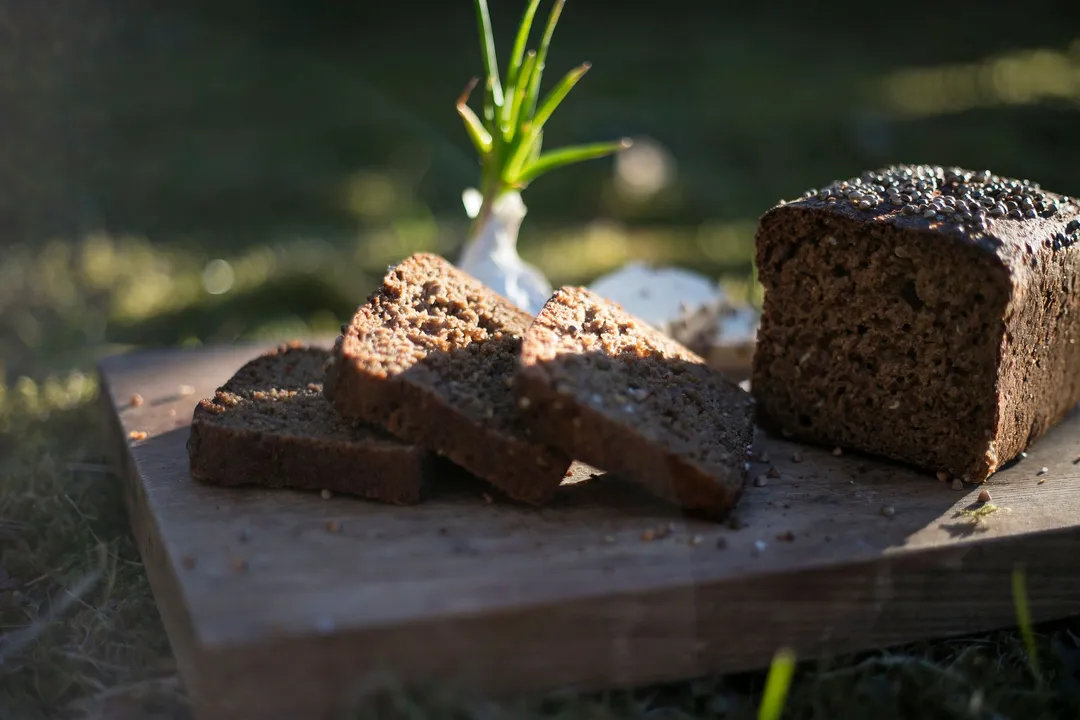
Estonian eating habits heavily rely on simple, sustaining ingredients, with dark rye bread (rukkileib) being central to nearly every meal. [6][8] This dense, dark bread, whose recipe is often adapted with seeds, bacon, or even berries, pairs beautifully with salty butter and creamy Estonian cheese, which is often likened to Gouda or Edam. [4][8]
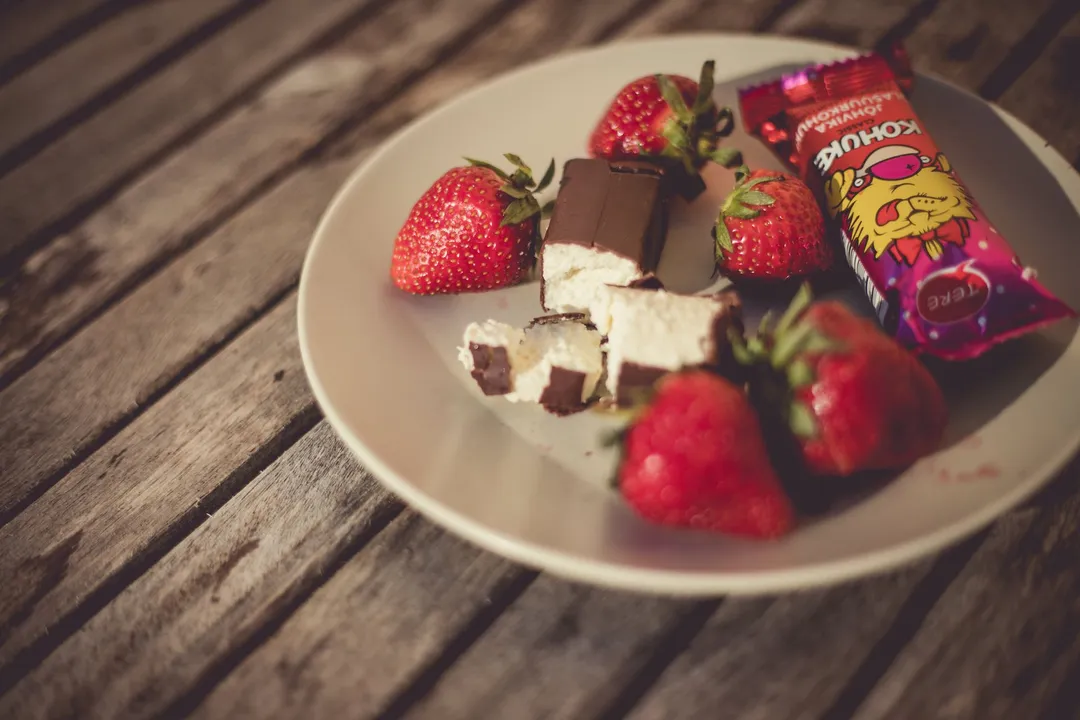
While many traditional dishes are borrowed or adapted, a few items stand out as distinctly modern or culturally adopted staples. The Kohuke, a sweet, pressed curd snack glazed in chocolate, is incredibly popular, despite originating in Moscow and gaining cult status during the Soviet era. [8] It’s easy to find in supermarkets in various flavors, including caramel and coconut. [4][8]
The historical resourcefulness of Estonian cooks is perhaps best represented by Kama. This flour mix, typically made from barley, oat, rye, and yellow peas, was born from ensuring no grain went to waste. [4] Today, it is traditionally mixed with sour milk like kefir or buttermilk, often sweetened with honey and berries, making for a nutritious breakfast or dessert base. One unique observation is how deeply ingrained these simple, shelf-stable components are; while Mulgipuder has achieved official heritage status, the humble Kohuke and Kama represent the necessary, everyday fuel that persisted through different political eras. [1][4][8] It is this very history of preservation—fermenting, smoking, and milling grains—that gives the foundational flavors of the cuisine its distinctive character. [8]
For a savory grab-and-go option, Pirukad are essential. These are small pastries, often baked or fried, though calling them "pies" might be misleading; they are closer to empanadas or savory croissants, with fillings ranging from cabbage and meat to cheese or even apple and rhubarb for a sweet version. [4][8] If you are seeking a quick, budget-friendly bite, the III Draakon tavern near the Town Hall Square sells cheap elk soup and pirukad. [5]
# Modern Flavors
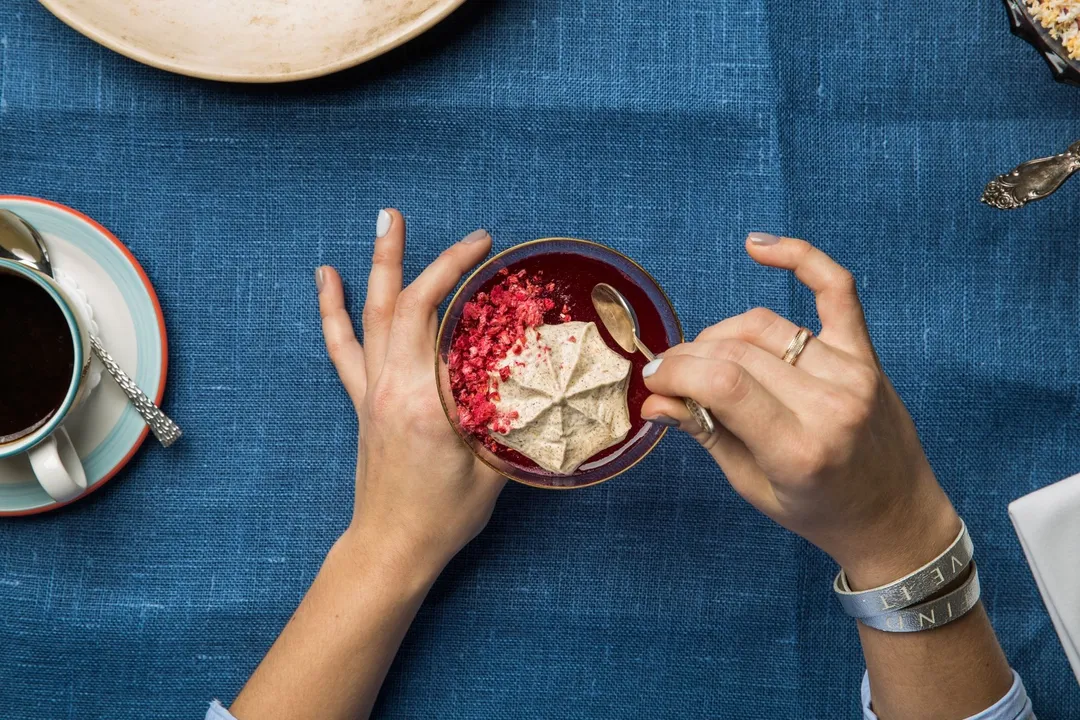
Tallinn’s dining scene is currently experiencing a culinary renewal driven by well-traveled chefs who are integrating global inspiration with local, seasonal produce. [3] You can find inventive dishes that use traditional Estonian ingredients in unexpected ways. For example, some chefs create hummus using seasonal foraged chanterelles instead of chickpeas, serving it with house-made sourdough pitta—a taste described as "Estonian summer". [3] Another example of fusion is the use of local ingredients in a Reuben sandwich featuring Estonian brisket pastrami and local sauerkraut. [3]
Even historical culinary concepts are being reinterpreted. Sült (aspic) might be traditionally eaten as a starter, but modern bistros offer multi-course tasting menus that focus on nature, such as one featuring truffle arancini topped with smoked duck, demonstrating an elevated approach to local sourcing. [3][8] Even simple vegetables get the star treatment; one restaurant famously serves a boiled cauliflower crowned with a rich Parmesan sauce that patrons refuse to let the chef remove from the menu. [3] For those seeking high-end refinement, there are Michelin-recognized restaurants that maintain a nature-led philosophy while serving complex, bold flavors. [3]
It is worth noting the continued relevance of neighboring cuisines; Georgian food is represented well, offering dishes like kubdari pies, and Russian pelmeni dumplings remain a popular and excellent value choice for starters. [3][5]

# Liquid Exploration
To wash down the heavy meats or contrast the fresh seasonal produce, Tallinn offers a compelling beverage selection. The national drink is Kali, a slightly fermented bread drink described as a cross between beer and soda, which is naturally fizzy and sour-sweet. [1][4] This "liquid bread" is widely available. [1]
For something alcoholic, the legendary Vana Tallinn liqueur is mandatory tasting. [1][8] This dark, rum-based spirit is flavored with citrus, spices, and vanilla, and is served neat, in coffee, or mixed into cocktails, with seasonal variations like a "Winter Spice" version also available. [1][8] If you enjoy tasting local craft beverages, the scene is very active, with many microbreweries to sample. [3][8] Many locals enjoy beer gardens in the summer, and craft beer brands like Põhjala are well-regarded enough to have their own brewery and taproom. [3][5] A fun, local tip is that while Vana Tallinn is famous, if you are looking for a truly local everyday staple, try Limpa lemonade, a drink many Estonians remember fondly from childhood that is hard to replicate elsewhere. [7]
Whether you opt for a medieval-themed tavern serving honey-infused beer in clay jugs, or seek out a modern spot for a glass of Estonian apple ice wine, the drink scene complements the food’s duality. [3][8] A key piece of advice for navigating the dairy-heavy and grain-focused nature of the cuisine is to embrace the rye bread culture completely. Instead of just having it as a side, seek out variations like rye bread yogurt with hazelnuts or use it as the base for Kiluvõileib; its robust flavor is versatile enough to handle sweet toppings like berries or savory additions like smoked cheese, making it far more than just a simple slice of bread. [4][8]
From the ancient comfort of Mulgipuder to the innovative cauliflower at a modern restaurant, eating in Tallinn is an exploration of resilience and creativity. The city encourages visitors to enjoy both the preserved traditions—often found near the historic Old Town walls—and the cutting-edge food arriving from its newer, creative districts like Kalamaja and Telliskivi. [3][5]
Related Questions
#Citations
Top 17 Traditional Estonian Food You Need to Try
A Foodie's Guide to Tallinn Restaurants - Amsterdam Foodie
What to eat in the Estonian capital, Tallinn | National Geographic
Cheap Eats Guide to Tallinn - BudgetTraveller
What Estonian snacks do I have to try when visiting? I have heard ...
The Ultimate Estonian Food Guide | Celebrity Cruises
Five classic foods to try in Estonia
EAT, DRINK, EXPLORE: TALLINN - CIEE