What are some facts about squash?
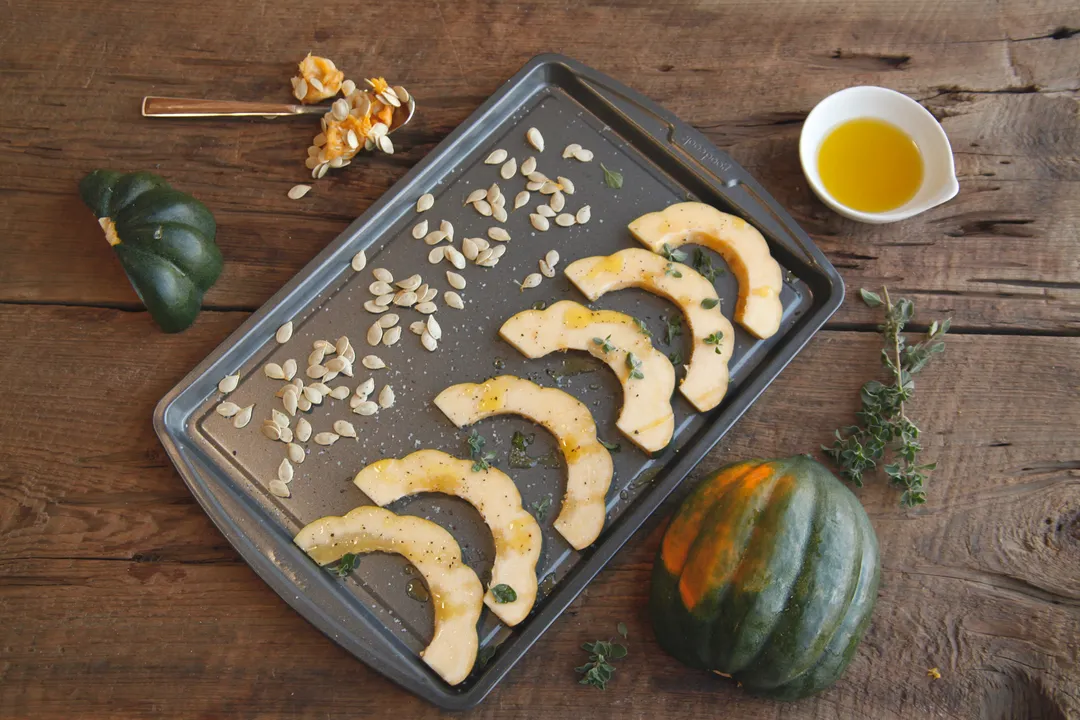
The term "squash" immediately brings to mind visions of autumn feasts, vibrant orange pies, or perhaps the fast-paced energy of an indoor racquet sport, but the facts surrounding this versatile plant and game are far deeper than surface appearance suggests. For instance, botanically speaking, whether you are carving a massive pumpkin or sautéing delicate zucchini, you are dealing with a fruit. They belong to the Cucurbita genus, placing them in the same plant family as cucumbers and melons. This classification might surprise many who treat squash strictly as a culinary vegetable.
# Naming History
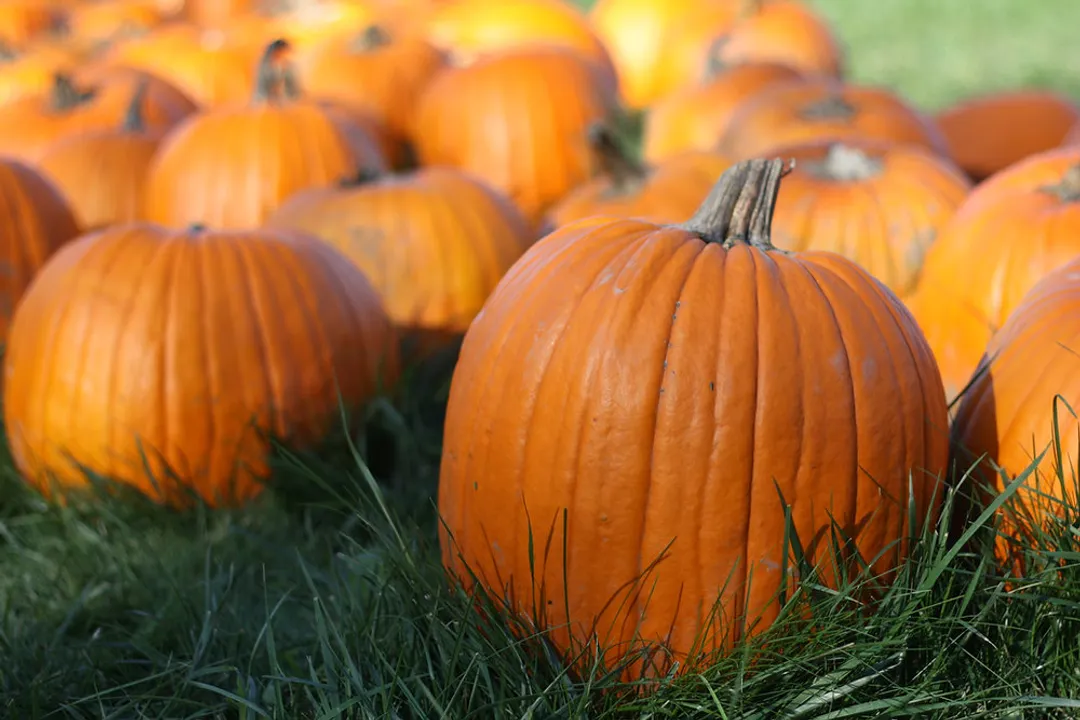
The name itself is a linguistic artifact tracing back to indigenous North American cultures. It is believed to originate from the Narragansett Indian word askutasquash, which translates roughly to "eaten raw or uncooked". It is interesting to reflect that while the namesake referred to consumption in its raw state, very few modern eaters—even those who enjoy summer squash raw in salads—regularly consume the hard-fleshed winter varieties without heat treatment. This linguistic heritage provides a subtle nod to ancient preparation methods long before cooking techniques were universally adopted.
# Two Types
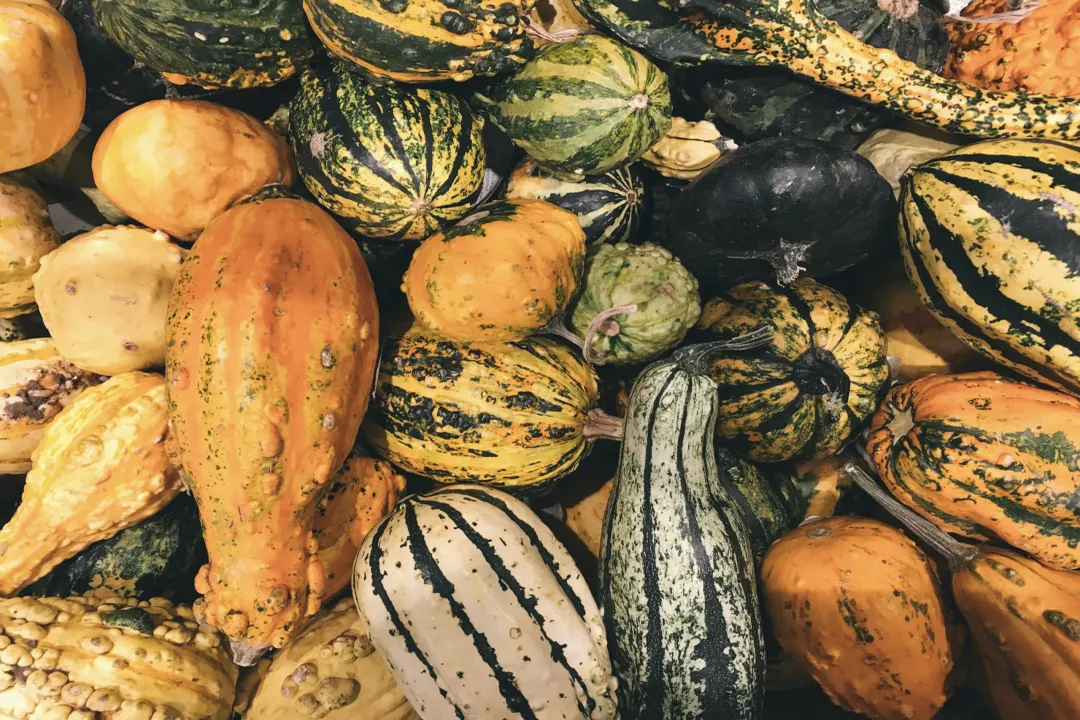
Squashes are broadly sorted into two main culinary and horticultural groups: summer squash and winter squash. The difference is not strictly about the season they are harvested, but rather their physical characteristics and ability to keep.
# Summer Harvest
Summer squashes, such as zucchini and pattypan squash, are characterized by their thin rinds. Because their skin is soft and their seeds are pliable, they must generally be eaten shortly after picking and do not store well for long periods. A significant aspect of summer squash is the utility of the entire plant; beyond the fruit, the leaves, tendrils, shoots, stems, and even the flowers are entirely edible. Nutritionally, while summer varieties lack the high Vitamin A content of their winter cousins, they remain beneficial, offering good amounts of Vitamin C and dietary fiber while remaining very low in calories, often clocking in around 35 calories per cup.
# Winter Storage
In contrast, winter squashes take a longer period to mature, resulting in much harder flesh and thicker rinds. This thick exterior is the reason they are called "winter" squashes—they can be stored for months in a cool, dry place, making them staples throughout the cold season. Varieties like pumpkin and butternut squash typically fall into this category. The seeds of winter squash are usually too tough to eat raw but are highly nutritious when toasted separately.
# Culinary Diversity
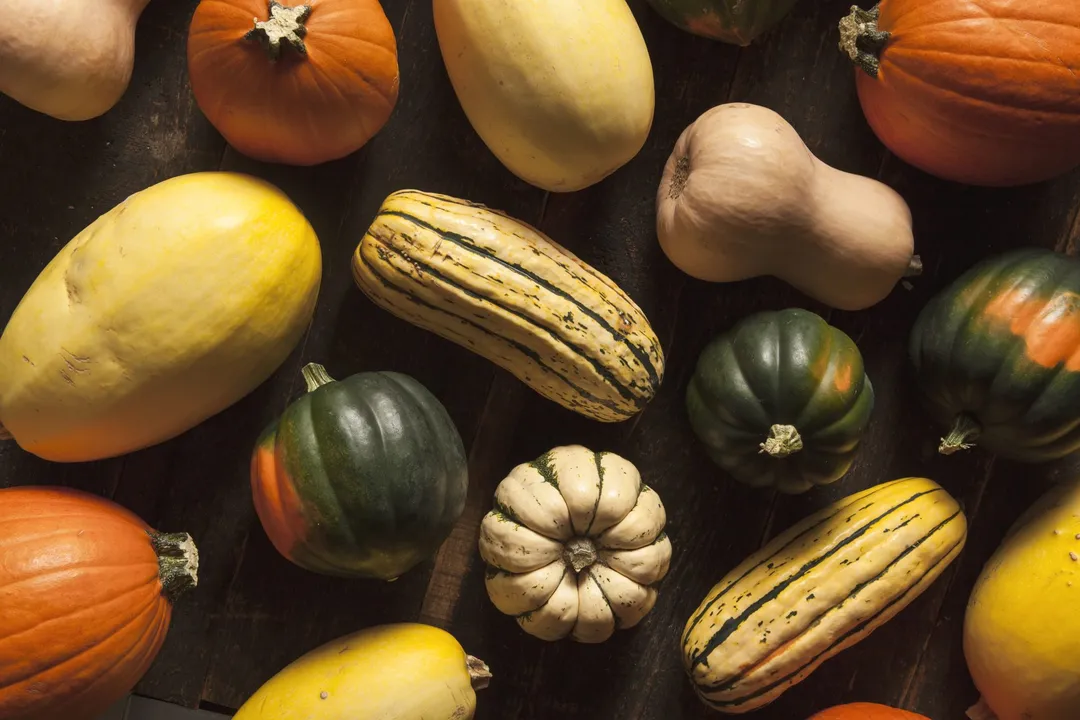
The world of winter squash is remarkably varied, offering a spectrum of textures and flavors that extend far beyond the typical canned orange filling found in holiday pies (which is often butternut squash, not pumpkin).
Chefs and home cooks value winter squash for its versatility: it can be roasted, pureed for soup, incorporated into risotto, grilled, or even stuffed. Considering their robust nature, understanding the nuances of common cultivars is helpful when planning meals.
| Cultivar | Shape/Appearance | Key Characteristic | Suggested Use |
|---|---|---|---|
| Acorn | Nut-like, ridged | Sweet, tender flesh | Stuffing, baking |
| Buttercup | Green, turban-shaped | Buttery-sweet flesh | Mashing |
| Delicata | Oblong, mini football-like | Very thin, edible skin | Roasting (peeling unnecessary) |
| Kabocha | Round/oblong, green/gray | Velvety flesh, very tough exterior | Soup, gratin, braising |
| Butternut | Classic bulb shape, tan skin | Versatile, relatively thin skin for winter squash | All-purpose baking, sautéing |
| Spaghetti | Light-yellow, football-like | Flesh separates into strands when raked | Raked flesh resembles pasta |
For the larger varieties, like the Kabocha, which possess a very tough exterior, cooks can soften the skin prior to cutting by microwaving the squash for a few minutes, requiring less sheer physical force with the knife. Furthermore, ancient uses showcase a deep connection to the fruit; some Native American groups, like the Sioux, dried pumpkin strips and wove them into mats for sitting and sleeping. Even the rinds, once dried, served as durable containers for holding items like paint or soup—a historical example of maximum resource use.
# Ancient Roots and Modern Agriculture
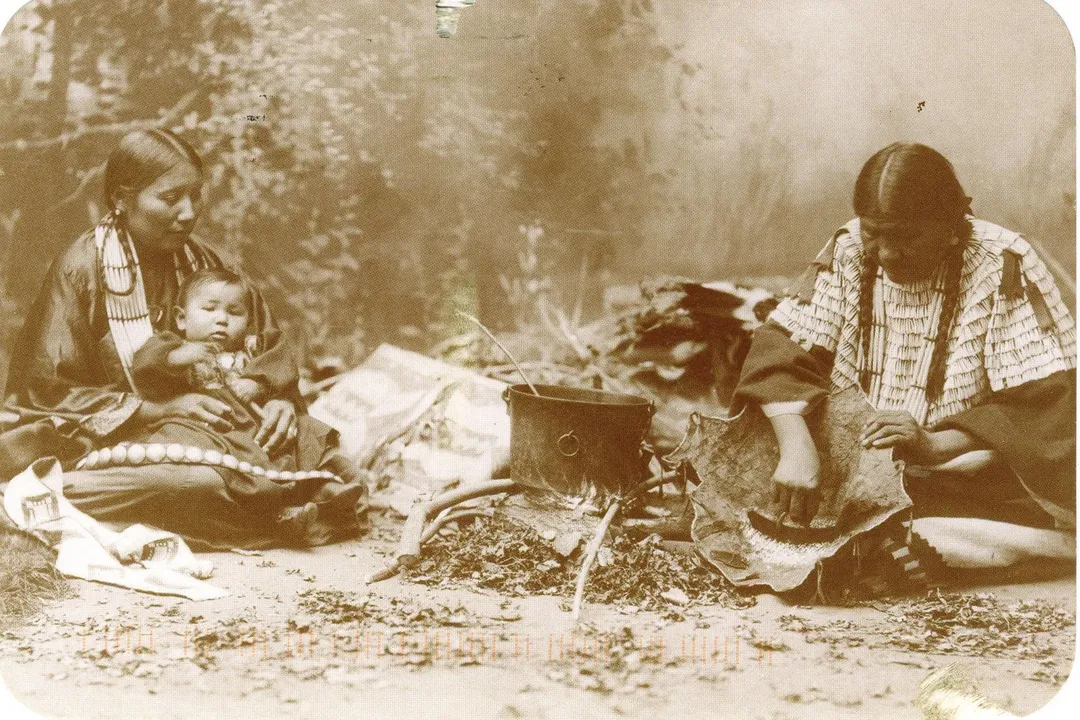
Squash is one of the oldest crops cultivated in the Americas, with evidence of its growth dating back to 8,000 BCE in regions spanning from the Eastern United States down through Central Mexico and into Peru. This longevity is part of a rich global heritage that modern farming sometimes threatens. In a wonderful example of conservation, archaeologists unearthed 800-year-old ancient squash seeds from a pot, which were then successfully germinated by a Native American horticulture group, effectively bringing a lost variety back into cultivation.
From a large-scale production standpoint, California leads the nation in squash output, though the U.S. imports the most squash globally, with Mexico supplying roughly 90 percent of those imports. On the flip side of production, a focus on local sourcing is important, as some winter squash varieties rank moderately high on lists regarding pesticide loads, making it wise to inquire about growing methods when shopping outside of organic certification.
# Potent Nutrition
The deep orange and yellow pigments present in many winter squash varieties are indicators of powerful, disease-fighting antioxidants. These compounds are known to offer protection against conditions like stroke and cataracts. Specifically, a single cooked cup of cubed winter squash typically contains about 80 calories, virtually no fat, and minimal sodium.
The vitamin profile is particularly strong:
- Vitamin A: A single cup of winter squash often provides far more than the daily requirement, sometimes reaching 457% of the Daily Value.
- Vitamin C: A one-cup serving can supply about half of the recommended daily intake for Vitamin C.
- Minerals and Fiber: They are also very good sources of potassium and manganese, and good sources of magnesium, calcium, and Vitamin E, in addition to being high in dietary fiber. The fiber content contributes to satiety, helping one feel full without consuming excessive calories.
# Pollination Puzzles
A fascinating ecological fact about squash cultivation involves its reproductive habits. Squash plants are notorious for cross-pollinating via insects. This means pollen from one variety can easily fertilize another variety growing nearby. While the resulting fruit will look normal, planting the seeds harvested from that fruit the following year will yield offspring exhibiting traits from both "parent" squashes. For farmers or seed savers aiming for true-to-type results, this requires strict isolation—at least 1,500 meters—or manual pollination.
Historically, the native squash bee was the crucial pollinator that traveled alongside the plant’s spread through the Americas, creating a symbiotic relationship where the bee needed the squash pollen for food. However, these native bees have declined, likely due to pesticide sensitivity, leading commercial operations to rely on European honey bees. Honey bees, however, are often less enthusiastic about squash pollen and may favor other flowers, indicating that the shift in pollinators might not be entirely straightforward for optimized yield.
# The Other Squash
While the fruit is common, when many people hear "squash," they think of the fast-paced, walled-court sport, which has its own set of distinct facts.
# Global Reach
The sport of squash is globally popular, played by over 20 million people regularly across more than 185 countries. The game has a strong international presence, with top-ranked players originating from nations like Egypt, England, France, and Malaysia. In the United States, participation has shown significant growth; growth between 2010 and 2015 reached 66%. It has even earned accolades, with one Forbes study declaring it the #1 sport for getting and staying fit, primarily due to the intense calorie burn—players can expect to expend about 750 calories per hour on the court.
# Player Profile
The demographics associated with the sport often point to a highly engaged demographic. Survey data suggests that active squash players often possess high levels of education and affluence, with median incomes exceeding 1,500,000. Furthermore, the sport is deeply embedded in academia; every Ivy League school maintains a varsity squash team, and over 200 colleges and universities host courts. The growth in junior participation suggests this trend will continue as more collegiate programs develop.
# Court Conversion
An interesting rivalry exists in the racquet sport world: while squash participation has been surging, racquetball has seen a continued decline, with the Sports & Fitness Association reporting a 16% drop in participation since 2010. This shift has led to the conversion of racquetball courts into squash courts in various clubs around the world.
# Edible Flowers and Seeds
Focusing back on the produce, the uses extend beyond the flesh and rind. The flowers of the squash plant are entirely edible. They can be incorporated fresh into salads, or prepared by steaming, baking, or stuffing them with savory fillings. This practice highlights another layer of the plant's utility that many modern consumers overlook.
The seeds, too, have a rich medicinal history that predates modern pharmacy. Native Americans utilized squash seeds for centuries to treat intestinal parasites. The effectiveness of this traditional remedy was so trusted that the United States pharmacopeia officially listed squash seeds as medicine for parasite treatment from the 1800s into the early 1900s. It is a stark contrast to today's common habit of discarding seeds after scooping them out of a pumpkin or butternut squash.
# Production and Purchase Cues
When selecting winter squash at a market, whether local or commercial, keen observation can ensure better flavor and storage life. A high-quality squash should feel heavy relative to its size and have firm skin entirely free of blemishes or soft spots, as these indicate early decay. Tapping the exterior should produce a distinct, hollow sound. If the stem is still attached, it should be firm and intact. For optimal storage, keep the squash in a place that is cool, dark, and dry, ensuring good air circulation, where many varieties can maintain quality for several months. For cut squash, tight sealing and refrigeration will preserve it for up to five days. If you harvest more than you can use fresh, raw squash cubes can be frozen in a single layer on a tray before being transferred to a container, allowing them to last up to six months.
Related Questions
#Citations
8 Fun Facts About Squash - Food and Health Communications
6 things you didn't know about squash - SeedChange
8 Fun Facts About Squash - Community Health Center | Butler, PA
12 Fun Facts about our All-American Fruit! - GrubMarket Blog
Squash Facts
Winter Squash: Everything You Need to Know - FoodPrint
squash - Kids | Britannica Kids | Homework Help
Facts for Winter Squash - Washington State Department of Agriculture