Is Estonian food spicy?
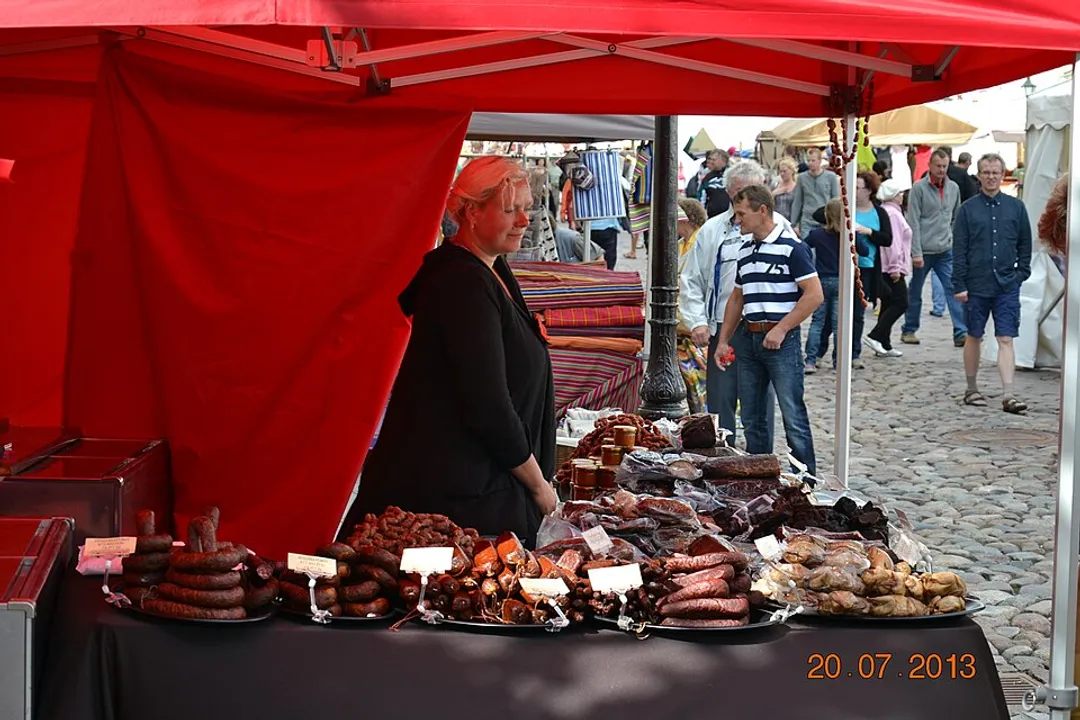
The immediate answer to whether Estonian food is spicy is a resounding no, at least when considering the deep-rooted, traditional cuisine that defines the culinary identity of the nation. Estonian flavors lean heavily toward the savory, the earthy, and the distinctly mild, reflecting centuries of necessity dictated by geography, climate, and historical influences from Nordic, German, and Russian neighbors. [1][2][4] Unlike many cuisines where heat from chili peppers is a defining characteristic, Estonian cooking prioritizes the natural taste of core ingredients: dark rye bread, pork, root vegetables, freshwater fish, dairy, and seasonal forest finds. [7][4]
The general character of the food is one of comforting simplicity. When you sit down to a traditional Estonian meal, you are more likely to encounter the sharp tang of soured cream, the salinity of cured herring, or the subtle sweetness of cooked carrots and barley than you are to encounter a fiery burn on your palate. [9][2] This reliance on basic, preserved flavors speaks to a historical reality where ingredients needed to last long, cold winters, favoring methods like salting, smoking, pickling, and fermentation over complex spice blends that might mask the quality of scarce resources. [4]
# Traditional Profiles
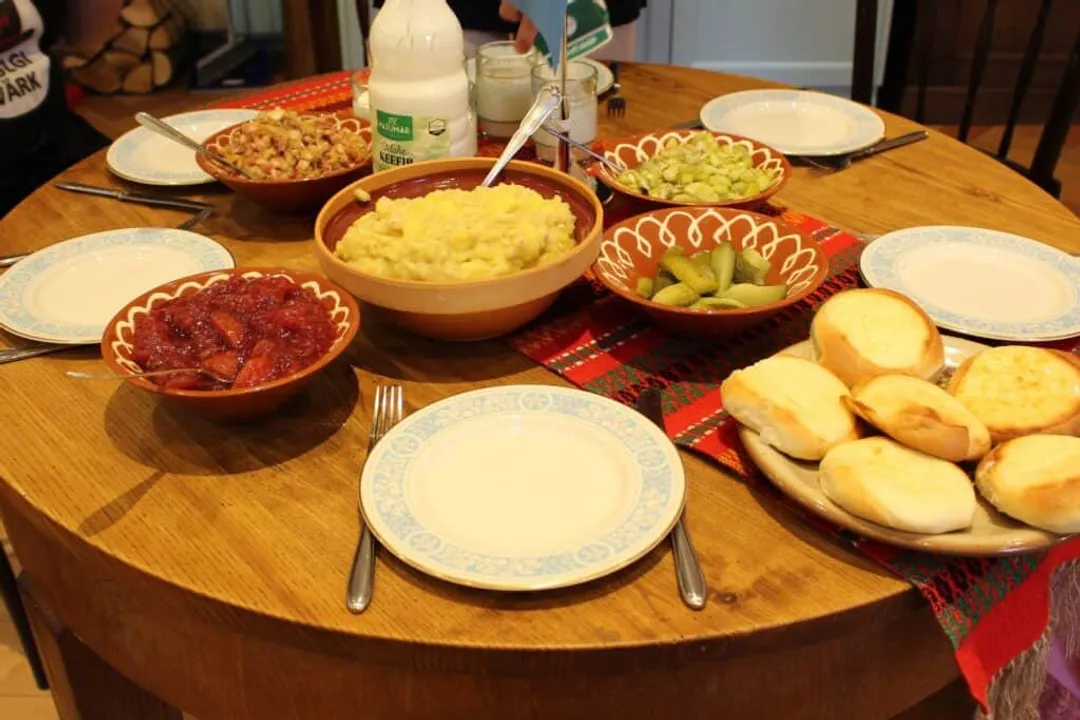
Estonian cuisine is heavily defined by staple starches and substantial proteins meant to provide energy for manual labor in a cool climate. [1][9] Rye bread, known as leib, is perhaps the most central element, often dense, dark, and slightly sour, serving as the base for nearly every meal. [4] It's not unusual to see slices of bread served alongside everything, sometimes even used as a utensil or base for other items. [1]
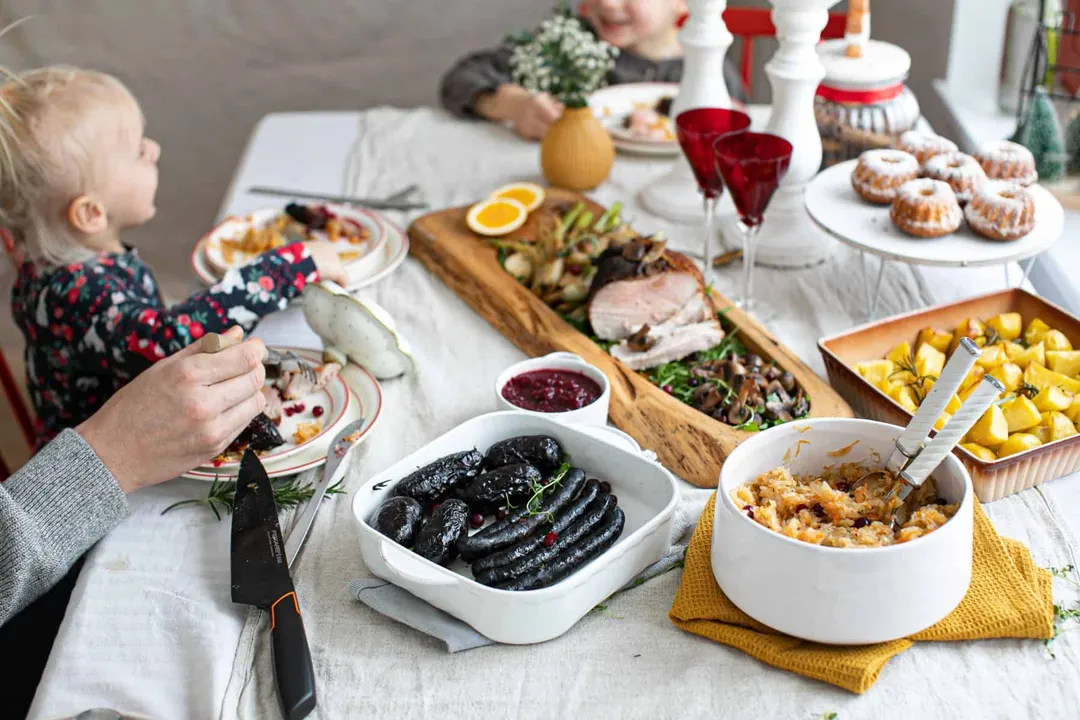
Fish plays a significant role, particularly herring, which is prepared in countless ways: marinated, smoked, or served with onions and sour cream. [2] Pork is another mainstay, frequently boiled, roasted, or prepared in ways that maximize its richness. A hearty and famous example of this is Mulgipuder, a thick, satisfying mash made from pearl barley, potatoes, and pork, often served with a dollop of browned butter or sour cream. [1][7] This dish is the epitome of Estonian comfort food—filling, flavorful through its simple components, but entirely free of capsaicin heat. [8]
Dairy products also feature prominently, offering a cool, balancing counterpoint to heavier elements. Thick sour cream (hapukoor) is a near-universal condiment, lending a pleasant acidity to soups, potato dishes, and fish preparations. [2][4] Fresh curd cheese, kohuke, often sweet and covered in chocolate, is a popular dessert or snack, showcasing the cuisine's lighter, sweeter side when not focused on the main savory courses. [1]
# Heat Sources
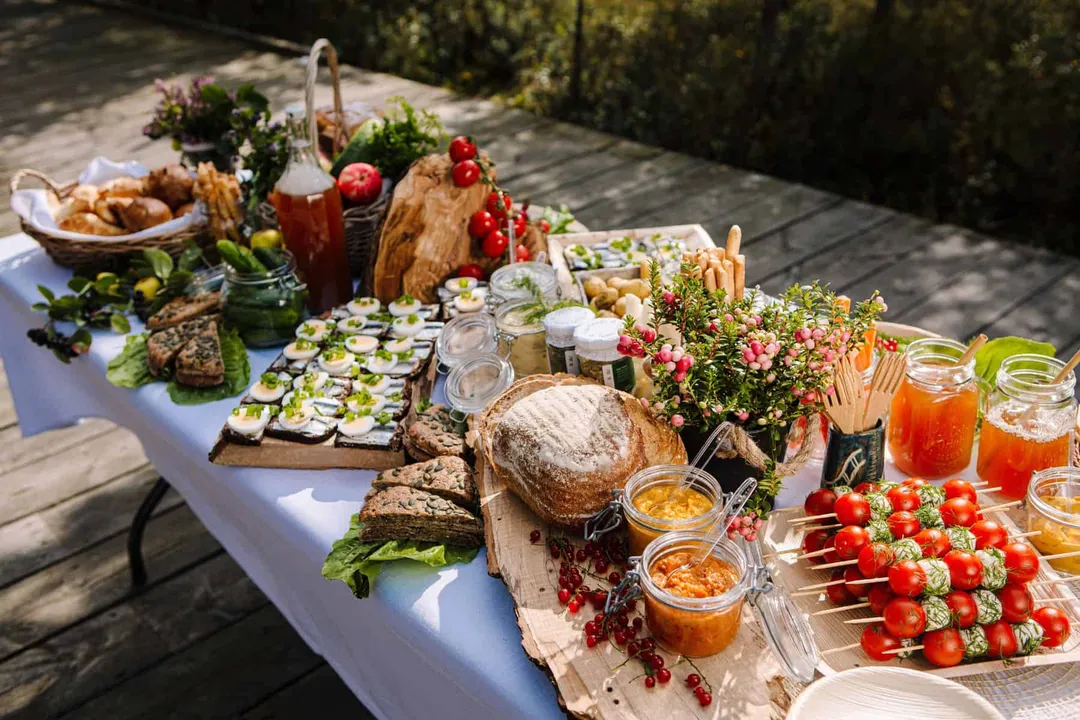
When spice is introduced, it usually arrives in the form of pungent, sharp condiments rather than sustained heat. Think horseradish or strong mustard, which provide an immediate nasal kick but dissipate quickly, as opposed to the lingering burn of chili peppers. [5] These sharper additions often serve to cut through the richness of smoked or fatty meats, acting more as a digestive aid or flavor enhancer than as a source of true "spiciness" as understood in many global culinary contexts. [4]
For visitors accustomed to the bold use of chiles, the Estonian table can feel surprisingly demure. If you are dining in a very traditional setting, such as a rural farmhouse or a restaurant explicitly focusing on historical recipes, the flavor profile will remain within this safe, mild zone. [5] The primary challenge for spice-lovers isn't avoiding heat; it's finding any at all in the foundational dishes.
Contrast this with the flavor profiles of nearby countries; while Russian cuisine also favors savory and fermented tastes, some Eastern influences might introduce a bit more sharpness from ingredients like dill or strong onions, but even these pale next to cuisines known for their heat. [2] Estonian food remains distinctly Northern European in its restraint. [4]
# Modernizing the Palate
However, contemporary Estonian culinary life is not frozen in time, and this is where the nuances of the spice question become interesting. Major cities like Tallinn boast modern, internationally influenced restaurants where chefs are certainly aware of global trends, including the use of hot peppers. [3] A modern menu might feature a perfectly respectable steak with a side of spicy chimichurri or a fusion dish incorporating Asian chili pastes. [3] The simple existence of a thriving contemporary dining scene means that spicy food is available, but it is an addition, not an integral part of the national culinary canon. [5]
The most peculiar and perhaps most famous modern association with heat comes from an unexpected source. Estonia has, at times, garnered international attention related to chili peppers, specifically noted by publications like The Economist. [6] This reference isn't tied to traditional cooking but often relates to a specific, highly publicized venture or individual known for cultivating or appreciating extremely hot peppers. [6] This phenomenon is a fantastic example of how a small nation can become known for a very specific, perhaps even niche, product or event, momentarily eclipsing its traditional mild reputation on the global stage. [6] It highlights a fascinating divergence: a cultural bedrock of mild flavors coexisting with a modern, almost competitive, interest in cultivating extreme heat. [6]
To put this in perspective, consider the common practice of adding smoked paprika or black pepper—both widely used in Estonia—which contribute aroma and mild warmth, against the high Scoville units of modern hot sauces. [5] In Estonia, black pepper might be considered the "spiciest" common tabletop seasoning found in most homes, highlighting the relative lack of inherent heat in the local diet. [4]
# A Deep Dive into Traditional Preparation
To truly appreciate why the food remains mild, one must look closer at the typical ingredients and preparation methods that form the backbone of the cuisine.
# The Importance of Preservation
Before refrigeration was common, Estonian cooks relied on methods that focused on preservation and easy digestibility, which inherently steer away from intense, volatile spices. [4]
- Souring and Pickling: Sauerkraut (hapukapsas) is a classic example. While it provides a sharp, acidic profile, this is due to lactic acid fermentation, not capsaicin. [9] This sourness helps balance rich meats and provides necessary vitamins during winter. [2]
- Smoking and Salting: Herring and eel are frequently smoked. The smoking process imparts deep, earthy, woody notes, which are complex but decidedly not spicy. [2] Salting is a method of preservation that seasons the food intensely, but again, without heat. [4]
- Grains and Roots: The diet is heavy on barley, oats, potatoes, and turnips. These mild starches act as natural buffers, absorbing flavor without needing aggressive seasoning to stand out. [1]
This reliance on preservation techniques suggests an early form of flavor control; strong spices might have masked the taste of food that was close to spoiling, a risk modern Estonian cuisine, with its focus on fresh, local seasonal produce, no longer needs to manage in the same way. [4]
# Seasonal Extremes
Estonian food is intrinsically linked to the seasons, which also influences the spice level. During the short, intense growing season of summer, there is an abundance of fresh berries—lingonberries, cloudberries, blueberries—which are used in sauces, drinks, and desserts. [1][7] These offer tartness and sweetness, but not heat. Winter demands heavier, preserved fare, which, as discussed, favors salt and sourness over piquancy. [4]
If we were to visualize the typical flavor spectrum of traditional Estonian cuisine, it would look something like this:
| Flavor Category | Dominant Examples | Spice Level (Scoville Proxy) |
|---|---|---|
| Sour/Tangy | Sour Cream, Pickles, Sauerkraut | Very Low (Acidic, not Pungent) |
| Savory/Earthy | Rye Bread, Barley, Mushrooms, Pork | Low (Umami/Salt Dominant) |
| Sweet | Berries, Honey, Kohuke | Low (Natural Sugars) |
| Pungent/Sharp | Mustard, Horseradish | Medium (Immediate, short-lived kick) |
| Hot (Chili Heat) | Chili Peppers (Modern/External) | Variable (Rarely Present Traditionally) |
This informal categorization strongly suggests that unless you specifically order an internationally inspired dish, your meal will reside comfortably in the Very Low to Low spice categories. [5]

# Navigating the Menu: A Practical Guide
For the traveler hoping to experience authentic Estonian flavors while managing spice sensitivity, the mild nature of the cuisine is an advantage, not a limitation. It allows the nuances of the ingredients to shine through. [2] However, knowing how to inquire or what to request can be helpful, especially when modern interpretations cross paths with the traditional.
When ordering, specifically ask about the inclusion of vürtsikas (spicy) ingredients if you are concerned about hidden heat, though this is rarely necessary for classics like Verivorst (blood sausage) or Seapraad (roast pork). [7][8] If you see sinep (mustard) or mädarõigas (horseradish) listed as accompaniments, expect a sharp, sinus-clearing sensation rather than stomach-warming heat. [5] A good rule of thumb for the visitor sensitive to spice is to stick to dishes described as containing kartul (potato), kama (a mixture of ground roasted grains and legumes), or kala (fish) served simply with hapukoor. [1][2] These items are almost guaranteed to be mild and representative of the national taste.
Conversely, for the chili enthusiast, the takeaway is different. You should not expect to find a Scoville-focused dining scene based on tradition. If heat is your goal, seek out modern fusion establishments or specialty events—perhaps even those that celebrate the very chili-growing achievements that put Estonia on the map in certain circles outside of traditional food reporting. [6] Your best bet for controlled heat in a traditional context is to ask for mustard on the side and add it sparingly, knowing you are introducing the highest level of common pungency available in the classic setting. [5]
It is an interesting cultural observation that the culinary heritage, built on necessity and local ecology, evolved to favor complex textures (creamy, chewy, crisp) and deep, savory flavors over the reliance on volatile heat sources derived from distant continents. [4] The slow integration of chilies, if it happens at all, is a recent phenomenon, contrasting sharply with the millennia-old traditions of rye milling and souring milk. [9]
# Beyond the Plate
The relationship between Estonian food and spice also sheds light on the broader cultural approach to external influences. Historically, Estonia has absorbed much from its neighbors, adapting recipes rather than radically transforming them. [2] Where neighboring culinary traditions might have adopted stronger spices through trade routes or conquest, Estonian cuisine seems to have maintained a disciplined preference for its established, mild palette. [4] This suggests a cultural resilience in maintaining core flavor identities, even while other aspects of life modernized rapidly. [3] The fact that the modern global recognition of Estonia related to spice centers on an outlier—an exceptional local dedication to a foreign crop—rather than a widespread embrace of heat, underscores this point beautifully. It’s a novelty, not a trend affecting the core diet. [6]
Considering the effort it takes to grow and harvest certain ingredients in the northern climate, it makes economic and logical sense to celebrate the subtle, natural flavors that can be reliably produced, rather than masking them with expensive or hard-to-obtain, potent spices. [4] The mastery lies in making simple ingredients taste profound through technique (like slow-baking rye or perfectly smoking fish), not through fire. This respect for the inherent quality of the local harvest remains the defining feature of what you will find on an authentic Estonian table, ensuring that your experience will be warm and satisfying, but almost certainly not spicy in the way many international visitors might anticipate. [1][7]
Related Questions
#Citations
What exactly is real Estonian food? - Found in Estonia
A Take on Estonian Cuisine by an Estonian Living Abroad - Eesti Elu
Estonian cuisine - Wikipedia
Everything you need to know about food in Estonia | Bradt Guides
What is unusual or different about the food and cuisine in Estonia?
How chili peppers made Estonia famous at The Economist
Did You Know? - AtoZ World Food
Top 17 Traditional Estonian Food You Need to Try
What you eat is what you AAR - the worldwide introduction of ...