Health Benefits of Ulluco
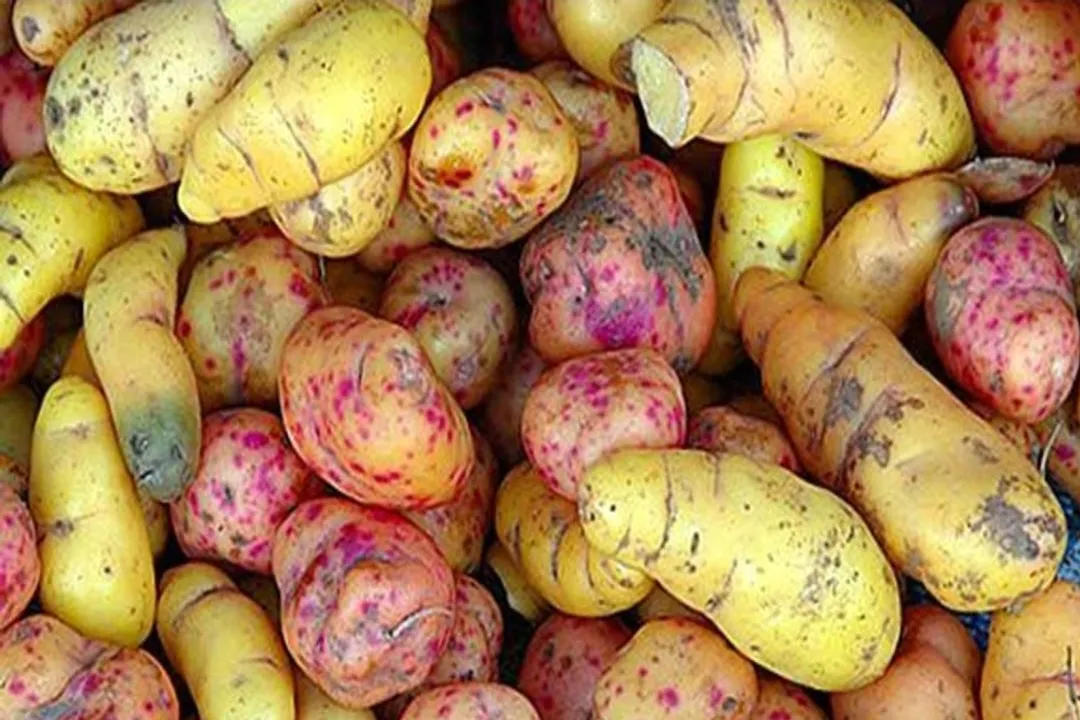
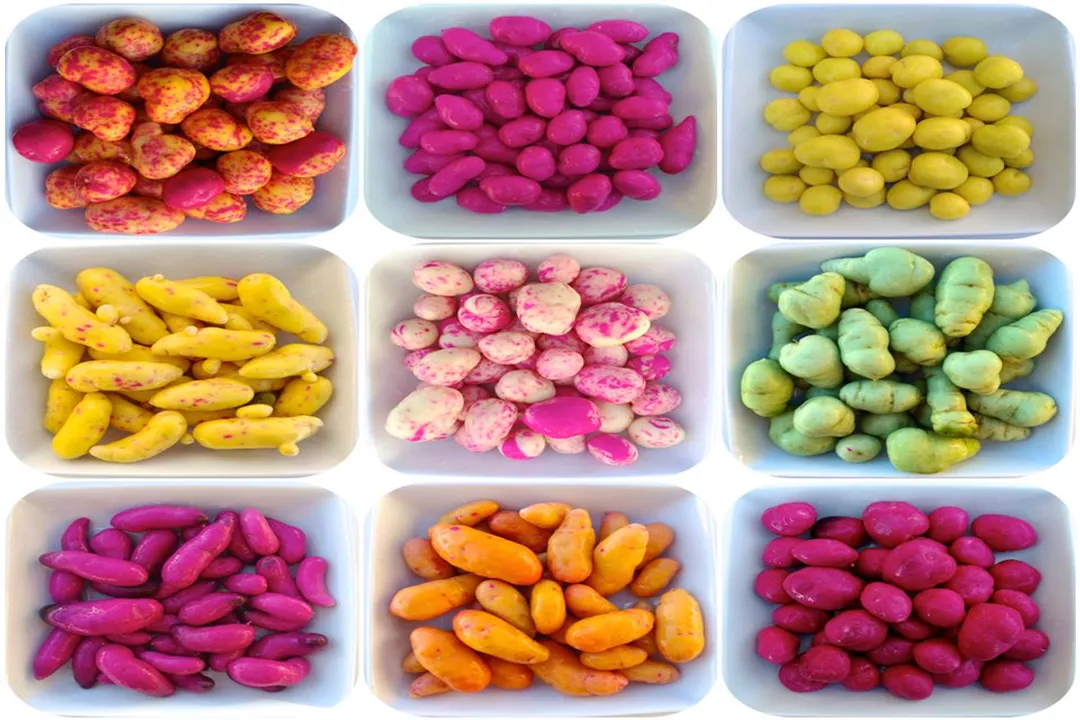
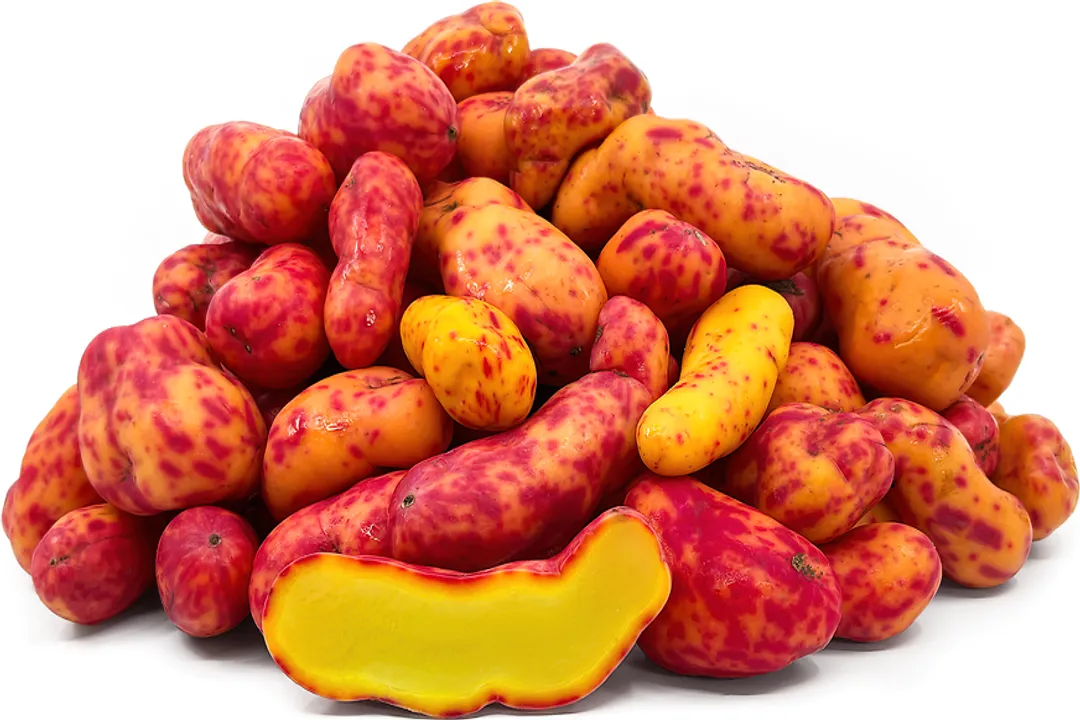
Ulluco, botanically known as Ullucus tuberosus, represents a cornerstone of Andean agriculture, holding a unique place alongside the potato in terms of economic importance in that region. Developed over four millennia, this perennial root vegetable was a critical food source for the Incas before European introduction shifted dietary focus toward imported staples. This bright, waxy-skinned tuber presents a rainbow on the plate, spanning shades from vivid yellow and orange to pink and deep purple, a visual cue to its dense nutritional makeup.
# A Spectrum Of Nutrients
The health profile of ulluco sets it apart from many common starchy vegetables. It is recognized for being rich in protein, calcium, and carotene. While it serves as a significant source of carbohydrates, which provides essential energy, it curiously contains about twenty percent fewer calories per serving when directly compared to a standard potato. This combination—providing energy while offering lower caloric density than its well-known counterpart—makes it an attractive option for those mindful of their energy intake without wanting to sacrifice sustenance.
The very pigments that give ulluco its striking colors are the source of significant health advantages. These colors arise from high concentrations of betalains. Betalains are powerful pigments known for delivering antioxidant and anti-inflammatory support. Furthermore, this root vegetable contains several betalains that have not been identified in any other known edible plants, suggesting a unique phytochemical contribution to the diet. Within this pigment group, the red/purple varieties boast high concentrations of betacyanins, while the yellow/orange ones are rich in betaxanthins. If a person consumes a large quantity of these brightly colored tubers, they might notice a temporary color change in their urine or feces—a condition known as beeturia—which, similar to eating beets, is generally harmless, though it warrants attention if it coincides with suspected iron deficiency or excessive oxalate intake.
# Vitamin C Density
One of the most demonstrable nutritional advantages of ulluco is its exceptional Vitamin C content. It is noted as being very high in this essential nutrient, containing more than double the amount found in potatoes. Vitamin C is indispensable for the body, playing a role in the growth and timely repair of tissues across all body systems. Given that ulluco also supplies other vital micronutrients, including B vitamins, iron, and potassium, its carbohydrate contribution can be viewed not just as energy delivery, but as a vehicle for supporting immune function, which Vitamin C is known to aid.
# Digestive Health Factor
Beyond the vitamins and pigments, ulluco offers a solid contribution to gut wellness through its fiber content. Dietary fiber is crucial for supporting healthy digestion and aiding in the prevention of constipation. When considering ulluco as a base for meals, especially in high volumes, this fibrous nature contributes to satiety and steady digestive function, something that can sometimes be lacking in highly refined starchy foods.

# Flavor Texture Dynamics
The eating experience of ulluco is as varied as its skin color, depending heavily on its maturity and whether it is consumed raw or cooked. Raw ulluco is often described as having a crisp texture, similar to a radish, though some varieties may exhibit a slightly gummy or slimy texture. This mucilaginous quality, familiar to those who eat okra or nopales, significantly reduces or disappears entirely once the tuber is cooked.
When cooked, the texture softens, yet many varieties retain a satisfying, pleasant crunch. The flavor profile is primarily characterized by an "earthy" or beet-like taste, caused by the compound geosmin—the same chemical responsible for the distinct scent of soil after rain, known as petrichor. However, this earthy taste is not universal; some varieties possess almost no beet flavor.
# Flavor Selection Tip
For those new to ulluco or those who find strong earthy notes divisive, the visual cue of the flesh color can serve as a useful guide. While a direct one-to-one correlation is still being studied, observations suggest that varieties with yellow/orange flesh tend to exhibit a stronger earthy flavor, whereas those with white flesh may possess little to no trace of that musty taste. Therefore, a helpful starting point for newcomers is to specifically source white-fleshed ulluco if they prefer a more neutral, potato-like starch component in their cooking, rather than relying solely on cooking method to mask the geosmin. Interestingly, consumer preference testing in New Zealand showed a tendency toward milder-flavored types, suggesting that seeking out these less earthy variants is a common goal in modern cultivation.
# Culinary Integration
Ulluco's versatility allows it to seamlessly enter various dishes, both in its native Andean context and beyond. The skin is typically soft and requires no peeling before consumption. Its high water content means it works well when boiled, mashed, shredded, or grated. In traditional Andean soups and stews, such as the Colombian cocido boyacense, ulluco is often preferred over potatoes because it imparts a smoother texture to the broth while maintaining its integrity during long cooking times.
The foliage is not overlooked; the greens of the ulluco plant can be prepared similarly to spinach, possessing a comparable taste. Furthermore, the tuber can be pickled or incorporated into hot sauces. For long-term storage in the Andes, ulluco is sometimes freeze-dried into a durable product called llingli, which is then ground into flour for use in cooked foods. A traditional Peruvian preparation involves strips of meat julienned with ulluco, known as olluquito con carne, typically served alongside white rice.
# Contextualizing Its Value
It is insightful to consider ulluco not merely as an isolated superfood, but as a crop that survived centuries of agricultural shifts by meeting very specific environmental demands. Its sensitivity to heat—growing poorly where summer temperatures regularly surpass 75°F—has historically limited its spread outside the cool highlands. This extreme climate specificity means that when one encounters ulluco in a market outside South America, it is often a testament to specialized cultivation, which can impact its availability and price.
When one chooses ulluco, they are adding a carbohydrate source that is also a recognized source of unique pigments and significant Vitamin C, which is a powerful combination for overall wellness. If you are looking to boost the immune-supporting quality of a traditional starchy side dish—say, by replacing one-quarter of the potatoes in a mash with ulluco—you are not just adding volume; you are actively substituting a less nutrient-dense base with one that provides a superior dose of Vitamin C and unique antioxidants that support cellular health. This strategic substitution enhances the functional benefits of what might otherwise be a simple staple food.
Ulluco tubers store exceptionally well, capable of lasting for many months if kept in cool, dark conditions, and commercially canned versions retain their texture and flavor remarkably well, often only losing a little color. This storage characteristic underscores its traditional importance as a reliable food source through long Andean winters.
Related Questions
#Citations
[PDF] ULLUCUS - American Culinary Federation
Ulluco (Ullucus tuberosus) - Cultivariable
Ulluco - Andhra Nursery Farmers Association
Discover the benefits of ulluco: A superfood with unique twist