Health Benefits of Sapodilla
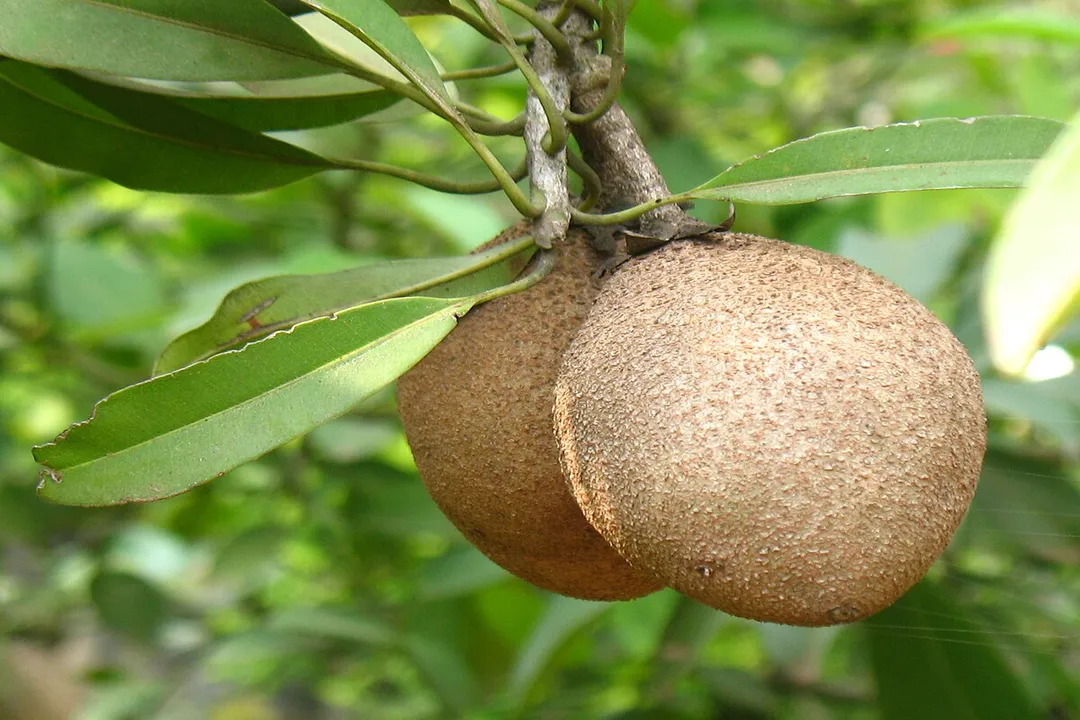
Sapodilla, sometimes known by its local names like chikoo or sapota, offers a distinctly sweet experience unlike many tropical fruits. Its characteristic flavor profile often evokes comparisons to brown sugar, pear, or even malt, making it a delightful addition to any diet, especially when seeking out natural, potent sources of nutrition. [1][4] Beyond its pleasant taste, this fruit delivers a surprising array of health advantages rooted in its rich biochemical makeup, which readers focused on wellness often overlook in favor of more mainstream options. [2][6]
# Quick Energy

One of the most immediate benefits derived from consuming sapodilla is its capacity to provide a rapid burst of energy. [1] This fruit is naturally high in sucrose and fructose, which are simple carbohydrates that the body can quickly convert into usable fuel. [4][9] For someone needing a swift pick-me-up—perhaps an athlete finishing a workout or someone facing the mid-afternoon slump—a serving of ripe sapodilla offers a healthier, less processed alternative to commercial energy bars or sugary drinks. [1]
When considering this energy source, it’s helpful to put its caloric density into perspective. Unlike lower-sugar fruits like berries, which are primarily water, sapodilla packs a significant caloric punch due to its high carbohydrate load. [4] If you are managing weight strictly, this means portion control is key; a whole, medium-sized sapodilla might provide a more substantial energy contribution than one might initially expect from a piece of fruit, making it excellent fuel for endurance but something to moderate if calorie intake is being closely monitored throughout the day. [9]
# Digestive Aid
The structure of sapodilla makes it an excellent food for promoting smooth and regular digestion. [1] A substantial portion of its nutritional value comes from its dietary fiber content. [4][6] Fiber is essential not just for adding bulk to stool, which helps prevent constipation and promotes regularity, but also for maintaining the overall health of the intestinal tract. [1]
This high fiber presence acts like a gentle scrub brush for the digestive system. In addition to keeping things moving, fiber also helps to stabilize blood sugar levels after a meal by slowing down the absorption rate of the fruit's natural sugars—a crucial balancing act considering how quickly those sugars can enter the bloodstream otherwise. [4] If you find yourself experiencing digestive sluggishness, making sapodilla a regular part of your routine, perhaps eaten mid-morning, can be a very simple, natural fix. [6]

# Antioxidant Power
Protecting the body against oxidative stress is a major function of a healthy diet, and sapodilla contributes significantly through its antioxidant compounds. [5] The fruit is a notable source of Vitamin C, a water-soluble antioxidant known for supporting the immune system and assisting in collagen formation, which is vital for skin and tissue repair. [1][6]
Furthermore, research points to the presence of other beneficial plant compounds, such as polyphenols. [5] These powerful substances work by neutralizing harmful free radicals within the body, which are unstable molecules that can damage cells over time and contribute to chronic conditions. [5] While Vitamin C gets a lot of the press, the collective action of these various compounds found in the fruit pulp is what offers broad protective effects against cellular aging and inflammation. [2]
# Bone Support
Building and maintaining strong bones throughout life requires a steady supply of key minerals, and sapodilla includes several of these necessary building blocks. [6] The presence of calcium, phosphorus, magnesium, and iron in the fruit contributes to the structural integrity of the skeletal system. [6]
Calcium and phosphorus are the classic duo for bone density, but magnesium plays an important, often understated role in regulating calcium absorption and maintaining bone structure. [6] Iron, while more commonly associated with blood health, is also an essential cofactor in bone matrix formation. For older adults or those with dietary restrictions that might lead to mineral deficiencies, incorporating nutrient-dense fruits like sapodilla can serve as a pleasant dietary supplement to mainstream mineral intake. [2][9]
# Skin And Vision Health
The nutritional profile that supports internal health also extends benefits to external features like skin and vision. [4] As mentioned, the Vitamin C content is essential for synthesizing collagen, the protein that gives skin its elasticity and strength. [1][6] Adequate Vitamin C intake can help the skin repair itself from environmental damage and slow the visible signs of aging, leading to a healthier complexion. [4]
From an optical perspective, while perhaps not as rich as carrots, sapodilla still contributes essential vitamins important for eye function. [4] Ensuring consistent intake of Vitamin A precursors and other antioxidants helps protect the sensitive tissues of the eyes from damage caused by bright light and general oxidative stress over the years. [4]
# Mineral Richness
Beyond the bone-supporting minerals, sapodilla is a good source of other essential electrolytes and trace elements necessary for daily bodily function. [6] It is particularly noted for its potassium content. [1][6] Potassium is critical for maintaining proper fluid balance within the body, which in turn helps regulate blood pressure and supports healthy nerve and muscle function. [1]
If you are tracking electrolyte intake, especially after heavy sweating or intense physical activity, a couple of sapodillas can help replenish these lost salts naturally. [6] The presence of copper is also noteworthy; this trace mineral is involved in several enzymatic processes, including the formation of red blood cells and iron absorption. [6]
# A Note on Ripeness and Consumption
The experience of eating sapodilla is highly dependent on its stage of ripeness, which directly impacts nutrient availability and palatability. [4] An under-ripe fruit can be chalky and astringent due to high tannin levels, which can sometimes cause minor mouth irritation. [4] As the fruit ripens, the tannins diminish, the texture softens from firm to slightly yielding, and the natural sugars intensify. [9]
The ideal moment for consumption is when the skin has lost its slight greenish tinge and the flesh is very tender, almost melting when pressed lightly. [4] It’s fascinating to observe how this textural shift corresponds with the fruit’s chemistry; that softening isn't just water content changing, but the complex starches converting into those simple, easily digestible sugars. [1] If you buy a batch that isn't quite ready, keeping them at room temperature, perhaps near a banana, will encourage them to ripen naturally. Conversely, once perfectly ripe, consuming them within a day or two is best, or they can be peeled, cubed, and frozen for use in smoothies later, locking in that peak sweetness. [2]
# Seed Safety and Seed Absence
It is important to note that the seeds of the sapodilla fruit should not be consumed. [4] They contain traces of cyanogenic glycosides, which can release cyanide when metabolized. [4] This is a vital safety consideration, especially for households with young children who might inadvertently chew on the seeds. [4]
Interestingly, many commercially grown sapodillas are now cultivated to be seedless or have very few seeds, which makes them much easier to enjoy straight from the skin without preparation. [4] This development in cultivation has made the fruit more accessible for quick, on-the-go snacking, removing the need to carefully extract or discard the small, dark seeds, thereby simplifying the process of gaining its nutritional benefits. [2]
# Potential for Topical Use
While primarily known as an edible fruit, certain extracts and oils derived from the sapodilla tree have traditional applications, suggesting compounds that may benefit the skin externally, though the primary health gains remain through dietary intake. [4] The high Vitamin C content, as discussed, is foundational for skin repair from within. [6] For readers interested in minimizing external cosmetic applications, focusing on the internal supply of antioxidants through the fruit itself is the most direct path to reaping these supportive benefits. [5]
# Summary of Key Nutritional Components
To provide a clear snapshot of what you are consuming, the nutritional density of sapodilla centres around its carbohydrates and fiber, supported by key vitamins and minerals. [1][6]
| Nutrient Category | Key Component(s) | Primary Role | Source Reference |
|---|---|---|---|
| Energy | Fructose, Sucrose | Quick Fuel Source | [1][4] |
| Digestive Health | Dietary Fiber | Regularity, Satiety | [4][6] |
| Immunity/Repair | Vitamin C | Antioxidant, Collagen Synthesis | [1][6] |
| Bone Density | Calcium, Phosphorus, Magnesium | Skeletal Strength | [6] |
| Fluid Balance | Potassium | Blood Pressure Regulation | [1][6] |
| Cellular Protection | Polyphenols | Combating Oxidative Stress | [5] |
This fruit provides a dense package of immediate energy alongside long-term structural and protective elements, making it a multifaceted addition to a balanced diet. [2][9]
# Cultivating Dietary Balance
When incorporating sapodilla into a daily eating pattern, one can view it as a natural replacement for refined sweets. [1][9] If a recipe calls for sugar in baking or toppings for yogurt or oatmeal, a small amount of mashed, ripe sapodilla can often substitute effectively, providing sweetness along with fiber and vitamins that refined sugar lacks entirely. [4] This mindful substitution is a practical way to increase nutrient density without sacrificing enjoyment. [9] Rather than just eating it plain, try blending the pulp with plain yogurt and a dash of cinnamon; the cinnamon can help modulate the blood sugar response slightly, offering a more gentle energy curve from the fruit's natural sugars compared to eating it in isolation. [1]
In essence, sapodilla is far more than just a sweet treat; it’s a carrier of important fiber, energizing sugars, and protective antioxidants that support digestive, skeletal, and overall cellular health. [1][5][6] By understanding its composition and when to consume it—perfectly ripe—you can best integrate this lesser-known tropical gem into your pursuit of better well-being. [4]
Related Questions
#Citations
What Are the Health Benefits of Sapodillas? - WebMD
Sapodilla: Nutrition, Health Benefits, and More - Healthline
What Are the Benefits of Sapodilla? - Vinmec
Sapodilla Benefits: 10 Amazing Reasons To Eat This Superfruit
A review of Sapodilla (Manilkara zapota) in human nutrition, health ...
Sapota/Chickoo: 7 Amazing Health Reasons To Add Chikoo In Your ...
Sapodilla fruit health benefits and texture - Facebook
8 amazing health benefits of sapodilla you need to know
Chiku Fruit: Benefits, Nutritional Value, and More! - Redcliffe Labs