Health Benefits of Santol
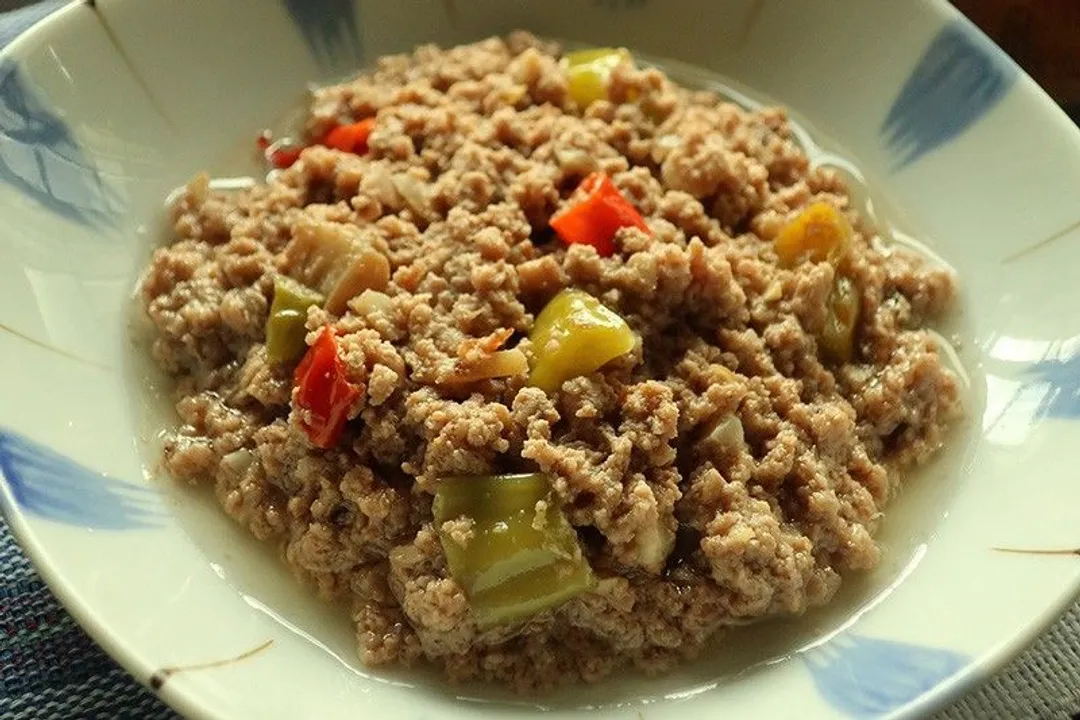
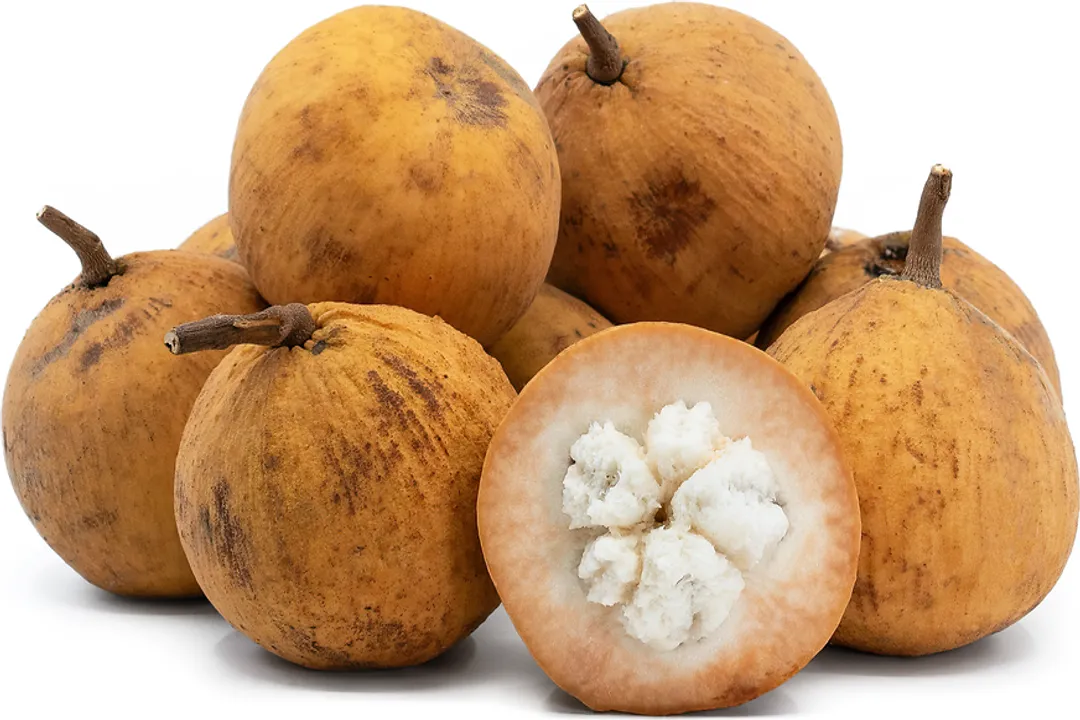
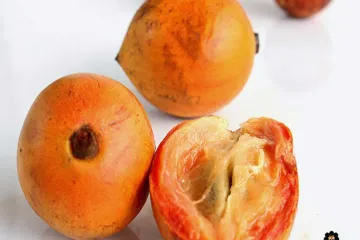
Santol, often recognized by its alternate name, Cotton Fruit, brings a unique profile to the world of tropical produce. Its fuzzy exterior belies the often tangy or sweet pulp inside, making it a favorite in Southeast Asian cuisines and traditional remedies. Beyond its intriguing texture and taste—which can range significantly depending on the specific variety—this fruit holds several interesting health attributes that stem from its rich composition of vitamins, minerals, and phytochemicals. Understanding these benefits requires a closer look at what exactly makes this fruit more than just a pleasant snack.
# Nutritional Makeup
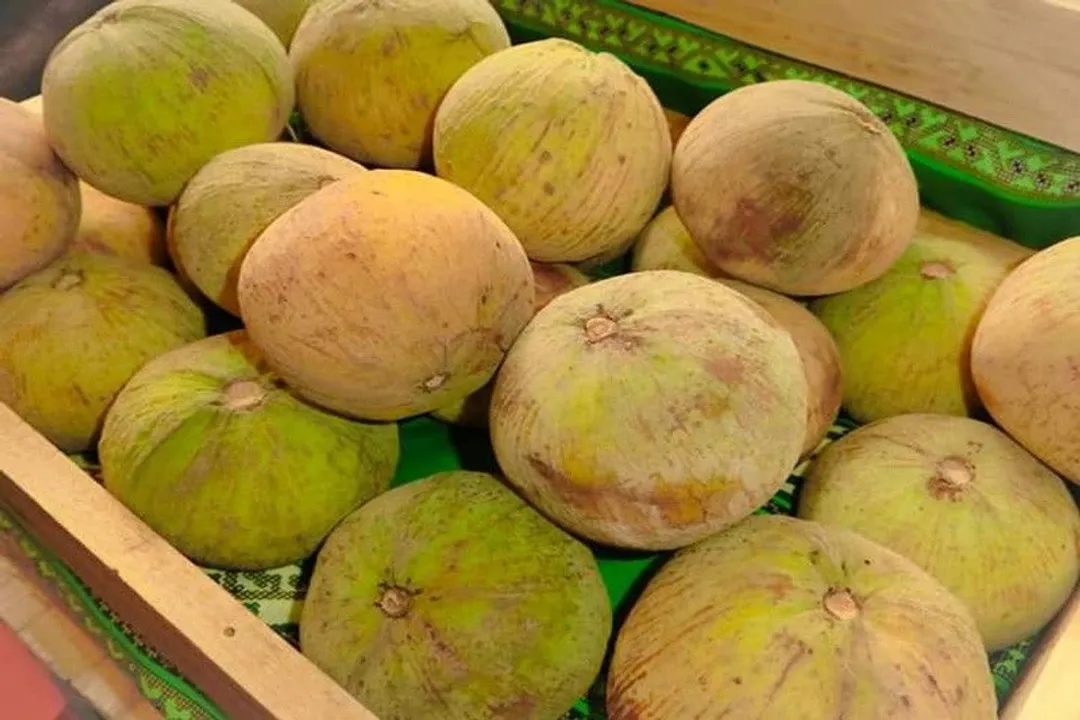
The fundamental value of Santol lies in its internal chemistry. Like many vibrant fruits, it is a source of essential nutrients. Specifically, it has been noted for containing significant amounts of Vitamin C, a crucial component for immune defense and collagen synthesis. Furthermore, the pulp and seed extracts often contain various phenolic compounds, which are naturally occurring antioxidants. While specific nutritional breakdowns can vary by ripeness and cultivar, the presence of these bioactive elements is consistent across analyses. The fruit also supplies dietary fiber, which contributes significantly to its perceived health advantages, particularly concerning the digestive system.
# Digestive Support

One of the most commonly cited benefits of consuming Santol relates directly to gut health. The presence of dietary fiber is key here, aiding in regular bowel movements and potentially preventing constipation. In traditional usage, the fruit is sometimes ascribed a laxative property, which is directly linked to this fiber content. When comparing the effect of the pulp to the seeds, one should note that while the flesh offers bulk, the seeds themselves might possess specific compounds that impact gut transit time, though consuming the seeds raw in large quantities is generally advised against due to texture and potential mild toxicity concerns found in some fruit seeds.

# Antioxidant Activity
The presence of bioactive compounds in Santol is what lends credence to its reputation as a fruit promoting overall wellness. Research has identified various bioactive compounds within the fruit, including flavonoids and polyphenols, which are powerful agents in neutralizing harmful free radicals in the body. This antioxidant capacity is similar to what is found in many other widely lauded tropical fruits, offering cellular protection against oxidative stress. For the everyday consumer, this translates into general support for systemic health, as chronic oxidative stress is implicated in numerous long-term health conditions.
# Topical Benefits
While most focus stays on ingestion, the fruit's properties can also extend to external applications, largely through the vitamins it contains or the extracts derived from it. Its high Vitamin C content suggests a potential benefit for skin health, supporting skin repair and elasticity. Certain extracts derived from Santol have also been studied for potential anti-inflammatory effects, which could translate into soothing properties when applied topically or ingested for internal inflammatory markers.
# Culinary Preparation
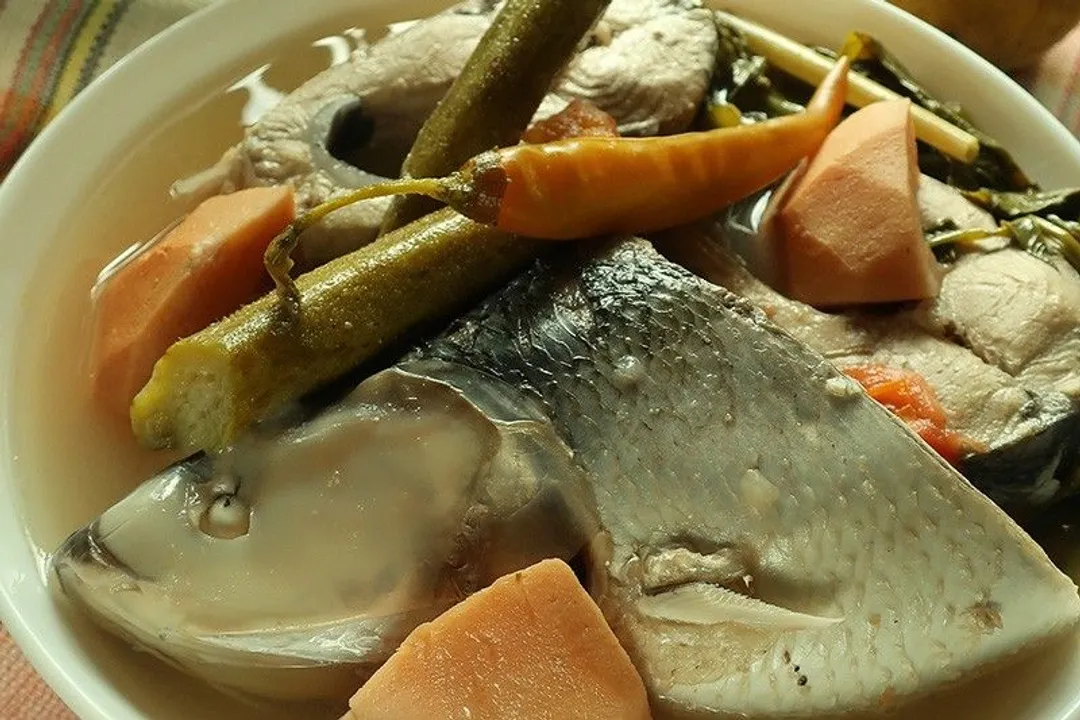
Santol is wonderfully versatile in the kitchen, often served fresh, but it adapts well to preservation and cooking. One helpful consideration for preparation is acknowledging the flavor spectrum: some varieties are pleasantly sweet, while others possess a pronounced sourness. A practical tip for those who prefer a balanced flavor profile, especially when using the sourer fruit, is to combine it with a small amount of honey or cane sugar when making a simple pulp preserve or spread. If you are making a quick, uncooked dressing—say, for a light salad—blending the sour Santol pulp with a neutral oil and a pinch of salt provides a bright, acidic base reminiscent of vinegar but with a distinct tropical note, far superior to simply using the pulp alone if it leans too far to the tart side. The fruit is famously used in jams, jellies, and even savory pickles.
# Expanding Context
It is interesting to compare the typical consumption pattern of Santol with fruits like mangoes or papayas. While widely available in its native regions, its global reach is less established, often leading to variations in perceived quality based on transport time. For individuals seeking the maximum benefit from its fresh compounds, particularly the volatile antioxidants, the best approach is almost always sourcing it directly from local markets when in season. This closeness to the origin often means consuming the fruit when its nutrient density is at its peak, which is a critical, though often unstated, factor in nutritional science—the freshness advantage. If you are purchasing Santol that has been shipped long distances, focusing on the sweeter varieties might be advisable, as the flavor profile of slightly less-than-peak-freshness sour fruit can sometimes become muted or unpleasantly astringent. Furthermore, while the seeds are typically discarded after consumption, studies sometimes investigate them for unique secondary metabolites, suggesting that what we discard often holds the next wave of scientific interest.
# Traditional Uses Mentioned
Beyond the modern scientific investigation, the Cotton Fruit has deep roots in traditional health practices. It has been historically valued for its potential ability to assist with various ailments, though specific medical claims require professional verification. The general consensus across anecdotal and documented uses centers on its nutritional support—providing energy and fighting general malaise, likely due to its vitamin and fiber profile—rather than targeting one single, acute condition. For instance, some sources simply list it among other healthy tropical offerings, suggesting its place in a balanced diet rather than as a dedicated medicinal cure.
#Videos
SANTOL FRUIT - HEALTH BENEFITS AND NUTRIENTS FACTS
Related Questions
#Citations
The health benefits of santol fruits and bioactive products isolated ...
Santol Fruit/Cotton Fruit: Health, Wellness Benefits, Nutrition And ...
Santol Fruit Information and Facts - Specialty Produce
Santol, also known as cotton fruit,❤️❤️❤️ offers several health ...
Health, culinary benefits of santol - Philstar.com
The health benefits of santol fruits and bioactive products isolated ...
SANTOL FRUIT - HEALTH BENEFITS AND NUTRIENTS FACTS
5 Health Benefits of Santol Fruit - WION