Health Benefits of Pomelo
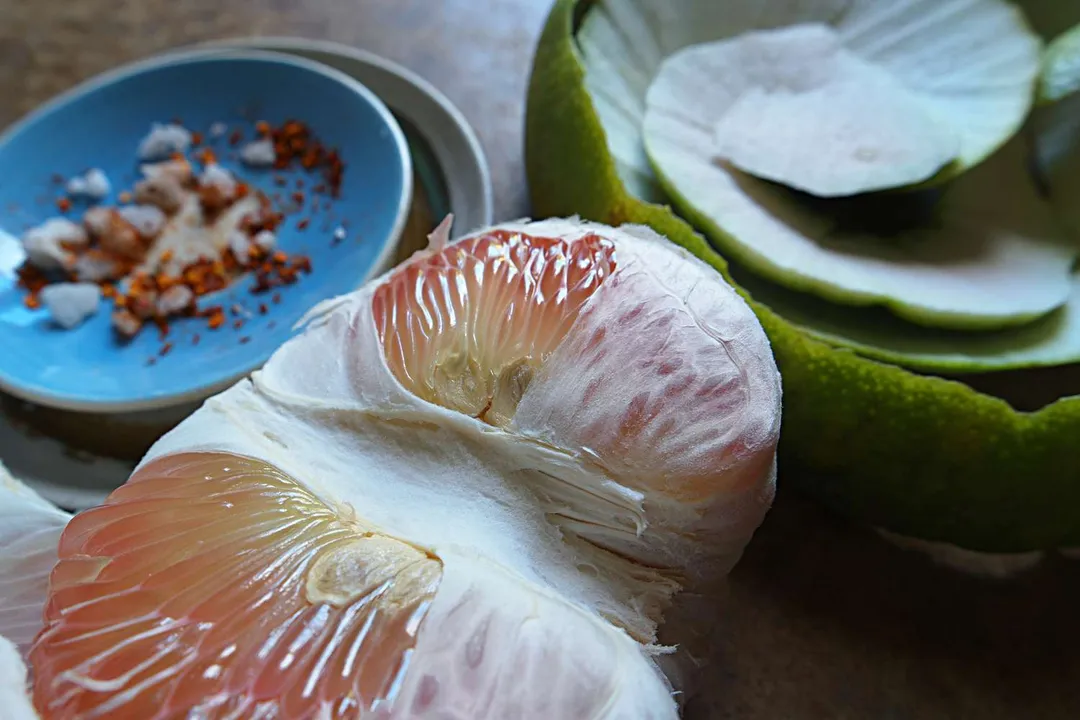
The pomelo, often mistaken for a large grapefruit or an ancestor of the modern citrus family, is a magnificent, thick-skinned fruit offering a wealth of nutritional advantages wrapped in a surprisingly mild flavor profile. [5][9] While it shares lineage with its tangier cousins, the pomelo presents a distinct experience, being far less bitter or sour, making it an appealing addition to nearly any diet. [5][9] Beyond its satisfying size and taste, this Asian native is packed with essential vitamins, minerals, and unique compounds that support overall well-being, ranging from fortifying the immune system to supporting the machinery of your heart. [1][6][7]
# Nutrient Density

Understanding the health advantages of pomelo begins with appreciating its foundational nutritional makeup. This fruit is celebrated for being relatively low in calories while providing substantial doses of vital micronutrients. [1][3][7] A single serving delivers significant amounts of Vitamin C, a powerful antioxidant essential for numerous bodily functions. [1][3][6] It is also a commendable source of potassium, a mineral critical for maintaining fluid balance and regulating blood pressure. [1][3][6]
Beyond the headline vitamins, pomelo supplies dietary fiber, necessary for digestive tract health. [1][3][6] It also contains several other important vitamins and compounds, including Vitamin A, various B vitamins, and specific antioxidants like lycopene and naringin. [1][3][6] The presence of these compounds contributes to the fruit's broader protective capabilities within the body. [1][3]
# Immune Support
The most direct nutritional benefit often associated with citrus fruits applies strongly to the pomelo: immune system fortification, primarily due to its high Vitamin C content. [1][3][6] Vitamin C is indispensable for the proper functioning of the immune system, helping the body defend itself against illness. [3][6]
While many people turn to oranges or lemons for this vitamin boost, the pomelo offers a substantial dose. For context, consider that one medium pomelo can supply well over 100% of the recommended daily intake of Vitamin C for most adults. [1] This concentration makes it an efficient way to stock up on this nutrient, especially during seasons when colds and flu circulate widely. [3]
The mechanism isn't just about fighting off immediate threats; Vitamin C is also necessary for the production of collagen, which is vital for skin, tendons, ligaments, and blood vessels. [3][8] Therefore, consuming pomelo supports not just immediate immunity but also the long-term structural integrity of your tissues. [8]

# Heart Health
The cardiovascular system stands to gain significantly from regular pomelo consumption, largely due to its mineral and antioxidant composition. The potassium content is a key factor here. [1][6] Potassium functions as a vasodilator, helping to counteract the effects of sodium and promoting the relaxation of blood vessels, which directly aids in blood pressure management. [1][3] Keeping blood pressure within a healthy range is a primary way to reduce the risk of serious cardiovascular events. [3][6]
Furthermore, the presence of the antioxidant lycopene is noteworthy when discussing heart benefits. [1][3] Lycopene, the pigment that gives some grapefruits and tomatoes their reddish hue, has been associated in various studies with a lower risk of heart disease. [1][3] While the flesh of many pomelo varieties is pale yellow, it still harbors this beneficial compound, alongside others like naringin and naringenin, which work together to offer protective effects against oxidative stress within the cardiovascular system. [1][3]
When comparing citrus fruits, a specific point of interest for the mindful eater is the pith—the spongy white layer beneath the rind. In many common citrus fruits, this pith is quite bitter, leading people to discard it. In the pomelo, this layer tends to be thicker but significantly less bitter than its grapefruit counterpart, meaning a consumer might inadvertently ingest a slightly higher, albeit trace, amount of the beneficial compounds stored there simply because the texture is more palatable. [5][9]
# Digestive Tract
Fiber is the unsung hero of the digestive process, and pomelo is a good source of this necessary carbohydrate. [1][3][6] Fiber is crucial for promoting regular bowel movements and preventing constipation. [1][6] By adding bulk to the stool, the fiber in pomelo helps keep the digestive system moving smoothly and can contribute to a feeling of fullness, which ties into weight management. [7]
The two types of fiber present—soluble and insoluble—each play distinct roles. Insoluble fiber adds physical bulk and speeds the passage of waste through the gut, while soluble fiber dissolves in water to form a gel-like substance. This gel can help stabilize blood sugar levels after meals and may also help bind to and remove cholesterol from the body. [1][6] This dual action makes the fruit beneficial not only for daily regularity but also for long-term metabolic health. [1]
# Weight Control
For those managing their weight, the nutritional profile of pomelo makes it an excellent choice for a satisfying snack or dessert substitute. It scores well on what nutritionists often call satiety—the feeling of being full. [7]
Pomelo is inherently low in calories but high in both water content and fiber. [1][3][7] This combination means you can consume a relatively large volume of the fruit without consuming many calories, making it easier to adhere to a caloric deficit without feeling deprived. [3] The fiber further aids this by slowing down digestion, keeping hunger pangs at bay for longer periods between meals. [7]
To put this into perspective, choosing a medium pomelo over a processed, sugary snack, even one marketed as "healthy," significantly reduces empty calories while increasing micronutrient intake, fiber, and hydration. [1][3] It’s a simple swap that pays dividends in calorie density management.
# Antioxidant Power
The vibrant health profile of pomelo is deeply connected to its array of antioxidants, which combat damaging molecules known as free radicals. [1][3] Free radicals are byproducts of normal metabolism and exposure to environmental stressors; when they accumulate, they cause oxidative stress, which is implicated in aging and chronic disease development. [1][3]
Key players here include:
- Lycopene: As mentioned regarding heart health, this powerful antioxidant is known for its protective qualities. [1][3]
- Naringin and Naringenin: These flavonoids contribute to the fruit's overall protective capabilities. [1][3]
The combined effect of these compounds, alongside the high Vitamin C load, creates a strong defense mechanism within the body. Think of it as providing your cells with the necessary tools to repair daily wear and tear caused by environmental exposure and metabolic activity. [3]

# Skin Health
The benefits of pomelo extend to the largest organ we have: the skin. This connection is primarily attributed to its Vitamin C content, which is fundamental to producing collagen. [3][8]
Collagen is the structural protein that keeps skin firm, elastic, and youthful-looking. [8] Without sufficient Vitamin C, the body cannot synthesize this protein efficiently, leading to reduced skin integrity and slower wound healing. [3][8] By ensuring a steady intake of Vitamin C from sources like pomelo, you are directly supporting the ongoing repair and maintenance of your skin structure. [8] The fruit’s hydration profile, driven by its high water content, also contributes to keeping skin supple from the inside out. [3]
# Preparing and Enjoying Pomelo
While the nutritional science is compelling, the practical enjoyment of the fruit is also a factor in its health promotion. Pomelos are large, with a thick rind that requires a bit more effort to peel than an orange. [5]
A good starting point is to score the rind deeply from top to bottom in several vertical lines and then pry the thick peel away in large sections. [5] Once the rind is removed, you will encounter the segments, which are often encased in a thicker, bitter membrane compared to other citrus fruits. The trick to enjoying the pomelo is recognizing that this outer membrane is usually discarded, allowing access to the sweet, juicy flesh beneath. [9]
One practical way to integrate this fruit into your routine, especially if you find yourself with a large piece, is to segment it and store the peeled, separated flesh in an airtight container in the refrigerator. [7] This makes it easy to grab a handful of the fruit for a quick snack or to toss into a salad, ensuring you consume it before it dries out. Unlike many fruits where the edible skin or pith is consumed for extra fiber, with pomelo, the focus remains squarely on the segments themselves for the best flavor experience. [5][9] If you find one variety slightly drier than expected, a brief, light drizzle of honey or a sprinkle of sea salt can often enhance the existing mild sweetness without adding significant processed sugar or altering the natural profile too drastically. [7]
Related Questions
#Citations
9 Health Benefits of Pomelo (and How to Eat It) - Healthline
Pomelo - Nutrition and Healthy Eating - WebMD
Pomelo: Benefits, Nutrition, and Risks - Health
Pomelo Fruit: Top Health Benefits, Nutrition and How to Use It
The Pomelo: 5 Facts That Will Surprise You - Dole
Pomelo: Nutrition, Benefits, and How to Eat It - Verywell Health
Pomelo fruit: Health benefits and nutritional information
Pomelo: Health Benefits, Nutrition, Uses For Skin And Hair, Recipes ...
Pomelo Fruit Benefits, Nutrition and How to Eat It - Dr. Axe