Health Benefits of Kiwifruit

The vibrant green or sunny gold flesh of the kiwifruit, often masked by its fuzzy brown exterior, packs a surprising nutritional punch that goes far beyond a simple sweet-tart snack. This relatively small fruit offers a dense concentration of vitamins, minerals, and unique enzymes that contribute positively to several bodily functions, making it a true powerhouse in the produce aisle. [1][5] Its distinct flavor profile, sometimes compared to a mix between strawberry, pineapple, and banana, makes it an appealing addition to breakfast bowls, smoothies, or simply eaten with a spoon. [7]
# Vitamin C
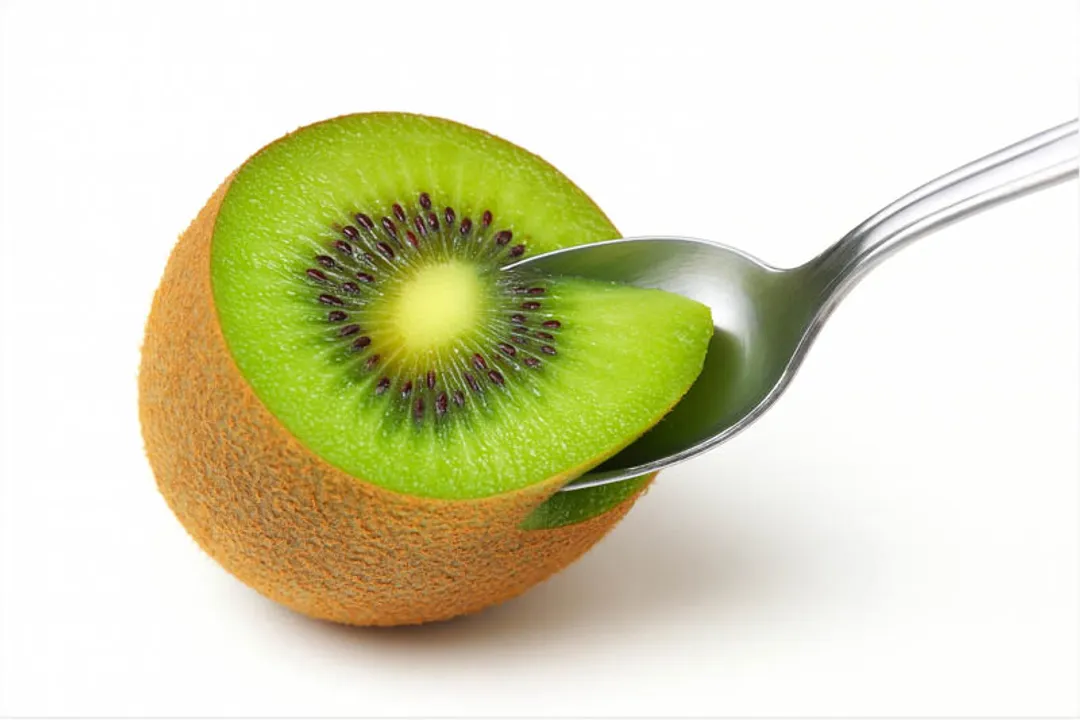
When considering fruits high in Vitamin C, many people immediately think of citrus, yet kiwifruit stands out as an exceptional source of this vital nutrient. [1][4] A single serving of kiwi often provides well over the recommended daily intake for adults, significantly outpacing an orange in terms of Vitamin C content per serving. [1][4][5] This high concentration is important because Vitamin C is a potent antioxidant that supports the body's defense system by aiding immune cell function. [4] Furthermore, it plays a necessary role in the production of collagen, which is essential for healthy skin, blood vessels, and wound healing. [5]
# Digestive Aid
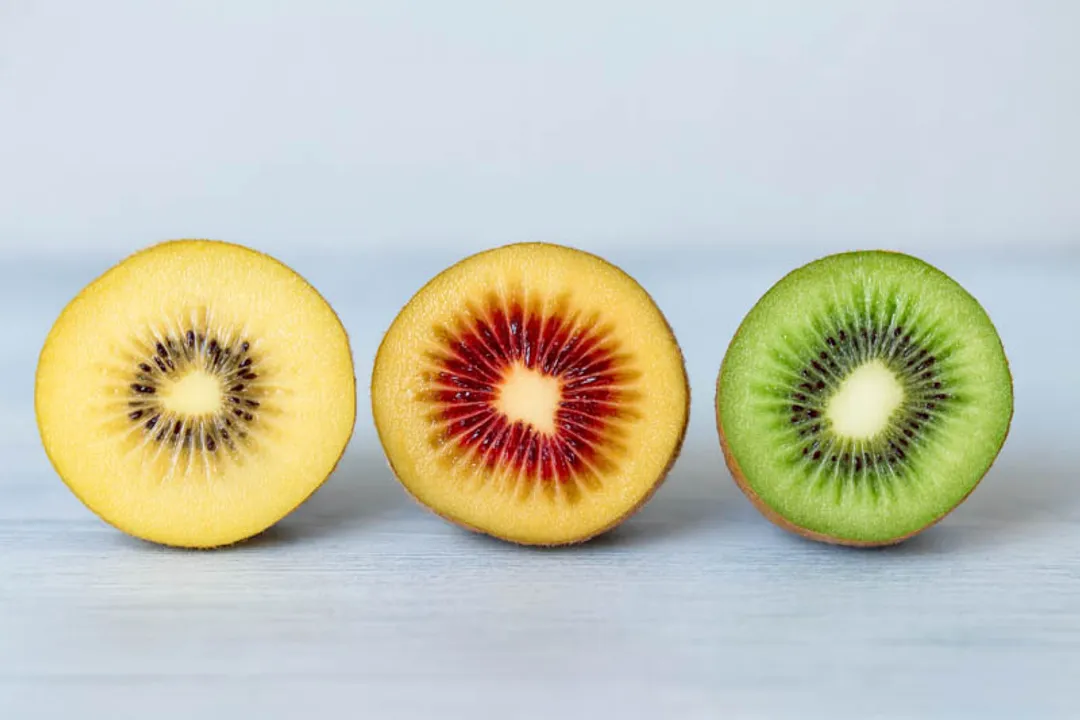
One of the most frequently cited benefits of consuming kiwifruit relates to digestive health, stemming from both its fiber content and the presence of a unique enzyme. [2][4] Kiwis contain a significant amount of dietary fiber, which helps maintain regularity and supports a healthy gut microbiome. [5][6] However, what truly sets kiwi apart is the natural proteolytic enzyme called actinidin. [2][4] This enzyme is specialized in breaking down proteins, meaning that eating kiwi alongside a high-protein meal, such as yogurt or cheese, can assist the stomach in digesting those proteins more efficiently. [2][4] This enzymatic action can contribute to a feeling of lightness and reduce digestive discomfort after eating. [4]
Considering how the body handles protein absorption, a practical approach is to pair kiwi with foods that are notoriously slow to digest. For instance, if you frequently experience heaviness after consuming meat or dairy, incorporating a kiwi as a dessert or part of the meal itself might help your system process the meal more smoothly. [2] This specific enzymatic activity makes kiwi functionally different from many other fruits that primarily offer simple sugars and fiber for digestion. [4]

# Heart Health
The mineral profile of kiwifruit offers tangible benefits for cardiovascular wellness, particularly due to its potassium content. [5][7] Potassium is well-known for its role in regulating blood pressure by balancing the negative effects of sodium. [1] By helping blood vessels relax, adequate potassium intake can contribute to maintaining healthy blood pressure levels, which reduces strain on the heart over time. [5][7]
In addition to potassium, Vitamin K is present in kiwi, though it is perhaps less famous than its C counterpart. [1][6] Vitamin K is critical for blood clotting mechanisms and plays an important supporting role in bone health. [1] Having a fruit that simultaneously supports vascular function via potassium and aids coagulation via Vitamin K offers a dual protective layer for the circulatory system. [5][7]
# Improved Sleep
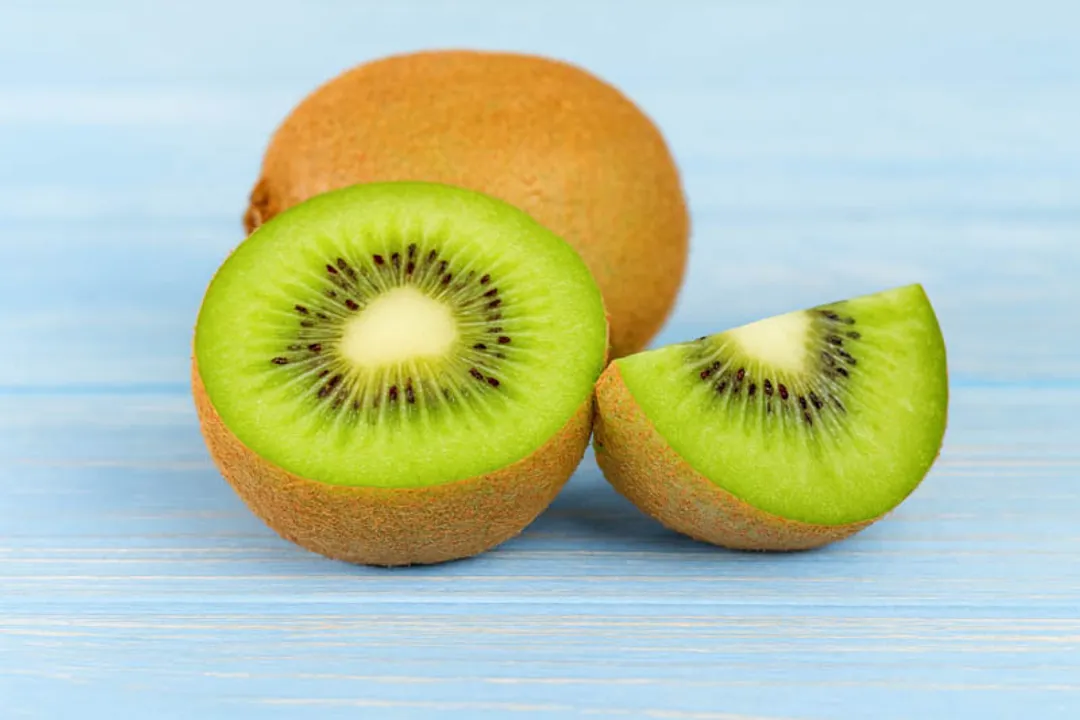
There is growing interest in the impact of certain foods on sleep patterns, and kiwifruit has shown promising results in this area. [5][7] This benefit is often attributed to the fruit’s natural serotonin content. [5] Serotonin is a neurotransmitter that plays a significant role in regulating mood and sleep cycles. [7] Some research suggests that regular consumption of kiwi, particularly before bedtime, may help individuals fall asleep faster and improve overall sleep quality. [5] If you are looking for a natural, food-based intervention to support your nightly rest, incorporating kiwi into your evening routine could be worth trying, especially since it is a low-glycemic fruit that won't spike your blood sugar late at night. [7]

# Essential Micronutrients Summary
While Vitamin C gets most of the attention, the kiwifruit is a micronutrient multi-tasker. It provides a good source of Vitamin E, which functions as another fat-soluble antioxidant, helping to protect cells from oxidative damage. [5] Furthermore, it contains folate, an essential B vitamin crucial for cell division and DNA formation. [1][6] The presence of these different vitamins ensures that the fruit contributes to various metabolic processes across the body, not just immune defense. [5]
To provide a clearer picture of this nutritional density, it is helpful to compare key components across a standard serving size (typically two medium fruits, or about 140 grams):
| Nutrient | Approximate Contribution (DV based on a standard 2-fruit serving) | Primary Role |
|---|---|---|
| Vitamin C | Over 200% | Immune function, collagen production [1][5] |
| Vitamin K | Significant source | Blood clotting, bone mineralization [1][6] |
| Dietary Fiber | Approximately 4–5 grams | Digestive regularity [5][6] |
| Potassium | Moderate | Blood pressure regulation [1][5] |
This combination suggests that kiwi isn't just a source of one major vitamin, but a balanced package contributing to both structural health (collagen, bone) and regulatory health (blood pressure, digestion). [1][5]
# Vision Protection
The eyes benefit significantly from certain pigments found in colorful fruits and vegetables, and kiwifruit is no exception. [5][7] Kiwis contain both lutein and zeaxanthin, carotenoids that are known to accumulate in the macula of the human eye. [5] These compounds act as natural filters, helping to protect the eyes from damaging high-energy blue light and oxidative stress. [7] Including foods rich in lutein and zeaxanthin is often recommended as a dietary strategy to support long-term visual health and potentially lower the risk of age-related macular degeneration. [5]

# Antioxidant Diversity
Beyond the standalone power of Vitamin C, kiwifruit delivers a variety of other compounds that contribute to its antioxidant capacity. [7] Antioxidants work by neutralizing free radicals—unstable molecules that can damage cells and DNA, leading to aging and chronic disease. [5] The presence of polyphenols and other phytochemicals alongside the vitamins means that the fruit offers broad-spectrum protection against cellular stress. [7] Consuming a diverse range of fruits ensures that you are obtaining different types of protective compounds, each working in concert to support overall cellular integrity. [5]
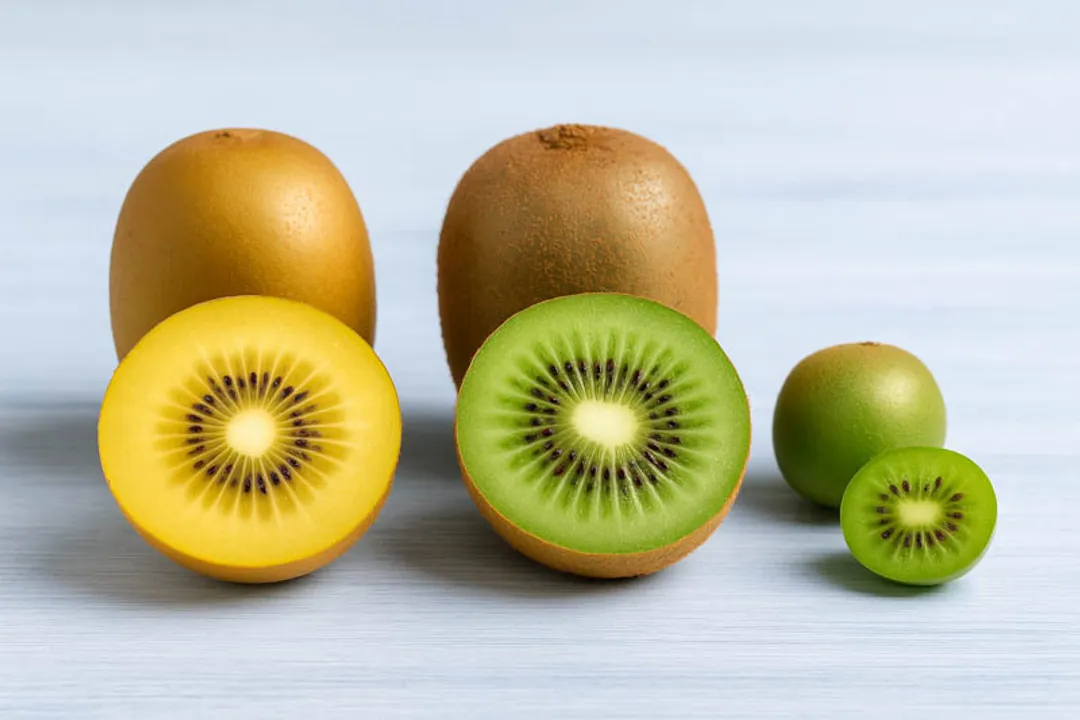
One helpful way to think about maximizing the benefit of these antioxidants is to consider the variety available. While the common green kiwi is rich in the nutrients detailed above, the gold or yellow varieties often possess even higher levels of Vitamin C. [4] If your goal is maximum immune support, tracking down the gold variety might yield a slightly more potent dose, though both are excellent choices. [4][5] Furthermore, for those concerned about waste, many sources suggest that the fuzzy skin of the green kiwi is actually edible and contains concentrated amounts of fiber and antioxidants; simply washing it thoroughly and eating it whole can increase your fiber intake significantly, though this requires an adjustment in texture preference. [6] This dual approach—eating the flesh for enzymes and vitamins, and considering the skin for extra fiber—offers a pragmatic way to increase nutrient density from the same piece of fruit.
#Videos
Foods to Support Gut Health Series: Kiwifruit - YouTube
Related Questions
#Citations
6 Health Benefits of Kiwi
The nutritional and health attributes of kiwifruit: a review - PMC - NIH
Kiwi Benefits: Heart Health, Digestion, and More - Healthline
Why Kiwifruit Is a Superfood: Health Benefits Supported by Research
Top 11 health benefits of kiwi fruit - BBC Good Food
Health Benefits of Zespri Kiwifruit
The Health Benefits of Eating a Kiwi Fruit
Foods to Support Gut Health Series: Kiwifruit - YouTube
Kiwi - Uses, Side Effects, and More - WebMD