Health Benefits of Jackfruit
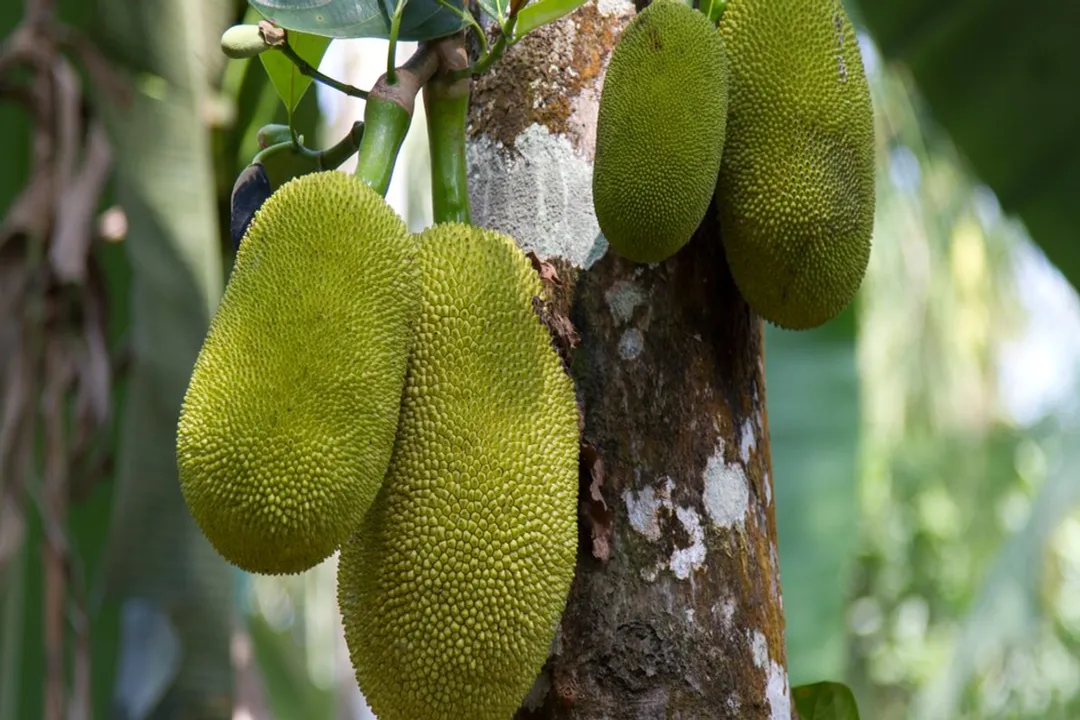
Jackfruit, the largest tree-borne fruit in the world, is rapidly gaining attention far beyond its tropical origins, transitioning from a lesser-known staple to a celebrated superfood in many international markets. [6][7] This massive, spiky exterior hides sweet, yellow bulbs when ripe, or a surprisingly neutral, fibrous flesh when picked green, which lends itself beautifully to savory preparations. [6][7] Its rise in popularity isn't just due to its unique texture making it an excellent plant-based meat alternative; the fruit packs a substantial nutritional punch that supports various aspects of well-being. [1][4] Whether you are enjoying the sweet, ripe pods as a snack or roasting the unripe flesh for a hearty taco filling, understanding its underlying composition provides context for its growing reputation as a functional food. [5]
# Nutrient Profile
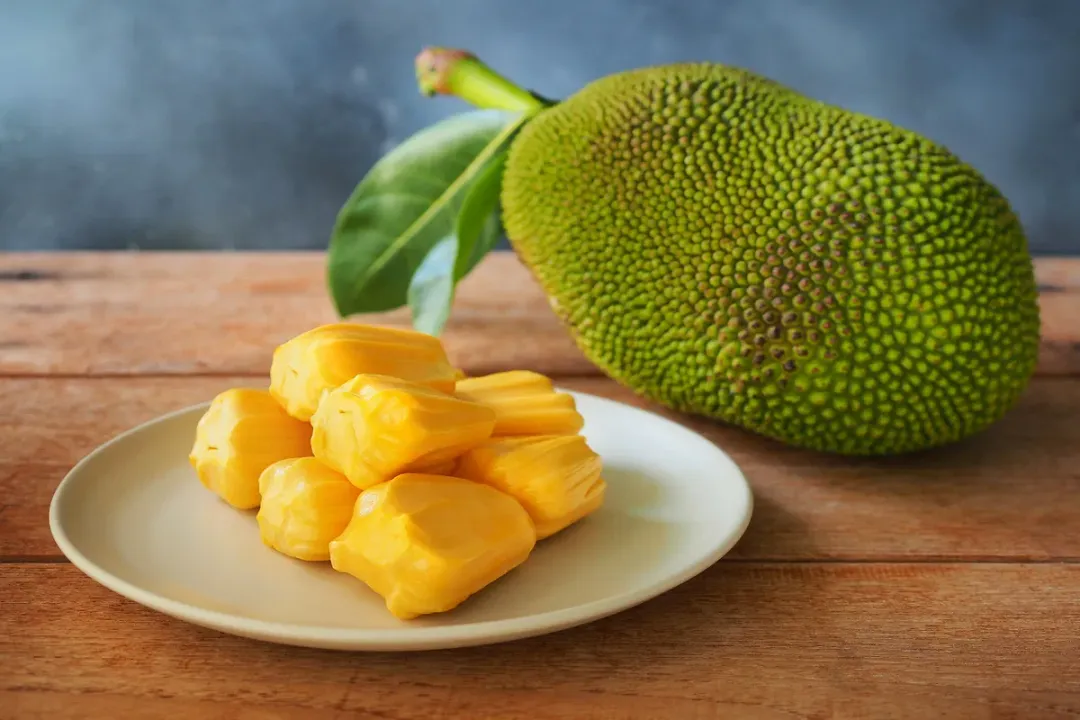
When looking closely at the nutritional makeup of jackfruit, it presents a compelling profile for anyone seeking to boost their vitamin and mineral intake through whole foods. [1][4] While the specific figures can vary slightly depending on the ripeness and variety, the ripe fruit is notably rich in certain micronutrients essential for daily function. [1][5] For instance, a single serving provides a significant percentage of the recommended daily intake for Vitamin C, a key player in immune defense and collagen synthesis. [1][4] Furthermore, it contains respectable amounts of Vitamin B6 (pyridoxine), which is critical for protein metabolism and the creation of red blood cells. [1][5]
Beyond the vitamins, jackfruit is a decent source of several important minerals. Potassium stands out, an electrolyte vital for maintaining proper fluid balance and nerve signaling. [4] It also offers magnesium, which assists in hundreds of biochemical reactions in the body, and manganese, necessary for bone formation and metabolic processes. [1][5] When comparing ripe jackfruit to some other common tropical fruits, like bananas or mangoes, it often presents a more balanced profile, containing less overall sugar when consumed in equivalent measured portions, although this comparison heavily relies on the exact ripeness stage. [5]
# Carbohydrates Energy
The primary macronutrient in jackfruit is carbohydrate, which provides the body with its main source of fuel. [1] Because of its sugar content when fully ripe, it offers a natural, quick energy boost. [5] However, the unripe or green jackfruit functions more like a starchy vegetable, with a texture that shreds easily, making it a fantastic base for absorbing sauces and spices in vegetarian cooking. [6][7] This difference in preparation and ripeness level drastically alters the fruit's impact on blood sugar, which is an important factor for mindful eating. [5]
# Digestive Health
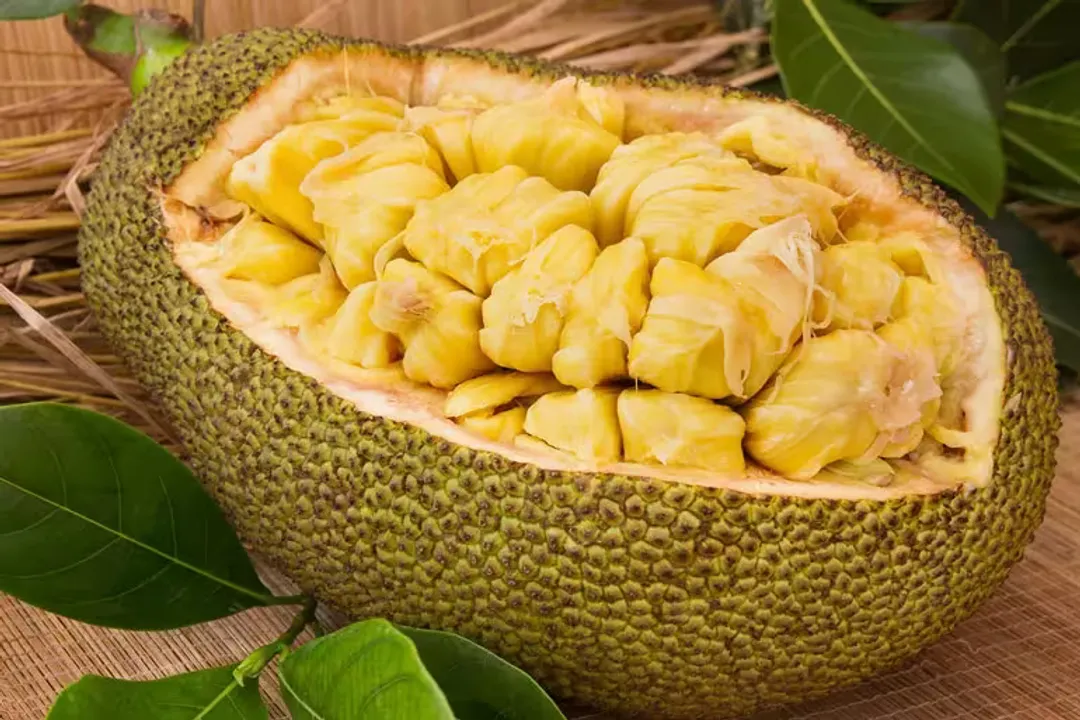
A significant contribution jackfruit makes to daily wellness comes from its substantial dietary fiber content. [1][5] Fiber is a category of carbohydrates the body cannot digest, playing an indispensable role in maintaining a healthy gastrointestinal tract. [5] Jackfruit contains both soluble and insoluble fiber, offering dual benefits for digestion. [1]
Insoluble fiber acts like a bulking agent, helping food move through the digestive system more regularly and potentially preventing constipation. [5] Soluble fiber, on the other hand, dissolves in water to form a gel-like substance. This gelatinous material can slow down digestion, which contributes to feelings of fullness and helps moderate the speed at which sugars are absorbed into the bloodstream. [1][5] For those looking to support a steady digestive rhythm without relying solely on processed supplements, incorporating fruit with a high fiber density like jackfruit into a daily routine—perhaps as a mid-afternoon snack instead of processed crackers—offers a straightforward, whole-food approach to gut maintenance. [5]

# Immune Support
The immune system relies heavily on adequate intake of specific micronutrients to function optimally, and jackfruit delivers particularly well on Vitamin C. [1][4] Vitamin C is a powerful antioxidant that actively protects cells from damage caused by free radicals, unstable molecules that can contribute to aging and disease. [1][3] Beyond its antioxidant action, it is known to stimulate the production and function of white blood cells, which are the body’s primary defense against pathogens. [4]
While Vitamin C gets the most attention, the presence of other compounds listed under the umbrella of antioxidants further bolsters this defense system. [3] It is the synergy between these various vitamins and plant compounds that often yields the most significant health returns, rather than focusing on a single nutrient in isolation. [1][3] Ensuring a regular supply of C-rich foods, especially as seasons change, is a practical way to support ongoing immunological readiness. [4]
# Heart Health
Cardiovascular wellness is heavily influenced by diet, particularly the balance of electrolytes, fats, and fiber intake. [4] Jackfruit contributes positively to heart health primarily through its potassium levels. [4] Potassium is essential because it works to counteract the negative effects of sodium on blood pressure. [4] High sodium intake can lead to fluid retention and increased pressure on artery walls, while adequate potassium helps the kidneys excrete excess sodium, thereby relaxing blood vessel walls and promoting healthier blood pressure levels. [4]
Moreover, the fiber content, mentioned previously in the context of digestion, also plays a role here by helping to manage cholesterol levels. [1][5] Soluble fiber can bind to cholesterol particles in the gut, preventing their absorption and aiding their removal from the body. [5] This two-pronged benefit—managing blood pressure via potassium and potentially supporting healthy cholesterol through fiber—makes jackfruit a valuable addition to a heart-conscious eating plan. [1][4]
# Blood Sugar Regulation
The relationship between fruit sugars and blood sugar management can sometimes cause confusion, especially with fruits that taste quite sweet when ripe. [5] Jackfruit possesses a moderate glycemic index (GI) when ripe, meaning it causes a slower, more gradual rise in blood sugar compared to high-GI foods. [5] This effect is largely attributed to its fiber content, which slows down the digestion of the fruit’s natural sugars. [1][5]
However, an important analytical distinction must be made based on how the fruit is consumed. Unripe jackfruit, used as a vegetable substitute, has a significantly lower sugar concentration and is often much lower on the glycemic index scale because its carbohydrates exist predominantly as resistant starch rather than simple sugars. [5] For individuals monitoring their glucose levels, choosing the unripe form or being highly conscious of the serving size of the sweet, ripe fruit is crucial. A practical way to integrate ripe jackfruit without causing a sharp spike is to pair it with a source of healthy fat or protein, such as a handful of nuts, which further slows gastric emptying and smooths out the sugar release curve. This pairing strategy helps maximize the benefit of its nutrients while mitigating the immediate impact of its natural fructose content. [5]
# Antioxidant Power
The health benefits of jackfruit extend into its array of phytochemicals, which function as natural antioxidants within the body. [1][3] These compounds are bioactive, meaning they interact with body systems to provide protective effects beyond basic nutrition. [3] Key groups present in jackfruit include carotenoids, lignans, and saponins. [1][3]
Carotenoids, which give the ripe fruit its yellow-orange hue, are known precursors to Vitamin A and offer significant defense against oxidative stress. [1] Lignans are known for potential hormonal balancing effects and strong antioxidant activity. [3] Saponins have been studied for various properties, including potentially helping to lower cholesterol. [3] The presence of these diverse antioxidant agents suggests that jackfruit offers a broad-spectrum defense against the cellular damage associated with chronic inflammation and oxidative stress, making it a genuinely functional food item. [1][3]
# Seed Utility
The value proposition of the jackfruit often stops at the pulp, but the seeds are a nutritional treasure trove often overlooked in Western consumption patterns. [8] In many cultures where jackfruit is traditional, the seeds are regularly cooked and eaten, serving as a meaningful source of starch and even protein. [8] When boiled or roasted, jackfruit seeds offer a dense source of energy and essential nutrients that the sweet flesh may lack. [8]
Nutritionally, jackfruit seeds are quite distinct from the flesh, often containing substantially higher levels of protein and starch. [8] This makes them an excellent addition to vegetarian or vegan diets looking to incorporate more complete, whole-food protein sources. [8] Considering the average protein content in edible seeds is significantly higher than in the fruit pulp itself, one could treat the seeds as a pulse or legume when planning meals—for example, grinding dried seeds into a gluten-free flour for baking or adding boiled seeds to curries for added satiety and muscle-supporting nutrients. This comprehensive utilization maximizes the food's contribution, minimizing waste and broadening the nutritional scope of the entire fruit. [8]
# Comparison of Forms
Understanding jackfruit requires recognizing the dual identity it holds in the culinary world: sweet fruit versus savory vegetable. [6][7] This distinction is perhaps the most fascinating aspect of its versatility and directly impacts its health contribution.
| Form | Primary Use | Dominant Nutrient Profile | Texture/Flavor |
|---|---|---|---|
| Ripe Fruit | Dessert, sweet snack | Higher in simple sugars, Vitamins C/B6 [1][5] | Soft, sweet, aromatic |
| Unripe (Green) | Meat substitute (pulled "pork") | Higher in resistant starch, lower GI [5][6] | Fibrous, neutral flavor |
| Seeds | Cooked side dish, flour [8] | Higher in protein and starch [8] | Dense, starchy, nutty when roasted |
Ripe jackfruit provides immediate energy and a potent dose of quick-release vitamins, making it ideal for a pre-workout snack or a natural sweetener. [1][5] Conversely, unripe jackfruit, which is lower in sugar and higher in indigestible carbohydrates, is better suited for individuals concerned with stable blood sugar or those seeking a high-fiber, low-sugar meal base. [5] The ability of one single tropical fruit to transform so completely based on its stage of maturity is rare and speaks to its adaptability in diverse dietary needs. [6][7]
# Micronutrients Review
To consolidate the micronutrient data, it is helpful to see the key vitamins and minerals jackfruit consistently provides across various analyses: [1][4][5]
- Vitamin C: Immune system modulation and antioxidant defense. [1][4]
- Vitamin B6: Essential for metabolic processes. [1]
- Potassium: Supports healthy blood pressure regulation. [4]
- Magnesium: Involved in muscle and nerve function. [1]
- Manganese: Supports bone health and metabolism. [5]
The presence of these nutrients, alongside the various phytochemicals like carotenoids and lignans, solidifies jackfruit’s status as a nutrient-dense food, providing more than just empty calories. [1][3] For readers accustomed to simpler fruits, the breadth of vitamins and the presence of powerful secondary metabolites are what set jackfruit apart in the health conversation. [3]
#Videos
2 Natural Superfood Recipes for Joint Pain, Digestion & Weight Loss
Related Questions
#Citations
Why Is Jackfruit Good for You? Nutrition, Benefits and How To Eat It
Jackfruit: Nutrition, Health Benefits, & How to Prepare - WebMD
Nutritional and Health Benefits of Jackfruit (Artocarpus heterophyllus ...
10 Amazing Health Benefits of Eating Jackfruit - Continental Hospitals
10 Jackfruit Benefits: Nutrition, How to Eat & Side Effects - Tua Saúde
Jackfruit: What It Is and Why It's Healthy - Health Cleveland Clinic
Top 5 health benefits of jackfruit - BBC Good Food
What are the benefits of eating jackfruit seeds? - Vinmec
2 Natural Superfood Recipes for Joint Pain, Digestion & Weight Loss