Health Benefits of Grewia asiatica
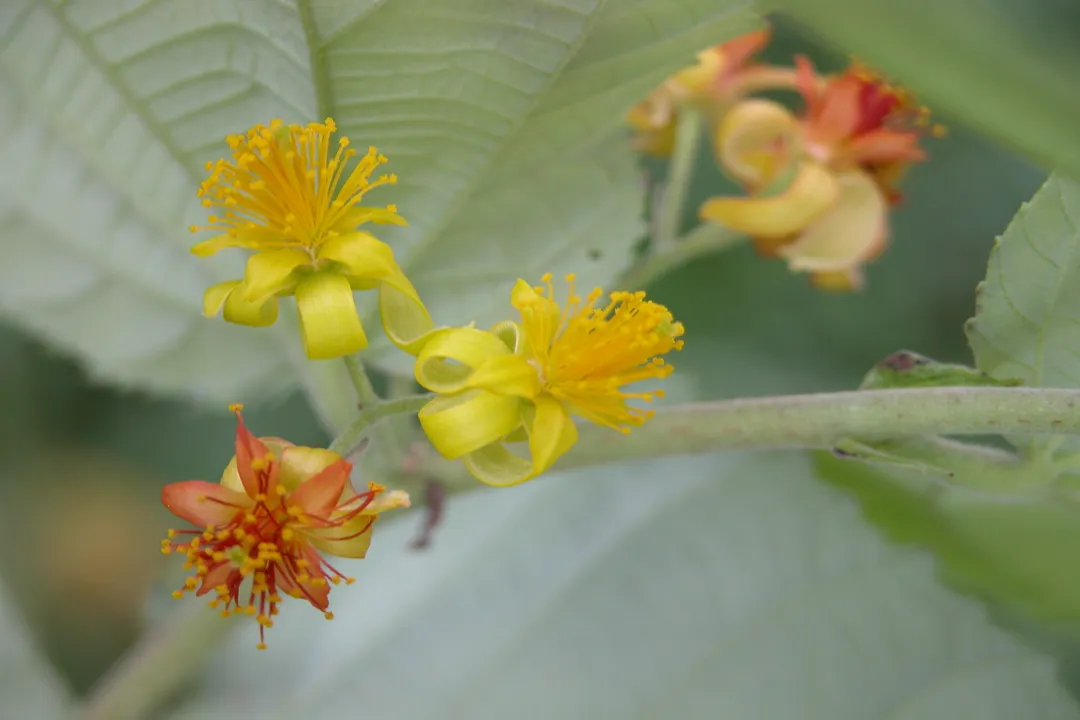
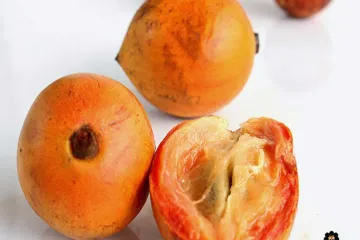
The small, dark berry of Grewia asiatica L., widely known across South Asia by its common name, Phalsa, represents more than just a seasonal refreshment; it embodies a significant concentration of documented nutritional and medicinal properties that merit closer examination. This fruit, which ripens from a light green to a striking cherry red or purplish-black hue in the late spring months, has been valued in indigenous systems for treating ailments ranging from fevers to liver disorders. Despite its recognized therapeutic attributes, research indicates that G. asiatica has, until recently, suffered from a notable lack of detailed scientific literature compared to other flora.
# Asian Origin
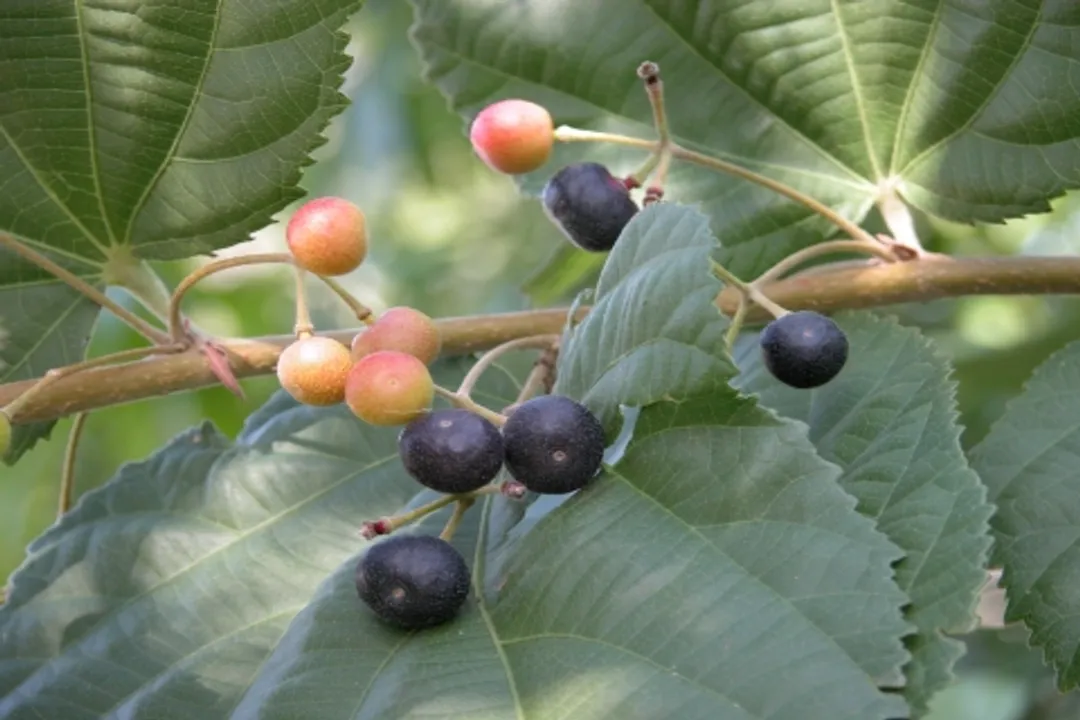
Grewia asiatica is native to South Asia, cultivated in regions spanning Pakistan eastward to Cambodia. It belongs to the Grewia genus, which comprises about 150 species of shrubs and small trees, making it the sole genus within the Tiliaceae family known to yield edible fruits. In its native environment, the soft, delicate fruit is often consumed fresh, sometimes sprinkled with salt to enhance its naturally sweet and sour, grape-like flavor. Its short shelf life dictates that it is traditionally best suited for local marketing, though value-added products like jams, squashes, and chutneys have been developed to extend its availability.
# Nutrient Profile
The fruit is recognized as a low-calorie, low-fat food source, yet it is surprisingly dense in essential nutrients, minerals, and dietary fiber. A 100-gram serving provides roughly 21.1 grams of carbohydrate and 5.53 grams of fiber. Mineral content is notable, with potassium registering high at 372 mg per 100g, followed by calcium at 136 mg. Iron is also present in significant amounts, measured at 1.08 mg in the fresh weight.
Beyond macronutrients, the presence of vitamins, including Vitamin C (approximately 4.385 mg/100g) and Vitamin A (around 16.11 g/100g), contributes to its health profile. Vitamin C is vital for collagen synthesis and aids in the body’s absorption of iron from food. Furthermore, amino acids such as threonine and methionine are found in the pulp and seeds, respectively, highlighting its contribution to protein needs.
An interesting point emerges when comparing the two distinct types developed in India: the tall and the dwarf varieties. While the tall type yields slightly more juice, the dwarf type contains higher concentrations of total sugars and non-reducing sugars. Conversely, the tall type shows greater levels of reducing sugars, higher titrable acidity, and more protein in both the fruit and the seed. This variation in chemical makeup suggests that specific processing goals—such as maximizing sweetness versus maximizing acidity or protein—could favor one genotype over the other in commercial applications.
# Antioxidant Defense
The therapeutic promise of Grewia asiatica is strongly linked to its significant content of bioactive compounds, particularly antioxidants like flavonoids, tannins, phenolics, and anthocyanins. Research comparing fresh and frozen samples across peel, pulp, and seed demonstrated that the fresh fruit parts exhibit superior antioxidant activity across various solvent extractions when tested using assays like ABTS and DMPD. The peel consistently showed the highest antioxidant activity, followed by the pulp and then the seeds.
In methanol extracts of the pulp, studies quantified these compounds, finding that the concentration of total phenolics, total flavonoids, and total anthocyanins all increased corresponding to the concentration of fruit pulp used in the extract preparation (from 5% to 30% dilution). [3] This correlation suggests that the compounds responsible for radical scavenging capacity are concentrated in the juice or pulp extract. For instance, the highest total phenolic content was nearly eight times greater in the 30% extract compared to the 5% extract tested.
Furthermore, the leaves also display potent in vitro antioxidant properties, with methanol and ethyl acetate extracts showing DPPH and NO radical scavenging capabilities comparable to established standards like ascorbic acid and quercetin. Even the pomace—the material left after juice extraction—retains substantial levels of flavonoids, alkaloids, saponins, and tannins, indicating that waste material still holds valuable antioxidant potential. This high concentration of antioxidant compounds is believed to underpin its protective actions against chronic diseases such as cardiovascular issues and diabetes mellitus.
# Cognitive Support
A cutting-edge area of investigation focuses on the fruit's impact on the central nervous system, particularly its potential to mitigate anxiety, depression, and cognitive deficits. [3] In animal models where memory impairment was chemically induced using scopolamine—a drug known to inhibit cholinergic neurotransmission—Grewia asiatica juice dilutions (20% and 30%) effectively reversed the induced amnesia across multiple behavioral tests.
In the Passive Avoidance Test, animals treated with higher juice concentrations showed significantly increased latencies (time taken to re-enter the dark, aversive compartment) and spent less time in the dark compartment, indicating enhanced memory retention. Similar restorative effects were noted in the Y-Maze and Novel Object Recognition Tests, where treated rats exhibited improved spontaneous alternation and a greater discrimination index, respectively, when compared to the amnesic group.
Biochemical analysis of the brains in these models provided supporting evidence. Scopolamine elevated the levels of the enzyme acetylcholinesterase (AChE), which breaks down acetylcholine—a key memory neurotransmitter. The G. asiatica extract normalized this elevation by inhibiting AChE, suggesting that supporting cholinergic signaling might be one mechanism behind its cognitive benefits. Moreover, the fruit's constituents appeared to combat oxidative stress in the brain, which is implicated in neurological decline: the extract helped reduce malondialdehyde (MDA), a marker of lipid peroxidation, and increased the levels of crucial defense enzymes like superoxide dismutase (SOD) and glutathione peroxidase (GPx). The presence of flavonoids and anthocyanins is hypothesized to interact with GABA receptors or boost neurotrophic factors, further supporting neuronal health and plasticity.
# Metabolic Roles
The traditional application of Phalsa for conditions like heart and blood disorders is now being explored through modern pharmacological lenses, particularly concerning metabolic health.
# Antidiabetic Potential
The fruit shows significant promise in managing blood sugar levels. Ethanolic extracts from the fruit, stem bark, and leaves demonstrated antihyperglycemic activity in animal models. Studies on aqueous extracts from fresh fruits showed that they possess inhibitory activity against key carbohydrate-digesting enzymes: -amylase and -glucosidase. It is worth noting that the fruit extract showed high inhibitory activity against -glucosidase (IC50 value of ) while exhibiting only moderate activity against -amylase (IC50 value of ). This differential inhibition pattern suggests that G. asiatica may exert a powerful effect by slowing the final stages of carbohydrate digestion in the small intestine, leading to a more gradual entry of glucose into the bloodstream. This mechanism is crucial for managing both obesity and diabetes. Furthermore, the fruit itself exhibits a low glycemic index (GI) in human subjects, suggesting a favorable, slow-releasing carbohydrate profile when consumed directly.
# Pain and Inflammation
Traditional uses for fever and rheumatism align with scientific findings indicating analgesic, antipyretic, and anti-inflammatory capabilities in fruit extracts. Aqueous fruit extracts exhibited antipyretic activity greater than aspirin in controlling fever induced by E. coli endotoxin in rats. In pain models, an aqueous extract showed inhibitory effects on acetic acid-induced pain comparable to aspirin at certain dosages. Similarly, a methanol extract of the fruit demonstrated significant anti-inflammatory activity against carrageenan-induced swelling in rat paws.
# Plant Extracts
The utility of Grewia asiatica extends beyond the fruit, with different parts showing specialized bioactivity.
- Leaves: Extracts from the leaves have been shown to possess antimicrobial potential, supporting their traditional use for skin irritations. Ethanolic leaf extracts demonstrated antibacterial and antifungal activity against several common pathogens, including Staphylococcus aureus and Aspergillus niger. Furthermore, methanol extracts of the leaves were active against plant viruses and displayed nematicidal, insecticidal, and larvicidal properties.
- Bark/Root: The root bark has been traditionally applied for rheumatism and urinary tract issues, while the stem bark has historical use in sugar refining.
- Pomace: Even the methanol extract of the fruit pomace showed promising in vitro cytotoxic activity against several human cancer cell lines, including cervical (HeLa) and breast (MCF-7) lines, suggesting a source for novel anticancer agents.
# Environmental Remediation
An unexpected benefit involves environmental cleanup. Extracts from the leaves and seeds of G. asiatica have shown excellent potential as a low-cost, "green" biosorbent material capable of removing heavy metal contaminants, such as lead (), and synthetic dyes, like Congo red, from contaminated water solutions. The adsorption efficiency of the leaves, in particular, has been noted as comparable to activated charcoal for dye removal.
# Further Study
Grewia asiatica is clearly a plant with diverse pharmacological activities documented across numerous assays, including anticancer, radioprotective, antimicrobial, and various forms of central nervous system modulation. Research confirms that the fruit juice itself can exert positive effects on anxiety, depression, and memory in controlled settings. The scientific community agrees that while the basic chemical and pharmacological profiles are established, detailed investigations are still required to fully isolate, quantify, and decipher the precise molecular mechanisms of the most effective bioactive constituents. [3] Simultaneously, agricultural development should focus on creating varieties with better yield, sweetness, flavor, and improved hardiness to facilitate wider commercial cultivation and access to this highly functional food source.
Related Questions
#Citations
Grewia asiatica L., a Food Plant with Multiple Uses - PMC
Phalsa: A Wonderful Fruit with Multiple Health Benefits