Health Benefits of Gooseberry
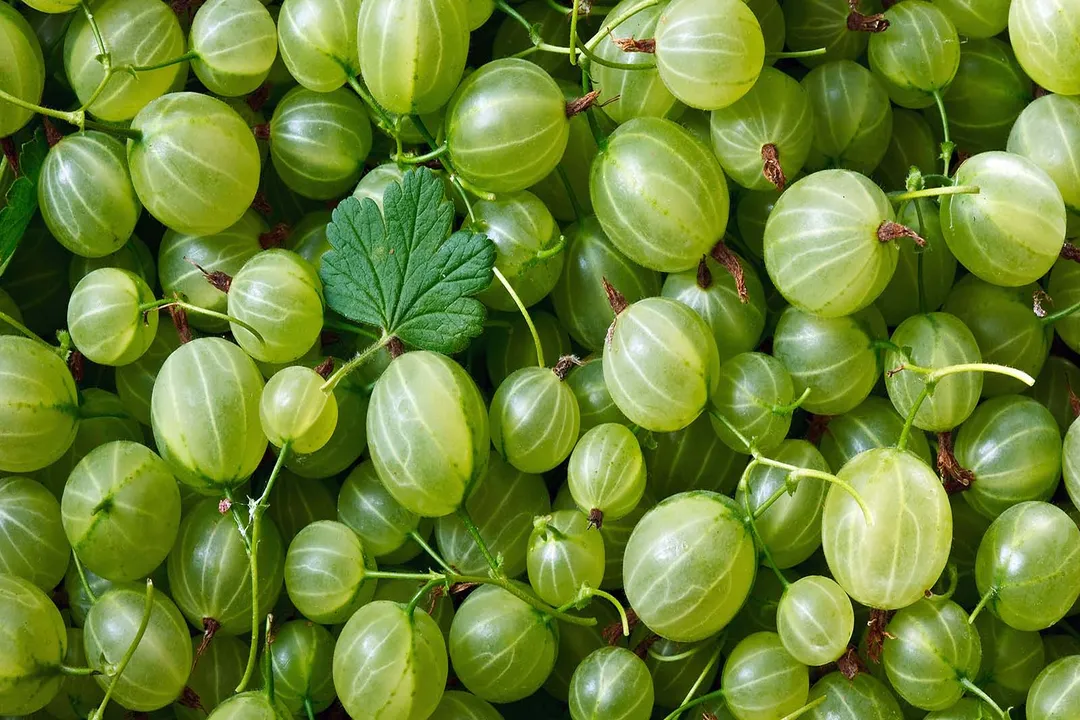
Gooseberries, often recognized for their tart, vibrant appeal in pies and jams, are much more than a simple seasonal treat. This diverse group of small, round fruits, which includes the well-known Indian gooseberry or Amla, boasts a density of nutrients that has secured its place as a "superfruit" in both traditional wellness practices and modern nutritional science. Whether you are looking at the European varieties native to North Africa and Asia or the American types found in the northeastern United States, these berries share a powerful profile of vitamins, minerals, and protective plant compounds.
# Nutritional Profile

A closer look at the composition reveals why gooseberries are so highly regarded. For instance, a 1-cup serving of raw gooseberries (about 150 grams) offers roughly 66 calories and is low in fat, while delivering substantial fiber—around 7 grams. This fruit is notably rich in several essential micronutrients. Among the minerals present are iron, calcium, phosphorus, potassium, and magnesium. The presence of key B vitamins, such as B5 (pantothenic acid), B6, thiamin (B1), and riboflavin (B2), also contributes to the fruit's overall nutritional value.
However, the most celebrated component, particularly in Amla, is its exceptional concentration of Vitamin C. A single 100-gram serving of Indian gooseberry can contain up to 720 mg of this vitamin, which can be nearly twelve times the amount found in an orange. This high Vitamin C load, combined with an abundance of phytochemicals like flavonoids and phenolic acids, forms the basis of many of the fruit’s purported health advantages.
# Antioxidant Action

The fight against cellular damage is where gooseberries truly shine, primarily due to their potent antioxidant capacity. Oxidative stress, caused by reactive molecules called free radicals, is implicated in premature aging and the development of numerous chronic conditions. Gooseberries are loaded with antioxidants designed to neutralize these free radicals.
Key compounds include Vitamin C and Vitamin E. Furthermore, they are rich in phytonutrients, which plants produce for self-protection but offer significant benefits to human health. These include:
- Flavonols: Types like quercetin are specifically linked to supporting heart health and may possess antiviral and cancer-fighting effects.
- Anthocyanins: These pigments are associated with improved memory, healthy aging, and a lower risk profile for certain cancers.
- Phenolic Acids: Compounds such as ellagic acid are present, contributing to the overall protective effect.
It is interesting to observe that while general gooseberries are recognized for these antioxidants, the specific research detailing cancer-fighting mechanisms or lipid profile improvements often centers on the Indian variety, Amla, suggesting this specific type may harbor a particularly rich or bioavailable concentration of these active substances. The collective action of these compounds helps mitigate inflammation, which itself is a recognized risk factor for chronic illness.

# Immune Support
The high Vitamin C content naturally positions gooseberries as an excellent food for bolstering the body's defenses. Regular intake of this vitamin is linked to improved function of immune system cells, such as macrophages. In traditional settings, the fruit has been associated with aiding in recovery from colds, leveraging its vitamin C concentration to support the immune response. While the exact relationship between dietary Vitamin C and cold duration is complex, the fruit’s overall nutrient profile provides an established foundation for immune system wellness.
# Heart Health
Maintaining a strong cardiovascular system benefits significantly from the regular consumption of antioxidant-rich fruits like gooseberries. The fruit contains polyphenols, including flavonols and anthocyanins, which are suggested to help improve blood vessel function and potentially reduce blood pressure. Potassium, another mineral present in gooseberries, is vital for maintaining a regular heartbeat and supporting overall blood vessel health, which in turn is associated with a reduced risk of both heart disease and stroke.
Specific studies focusing on Amla extract have indicated beneficial changes in key markers. For example, research has shown that concentrated powder supplements of Indian gooseberry helped lower levels of LDL (low-density lipoprotein, or "bad" cholesterol) while simultaneously increasing HDL (high-density lipoprotein, or "good" cholesterol). Some findings even noted a decrease in C-reactive proteins, a marker of systemic inflammation that is a known risk factor for cardiovascular disease. Furthermore, certain compounds in the fruit, such as ellagitannins, may work by preventing cholesterol from adhering to blood vessel walls, thereby reducing plaque buildup risk.
# Metabolic Management
Gooseberries offer several avenues for supporting metabolic health, particularly concerning blood sugar and weight management. Because they are high in dietary fiber, they play a role in slowing down the absorption of sugar into the bloodstream, which can help prevent sharp post-meal glucose spikes. Additionally, test-tube studies have pointed to gooseberry extract acting as an alpha-glucosidase inhibitor, meaning it can interfere with enzymes that move gut sugar into the bloodstream. The presence of chlorogenic acid is also noted for potentially slowing carbohydrate absorption after starchy meals.
From a weight management perspective, gooseberries are characterized by being low in calories but high in fiber. Fiber contributes to satiety—the feeling of fullness—without adding significant energy intake, making them a useful snack for those watching their calorie consumption. In one small study, participants snacking on berries consumed fewer calories at their following meal compared to those who ate sweets equivalent in calories. It is worth noting that animal studies suggest a supportive role in weight management, but more human research is needed to solidify these findings.
Considering the combined effect on blood sugar and blood lipids, gooseberry consumption may reduce the risk associated with conditions like Type 2 diabetes and obesity.
# Digestive Function
The fiber content is crucial for digestive health, promoting regularity by adding bulk to stools and improving overall consistency. This can be particularly beneficial in regions where high-fiber diets are less common, helping to alleviate issues like constipation or slow intestinal transit. Moreover, research suggests that gooseberries may help lessen the frequency and severity of heartburn for those dealing with gastroesophageal reflux disease (GERD). The fruit also aids digestion by stimulating the secretion of digestive enzymes, which assists in the breakdown of food and can reduce feelings of stomach heaviness or gas.
# Cellular Defense and Cancer Potential
The powerful antioxidant and anti-inflammatory makeup of gooseberries naturally leads researchers to examine their potential role in cancer prevention. Oxidative stress and chronic inflammation are mechanisms that can contribute to cellular changes leading to cancer development.
Studies, primarily in laboratory settings or animals, suggest that Amla possesses anti-carcinogenic and anti-mutagenic properties. These effects are attributed to the presence of folate, phenolic compounds, and vitamins C and E. Specific investigations have shown that components like anthocyanins may inhibit the growth of certain cancer cells, potentially lowering the risk associated with cancers of the colon, pancreas, and breast. Furthermore, some research indicates that the extract can induce apoptosis (programmed cell death) in cancer cells or, at minimum, slow the rate of tumor growth, creating a window for conventional treatments to act more effectively.
# Brain and Eye Health
Maintaining cognitive function and protecting vision are other areas where gooseberries are noted for their potential benefits.
# Cognitive Protection
The brain is particularly vulnerable to damage from free radicals because it has a high iron content, and excess iron can spur free radical creation. Gooseberries are a natural source of organic acids, like citric acid, which has been studied for its ability to block iron accumulation in cells. Regular consumption of these acids is linked to a reduced risk of age-related diseases such as Alzheimer’s disease and stroke. The overall high antioxidant content in the fruit is also believed to offer neuroprotective effects that enhance cognitive function and potentially support against memory deterioration.
# Vision Support
Good eyesight maintenance is supported by the Vitamin A content found in gooseberries. Beyond general vision improvement, Vitamin A may help lower the risk of age-related macular degeneration. The Vitamin C in the fruit also offers antibacterial properties that can help protect the eyes from infections like conjunctivitis, or pink eye.
# Skin and Hair Vitality
The fruit's richness in antioxidants and Vitamin C makes it a known ally in beauty applications, both traditional and modern.
For skin health, the phytonutrients may offer anti-aging effects. Research on Indian gooseberry extract points to activities that counteract anti-elastase and anti-collagenase—substances involved in the process of skin aging. Small studies have suggested that topical application of amla gel can lead to improved skin elasticity and hydration, alongside a reduction in the appearance of wrinkles. Its astringent quality also suggests it can act as a tonic to deeply cleanse the skin and provide luminosity, making it suitable for dull or devitalized skin types.
When considering hair, traditional uses often include gooseberry in tonics for strengthening and pigmentation. Modern research has explored its use in serums, with some findings suggesting that formulations containing gooseberry extract may promote hair growth and density while potentially reducing dandruff and the issue of premature greying. Its collagen-boosting properties are thought to contribute to stronger hair strands.
# Practical Consumption and Cautions
When incorporating gooseberries into your routine, it is generally best to consume them raw for maximum nutritional yield. The flavor profile ranges from tart to sweet, depending on the variety and ripeness; sweeter types are preferable if eating them fresh and unadulterated. They are wonderfully versatile—easily added to fresh salads, blended into smoothies, or used as a topping for yogurt or cereal.
However, if you are preparing cooked dishes like pies, jams, or compotes, keep in mind that the heat involved can diminish some of the heat-sensitive antioxidants and phytonutrients. For those seeking concentrated benefits without the tartness, powders, extracts, or capsules are available.
It is important to balance potential benefits with necessary precautions. For most people, eating gooseberries as a regular food item is likely safe. However, due to their effects on various bodily systems, caution is advised:
- Blood Thinners: Because Amla may have anticoagulant properties, supplements should be avoided or discussed with a doctor if you are taking antiplatelet medications, as interference with blood clot formation is possible.
- Blood Pressure/Sugar: Individuals managing low blood pressure or diabetes should consult a professional before increasing intake significantly, as the fruit may lower blood pressure or blood sugar levels.
- Digestive Tolerance: Because the fiber content is high, rapidly increasing consumption can lead to digestive upset like gas or cramping; a gradual introduction is wise.
If you are aiming to maximize the intake of Vitamin C—perhaps during a period of immune challenge—eating the fruit fresh or in juice form immediately after preparation will likely offer a higher immediate concentration compared to dried or heavily processed versions. Conversely, for long-term management of systemic issues where consistent, measured doses are key, supplements may be preferred, provided a healthcare professional has cleared them for safety alongside existing medications. The difference in preparation methods illustrates a subtle divide: culinary use often prioritizes flavor and texture (leading to cooked dishes), while traditional and supplement use prioritizes the delivery of specific bioactive compounds, which are best preserved in their raw or extracted state.
The array of potential benefits, from improving endothelial function in blood vessels to assisting in cellular repair, underscores why this fruit has endured as a celebrated ingredient across centuries and cultures.
#Videos
Indian Gooseberry ( Amla ) and Its Incredible Health Benefits
Related Questions
#Citations
8 Impressive Health Benefits of Gooseberries - Healthline
8 gooseberry benefits: For hair, skin, and health - Medical News Today
Health Benefits of Amla (Indian Gooseberry) - WebMD
10 Reasons to Add Gooseberries to Your Diet - Rupa Health
Gooseberry Health Benefits - Boost Immunity & Wellness - HDFC Ergo
Gooseberries, a Staple in Traditional Indian Medicine
Indian Gooseberry ( Amla ) and Its Incredible Health Benefits
5 Amla (Indian Gooseberry) Benefits - GoodRx
7 Science-Backed Health Benefits Of Amla (Gooseberry)! - PharmEasy