Health Benefits of Delicata
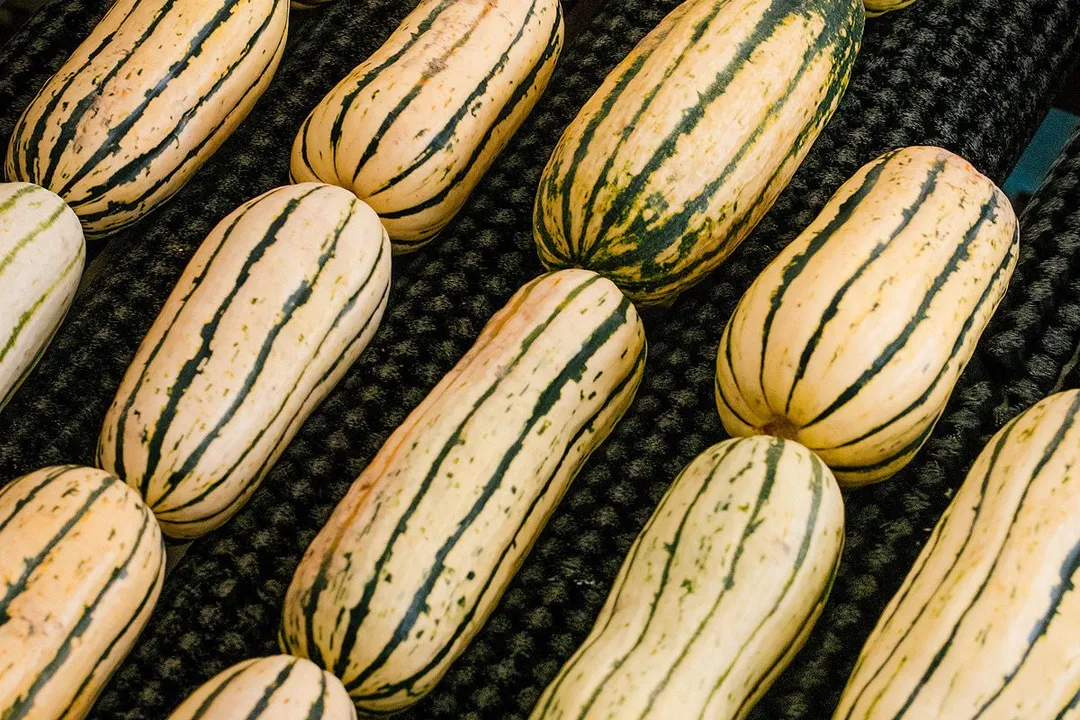
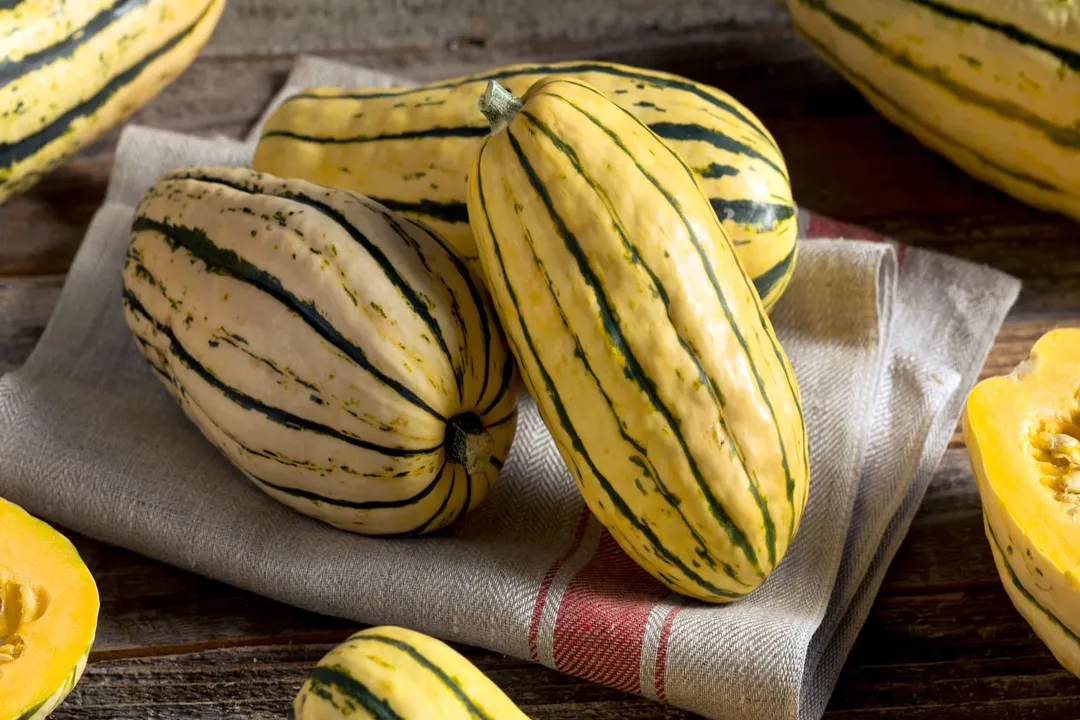
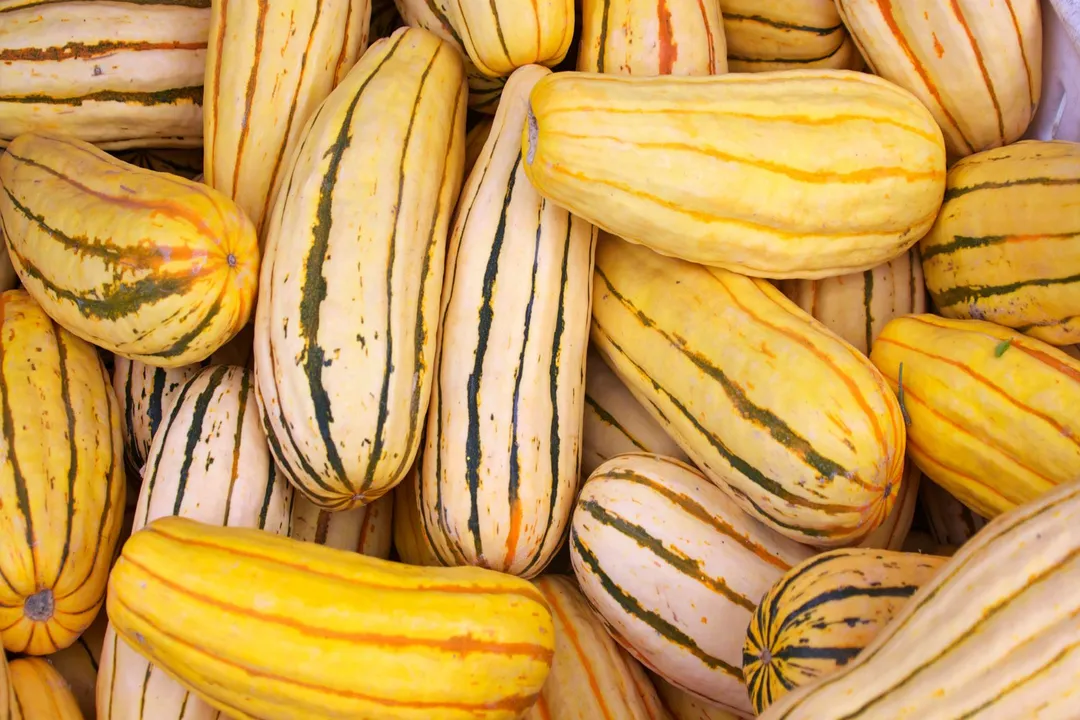
Delicata squash, often recognized by its creamy yellow skin striped with dark green or orange markings, presents itself as a welcome guest at the autumn table. [4][9] Unlike many of its larger winter squash cousins that demand significant peeling effort, this particular member of the Cucurbita pepo family offers a sweet, nutty flavor profile that pairs well with savory spices or simple roasting preparations. [4][9] While its aesthetic appeal and ease of preparation make it a favorite among home cooks, the real value of the delicata lies just beneath that beautifully patterned rind in its rich collection of essential nutrients. [1][3] Understanding its composition reveals why this smaller gourd deserves a consistent spot in seasonal eating habits.
# Rich Profile
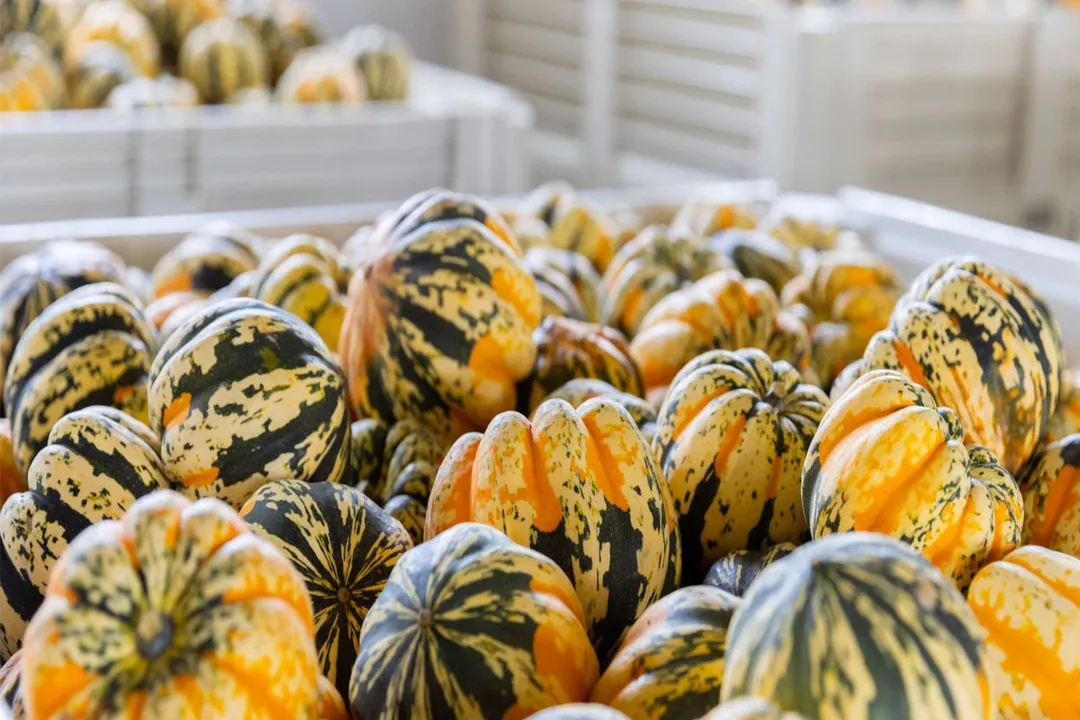
When examining the makeup of delicata squash, it quickly becomes clear why it supports overall wellness. [1] It provides an excellent source of dietary fiber, which is fundamental for maintaining smooth digestive function and promoting satiety. [3][6] Furthermore, a single serving delivers significant amounts of essential micronutrients, making it a nutrient-dense choice for a lower-calorie vegetable. [1][3]
# Key Vitamins
The high concentration of Vitamin A precursors is perhaps one of its most touted features. [3] This vitamin is crucial for the body, particularly concerning vision and immune system operation. [3] Delicata also contributes notably to Vitamin C intake, an antioxidant that helps protect cells from oxidative stress. [6] While many people associate Vitamin C primarily with citrus, enjoying a baked half of delicata provides a substantial boost during cooler months when fresh produce variety can sometimes dwindle. [1][6]
# Mineral Content
Potassium stands out among the minerals found in this squash. [1] This electrolyte is vital for maintaining proper fluid balance and regulating blood pressure within a healthy range, particularly by counteracting the effects of sodium in the diet. [1][3] Additionally, delicata squash contains respectable amounts of other necessary minerals like magnesium and iron. [3] For those tracking mineral intake, noting that a medium squash offers a good return on investment for these harder-to-get elements is helpful. [1]
# Metabolic Support
The combination of fiber, vitamins, and minerals translates into several targeted health benefits that extend across the body’s systems. The gentle nature of this squash makes it easy to incorporate into diets aimed at long-term health maintenance.
# Vision Protection
The body converts the beta-carotene present in the yellow-orange flesh of the delicata into active Vitamin A. [3] This process is directly linked to maintaining good eyesight, especially low-light vision, and ensuring the proper growth and differentiation of cells, including those lining the eye. [3] Consuming sources rich in carotenoids like delicata may help shield the eyes from age-related macular degeneration over time, a benefit shared with other orange-fleshed gourds. [3][6]
# Gut Health
The substantial fiber content in delicata squash is a boon for the digestive tract. [3][6] This fiber acts as a prebiotic, feeding beneficial gut bacteria, which is an often-overlooked component of overall immunity and even mental well-being. [6] Regular consumption of high-fiber foods aids in promoting regularity and preventing constipation, supporting a smooth-running system. [3]
# Antioxidant Action
Beyond Vitamin C, delicata squash provides various other antioxidant compounds that combat cellular damage caused by free radicals. [6] This protective action is essential for reducing chronic inflammation, which underlies many long-term health conditions. [3][6] It is interesting to note that while the flesh is nutrient-rich, the skin, which is often eaten, also contributes to the overall antioxidant load, adding a small but significant benefit to choosing this variety over those requiring heavy peeling. [9]
# Culinary Simplicity
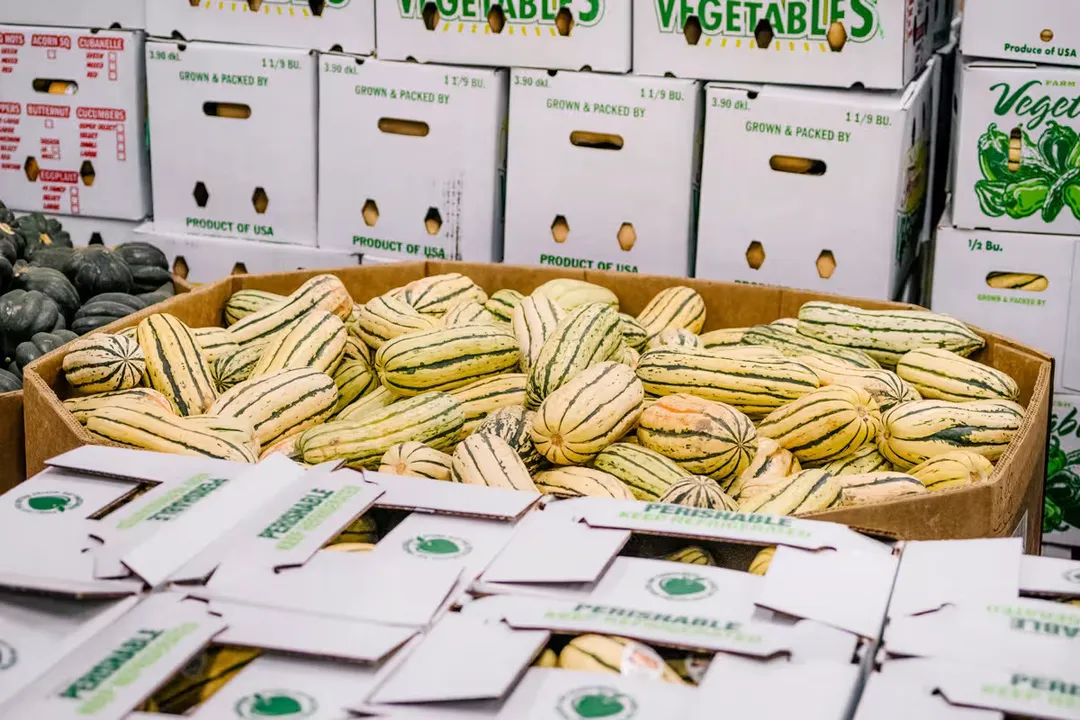
One of the most compelling arguments for choosing delicata squash over, say, a large butternut or pumpkin, is the sheer ease of preparation. [2][9] This quality translates directly into a higher likelihood of incorporating it into regular meals, thereby maximizing the intake of its nutritional rewards.
# Skin Efficacy
The defining characteristic that sets delicata apart in the kitchen is its thin, edible skin. [2][4][9] Unlike acorn or spaghetti squash, which can be tough to manage, the delicata skin softens beautifully when cooked. [9] This means home cooks can skip the sometimes difficult and messy step of peeling the raw squash. [2] Simply slice it, scoop out the seeds, and proceed with seasoning and cooking. [4] This edible nature preserves more of the nutrients that reside near or in the skin, ensuring you consume the maximum benefit from your purchase. [2]
# Flavor Profile
The sweetness inherent in delicata squash is often described as milder and less intensely sweet than butternut squash, carrying subtle notes described as nutty or creamy. [4][9] This balanced flavor makes it exceptionally versatile. For instance, while many find acorn squash benefits from substantial sweetening or heavy stuffing, delicata shines with simpler treatments. [9] A simple drizzle of olive oil, a sprinkle of salt, and perhaps some fresh rosemary are often sufficient to bring out its best qualities when roasted. [4]
When we look at how preparation affects nutrient delivery, it becomes clear that methods like roasting or steaming retain more water-soluble vitamins (like Vitamin C) than boiling, where significant leaching can occur. [1] Given Delicata's smaller size, a standard roasting time of about 20 to 30 minutes at 400°F is often cited, allowing for high heat cooking without excessive drying out of the flesh, which helps lock in those heat-sensitive vitamins. [1][4]
# Gourd Comparison
While all winter squash varieties offer nutritional value, they differ slightly in their key components, making variety important throughout the season. [5] For example, butternut squash is famous for its very high Vitamin A content, often surpassing delicata, but delicata might offer a superior potassium-to-calorie ratio depending on the specific growing conditions and ripeness. [1][3]
To provide a practical snapshot for seasonal shopping, consider this relative comparison for a similar serving size:
| Component | Delicata Squash | Butternut Squash | Acorn Squash |
|---|---|---|---|
| Skin Edibility | Yes [2][9] | No | Generally No [9] |
| Primary Strength | Versatility, Ease of Prep | High Beta-Carotene | Good Fiber/Minerals |
| Flavor Note | Mildly Sweet, Nutty [4] | Richly Sweet | Earthy, Milder Sweetness |
It’s worth remembering that nutrient density can fluctuate based on when and where the squash was harvested, and how long it has been stored. [4] A squash purchased locally during peak season, even if it is slightly smaller, often retains a higher concentration of delicate vitamins compared to one shipped long distances after months in cold storage. [4]
# Practical Eating Tips
Maximizing the use of delicata squash involves more than just roasting the flesh; its seeds are often discarded unnecessarily. [1] Since the seeds are easily accessible after halving and scooping, they present an excellent opportunity for zero-waste cooking. Unlike pumpkin seeds, which can be quite tough, delicata seeds are smaller and relatively tender. A good practice involves tossing them lightly in salt, perhaps a dash of smoked paprika, and roasting them separately on a baking sheet until crisp. This creates a crunchy, nutrient-dense snack that adds healthy fats and trace minerals to your day, supplementing the benefits gained from the flesh. [1]
Furthermore, given their convenient, smaller size—they are generally easier to handle than large, unwieldy squashes—delicata is perfectly suited for quick weeknight meals. [9] You can easily roast several halves at once, saving the leftovers to be quickly pureed into a soup base, blended into a hummus, or mashed into a side dish for lunch the next day. This small-batch utility is a distinct advantage for busy individuals prioritizing homemade, nutrient-rich food without excessive prep time. [9] The squash keeps well on the counter for a few weeks if left whole and unblemished, but once cut, storage in the refrigerator in an airtight container is recommended for up to a week. [4]
Related Questions
#Citations
Delicata Squash: The Sweet Secret to Fall Nutrition
9 Amazing Delicata squash Nutrition facts and Health benefits
Delicata Squash: Gluten-Free, Fiber-Rich Eye & Bone Booster
What The Heck Is Delicata Squash? - Farmers' Almanac
Delicata Squash | New Entry Sustainable Farming Project
Why Winter Squash Is So Good for You - EatingWell
How to Cook Delicata Squash - Daily Harvest
The Head-to-Toe Health Benefits of Squash | Organic Valley
Delicata Squash May Be Your New Favorite Gourd
Acorn + Delicata Squash Guide - Moon Valley Farm