Health Benefits of Cymbopogon

The bright, citrus-forward aroma of Cymbopogon, commonly known as lemongrass, immediately brings to mind refreshing teas and vibrant Southeast Asian cuisine. This grass, native to tropical regions, is far more than just a culinary herb; it is a botanical powerhouse utilized for centuries in traditional medicine across the globe. [8] Its therapeutic reputation stems from a rich profile of bioactive compounds, primarily citral, which contribute to its noted antioxidant, anti-inflammatory, and antimicrobial properties. [8] Understanding how these components work within the body reveals why lemongrass maintains such a firm place in natural wellness practices today. [8][5]
# Digestive Comfort
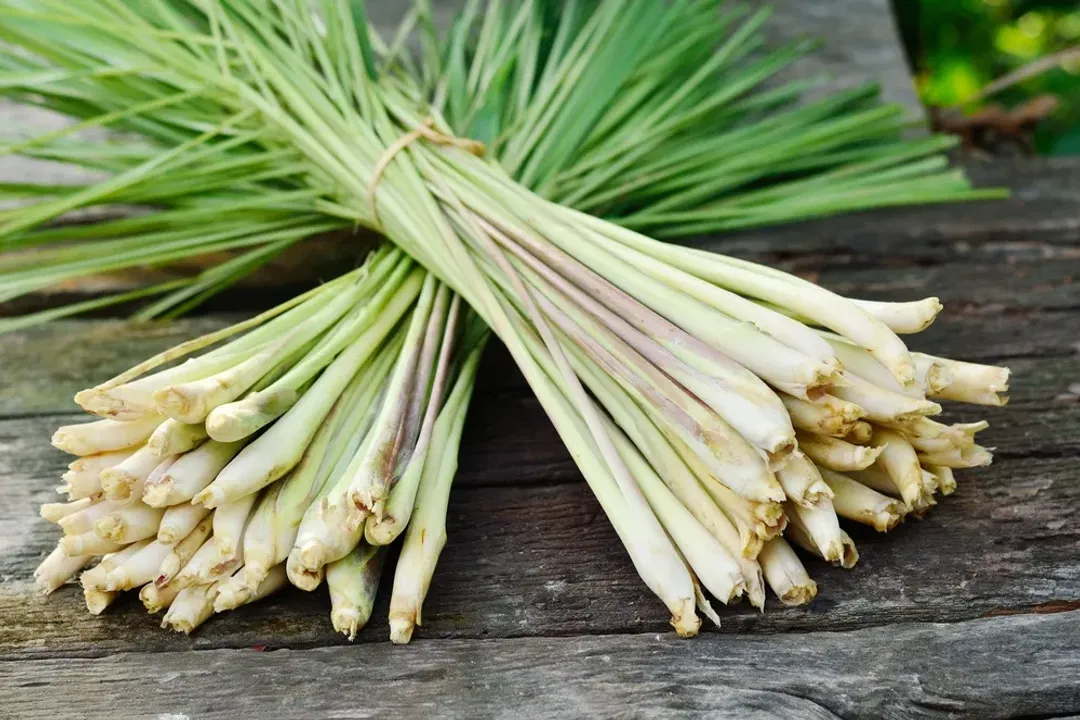
One of the most frequently cited uses for lemongrass, often consumed as a warm infusion, relates directly to gastrointestinal well-being. [1][2] It possesses antispasmodic effects, meaning it can help relax the smooth muscles of the digestive tract, which may offer relief from cramping and spasms associated with upset stomachs. [8][7] Furthermore, lemongrass acts as a natural diuretic, which can assist the body in flushing out excess fluids and potentially aiding against bloating and gas buildup. [2][7] Some historical applications suggest it can also help reduce the secretion of stomach acid, offering a gentle way to soothe irritation when consumed regularly. [1] When dealing with sluggish digestion or mild indigestion after a heavy meal, a simple cup of lemongrass tea can be much gentler on the system than reaching for stronger manufactured aids. [9]
# Antioxidant Activity

The plant material, particularly in the essential oil and aqueous extracts, is packed with compounds known for scavenging harmful free radicals. [8] These free radicals are unstable molecules that cause oxidative stress, a process linked to aging and the development of chronic diseases. [1] The presence of flavonoids and phenolic compounds in lemongrass contributes significantly to this protective action. [8] While research often focuses on isolating these potent compounds, incorporating the whole herb, perhaps through daily tea, ensures the body receives a spectrum of these protective agents working together. [1] This general antioxidant defense mechanism is foundational to many of its other perceived health advantages, creating a baseline support system for cellular health. [8]

# Metabolic Regulation
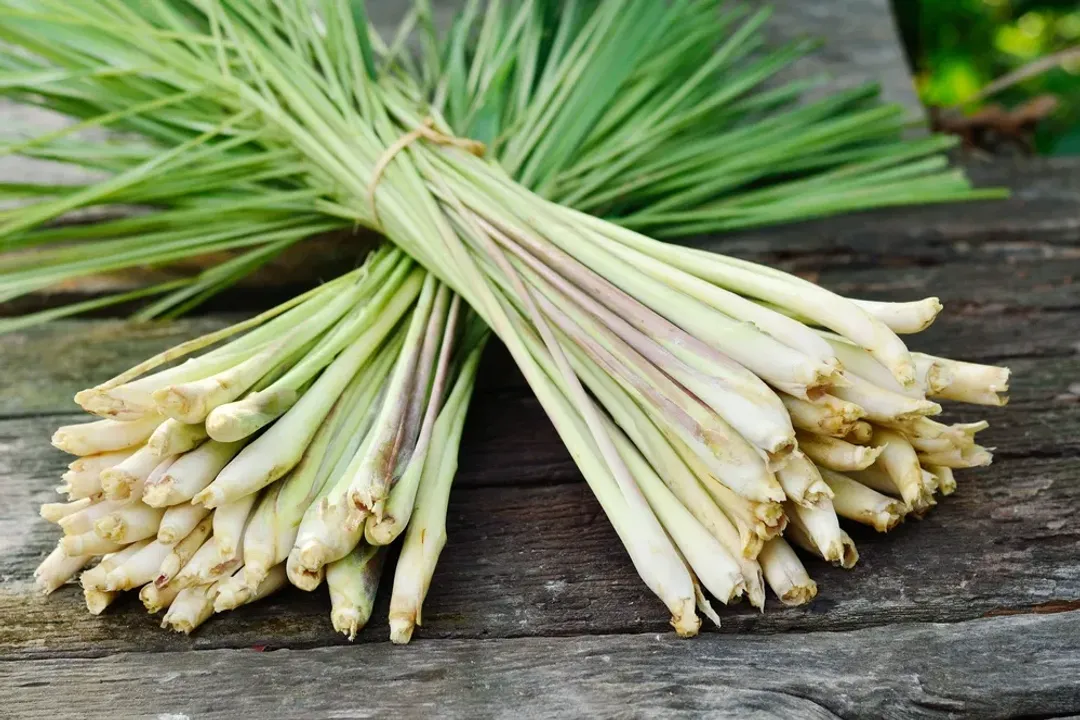
The influence of Cymbopogon extends to managing certain key metabolic markers, often drawing attention in discussions about maintaining healthy weight and circulatory function. [2][5] Studies suggest that regular intake may contribute to lowering levels of LDL cholesterol and triglycerides in the blood. [2][5] Managing these lipid profiles is essential for long-term cardiovascular wellness. [5] Beyond fats, there is evidence indicating that lemongrass consumption might assist in moderating blood sugar levels. [2][5] This dual action on both lipids and glucose suggests a supportive role in maintaining metabolic equilibrium, particularly for individuals monitoring their intake or seeking gentle support in their dietary habits. [2]
# Natural Pain Relief
For those who experience chronic discomfort, the anti-inflammatory nature of lemongrass offers therapeutic potential. [8] Traditionally, extracts have been used topically or internally to address bodily aches, including joint pain and inflammation. [4][8] One specific application where its soothing properties are frequently sought is in managing menstrual discomfort. [4] The herb's capacity to calm spasms and reduce inflammation works synergistically to ease cramping sensations. [8] When preparing an infusion specifically for pain relief, allowing the steeped material to sit for an extended period—perhaps letting the hot water cool naturally over fifteen minutes instead of immediately straining—can help draw out a greater concentration of these beneficial, oil-soluble anti-inflammatory agents. [8]
# Microbial Defense
Lemongrass has demonstrated promising results in laboratory settings for its ability to inhibit the growth of various microbes, including certain species of bacteria and fungi, such as Candida albicans. [8] This inherent antimicrobial action explains why it has been used traditionally in food preservation and why its essential oil is valued in cleaning applications. [8] While drinking lemongrass tea should not replace medical treatment for infections, its properties contribute to maintaining a balanced internal environment by supporting the body’s natural defenses against unwanted microbial proliferation. [8]
# External Use Considerations
Beyond internal consumption, the essential oil derived from Cymbopogon offers distinct benefits when applied externally, primarily due to its astringent, antiseptic, and deodorizing qualities. [4] For skin care, its astringent nature can help tone pores, while its antiseptic quality makes it useful for minor irritations or acne management. [4] When incorporated into hair care, lemongrass oil is sometimes touted for its ability to strengthen the hair shaft and clarify the scalp, potentially assisting with issues like dandruff due to its cleansing action. [4] If you choose to experiment with the essential oil for topical use, remember that it must always be diluted significantly with a carrier oil, such as coconut or jojoba oil, to prevent skin sensitivity, as the concentrated form can be quite potent. [4]

# Preparing for Wellness
The most common method for accessing the health benefits of the fresh or dried leaves is brewing a tea, often called an infusion or decoction. [1][7] To make a simple tea, about one to two teaspoons of chopped lemongrass, either fresh or dried, can be steeped in a cup of hot water for about five to ten minutes. [1] If you are specifically aiming to extract the citral and other essential oil components for maximum impact, covering the cup while steeping is a simple technique worth remembering; this prevents the volatile aromatic compounds from escaping with the steam, ensuring they remain in your drink. [8] For a more intense, traditional preparation that extracts deeper root-like compounds, a longer simmer (decoction) might be considered, though this can sometimes result in a slightly more herbaceous or bitter flavor profile than a simple quick infusion. [7]
It is worth noting that while lemongrass is widely accepted as safe when consumed in food amounts or moderate tea quantities, individuals considering high-dose essential oil or concentrated supplements should always consult a healthcare provider first. [2][5] This is especially prudent for pregnant or breastfeeding women, or those managing pre-existing conditions like diabetes, due to the potential influence lemongrass has on blood sugar and fluid balance. [2]
Related Questions
#Citations
10 Potential Health Benefits of Lemongrass Tea - Healthline
Lemongrass: Are There Health Benefits? - WebMD
Lemongrass tea: Benefits, uses, and recipe - Medical News Today
lemongrass essential oil: benefits and uses for hair, skin, and joints
9 Lemongrass Benefits: Tea and Essential Oil - Verywell Health
The Health Benefits of Lemongrass: A Medical Perspective
Lemongrass: 11 Health Benefits, How to Use & Side Effects
Exploring the Therapeutic Benefits of Lemongrass - Authorea
The Top 48 Benefits of Lemongrass - Potager Soap