Health Benefits of Currant

These small berries pack an extraordinary punch when it comes to supporting human health, often overshadowing more mainstream fruits in concentration of key vitamins and antioxidants. While many associate currants with jellies or baking, the true value lies in their dense nutritional profile, particularly the black variety, which has been studied extensively for its medicinal qualities. From boosting the immune system to potentially aiding vision, these tiny orbs offer a wealth of benefits waiting to be discovered by the everyday consumer.
# Vitamin C Powerhouse

Perhaps the most celebrated attribute of black currants is their astonishing Vitamin C content. This essential nutrient is vital for immune function, skin health, and acting as a critical antioxidant within the body. When comparing them side-by-side with other popular fruits, the figures are quite remarkable: a mere 100 grams of black currants can contain several times the amount of Vitamin C found in an equivalent serving of an orange. This extreme concentration means that a relatively small intake can significantly contribute toward the recommended daily allowance for this key vitamin. Furthermore, Vitamin C supports the body's ability to absorb iron, making the combination of currants and iron-rich foods a smart strategy for maintaining healthy blood cell production.
The high concentration of Vitamin C isn't just about preventing deficiency; it plays an active role in cellular protection. This potent vitamin aids in neutralizing harmful free radicals, which are unstable molecules that can cause oxidative stress and damage tissues throughout the body.
# Antioxidant Profile

Beyond Vitamin C, currants, especially the black variety, are rich sources of various phytochemicals, most notably anthocyanins. Anthocyanins are the pigments that give these berries their deep, dark color, and they are powerful antioxidants in their own right. Studies have indicated that these compounds exhibit significant anti-inflammatory properties, which is key to managing chronic disease risk.
It is fascinating to observe how the chemical composition translates into functional benefits. For instance, research suggests that compounds found in black currants can help manage inflammation responses at a cellular level, which is distinct from simply providing basic vitamin support. This synergy between different antioxidant classes—Vitamin C, flavonoids, and polyphenols—is what gives currants their reputation as a functional food. Considering that many people aim for daily dietary improvements through easily accessible foods, incorporating a handful of these berries or a small serving of their juice means stacking multiple protective compounds into one small package. If you find fresh black currants difficult to source year-round, understanding that high-quality frozen or dried versions retain much of this potent antioxidant load is helpful for year-round use.
# Supporting Vision Health
The specific array of compounds in black currants shows promise in supporting visual health, an area that often requires consistent nutritional maintenance. These berries contain certain phytonutrients that appear to help improve blood flow to the eyes. Better circulation means that the tissues within the eye receive more oxygen and essential nutrients, which can help combat fatigue associated with prolonged screen time or visual strain.
Some evidence suggests that black currant extracts may help ease eye strain and improve visual function following tasks that demand high visual focus, such as reading or computer work. While not a cure for serious eye conditions, this makes black currants a genuinely beneficial snack for the modern worker tethered to digital devices. Think of it as passive maintenance for your eyesight throughout the day.
# Cardiovascular Wellness
The benefits imparted by currants extend deeply into circulatory health, largely due to their antioxidant and anti-inflammatory actions on blood vessels. The anthocyanins, which are abundant in black currants, can positively influence blood vessel function and may contribute to maintaining healthy blood pressure levels. Good blood flow is not just about the heart itself; it impacts everything from muscle recovery to cognitive function.
When considering heart health strategies, dietary fiber is another component currants contribute. While not as high in fiber as some other fruits, the fiber present aids in overall digestive regularity, which indirectly supports cardiovascular markers by assisting in healthy cholesterol management. A practical approach for integrating this benefit is to consume them whole rather than just as juice, ensuring you capture the contribution of the pulp and skin where much of the beneficial fiber resides.
# Digestive Function
Currants contribute to a healthy gut environment through their fiber content. Fiber is essential for moving food smoothly through the digestive tract, preventing constipation, and feeding beneficial gut bacteria. Although red currants and white currants contain fewer pigments than their black counterparts, all varieties offer dietary fiber along with various minerals.
For those looking to create a simple, powerful breakfast, consider mixing a quarter cup of dried currants into your morning oatmeal or yogurt. This small addition boosts the fiber content of the meal while providing a slight, natural sweetness that might reduce the need for added refined sugars. This conscious substitution is an excellent example of how small, intentional food choices can accumulate significant health advantages over time.
# Mineral Content and Bone Support
While Vitamin C often steals the spotlight, currants provide a respectable profile of several essential minerals necessary for daily functioning. Manganese, for example, is present and is important for metabolic processes and bone structure. Furthermore, black currants are a notable source of Vitamin K, a nutrient crucial for proper blood clotting and bone health.
It's worth noting the distinction in mineral profiles, even among the different currant colors. While specific data can vary based on cultivar and growing conditions, ensuring a varied intake across the fruit spectrum can maximize mineral acquisition. The contribution to bone health through Vitamin K is often overlooked when focusing solely on calcium, but K vitamins are necessary for directing calcium to the bones where it is needed.

# Anti-Inflammatory Effects
Chronic, low-grade inflammation is a driver behind many modern health issues, and diet is a primary modifiable factor. The phenolic compounds and anthocyanins found in black currants actively work to dampen inflammatory responses in the body. This systemic anti-inflammatory action is a key element of their reputation as a medicinal food.
One area where this is particularly relevant is in exercise recovery. While not a traditional sports supplement, consuming foods rich in these specific anti-inflammatory agents post-exertion may aid in reducing muscle soreness by managing exercise-induced inflammation. Research examining the effects of black currant extract on physical performance and recovery underscores this potential application for active individuals.
# Black Currant Versus Other Berries
To truly appreciate the significance of the black currant, it is useful to contextualize its nutritional density against more commonly recognized "superfoods." While blueberries and raspberries are excellent sources of antioxidants, black currants often exhibit a significantly higher Oxygen Radical Absorbance Capacity (ORAC) score due to their unique anthocyanin profile. This means, gram for gram, they may neutralize free radicals more effectively than many well-known counterparts. This difference is significant because it suggests that smaller serving sizes of black currants can deliver a comparable, or even superior, level of antioxidant protection compared to larger servings of other popular berries. This higher potency makes them a highly efficient addition to any health-conscious diet.
# Utilizing Currants Beyond Fresh Consumption
One challenge with fresh currants is their seasonality and perishability. However, the utility of currants extends well into the off-season through drying and processing. Dried currants, for instance, offer concentrated sugars but also retain most of the beneficial fiber and minerals, though the most volatile vitamins like Vitamin C can see some reduction during the drying process.
For those aiming for consistent immune support, consider sourcing high-quality black currant concentrate or powder. A small spoonful mixed into a morning beverage or incorporated into a homemade energy bar provides a concentrated dose of polyphenols without needing fresh berries readily available. This method allows for easier measurement and incorporation into structured dietary plans, moving the berry from a seasonal treat to a daily functional supplement.
# Nutritional Comparison Table (Black Currants vs. Common Fruits)
To further illustrate the concentration of nutrients, it is helpful to look at approximate values per 100-gram serving (values are illustrative and based on common data points for black currants noted in various sources, recognizing natural variance).
| Nutrient | Black Currant (Approx. per 100g) | Orange (Approx. per 100g) |
|---|---|---|
| Vitamin C (mg) | 180–200 mg | 50–60 mg |
| Anthocyanins | High Concentration | Low to Moderate |
| Fiber (g) | ~6.8 g | ~2.4 g |
| Vitamin K (mcg) | Present | Present |
This table highlights the clear advantage in Vitamin C and Fiber when looking at black currants versus a fruit commonly recommended specifically for its Vitamin C content.
# Potential Role in Medicinal Preparations
Historically, black currants have held a place in traditional medicine systems, often utilized for their astringent and diuretic properties, in addition to their primary use for colds and flu due to the high Vitamin C content. Modern herbalism continues to recognize the power of extracts derived from the fruit, leaf, and flower. Specific preparations derived from black currant have been studied for their effects on upper respiratory tract infections, suggesting a traditional wisdom supported by contemporary interest in phytomedicine. This continued academic interest points to the enduring medicinal value of the plant beyond simple dietary supplementation.
# Types of Currants and Culinary Use
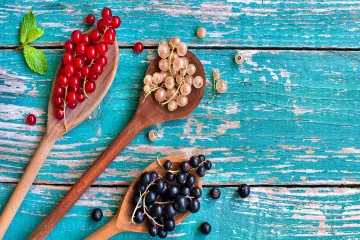
While the health discussion often centers on the black currant (Ribes nigrum), it is important to note that red currants (Ribes rubrum) and white currants also exist, offering similar, though often less concentrated, nutritional benefits. Red currants, for example, tend to be tarter and are frequently used in jams and sauces, contributing their own set of antioxidants and fiber to the diet.
The key takeaway across all varieties is to consume them in forms that retain as much of the whole fruit as possible, whether fresh, frozen, or dried, to maximize the intake of beneficial phytochemicals, fiber, and vitamins. Avoiding overly processed syrups or jellies that strip away the natural components is paramount to realizing the health advantages discussed here.
Related Questions
#Citations
Nutritional Benefits Of Currants, A Berry Superfood
Health Benefits of Black Currant - WebMD
6 Health Benefits of Black Currant - Healthline
4 Health Benefits of Black Currants
Currants: The Unknown Super Food - Northwest Wild Foods
The health benefits of blackcurrants - PubMed
The Benefits of Blackcurrants
Application, emerging health benefits, and dosage effects of ...
Food as Medicine: Black Currant (Ribes nigrum, Grossulariaceae)
Currants Health Benefits, Uses and Raisins Compaison - Dr. Axe